





 Portuguese
  English
  Spanish
  3 min of reading
  0 comments


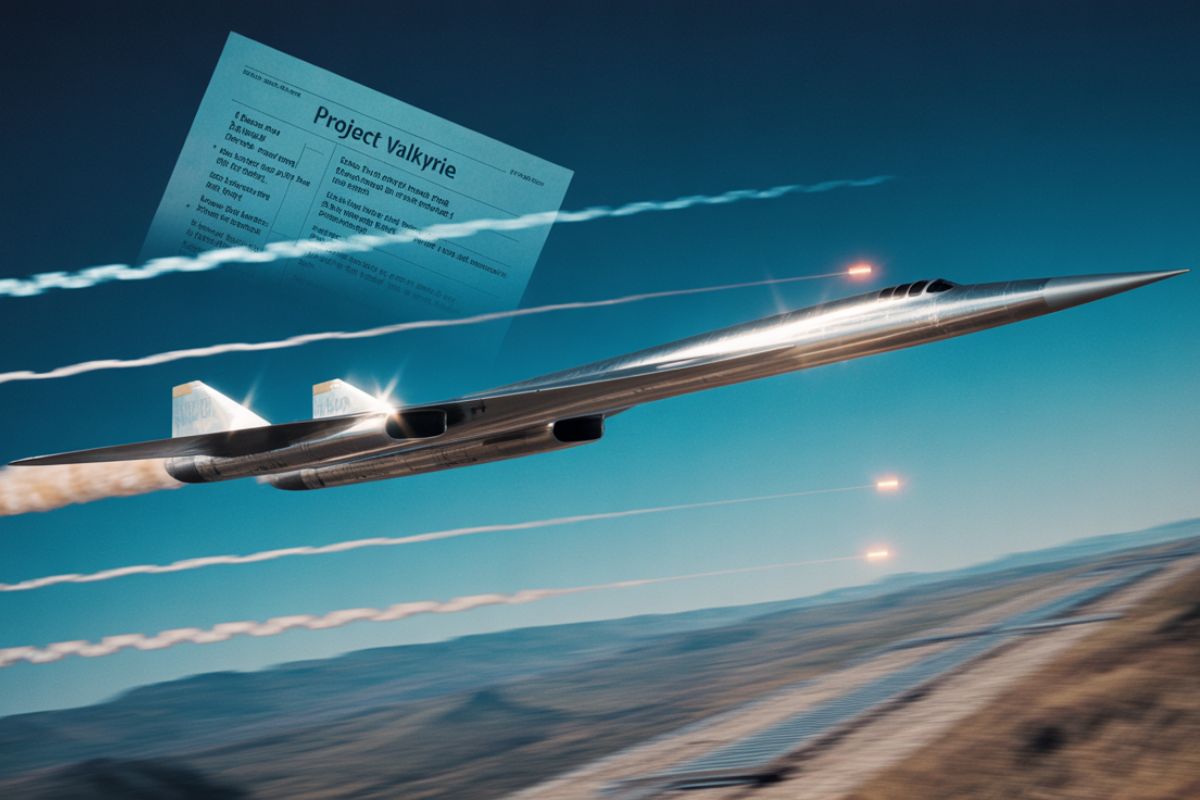
Designed To Be Untouchable, The XB-70 Valkyrie Could Fly At Three Times The Speed Of Sound. Understand Why The Fastest Bomber In The World Was Canceled Before Even Entering Combat.
At the height of the Cold War, the United States dreamed of creating the ultimate weapon: an aircraft capable of flying higher and faster than any enemy defense. From this dream was born the XB-70 Valkyrie project, the fastest bomber in the world, a machine designed to cross the skies at over 3,200 km/h and at 21,000 meters in altitude, carrying nuclear warheads to the heart of the Soviet Union before any alarm could sound.
However, the same technological race that brought the Valkyrie to life was responsible for its early death. Even before its first flight, the advancement of surface-to-air missiles and the rise of intercontinental ballistic missiles made its concept obsolete. This is the story of how the most impressive aircraft of its time became a relic of a future that never arrived.
A Colossus Born In The Cold War
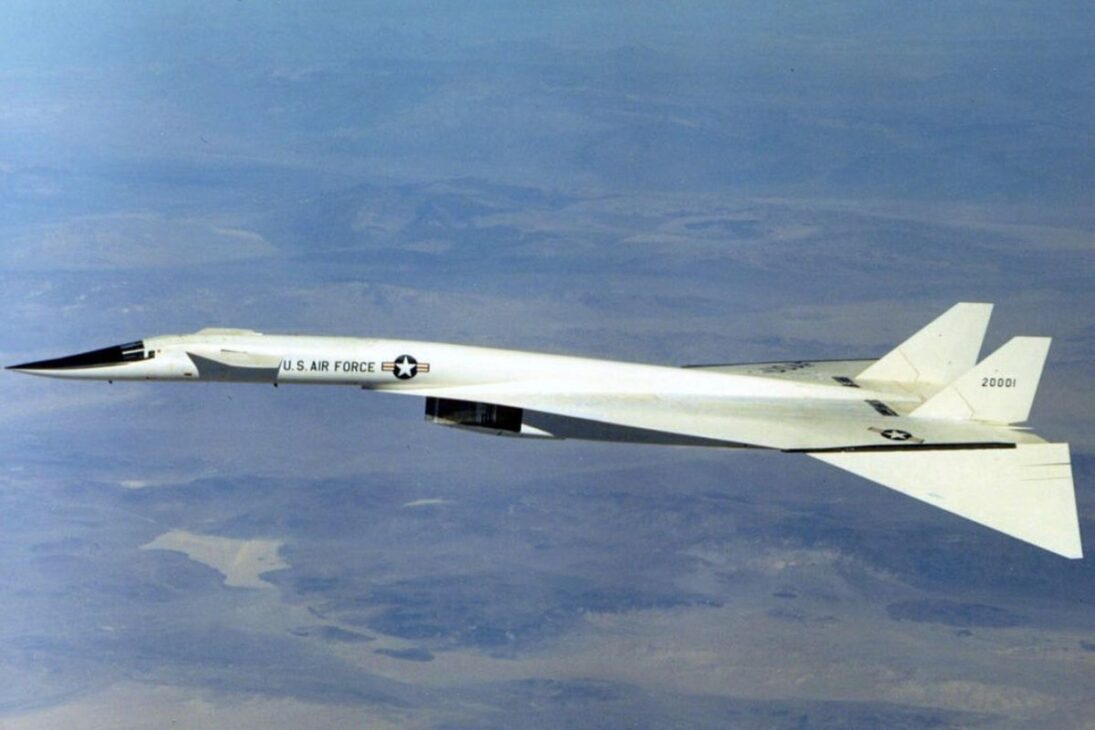
The XB-70 Valkyrie project began in the 1950s, with the mission of replacing the iconic B-52 bomber. The idea was simple and audacious: to create an aircraft that would be immune to Soviet defenses. To achieve this, North American Aviation designed a colossus with six engines, featuring imposing delta wings and a flight capability that bordered on science fiction.
-
A geologist teaching students to map the bottom of the Baltic Sea identified something unusual on sonar in 2021: a line of stones meandering for almost 1 kilometer at a depth of 21 meters, revealing the largest megastructure of the Stone Age ever found in Europe, about 11,000 years old, built by hunters when the Baltic Sea did not yet exist.

-
Mongol ship sunk 745 years ago emerges in excavations with sword, arrows, and relics from the 1281 invasion of Japan, destroyed by the first “kamikaze” in history.

-
Brazil develops a 50-meter boat capable of producing its own fuel at sea by transforming water into green hydrogen through electrolysis; this unprecedented project seeks energy autonomy and could redefine naval propulsion.
-
The Arctic is shrinking and in March 2026 recorded only 14.3 million km² of ice at the peak of winter, one of the lowest levels since 1979, reducing the planet’s ability to reflect heat and accelerating global warming.

The Valkyrie was designed to “surf” on its own shock wave, a technique known as “compression lift.” Its folding wing tips captured the shock wave generated by the fuselage in supersonic flight, increasing stability and efficiency by up to 30%. Its structure was a feat of engineering, made with stainless steel and titanium panels to withstand the extreme heat generated by speed.
The Changing Battlefield
As the XB-70 was being developed, the theater of war was changing dramatically. The emergence of Soviet surface-to-air missiles, such as the feared SA-2 Guideline, showed that flying high and fast was no longer a guarantee of survival. A missile could reach extreme altitudes in seconds, making any bomber, no matter how fast, a vulnerable target.
At the same time, Intercontinental Ballistic Missiles (ICBMs) emerged as a much cheaper, faster, and more efficient alternative for delivering nuclear warheads. A missile could hit the Soviet Union in minutes, without risking the lives of pilots or an aircraft that cost a fortune. With this new reality, the costly and complex Valkyrie program lost its strategic purpose.
The Cancellation And The Legacy As A Flying Laboratory
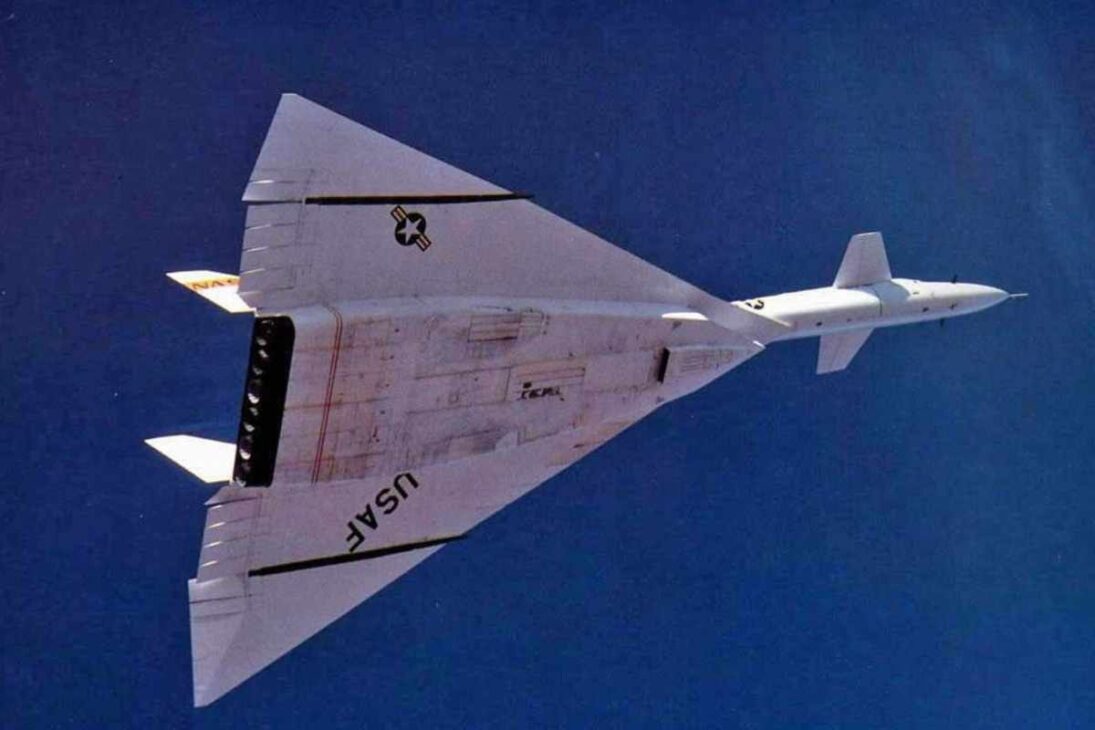
In 1961, the XB-70 program as a bomber was officially canceled. Interestingly, the project continued, but with a new purpose: to serve as a research platform for high-speed flights. Only two prototypes were built, and they were used by NASA and the U.S. Air Force to collect crucial data on aircraft behavior at speeds above Mach 3.
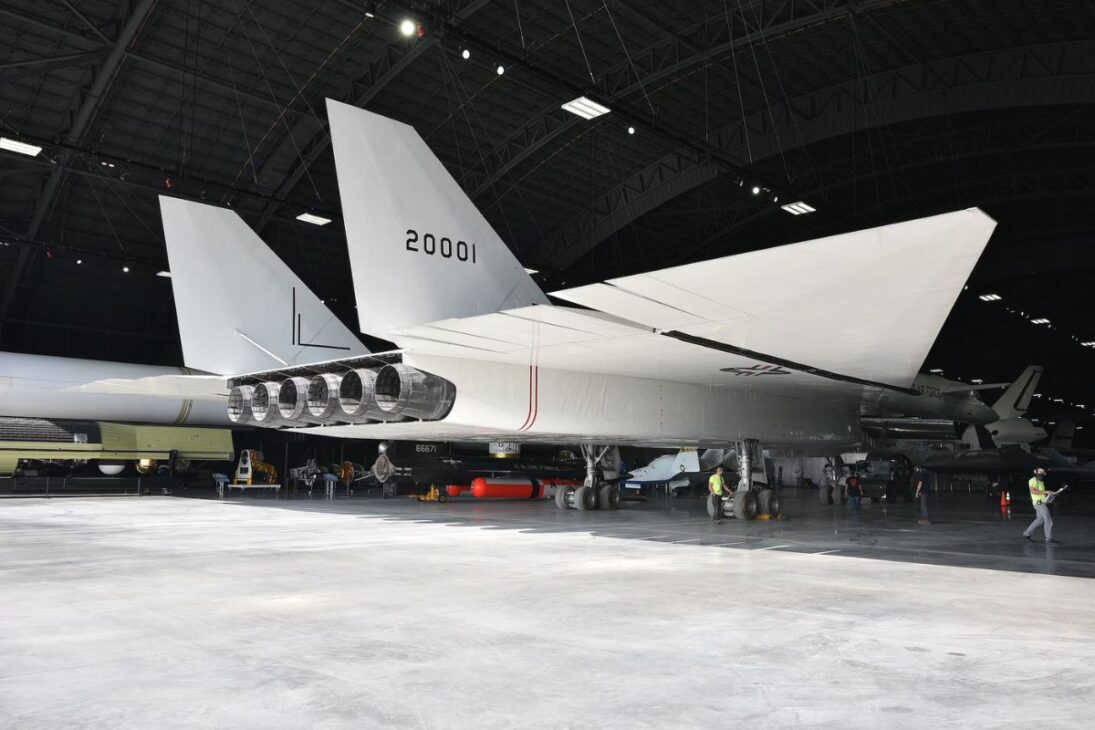
Despite its short life, the Valkyrie faced a tragedy in 1966 when the second prototype collided with an F-104 fighter during a photo shoot flight, resulting in the death of two pilots and the loss of the aircraft. The first prototype continued flying in test missions until 1969, when it made its last flight to the National Museum of the United States Air Force, where it remains on display today.
Although it was never made operational, the fastest bomber in the world was not a failure. The data collected during its flights were essential for the development of other iconic aircraft, such as the B-1 Lancer bomber, the Concorde passenger airplane, and the legendary SR-71 Blackbird spy plane. The XB-70 Valkyrie became a monument to the technological optimism of its era, a flying laboratory that helped shape the future of supersonic aviation.
What do you think? Did the USA make the right decision by canceling the XB-70, or did the world lose the chance to see the fastest bomber in the world in action? Leave your opinion in the comments.






Seja o primeiro a reagir!