





 Portuguese
  English
  Spanish
  2 min of reading
  0 comments



Holes And Cracks In Asphalt May Be Numbered. A UK-Developed Innovation Uses Graphene — A Material 200 Times Stronger Than Steel — To Create More Durable And Flexible Pavements Capable Of Withstanding Temperature Variations And Heavy Traffic Without Degrading Quickly
Holes in the streets are a universal problem that affects drivers all over the world. However, a new British technology may represent the end of this hassle. The secret lies in a material reinforced with graphene, one of the strongest substances known to science.
Technology Tested On British Roads
In the UK, the new type of asphalt has shown very promising results compared to the traditional model.
According to a report by the BBC, a local council stated that it was “very encouraged” by the material’s performance after the initial tests were conducted.
-
Sixteen years after the largest environmental disaster in oil history, BP has just received approval to open its first new field in the Gulf of Mexico, and the 10 billion barrels are 10 kilometers below sea level.

-
It shouldn’t exist — but it’s there: James Webb telescope captures impossible atmosphere on giant exoplanet that challenges all known astrophysics.

-
An Italian company has created an underwater drone that lives on the ocean floor for 12 consecutive months without returning to the surface, and the embedded artificial intelligence allows it to inspect and repair oil pipelines on its own.

-
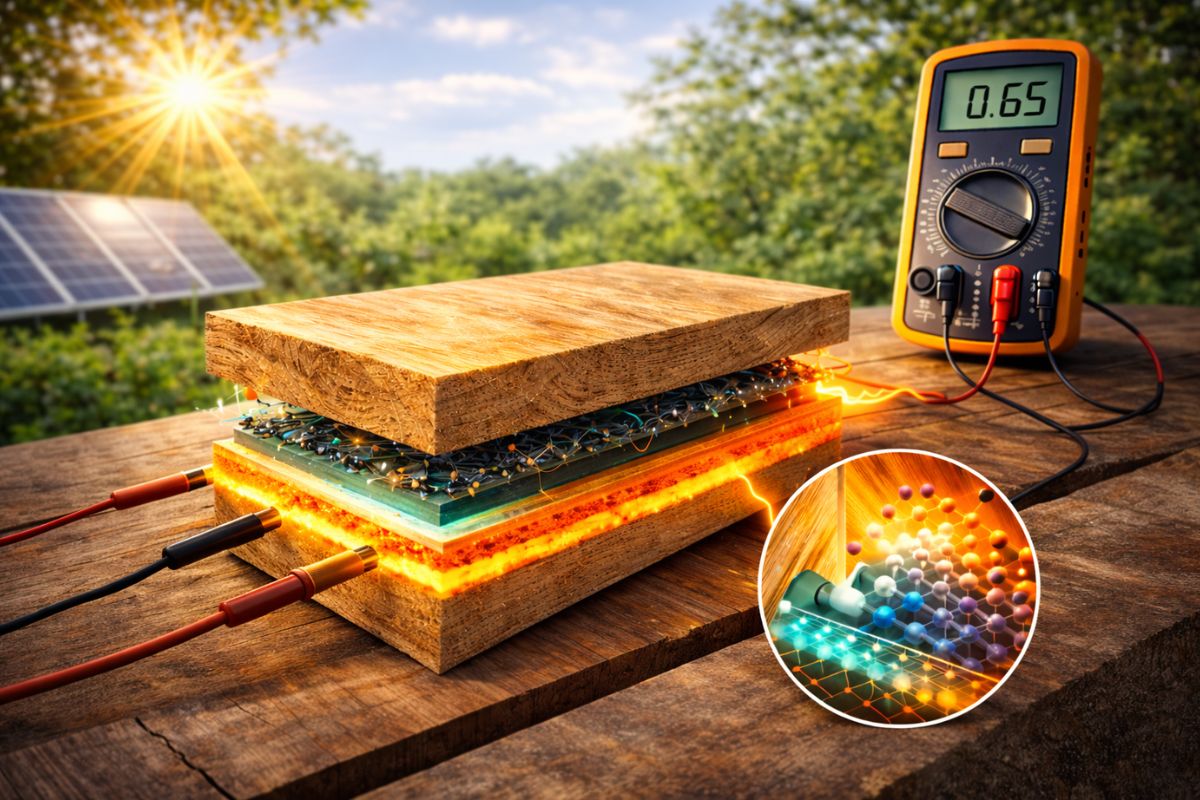
Engineered Madeira transforms light into heat and generates electricity even in the dark by redesigning the balsa internally with protected phosphorene and stearic acid, storing 175 kJ/kg, achieving 91% solar conversion and up to 0.65 V still.
Just like in Brazil, British roads consist of a mix of stones and bitumen. The difference now lies in the graphene reinforcement, which makes the pavement more resistant to temperature variations and heavy traffic.
More Expensive Asphalt, But Much More Durable
In 2022, Essex Highways applied the graphene asphalt on the A1016 in Chelmsford. The material was developed by the British company Eurovia, which was looking for ways to enhance traditional pavement.
“When we found a graphene additive — a thin, strong, and flexible form of carbon — that we could mix with hot rolled asphalt, Essex Highways agreed to be the first to test it,” said the company’s director, Paul Goosey, in an interview with the BBC.
Despite the higher cost, the gain in durability is considerable. The BBC reports that the enhanced material costs £2.50 (about R$18.26) more per square meter than standard asphalt, but the expectation is that it will last much longer.
What Makes Graphene So Strong
According to Mundo Educação, graphene is obtained by extracting surface layers from graphite, a material abundant in nature.
It is considered the strongest material ever discovered, withstanding pressures of up to 130 gigapascals (130 × 10⁹ Pa).
This combination of lightness, flexibility, and strength makes graphene a potential ally for the future of roads worldwide.
With information from Correio Braziliense.






Seja o primeiro a reagir!