





 Portuguese
  English
  Spanish
  2 min of reading
  9 comments


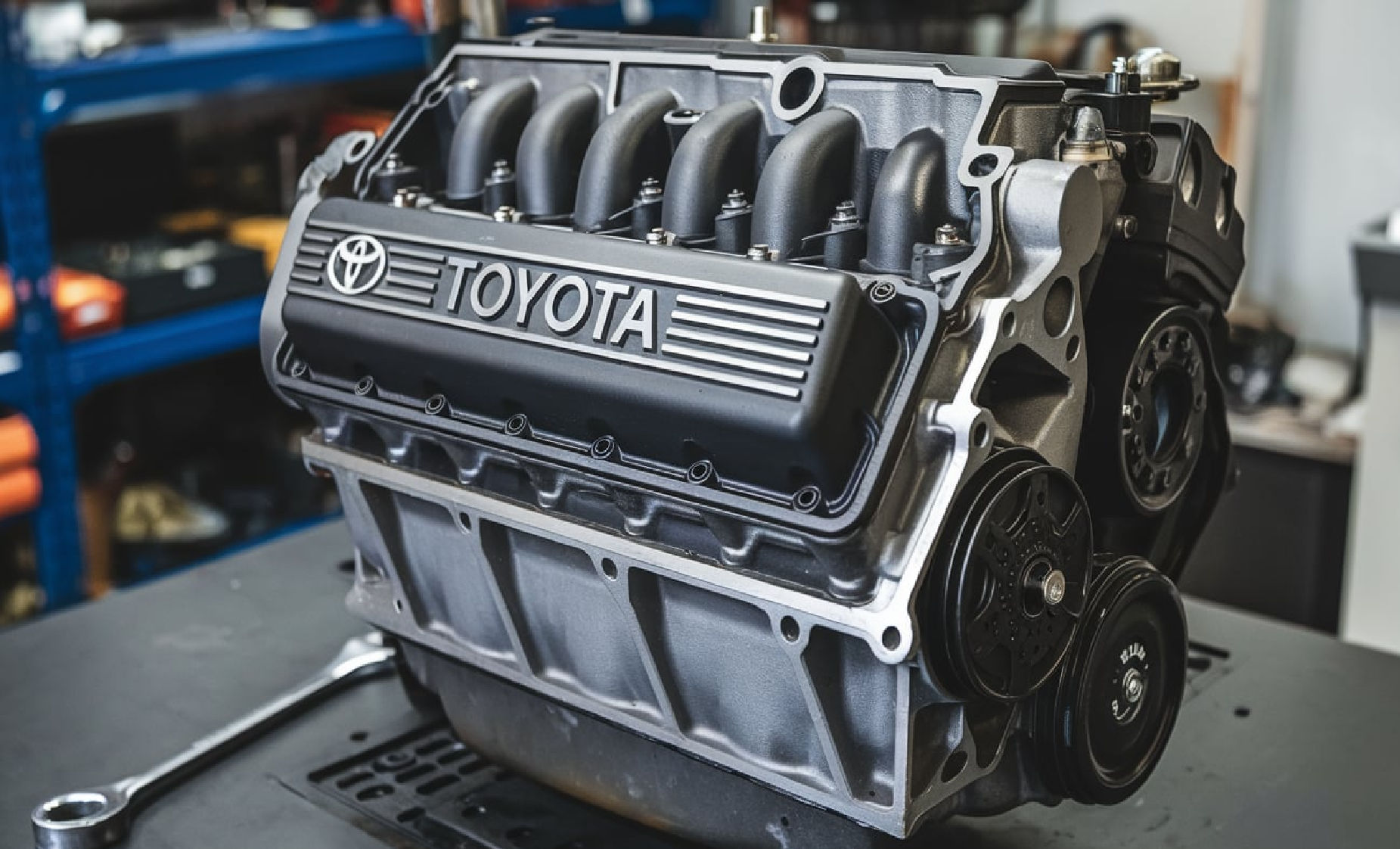


This Innovative Toyota Technology Seeks Carbon Neutrality and May Revolutionize the Automotive Market
Toyota is about to make a big turnaround in the automotive universe with the development of a new hybrid engine. The initiative comes at a time when the Japanese automaker, like Honda, shows skepticism about the exclusive future of 100% electric cars. According to recent rumors, Toyota’s technology promises to combine sustainability and efficiency, offering a viable alternative to the fully electric vehicle market, according to the website CanalTech.
Alternative Fuels and Carbon Neutrality
As a hybrid engine, the new Toyota project will feature a combustion engine allied with the electric system. The difference lies in the bet on alternative fuels to neutralize carbon emissions. Toyota is conducting tests with synthetic fuels and liquid hydrogen, in addition to conventional fossil fuels such as gasoline and diesel.
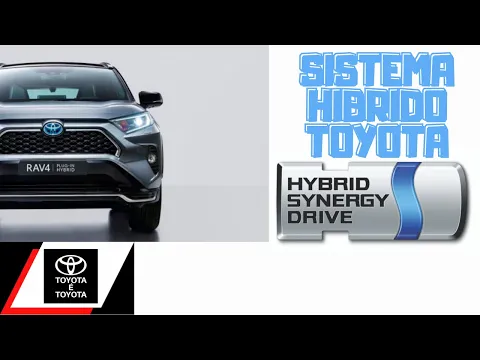

This advance puts Toyota ahead in complying with the new European emission laws, which will come into effect in 2028. Carbon neutrality, if achieved, may make the new engines a more viable eco-friendly alternative than purely electric cars.
-
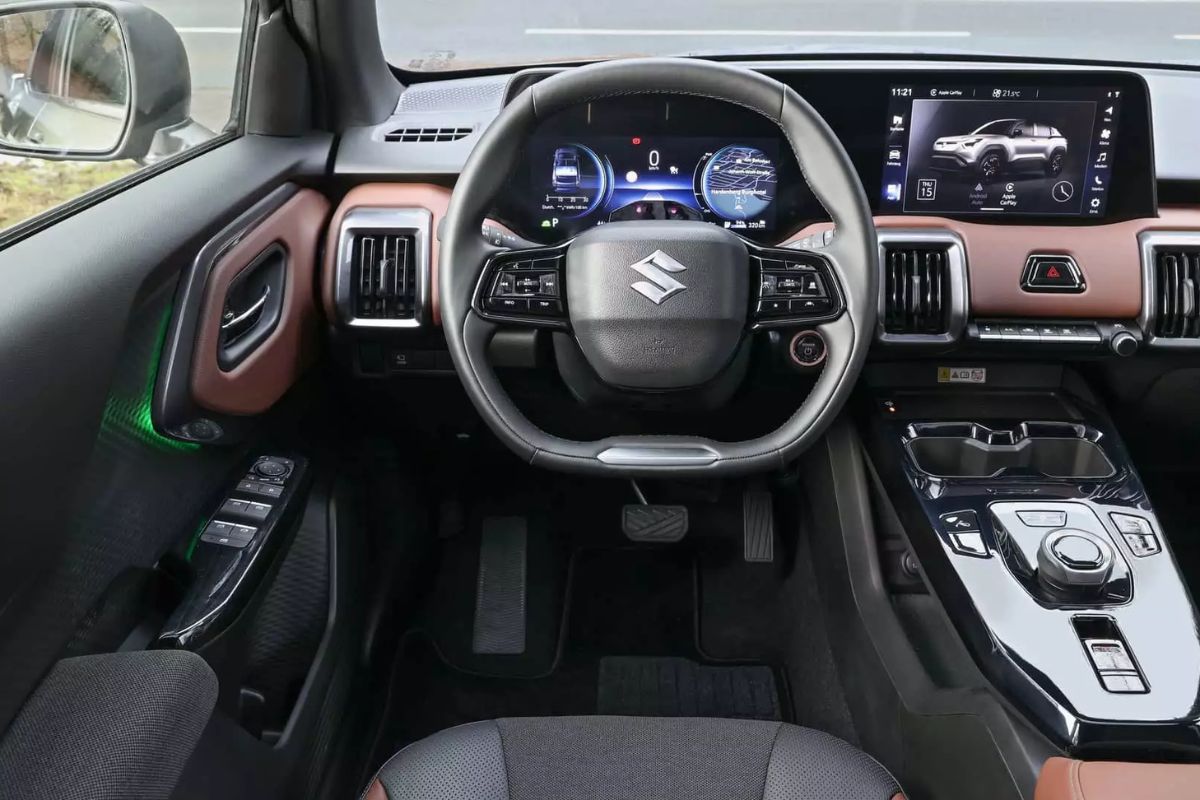
The 2026 electric Vitara arrives in Brazil and proves that Suzuki is not leaving: 4×4 traction, 184 hp, 61 kWh LFP battery, 293 km range, R$ 259,000, and a trunk capacity of 224 L.
-
Hyundai has unveiled the Boulder, a square SUV with a body-on-frame design, 37-inch mud tires, and carriage-style doors that seems to be made to take on the Ford Bronco and the Scout Traveller in the United States.

-
The Toyota Hilux is R$ 75.5 thousand cheaper and bets on the 2.8 turbodiesel engine with up to 204 hp and 50.9 kgfm to catch up with the VW Saveiro, which leads with 4,472 sales.

-
The new Renault Koleos has a screen exclusively for the passenger that is invisible to the driver, heated rear seats, and 29 assistance systems, but its Chinese competitors cost R$ 40,000 less and deliver more power.
Partnership with Formula 1 Reinforces Innovation and Technology
One of the most interesting moves by Toyota is its recent approach to Formula 1, through a technical partnership with the Haas team. The top category of world motorsport is preparing to use carbon-neutral fuels starting in 2026, which may align with Toyota’s ambitions.
Although the Japanese automaker has no immediate plans to produce engines for F1, this collaboration suggests a clear direction toward sustainable fuels. This could accelerate the adoption of Toyota’s new hybrid engines, aligning the brand with global environmental demands.
Features of the New Engines and Technology
The hybrid engines from Toyota will be part of a new family of four-cylinder engines. Two main technology models have been confirmed: a 1.5 engine and another 2.0. These options ensure versatility and efficiency, competing directly with alternative technologies from other Japanese automakers.
While Mazda bets on rotary engines and Subaru maintains its tradition with boxer engines, Toyota focuses on offering efficient solutions that can be adapted to sustainable fuels. This strategy highlights the brand’s commitment to combining technological innovation with the pursuit of carbon neutrality.









Não é sobre tipo de carro, e sim sobre petróleo, nunca é sobre o que é melhor para os consumidores
O veículo é híbrido. Não o motor!
Os japoneses não dão tiro no escuro, os elétricos puros já morreram de novo, os híbridos com hidrogênio são o futuro.