





 Portuguese
  English
  Spanish
  5 min of reading
  0 comments


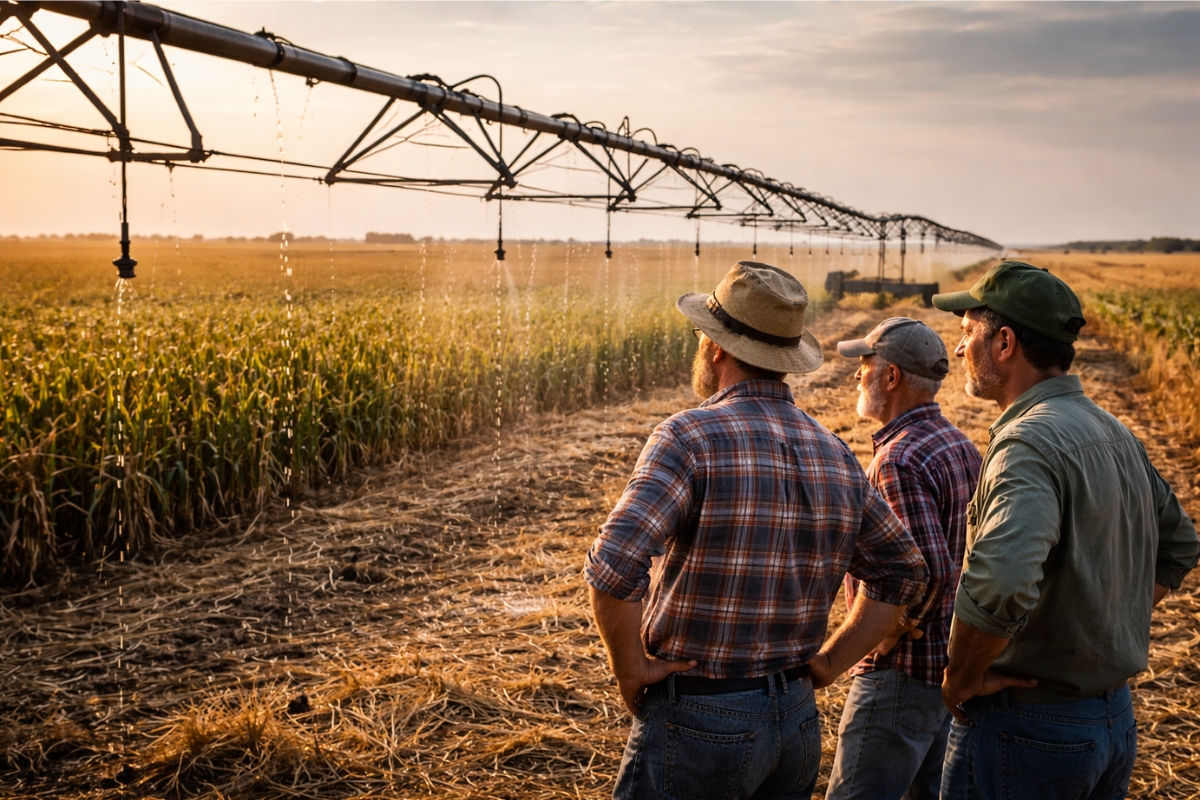
The Decline of the High Plains Aquifer Pressures Crops, Increases Pumping Costs, and Puts the Stability of One of the World’s Largest Agricultural Regions at Risk
The foundation of modern agriculture in the central United States relies on a resource that almost nobody sees. The High Plains Aquifer supplies farms, towns, and irrigation systems that keep crops productive even when rainfall fails.
The problem is that this underground reservoir is being drained faster than it can recover. As the level drops, the cost of extracting water increases, and entire areas may lose the ability to irrigate as before, directly affecting food production.
This change does not happen all at once, nor with obvious signs on the surface. The field may remain green for a time, but the risk grows when water stops arriving with the same intensity, and the agricultural model begins to operate at its limits.
-
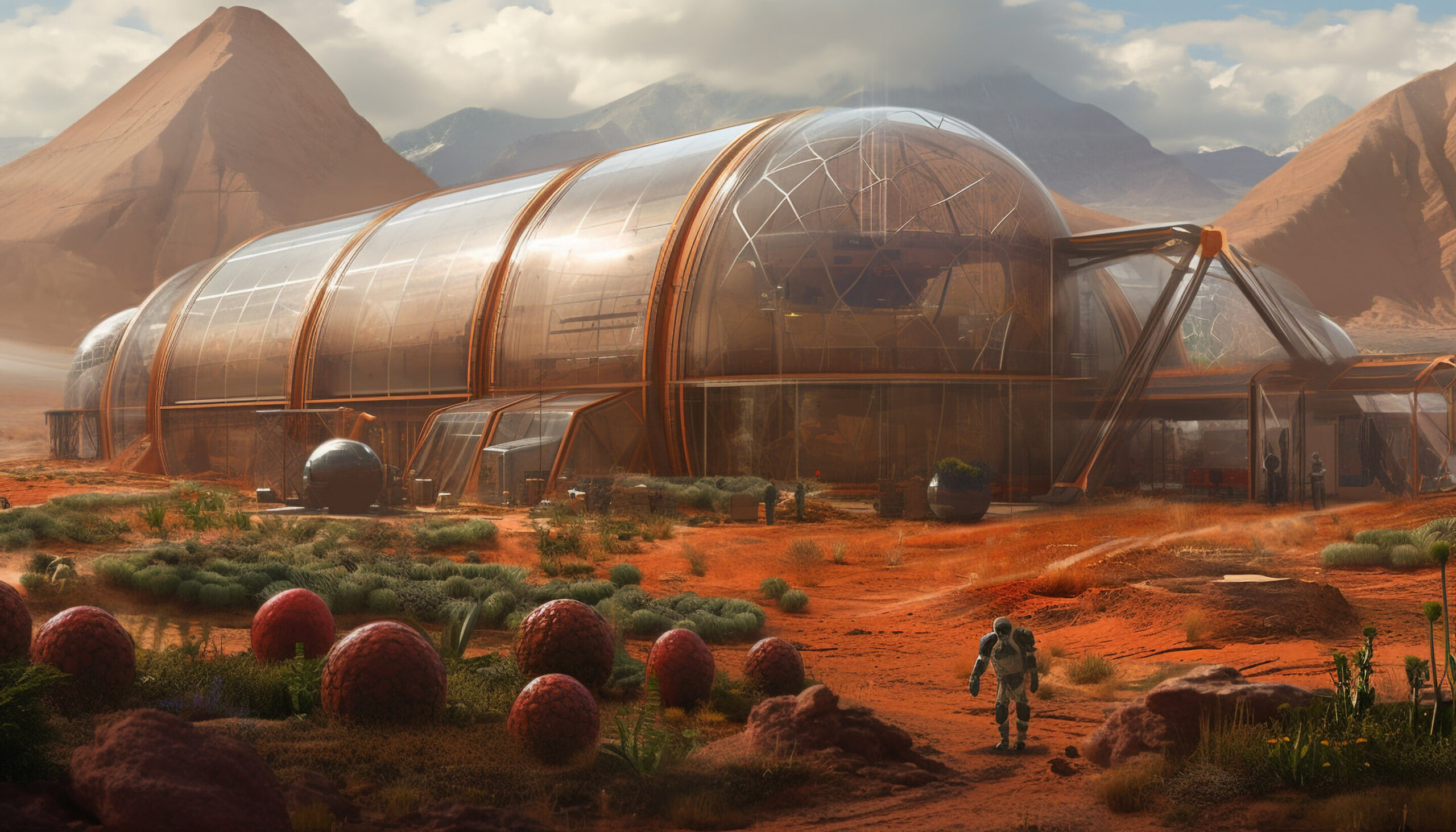
How the terraforming of Mars can transform the planet: artificial aerosols can increase the temperature by up to 35°C in 15 years, creating conditions for liquid water.
-
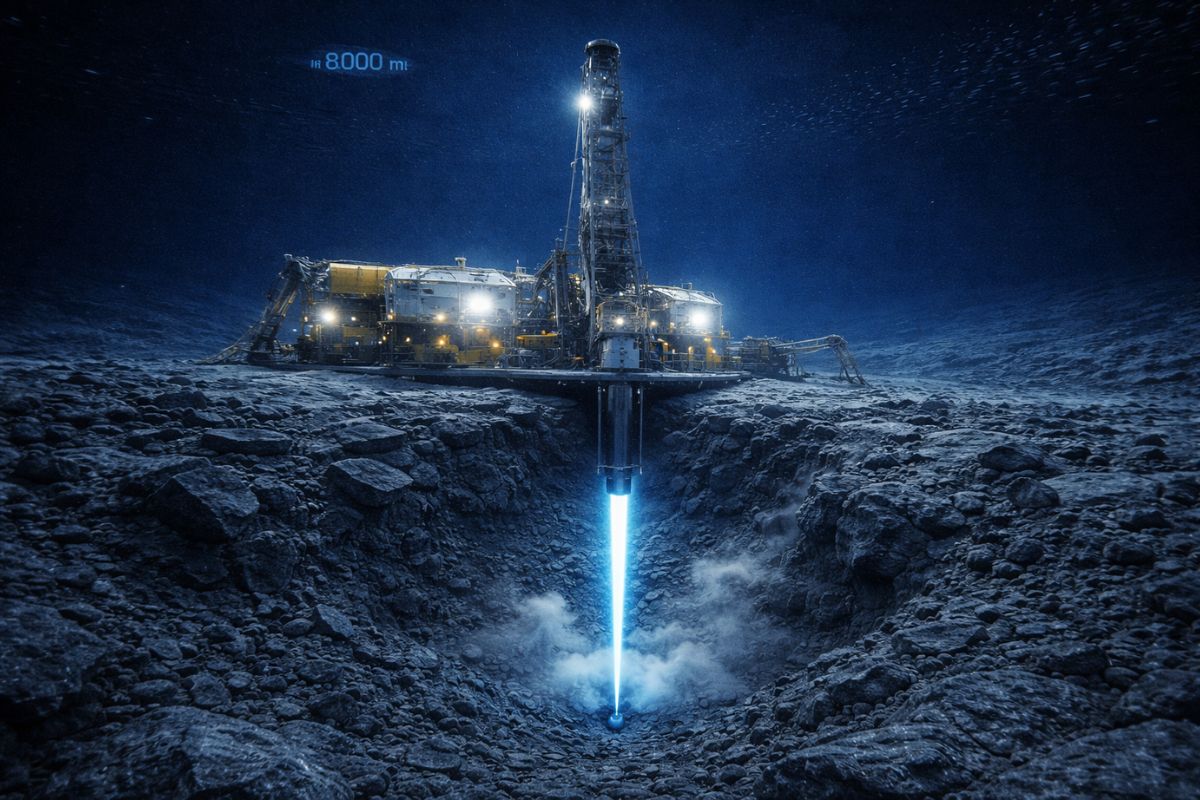
Scientists drilled nearly 8,000 meters into the ocean floor above the fault that caused the 2011 tsunami in Japan and discovered that a layer of clay 130 million years old was responsible for making the wave much worse than any model had predicted.
-
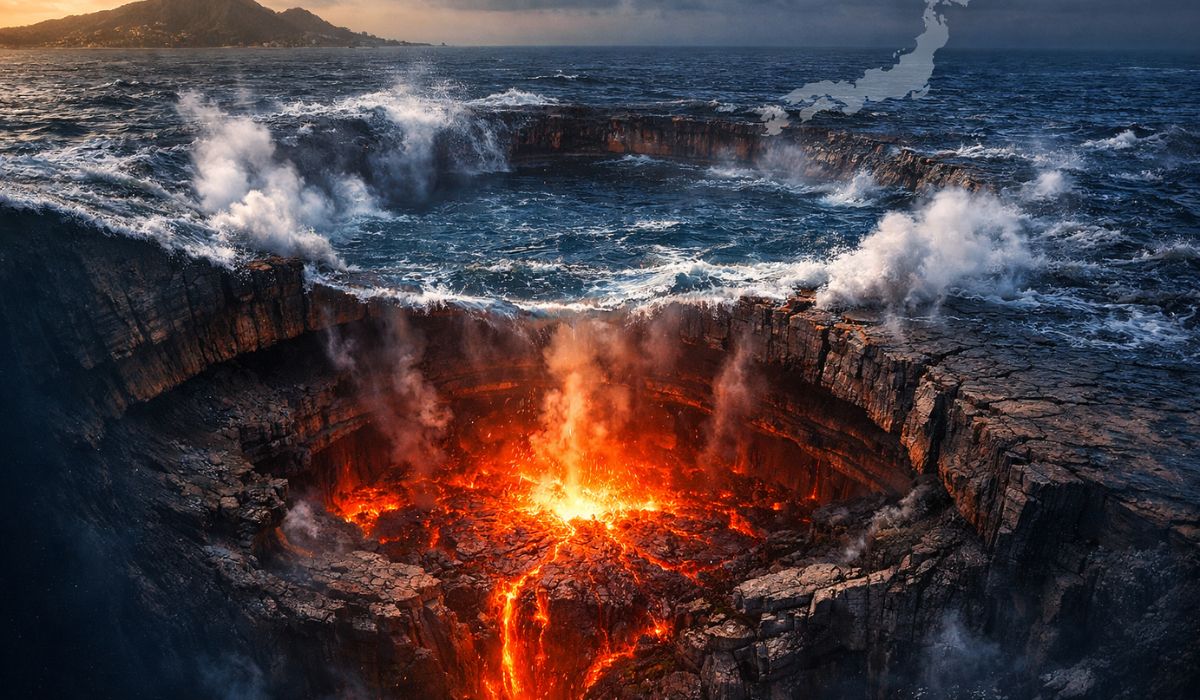
Thousands of years after causing the largest eruption of the Holocene, one of the world’s largest supervolcanoes is rebuilding itself beneath the sea south of Japan, receiving new magma and alarming scientists with its transformation.
-
China has activated a magnet 700,000 times more powerful than the Earth’s magnetic field that operates for over 200 consecutive hours while consuming little energy, and now the world wants to know what Beijing plans to do with this technology in 2026.

What Happened to the High Plains Aquifer and Why This Became an Agricultural Alert
The High Plains Aquifer is one of the largest groundwater systems in the United States, covering parts of eight states, from South Dakota to Texas. It has become essential because it supports irrigation in a region that concentrates large-scale production.
When modern irrigation expanded, the aquifer functioned as a significant buffer against lack of rainfall. Water pumped from the ground ensured more stable harvests and allowed naturally dry areas to maintain productivity for decades.
Over time, continuous withdrawal created an imbalance. The level began to drop in various areas, changing the dynamics of the field as access to water could no longer be guaranteed in many regions.
Why Water Withdrawal Exceeded Natural Recharge

An aquifer is not an open underground lake, but a set of layers of soil, sand, gravel, and rocks that store water in the pores. This water can be replenished, but the process is slow and depends on infiltration and recharge over time.
Agricultural pumping, on the other hand, is immediate and intense. With thousands of irrigation systems operating for long periods, withdrawal can exceed natural recharge, especially in areas where recharge is already limited.
This is the critical point of collapse: water leaves faster than it returns. The consequence appears as a chain reaction, with dropping levels, rising costs, and an increasing risk of well failures.
What Changes Practically When the Aquifer Level Begins to Dropping
When the level drops, the first change is technical and financial. Wells need to be deepened, pumps work harder, and the energy required to draw water increases, raising operational costs in the field.
Even with irrigation functioning, the safety margin decreases. In periods of heat or drought, pressure on the system grows, and the producer becomes increasingly dependent on a resource that is more expensive and less available.
In some areas, the impact may be direct on production. With less water, irrigation loses effectiveness, and planting may require adjustments, reducing yield potential and increasing risk in more difficult harvests.
Why Collapse Can Happen Without Clear Signs on the Surface
A drought is often visible, with rivers lowering and vegetation drying. The decline of an aquifer is different because the issue is below ground and can progress while crops still appear normal.
The field may remain green because pumping keeps the system functioning. However, this stability is temporary, as it depends on a reserve that diminishes with each season of intense use.
The most critical point arises when the well fails to deliver the necessary volume. At this moment, the impact is not gradual; it becomes a practical rupture, with insufficient irrigation and urgent decisions needed to maintain production.
Who Can Be Affected and Why This Affects Food Prices
The High Plains Aquifer sustains a region that supplies domestic markets and also influences global food chains. When water becomes scarcer, production can become less predictable and more expensive.
This pressures producer costs, increases the risk of losses during dry periods, and may reduce the capacity to maintain large irrigated areas. The effect spreads because agriculture is not an isolated sector; it feeds industries, logistics, and exports.
In the long term, water instability tends to reflect on supply, prices, and security of supply. Even those living far from the fields may feel the impact when production weakens, and costs rise.
What Can Happen from Now On with Irrigation in the Central United States
The most likely path involves adaptation. Irrigation may continue to exist, but with adjustments that reduce waste and limit dependence on constant extraction in more vulnerable areas.
The producer may be led to rethink practices and choose more efficient strategies to keep water available for longer periods. In some regions, the change might mean planting with less irrigation or seeking alternative management practices to reduce consumption.
The scenario also requires monitoring and planning because the decline of the aquifer does not affect the entire territory in the same way. Areas with higher usage pressure tend to feel the effects first, while others may maintain stability for longer.
The High Plains Aquifer has ceased to be just a silent resource and has become a decisive factor for the future of agriculture in the central United States. The decline in levels may not appear dramatically, but it is changing the field from within, increasing the cost of water access and reducing the safety margin for crops.
If this trend continues, the impact will extend beyond local production and may affect supply chains and prices. The groundwater that supported decades of agricultural expansion has now become a real limit, with direct effects on food stability both within and outside the country.










Seja o primeiro a reagir!