





 Portuguese
  English
  Spanish
  3 min of reading



The Ministry of Social Development Published an Ordinance in the Official Gazette of the Union on Thursday, 9, Reducing the Monthly Discount Limit of the Brazil Aid Contracted by Payroll Loan from 40% to 5%. According to Law 10,820, amended by Congress last year, this reduction was established.
The Ordinance Established that the loan contracts in question are now to be completed in a maximum of six installments with an interest rate not exceeding 2.5%. This measure replaces the previous regulation, which ensured payment in up to 24 installments and allowed a maximum interest rate of 3.5%, with 3.45% being the rate usually stipulated.
The Federal Supreme Court (STF) questioned the Brazil Aid loan authorized by the government of Jair Bolsonaro; however, Minister Nunes Marques did not grant the injunction, and the program remained in effect. The President of the Federal Savings Bank, Rita Serrano, suspended the granting of new payroll loans to Brazil Aid beneficiaries on January 12. Families who have already taken out the Brazil Aid payroll loan will not be affected by this change.
Payroll Loan of Bolsa Família with New Rules After Brazil Aid


The National Bank for Economic and Social Development (BNDES) Announced the Temporary Suspension of Nine Lines of Financing for the Agricultural Sector
The BNDES suspended nine lines of financing for agricultural projects on Monday, 6. However, two weeks prior, Lula announced that the institution would resume lending money for engineering projects in Cuba and Venezuela, which have already defaulted on other debts of the same type.
-
Unemployment rises again to 5.8% at the beginning of 2026, raising alarms about the end of temporary positions and its impact on the Brazilian job market.

-
Document organization can cut invisible costs in small businesses, a simple step that prevents waste, rework, and losses in daily operations.

-
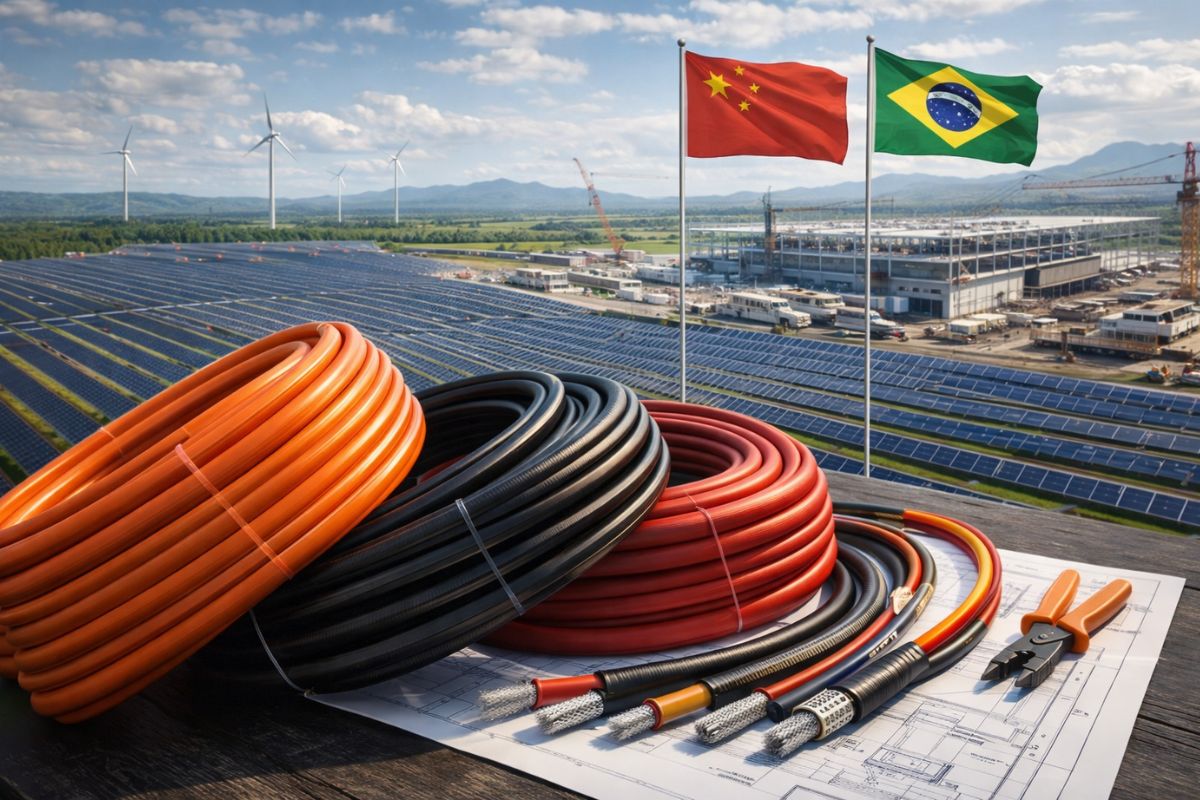
Chinese giant worth nearly R$ 4 billion that manufactures cables for electric cars, solar energy, and robotics wants to open a factory in SC.
-
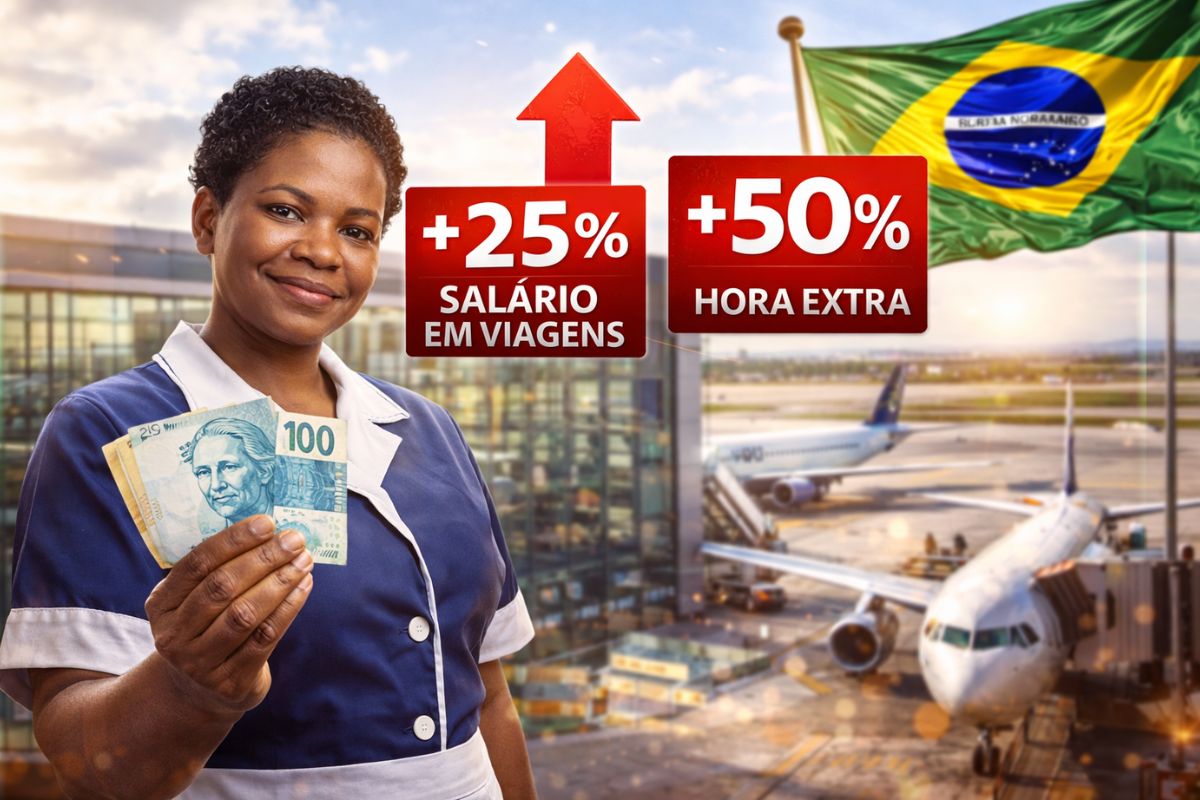
Many employers do not know, but the law guarantees domestic workers a 25% increase in salary during trips, 50% for overtime, 20% for night shifts, and 17 additional benefits that can lead to labor lawsuits if not paid.

According to data released by the BNDES, Cuba and Venezuela are among the most indebted countries. The projects financed by these loans funneled resources to companies involved in corruption scandals, such as Odebrecht, Camargo Corrêa, and OAS. These cases of misappropriation of resources led to a severe impact on the economy of these countries.
According to the newspaper Valor Econômico, the Business Credit Program for Agricultural Costs, the Investment Lines of the National Program for Strengthening Family Farming, the Pronaf Investment Financing Line aimed at the isolated acquisition of breeding stock, service animals, semen, eggs, and embryos, and the Pronaf Investment Financing Line aimed at the acquisition of tractors and associated implements, harvesters and their cutting platforms, as well as agricultural machinery for spraying and fertilization, are some of the programs available.
Additionally, there are other programs such as the Investment Line of the National Program for Support to the Medium Rural Producer; the Program for Adaptation to Climate Change and Low Carbon Emission in Agriculture (ABC+ Program) exclusively concerning the ABC+ Recovery Lines, ABC+ Organic, ABC+ Direct Planting, ABC+ Integration, ABC+ Forests, ABC+ Waste Management, ABC+ Palm Oil, ABC+ Bioinputs, and ABC+ Soil Management; the Program for Construction and Expansion of Warehouses (PCA); the Financing Program for Irrigated Agriculture and Protected Cultivation; and the Capitalization Program for Agricultural Cooperatives.










Seja o primeiro a reagir!