Portuguese
  Spanish


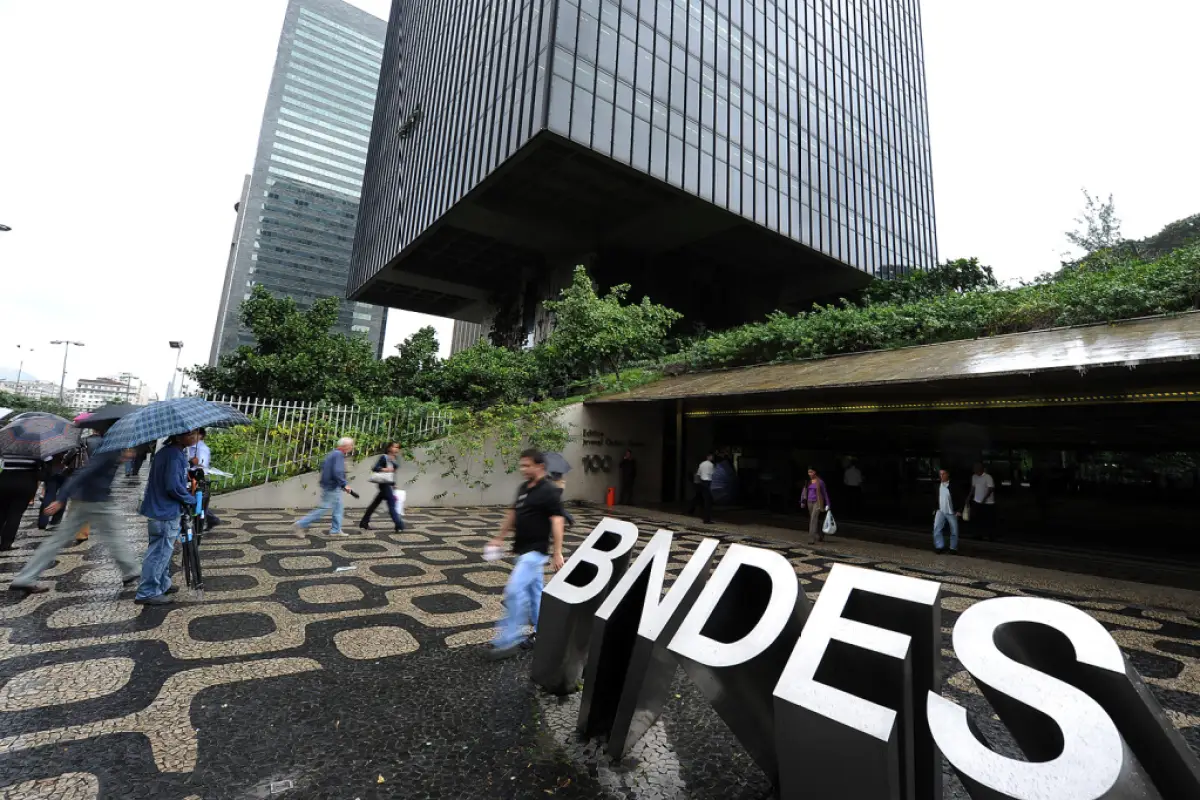

Venezuela And Cuba Still Owe Over US$529 Million To BNDES (National Bank For Economic And Social Development). This Amount, When Converted, Exceeds R$2.7 Billion. This Leads People To Think That Venezuela And Cuba Have Defaulted By Not Paying What They Took.
Initially, this amount represents about 25% of the total lent to these countries during the Lula And Dilma (PT) administrations. This data is available on the state bank’s website. However, even with the total having been paid, the two countries failed to settle their debts, leading BNDES to invoke contractual guarantees and also the national treasury to cover this shortfall.
Regarding the loan to Cuba, a document from (Camex) The Chamber Of Foreign Trade Was Released During President Jair Bolsonaro’s (PL) Term. The Document States That The Federal Government Accepted “Cuban Cigars” As Collateral For The Loan, Which Helped Construct The Port Of Mariel. According To Data From BNDES, Of The US$656 Million Lent To Cuba, Over US$407 Million Is Still Pending.
In fact, there Are 214 Installments In Arrears That Were Indemnified By The FGE (Export Guarantee Fund). This Is Funded By The Treasury, And 13 Still Need To Pay. In The Case Of Venezuela, The Outstanding Debt Is Less Than That Of Cuba, With US$122 Million Total Converted To US$1.5 Billion. Thus, There Were 641 Installments Indemnified To BNDES By The FGE, And Brazilian Taxpayers Covered 41 For Indemnification.
-
The Arctic is no longer just a frozen region and is becoming a new military board with the opening of maritime routes, expansion of bases, nuclear icebreakers, and competition among Russia, NATO, the United States, and China.

-
U.S. Dismisses Brazilian Foreign Ministry’s Military Risk Warning as “Absurd,” Cites Brazilian Criminal Gangs Operating in the U.S. Since May 2026
-
Ukraine War Impacts Brazilian Fuel Supply: Russian Diesel Imports Drop 65% in June, Brazil Turns to US and India Amid Market Concerns

-
Chinese Nuclear Submarine Launches Simulated Warhead Missile in Pacific, Heightening Regional Tensions Amid Naval Drills with Russia Near Qingdao; New Zealand and Papua New Guinea Warn of Persistent Chinese Military Presence



Since Then, These Loans Were Halted Shortly After The Corruption Scandals Revealed By The “Operation Car Wash.” However, They Are Set To Resume In 2023 With The Arrival Of Lula At The Planalto Palace. This Has Generated Concern Among Brazilian Citizens: Will There Be Sense And Responsibility This Time, Or Will Tobacco (Cigars) Be Accepted As Collateral For BNDES Loans? It Is Also Important To Remember That In 2004, Lula Forgave 95% Of Mozambique’s Debt. Will History Repeat Itself With Cuba And Venezuela? Recall This Story Of Mozambique.
Debt With Mozambique
In 2004, Lula Signed Off On A 95% Forgiveness Of Mozambique’s Debt With Brazil. In Total, Over US$315 Million Were Forgiven From A US$331 Million Debt. However, It Is Worth Noting That The Remaining US$16 Million Was Rescheduled, Meaning This Portion Was Pushed To The End Of The Payment Term. Thus, Were These US$16 Million Settled? Or Also Forgiven? Lastly, Besides Mozambique, In The Same Year, Lula Also Forgave Debts To Gabon, Bolivia, And Cape Verde, Totaling Over R$1.2 Billion Forgiven.