





 Portuguese
  English
  Spanish
  4 min of reading
  0 comments


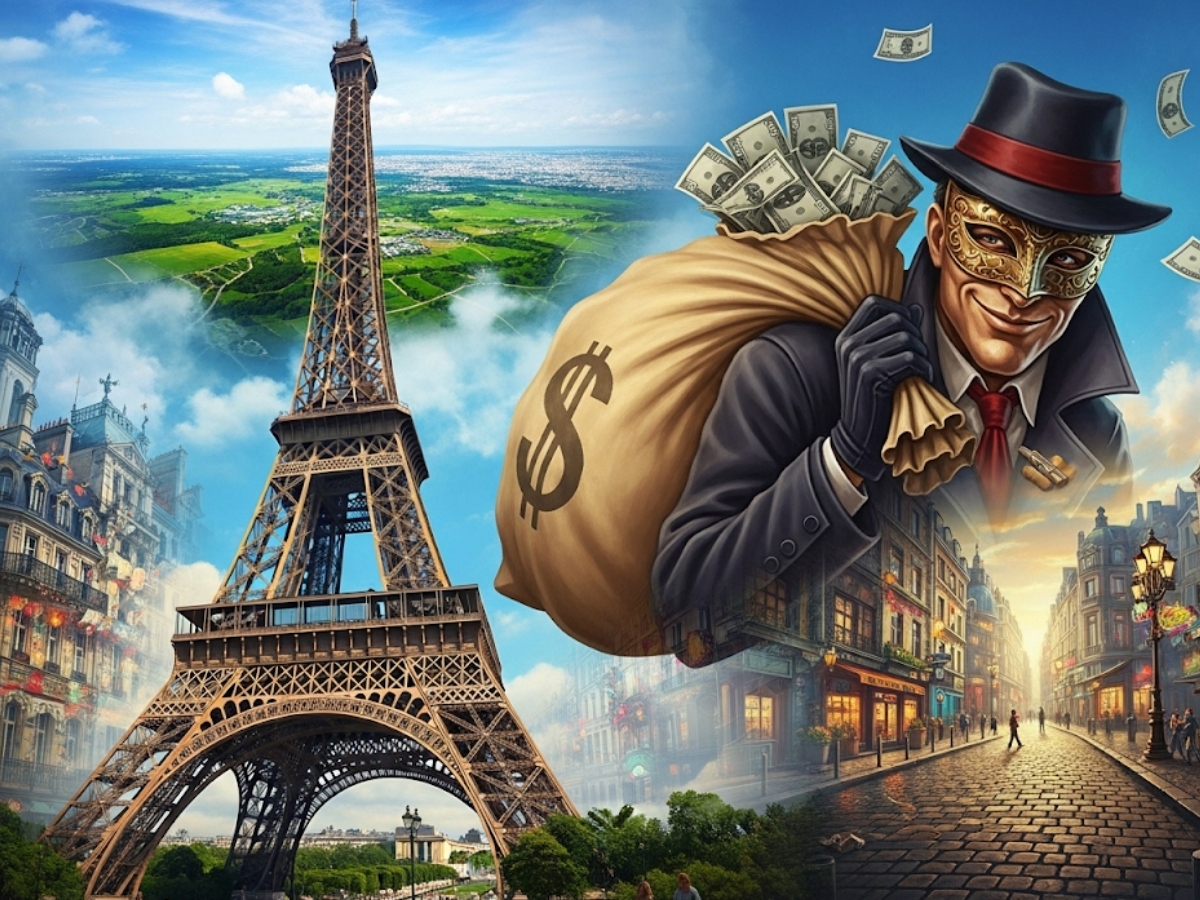
Meet The Saga Of Victor Lustig, The Charming Swindler And Master Of Fraud Who Became The Man Who Sold The Eiffel Tower As Scrap To Businessmen In Paris
This is the incredible story of the man who sold the Eiffel Tower, not just once, but twice (or almost). His criminal journey, marked by charm and cunning, reveals the vulnerabilities of human greed and gullibility.
The story of crime is full of audacious figures, but few compare to Victor Lustig, the master of fraud who pulled off one of the most unthinkable cons of the twentieth century. In 1925, he posed as a French government official and negotiated the sale of Paris’s greatest icon as if it were scrap metal.
Who Was Victor Lustig, The “Count Of Fraud” Who Deceived Even Al Capone?
Born in 1890 in Bohemia, then part of the Austro-Hungarian Empire, Victor Lustig showed early on a sharp intelligence and a talent for languages. After moving to Paris, he quickly traded petty thefts for more sophisticated cons. To lend credibility to his scams, Lustig adopted the persona of “Count Victor Lustig”, a charming and persuasive nobleman.
-
Heineken’s factory in Brazil produces 300 million beer cans in just 4 months, reaches 1 million hectoliters, received R$ 2.5 billion, and is already projecting an annual capacity of 5 million with sustainable technology.

-
Inside an active volcano in Africa, residents use volcanic rocks to build houses in an impressive setting.

-
After 14 years of waiting, a rammed earth mansion built in 1702 in the North Zone of São Paulo will become a park with leisure facilities and green areas, with a million-dollar investment.
-
With 2 unfinished nuclear reactors, up to 25 billion in costs, and proven fraud, the Nukegate case has left 800,000 consumers still paying today for energy that will never be produced.


His early cons took place aboard luxurious transatlantic ships, where he would deceive wealthy passengers with false investment schemes. Described as “as elusive as a puff of cigarette smoke,” Lustig relied solely on his wit and psychological manipulation, never resorting to violence.
Paris In 1925 And An Eiffel Tower At Stake
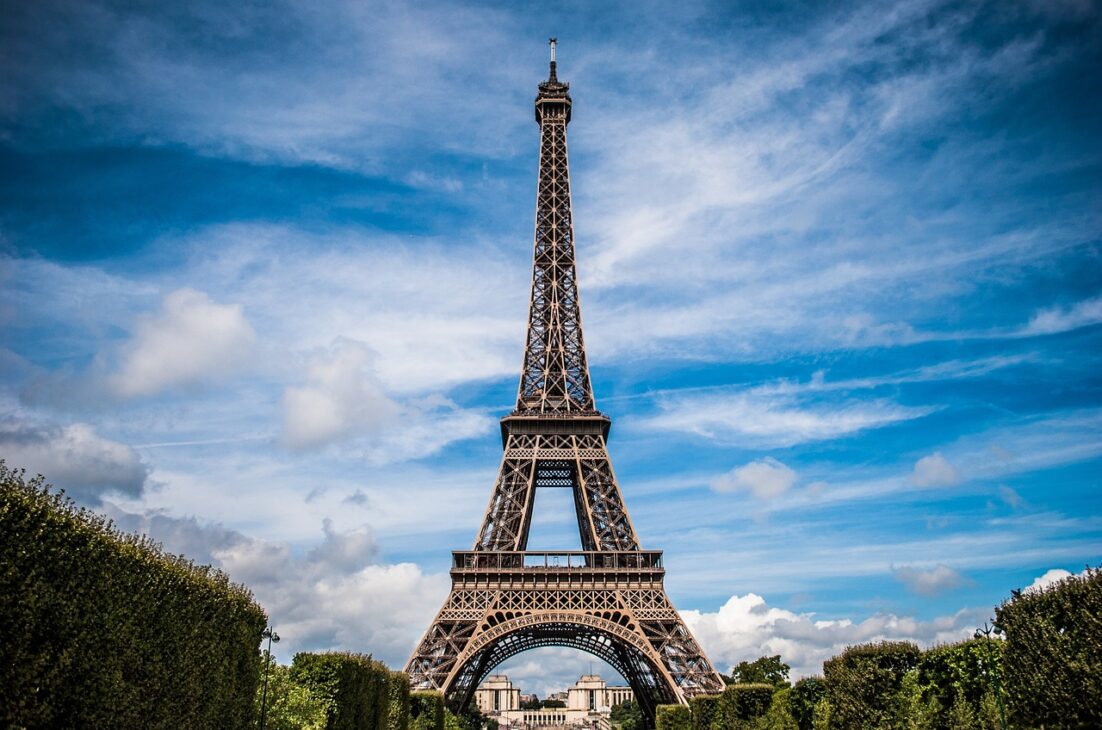
In the aftermath of World War I, the Paris of the “Roaring Twenties” lived in a mix of optimism and economic struggles. The Eiffel Tower, built as a temporary structure for the 1889 Exposition Universelle, was viewed by some as an expensive relic with costly maintenance.
The public opinion was divided about the future of the monument, with some voices suggesting its dismantling. It was in this context of uncertainty that Lustig found the perfect opportunity, having read a newspaper article discussing the problems and high costs associated with the tower.
How Lustig Became The Man Who Sold The Eiffel Tower
Assuming the identity of Deputy Director-General of the Ministry of Posts and Telegraphs (the agency responsible for the tower at the time), Lustig used forged documents to call a secret meeting with the top scrap dealers in Paris at the luxurious Hôtel de Crillon. There, he explained that the government had decided, secretly, to sell the 7,000 tons of metal from the Eiffel Tower.
He emphasized the need for discretion to avoid a public outcry. To seal the deal, Lustig identified the most insecure and ambitious dealer, André Poisson. In a brilliant maneuver, Lustig “confessed” to being a corrupt official and asked for a bribe, which paradoxically made the deal more credible to Poisson. The dealer paid a substantial sum, and Lustig fled to Vienna with the money.
The Second Attempt And The Legacy Of A Legendary Swindler
Encouraged by Poisson’s silence, who was too embarrassed to report the fraud, Lustig returned to Paris a month later. With remarkable audacity, he attempted to pull off the exact same con on a new group of scrap dealers. This time, however, one of the victims got suspicious and contacted the police before any money was exchanged.
The man who sold the Eiffel Tower was forced to flee to the United States to escape prison. His story became a legend, a testament to his incredible ability to “sell the impossible.”
Other Frauds, Arrest And The End Of The Master Of Deception
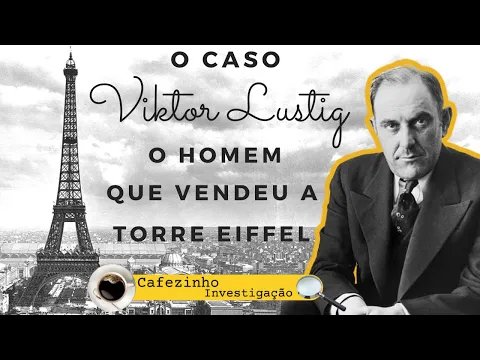

The “sale” of the Eiffel Tower was his most famous feat, but not the only one. Lustig became notorious for the “Romanian Box” fraud, a supposed money-doubling machine. In another display of audacity, he managed to obtain US$5,000 from the gangster Al Capone, not through a direct con, but by feigning honesty in a fake deal that “failed.”
His end came with involvement in large-scale counterfeiting operations, which attracted the relentless attention of the U.S. Secret Service. Arrested in 1935, Lustig still staged a spectacular escape but was recaptured. He was sentenced to 20 years and died in Alcatraz prison in 1947, ending the career of one of the most skilled and notorious swindlers in history.





Seja o primeiro a reagir!