





 Portuguese
  English
  Spanish
  4 min of reading
  0 comments


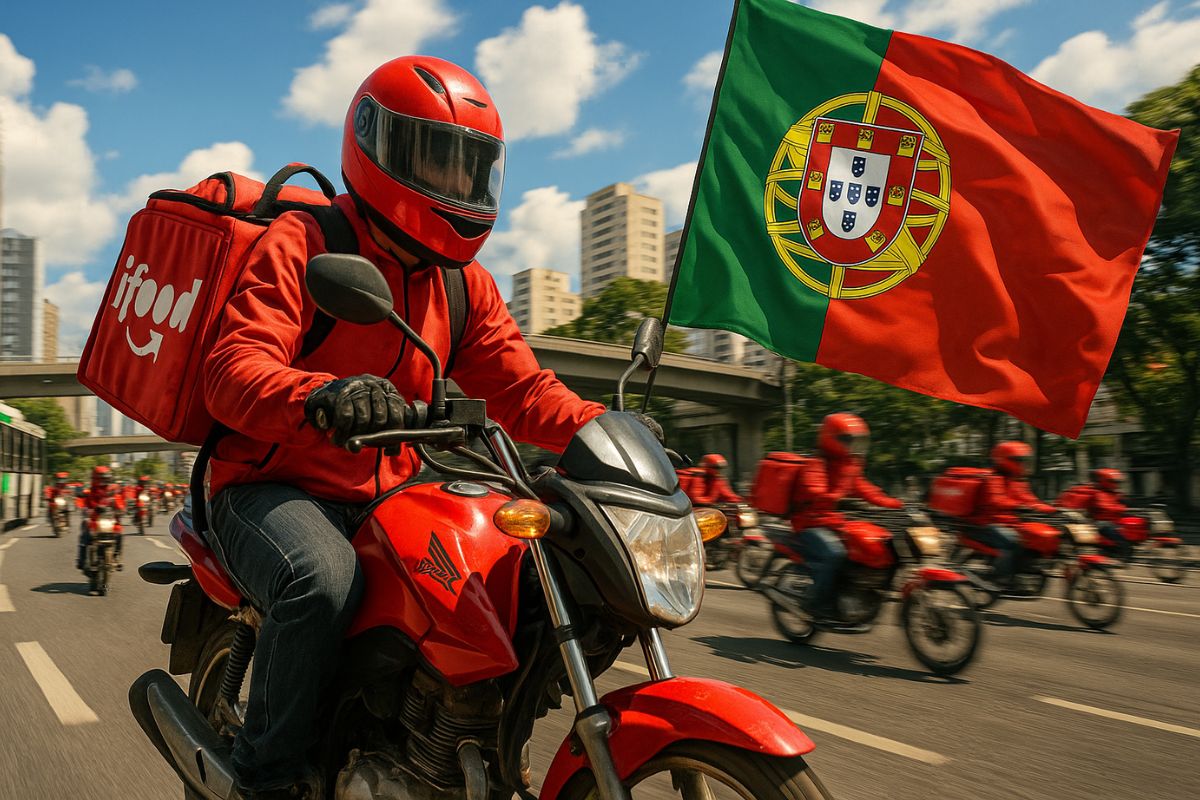
iFood in Brazil Surpasses 110 Million Monthly Orders, Nearly Ten Times the Population of Portugal, and Solidifies Its Absolute Dominance in the National Delivery Market
iFood in Brazil has reached a scale that impresses even developed economies. The delivery platform performs between 100 and 120 million deliveries per month, a volume that surpasses by almost ten times the total number of inhabitants of Portugal, which has about 10.7 million people.
This data reveals not only the size of the company but also the cultural transformation that digital consumption has triggered in the country. Delivery has ceased to be an exception and has become routine, boosting an economic chain that ranges from small neighborhood restaurants to the financial and logistics sectors.
The Dimension of iFood in Brazil
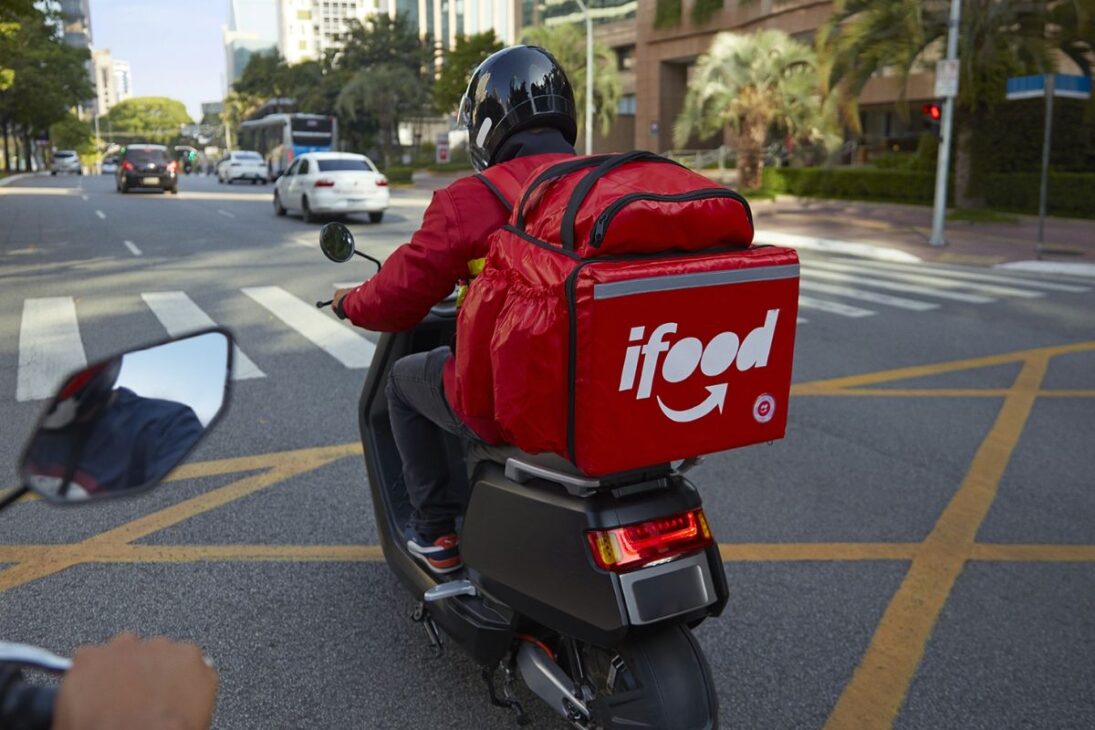
iFood ended 2024 with around 55 million active users, presence in over 1,500 cities, and an ecosystem of 380,000 partner establishments.
-
While restoring a historic mansion from 1910, a brick structure with an old turbine that generated energy from the Rio do Testo emerged, along with a hidden door and a rare floor concealed under layers of wax.

-
Italian researchers have detected what appears to be a second Sphinx buried under the sands of Egypt, and satellite scans reveal a gigantic underground megastructure hidden beneath the Giza Plateau for over 3,000 years.

-
There are 4,223 drums and 1,343 metal boxes concreted with 50-centimeter walls that store the radioactive waste from Cesium-137 in the worst radiological accident in Brazil, just 23 kilometers from Goiânia, with environmental monitoring every three months.

-
Giant Roman treasure found at the bottom of Lake Neuchâtel in Switzerland reveals an advanced trade system, circulation of goods, and armed escort in the Roman Empire about two thousand years ago.


The operation mobilizes 360,000 active deliverers per month, generating R$ 140 billion annually, equivalent to 0.64% of Brazil’s GDP.
With this structure, the company dominates over 80% of the meal delivery market in the country, according to market data.
This concentration is so large that competition defense agencies have already investigated possible exclusivity practices with restaurants, a factor that helps explain why competitors like Uber Eats and 99 Food have left Brazil.
Comparison with Portugal
The comparison between iFood and Portugal helps to visualize the impact of the app on Brazilian daily life.
While the European country has just over 10.7 million inhabitants, iFood processes more than 110 million orders monthly.
This means that, in just one month, the platform handles the equivalent of ten times the population of Portugal in terms of deliveries.
The scale of the Brazilian app places it among the largest logistical systems in the world within the urban delivery segment.
The Invisible Engine of the Digital Economy
Behind the grand numbers is an invisible workforce: the deliverers. It is estimated that more than 750,000 people are registered on the platform, although only about 360,000 actively work each month.
This mass of workers is the link between the consumer and the restaurant, sustaining the functioning of one of the largest digital chains in the country.
However, the relationship with deliverers is marked by controversies.
Organizations and unions point to precarious conditions, variable compensation, and lack of formal labor rights, which has fueled debates about regulating the so-called “gig economy” in Brazil.
Partnerships and Strategic Expansion
To continue growing, iFood has been diversifying its activities.
The company has established partnerships with supermarkets, pharmacies, and convenience stores, in addition to launching iFood Pago, a financial solutions system geared towards deliverers and partner establishments.
In 2025, the company announced a partnership with Uber to integrate part of its delivery services, strengthening its presence in metropolitan areas and expanding its logistical base.
This strategy aims to transform iFood into a complete urban consumption and mobility ecosystem.
Sustainability and Technological Innovation
iFood is also trying to position itself as a leader in sustainability.
Among its goals is reducing plastic use in packaging and investing in non-polluting means of transportation, such as electric bicycles and clean energy-powered motorcycles.
The company also invests in artificial intelligence to optimize routes, predict demands, and reduce waste, which increases delivery efficiency and partner profitability.
These technological advancements reinforce the character of a “superapp” that iFood seeks to consolidate in the coming years.
The Cultural Force of Delivery
More than just a service, iFood has become a symbol of Brazilian urban life.
The habit of ordering food through the app has consolidated across all social classes and age groups, especially after the pandemic.
What was once an occasional comfort has become part of daily life, driving the digitalization of the food and services sector.
The brand also exerts cultural influence, appearing in memes, songs, and popular vocabulary.
The verb “to order an iFood” has become synonymous with delivery, showing how the company has transcended the economic field and entered the collective imagination.
The scale of iFood in Brazil illustrates an unprecedented economic and social phenomenon: a national app that processes more orders per month than the total number of inhabitants of an entire European country.
The accelerated growth of the platform has transformed the food sector, generated indirect jobs, and redefined consumption habits.









Seja o primeiro a reagir!