





 Portuguese
  English
  Spanish
  3 min of reading
  16 comments





Expert Graziele França Warns That Sin Tax Will Not Allow Tax Credits And Will Increase Costs For Entire Sectors
Starting on January 1, 2027, the Selective Tax (ST), popularly known as sin tax, will come into effect. This measure, outlined in the Tax Reform, will be levied on vehicles, alcoholic and sugary beverages, tobacco products, minerals, and even gambling, raising the tax burden on these sectors.
According to Tax Reform expert Graziele França, the new tax will not allow for tax credit utilization, which means higher costs for companies and a direct impact on prices and profit margins.
The sin tax will have a single incidence, will be administered by the Federal Revenue Service, and will be based on the codes of the Common Nomenclature of Mercosur (NCM) listed in annex 17 of the Complementary Law 214/2025.
-
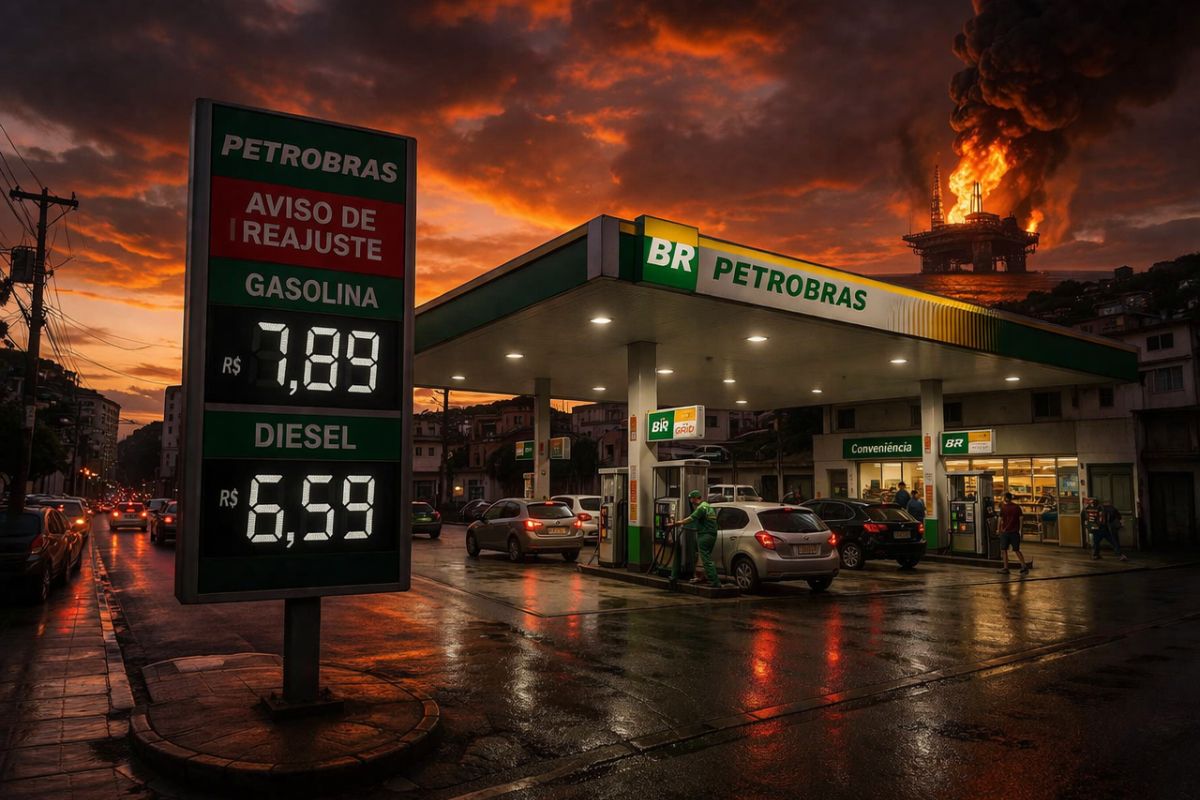
Oil surged to $115 a barrel due to the war in the Middle East, and diesel in Brazil has already risen to R$ 7.45 per liter, while the United States…
-
Brazilian city bets on the business environment to generate jobs and attract investments in the energy sector — secretary reveals strategy at Macaé Energy 2026.

-
50 viaducts, 4 tunnels, 28 bridges, and 40 kilometers of bike paths: BR-262 in Espírito Santo will receive 8.6 billion reais for the largest engineering project in the state’s history, inspired by the Immigrant Highway in São Paulo.

-
Brazil produces too much clean energy and doesn’t know what to do with it: over 20% of solar and wind capacity was wasted in 2025 while investors flee and 509 renewable generation projects were abandoned in the last year.


The proposal aims to compensate for the harmful effects on health and the environment, but experts warn that the measure will require strong adaptation from companies.
What Will Be Taxed By The Sin Tax

According to Graziele França, the sin tax is designed to affect items considered harmful or high-impact on the environment.
Passenger vehicles (NCM 8703, 870421, 870431, and others) will be impacted, except for trucks and models intended for military or police use.
The rate may vary based on carbon emissions, power, energy efficiency, and type of technology embedded.
Aeronautics and vessels (NCM 8802 and 8903) are included in the list, excluding those for military or public safety use.
Tobacco products (NCM 2401 to 2404) will also be taxed, including tobacco, cigars, cheroots, electronic cigarettes, and any products with nicotine.
Beverages, Minerals, And Gambling Come Under Scrutiny
Another group affected by the sin tax will be alcoholic beverages, encompassing everything from beers and wines to spirits and liqueurs.
Sugary beverages, such as soft drinks and flavored waters, have also been included, aligning with public health policies aimed at reducing sugar consumption.
The mineral goods described in the annex of Complementary Law 214/2025 will be directly taxed, reinforcing the environmental concern of the measure.
In the entertainment sector, predictive contests and fantasy sports (gambling) have been added to the list of services subject to tax.
Rules For The Application Of The New Tax


Graziele França highlights three critical points: the tax will have a single incidence, with no right to tax credits in previous or later stages; the Federal Revenue Service will be responsible for enforcement; and the calculation base will follow the rules of IBS (Tax on Goods and Services) and CBS (Contribution on Goods and Services). This means that companies will not be able to offset paid amounts, increasing the burden of the tax on their operations.
This detail makes the sin tax different from other indirect taxes, as the collected amount does not generate future deductions.
For companies, the consequence is the need for immediate revision of tax registries, ERP systems, and compliance controls, avoiding undue collection or fines.
Impacts For Companies And Consumers
The sin tax will require companies to make strategic adjustments as early as 2025 and 2026.
It will be necessary to identify affected products, update management systems, and plan selling prices.
The absence of tax credits represents a direct loss of competitiveness, especially in mass consumption sectors like beverages and vehicles.
For the consumer, the trend is cost pass-through. Less efficient vehicles, alcoholic beverages, and tobacco products may become significantly more expensive, increasing the perception of the tax burden in everyday life.
And you, do you believe the sin tax will really help reduce environmental and public health impacts, or will it just be another form of revenue collection? Leave your opinion in the comments — we want to hear from those who live this in practice.








A intenção do governo é arrecadar não importa da onde venho só aumento pq os preços serão repassados ao consumidor ajudar os pobre?onde aumentar impostos .quanto menos dinheiro girar menos teremos ara gastar ou seja . O governo não tem produtividade mas trava td
.
Qualquer um com mínimo de neurônios sabe que o único que ganha com isso é o Estado. No fim, o cidadão comum está apenas tendo a corda ao pescoço mais apertada, e a desculpa é sempre a mesma.
Governo de ****!