





 Portuguese
  English
  Spanish
  3 min of reading
  0 comments


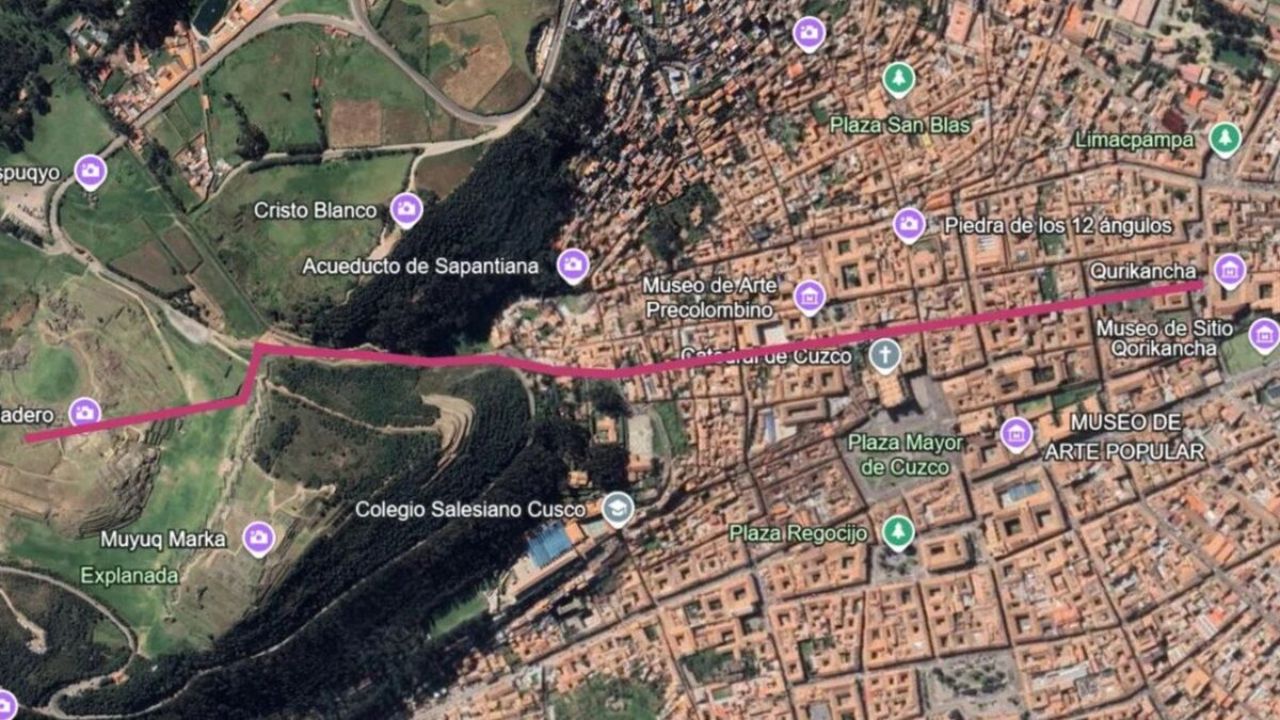
Subterranean Network Connects The Temple Of The Sun To Sacsahuaman And Other Historical Sites In Cusco, Revealing The Grandiosity Of The Incan Tunnels Preserved Beneath Colonial Buildings For Over 500 Years.
Under Cusco, the ancient capital of the Incan empire, archaeologists have discovered a true treasure: a tunnel system of 5,750 feet that connects emblematic and historical sites. These tunnels, known as “Chinkana” – which means maze – are leading researchers to rethink the grandeur of this empire.
Chinkana: The Maze Beneath Cusco
Cusco, in Peru, was the administrative, political, and military heart of the Incan empire, which stretched across much of South America between the 13th and 16th centuries. It was a vibrant city, filled with temples and citadels, a symbol of the greatness of an advanced civilization for its time.
Chinkana, which means “maze” in Quechua, is more than just a name. It represents the complex system of tunnels that connects strategic points in the ancient capital. For the Incas, these tunnels were likely both symbolic and functional passages, linking the sacred to the everyday.
-
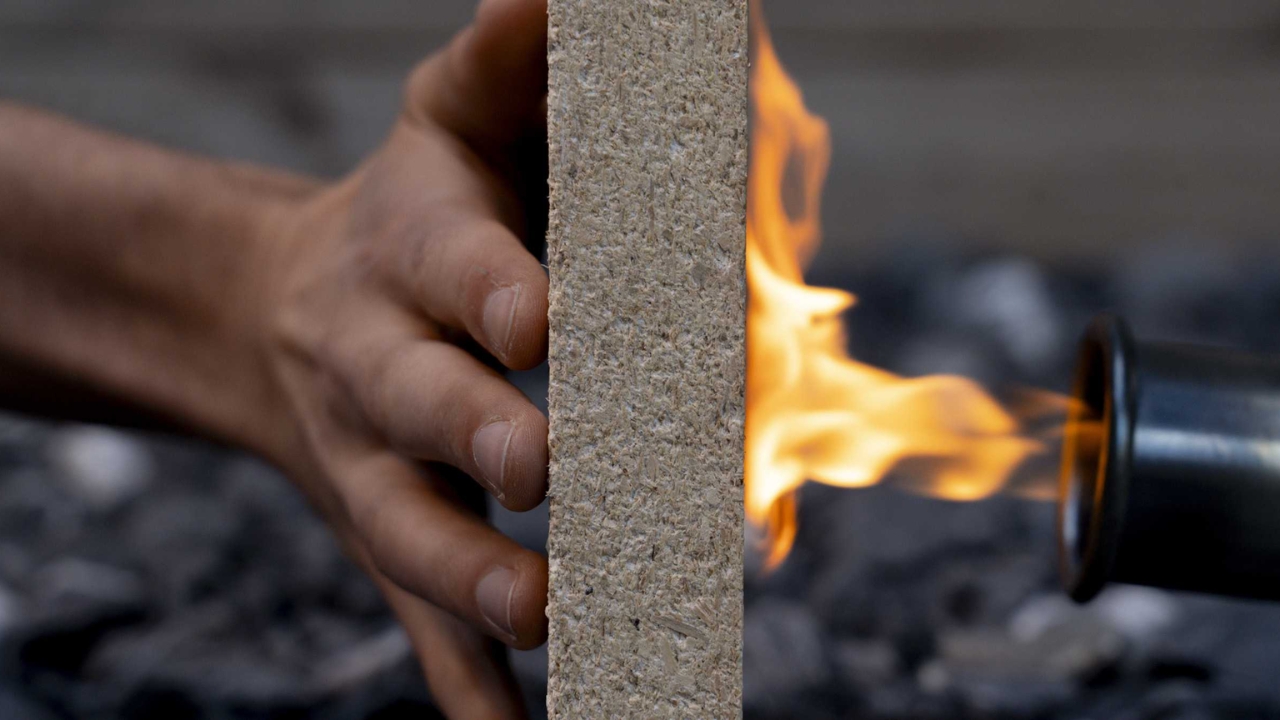
Scientists transform sawdust into fire-resistant panels, stabilize the compound with an enzyme extracted from watermelon seeds, and turn waste into promising material for construction.
-
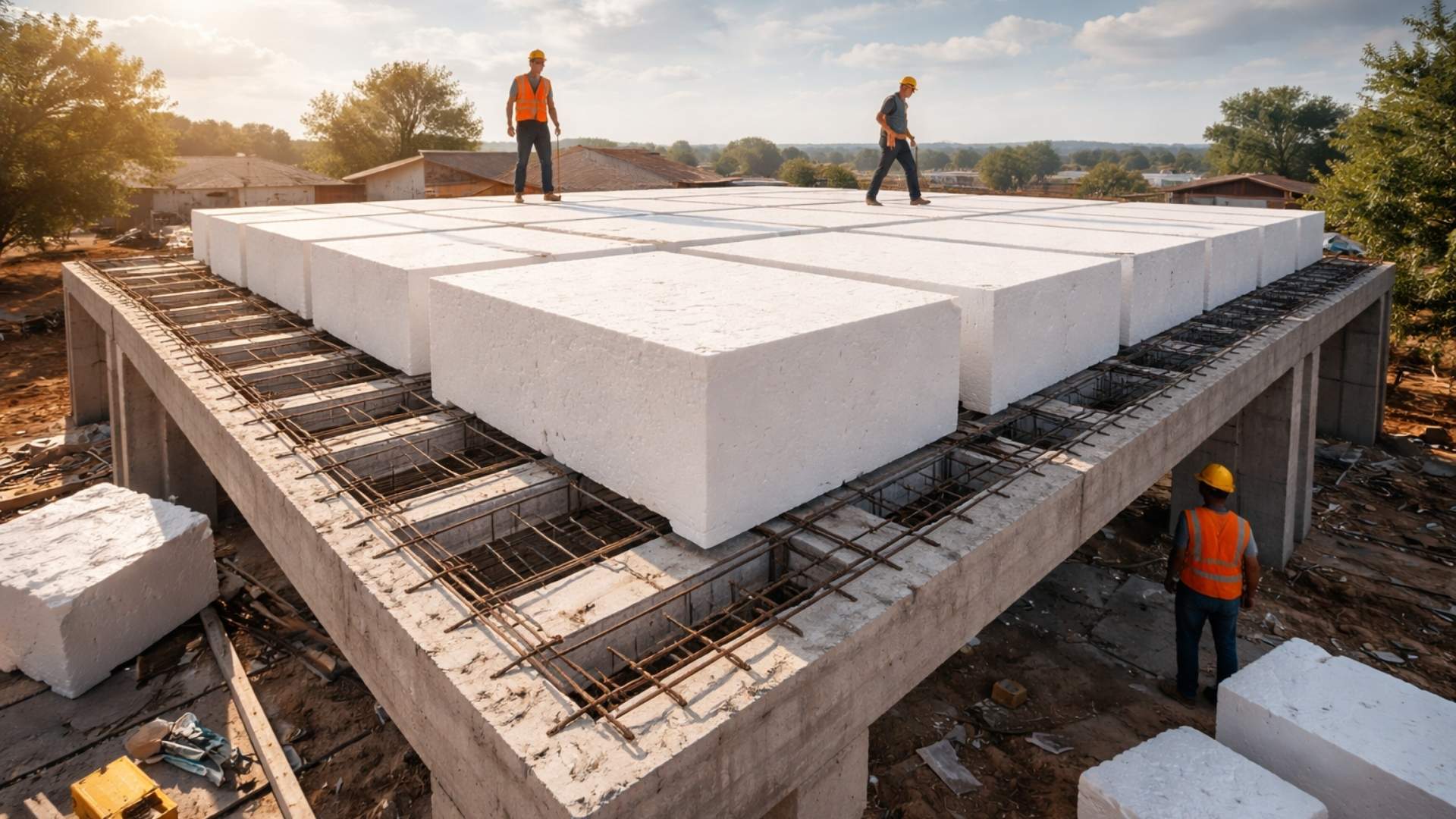
Forget concrete: architects are replacing tons of concrete with giant blocks of expanded polystyrene to build the roofs of houses and reduce structural weight by up to 50%, cut costs, improve thermal insulation, and speed up construction.
-
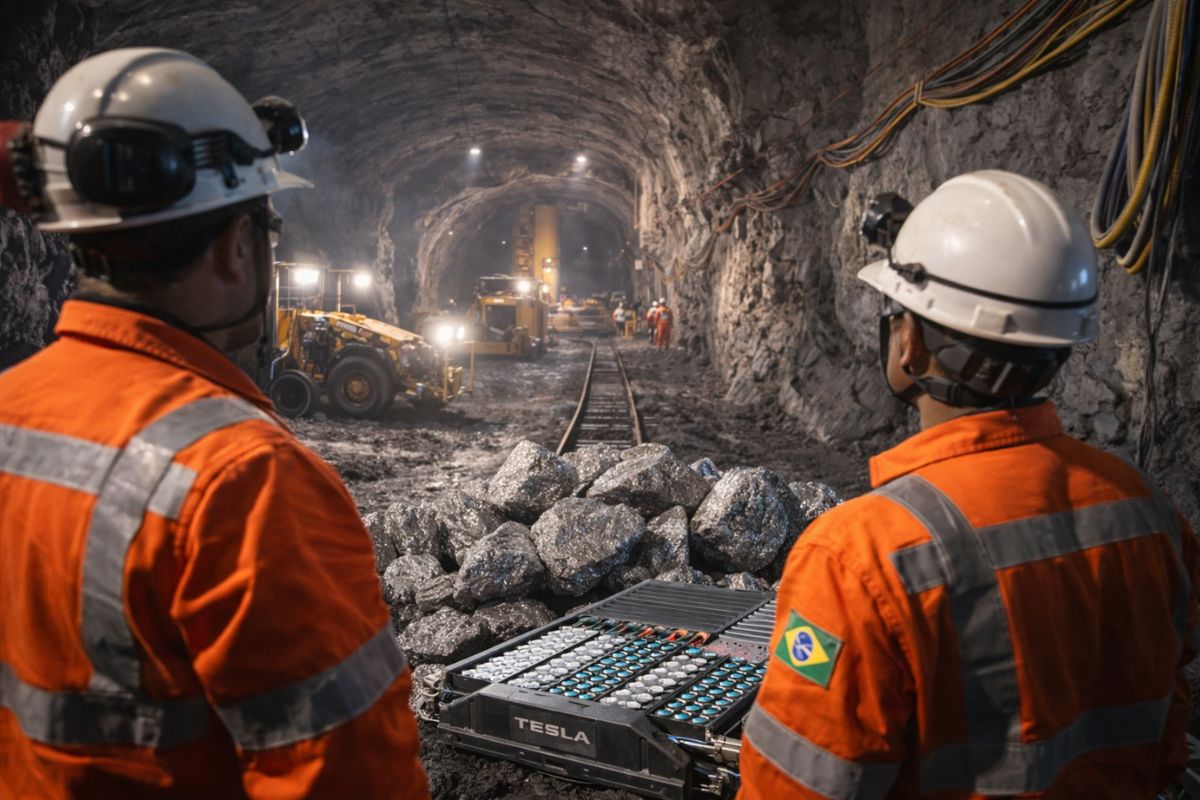
The Brazilian state enters the center of the global race for critical minerals by starting the construction of the largest underground nickel mine in Latin America, a mineral essential for electric car batteries that the entire world is competing for at this moment.
-
New CCR concrete paving technology promises roads up to 3x more durable, less maintenance, and cost reduction in Brazil.

The Discovery Of The Tunnel System
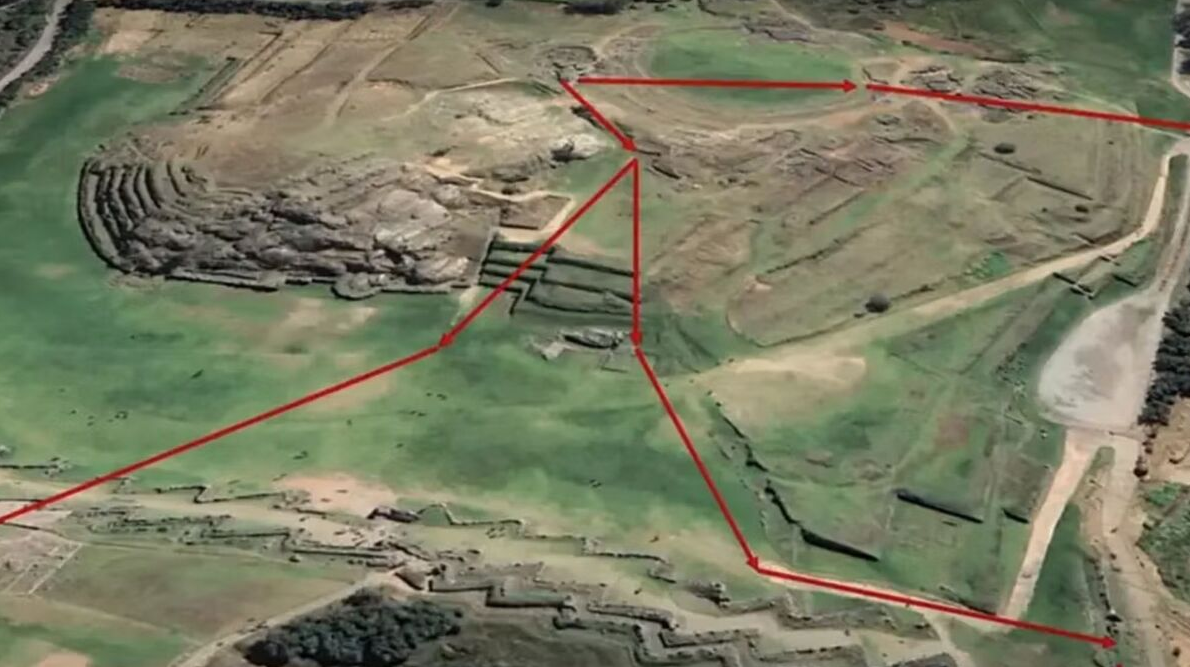
The discovery was not by chance. Archaeologists relied on documents from the 16th, 17th, and 18th centuries and used advanced technologies like ground-penetrating radar and acoustic prospecting. These tools helped identify the tunnels that start at the Rodadero sector of Cusco and lead toward the Choquechaca river, passing beneath the Inca Palace Colcampata.
The tunnels connect iconic sites, such as the Temple of the Sun, the most important in the empire, and Sacsahuaman, a citadel north of Cusco. This connection demonstrates the sophistication of the Incas in strategically integrating administrative and ceremonial spaces.
The Mysteries Of The Subterranean Maze
The maze has three main branches. One leads to Callispuquio, another to the Muyucmarca sector in Sacsahuaman, and the third passes behind the Church of San Cristóbal. These passages connected fundamental points for rituals and administration, showing the advanced vision of the Incas in engineering and spirituality.
Even with the construction of churches and colonial houses, such as the Temple of the Company of Jesus at the end of the 16th century, the tunnels remained intact. They stayed hidden, protecting secrets that are now beginning to be unveiled.
The Cultural And Archaeological Impact Of The Discovery
The tunnels reveal not only the technical mastery of the Incas but also their worldview. Connecting sacred and administrative sites reflects a deep integration between religion, politics, and engineering.
With this discovery, the city of Cusco becomes even more fascinating for archaeologists and tourists. Additional excavations are being planned to explore other possible tunnels and gain further understanding of Inca culture.






-

2 pessoas reagiram a isso.