





 Portuguese
  English
  Spanish
  3 min of reading
  24 comments





Lawyer Davi Jinto Barbosa Details Taxes, Notary Fees, and Minimum Fees of the OAB That Increase the Extrajudicial Inventory of a Property
The extrajudicial inventory of a property valued at R$ 400,000, conducted in São Paulo in 2024, generates a cost that can exceed R$ 28,000. According to lawyer Davi Jinto Barbosa, this amount includes public deed, ITCMD, property registration, and the minimum attorney fees required by the OAB.
In situations where the lawyer charges the 8% rate set by the table of the Order, the total amount can exceed R$ 55,000.
The calculation shows that although the extrajudicial inventory is considered faster and more practical than the judicial one, it is not cheap.
-
Brazilian city bets on the business environment to generate jobs and attract investments in the energy sector — secretary reveals strategy at Macaé Energy 2026.

-
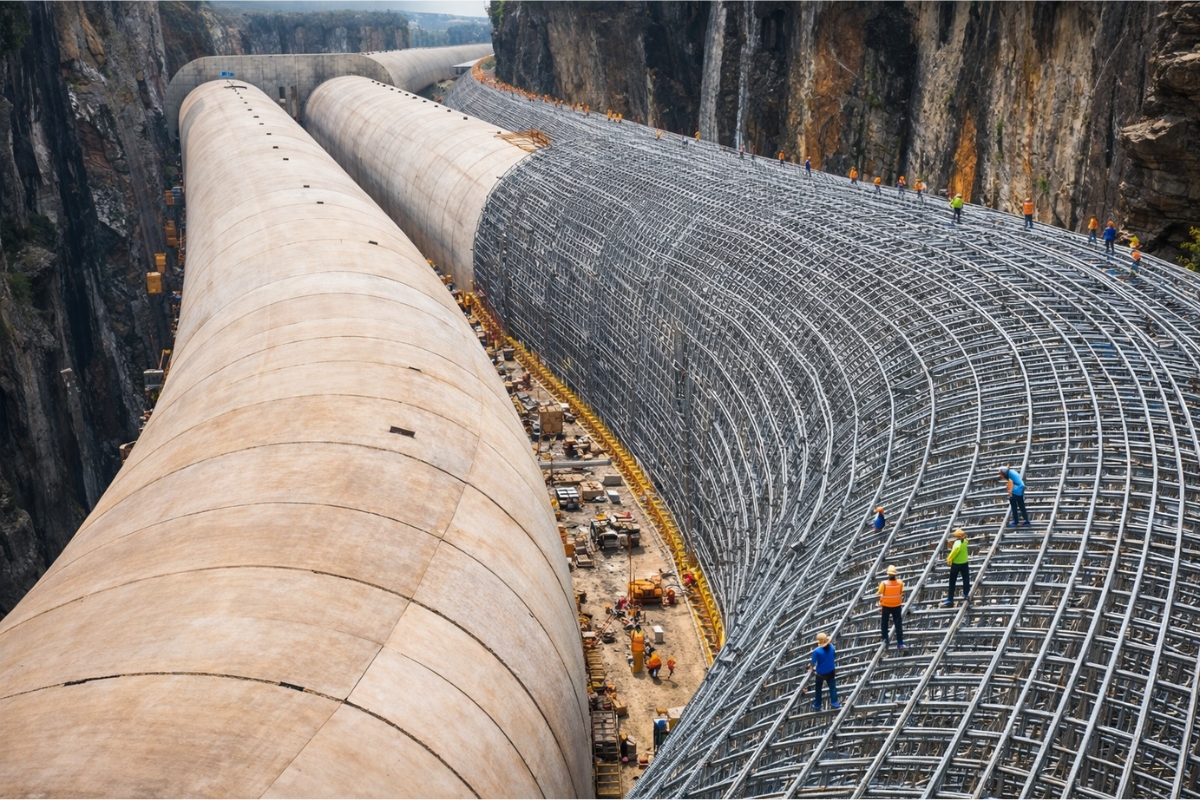
50 viaducts, 4 tunnels, 28 bridges, and 40 kilometers of bike paths: BR-262 in Espírito Santo will receive 8.6 billion reais for the largest engineering project in the state’s history, inspired by the Immigrant Highway in São Paulo.

-
Brazil produces too much clean energy and doesn’t know what to do with it: over 20% of solar and wind capacity was wasted in 2025 while investors flee and 509 renewable generation projects were abandoned in the last year.

-
Piauí will produce a new fuel that replaces diesel without needing to change anything in the truck’s engine and reduces pollutant gas emissions by half: truck drivers from all over the Northeast are already celebrating the news that will arrive later this decade.


In addition to the fixed expenses, the process requires attention to deadlines and specific rules — failure to comply may result in heavy fines, further increasing the final cost.
How Much Does the Inventory Cost at the Notary Office
According to Barbosa, the public deed of inventory costs R$ 4,099.15 in São Paulo.
Even before drafting the deed, it is necessary to collect the ITCMD (Inheritance and Donation Tax), set at 4% of the property’s value — which represents R$ 16,000 in the case of a property valued at R$ 400,000.
After the drafting, the document needs to be taken to the Property Registration Office so that the heirs can be officially included in the register.
This step generates another expense: R$ 3,060. Adding the deed, tax, and registration, the fixed cost already reaches approximately R$ 23,100, not considering attorney fees.
The Weight of Attorney Fees
Hiring a lawyer is mandatory by law, even in extrajudicial inventories.
According to the OAB-SP table, the reference fees are 8% of the inheritance value — which would amount to R$ 32,000 for the property valued at R$ 400,000.
However, there is the possibility of negotiating lower amounts, as long as the minimum floor is respected.
In the example cited by Davi Jinto Barbosa, the acceptable minimum fees would be around R$ 5,500.
This means that, in the best-case scenario, the inventory would cost R$ 28,700. If the 8% from the table is applied, the total exceeds R$ 55,000.
Deadline and Risk of Fine for Delay
Another critical point is the legal deadline of 60 days for opening the inventory after the death.
If the family misses this deadline, a fine of up to 20% on the ITCMD applies, in addition to interest.
In the analyzed case, this could represent more R$ 3,200 just in penalties, raising the total cost.
Therefore, Barbosa warns that the heirs must quickly organize themselves, both to gather the necessary documents and to ensure the tax payment within the deadline.
Delay can turn an already costly procedure into an even greater financial burden.
Is It Worth Choosing the Extrajudicial Inventory?
Despite the cost, the extrajudicial inventory is usually faster than the judicial one, potentially concluding in a few weeks when there are no disputes among heirs.
For families seeking speed and legal security, it can be a viable alternative.
However, one must be prepared for the mandatory expenses and for hiring a trusted lawyer.
As Davi Jinto Barbosa reminds, the amounts presented apply to São Paulo in 2024, but costs may vary between states, as the rates of ITCMD and notary fees are not uniform across the country.
And you, do you believe that the cost of the extrajudicial inventory of a property is fair or should it be reduced to make life easier for families? Leave your opinion in the comments — we want to hear from those who have gone through this experience.








Solução: mudar para o Paraguai, lá você compra uma casa e ela é sua, aqui no Brasil ela é do governo, você paga IPTU todo ano pelo resto da vida. No Paraguai você só paga imposto quando compra ou quando vende. Não é justo pagar todo ano se não houve transação financeira. Paraguai tem muito a ensinar.
Esse aí é o sócio-comunismo velado. Uma família pobre sem muitos recursos perde o imóvel para o próprio governo. O sistema se retro-alimenta.
Não adianta reclamar, isso não vai mudar nunca. Para nossa vida melhorar temos que procurar os melhores políticos. Procurar homens honestos para merecer nosso voto.
Deus abençoe nosso Brasil. Parece que piora a cada dia. As notícias são só ruins. Não tem acontecido na de bom. Ou estou muito pessimista? Tem muitos que não estão fazendo inventário. Mais fácil e barato entrar com usucapião.