





 Portuguese
  English
  Spanish
  3 min of reading
  0 comments


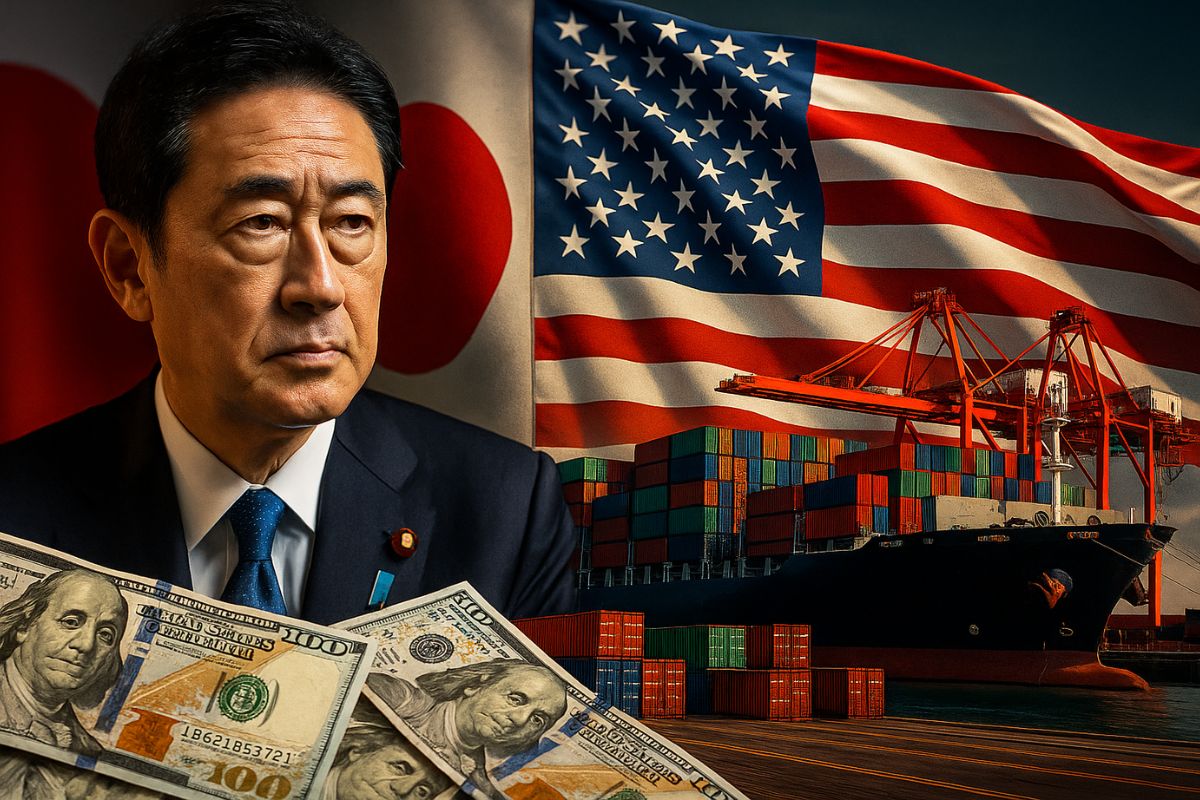
Agreement of US$ 550 Billion in the USA Includes Japan: Memorandum Signed on September 4 Ensures Access to Critical Supply Chains Under Trump Government
Japan has secured participation in the US$ 550 billion investment package from the USA, announced to reinforce critical infrastructure and supply chains. According to IstoÉ Dinheiro, the memorandum signed on September 4 grants Japan influence over the allocation of resources and the redesign of global chains.
The Japanese presence in this program is strategic. For Tokyo, it means privileged access to sectors such as semiconductors, energy, critical metals, and industrial technologies.
For Washington, the move reinforces the idea of partnership with allies in the Indo-Pacific, particularly in a context of increasing competition with China.
-
A new Brazilian shopping center worth R$ 400 million will be built in an area equivalent to more than 4 football fields, featuring 90 stores, 5 cinemas, a supermarket, a college, and parking for 1,700 cars, potentially generating 3,000 jobs.

-
Larger than entire cities in Brazil: BYD is building a 4.6 km² complex in Bahia with a capacity for 600,000 vehicles per year, but the discovery of 163 workers in conditions analogous to slavery has shaken the entire project.

-
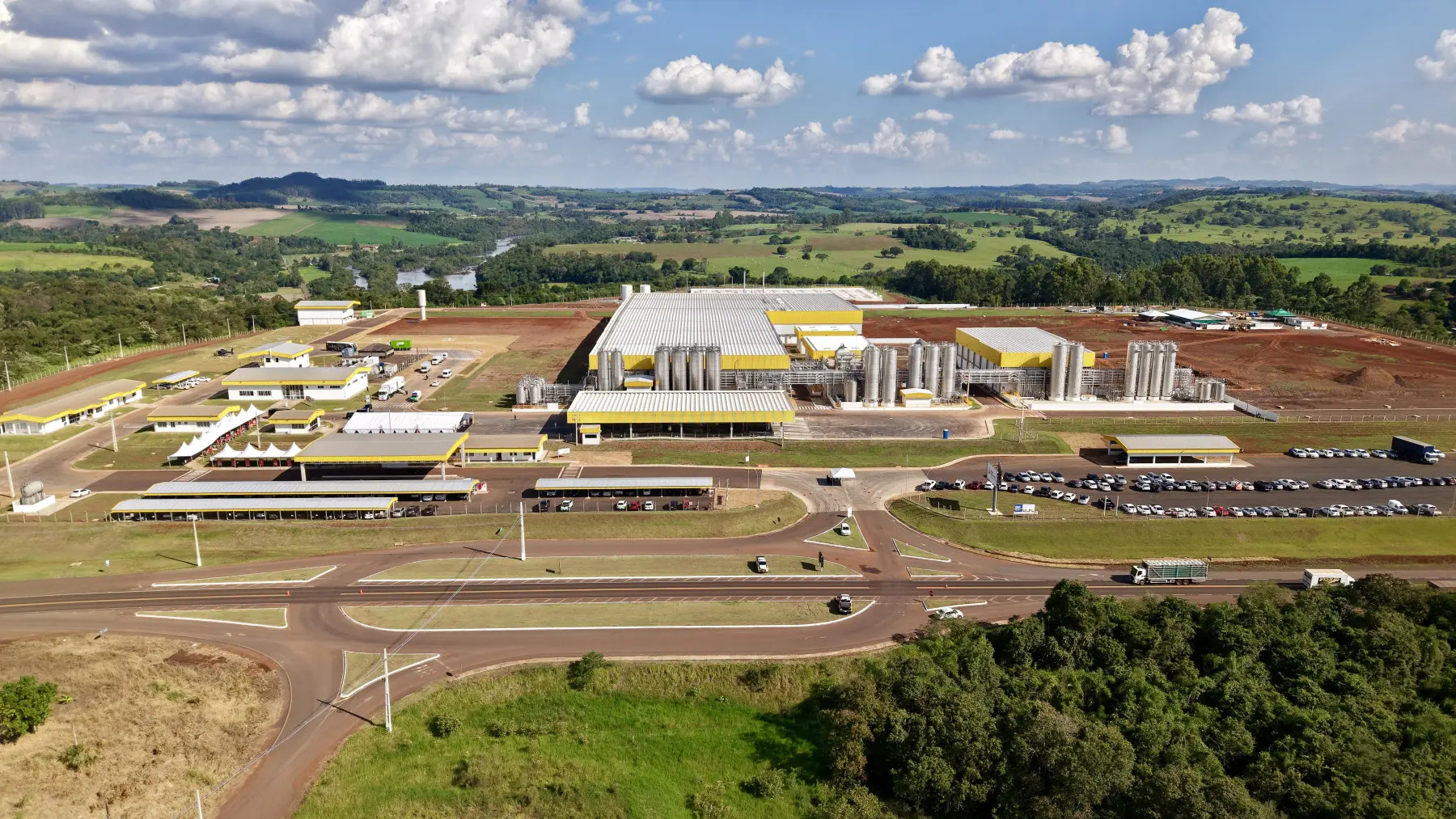
With an investment of R$ 612 million, a capacity to process 1.2 million liters of milk per day, Piracanjuba inaugurates a mega cheese factory that increases national production, reduces dependence on imports, and repositions Brazil on the global dairy map.
-
Brazilian city gains industrial hub for 85 companies that is equivalent to 55 football fields.


Who Benefits from the US Investment Package
According to IstoÉ Dinheiro, the memorandum guarantees Japan a seat at the discussions regarding the allocation of the US$ 550 billion investment package from the USA.
This means that Japanese industrial conglomerates in the automotive, electronics, and chemical sectors will have a voice in building new value chains.
Japanese negotiator Ryosei Akazawa stated that cooperation will be structured in a way to “also benefit Japan”, emphasizing that the country is seeking both resources and stability for its markets.
This access reduces Tokyo’s vulnerability to a potential concentration of investments solely in American companies.
Where the Strategy Has the Most Impact
The focus is on supply chains deemed vital for economic security.
US investments prioritize semiconductors, clean energy, strategic metals, and industrial innovation, sectors directly linked to global competitiveness.
According to IstoÉ Dinheiro, Trump has insisted on policies for industrial repatriation and shielding against external dependence.
In this context, Japan’s participation serves as a counterbalance to China’s influence, especially in critical supplies and sensitive technologies.
Why the USA Made Room for Japan
For Washington, ensuring Japan as a partner in the US investment package reinforces the discourse of strategic alliances.
The Asian country is seen as a pillar of trust in the Indo-Pacific, a region central to the geoeconomic disputes of the 21st century.
Furthermore, the Japanese presence helps legitimize the package as an initiative of cooperation and not just unilateral protection.
This strengthens the image of the USA as a facilitator of a network of allies in global technological and industrial competition.
Is It Worth It for Japan?
Although the agreement does not represent immediate resource transfers, the influence gained is considered fundamental.
Japan will participate in the decision-making process and secure a position in supply chains that are likely to be redesigned in the coming years.
According to IstoÉ Dinheiro, the impact is dual: the country protects its conglomerates while also reducing the risks of exclusion in a scenario of increasing American protectionism.
For the Japanese, it is a strategic bet to maintain industrial relevance in the face of profound changes in global trade.
The memorandum signed on September 4 confirms that Japan has gained space in the US$ 550 billion investment package from the USA, aligning with Trump’s strategy to shield critical chains.
The Japanese participation strengthens the bilateral partnership and expands Tokyo’s margin of influence in sectors crucial for the future of the global economy.
And you, do you think Japan did well to align itself with US investments? Does this strategy strengthen the country or merely increase its dependence on Washington?
Leave your opinion in the comments — we want to hear from those closely following this global movement.






Seja o primeiro a reagir!