





 English
  Francês
  Alemão
  Italiano
  Japonês
  Norueguês
  Portuguese
  Spanish
  4 min of reading


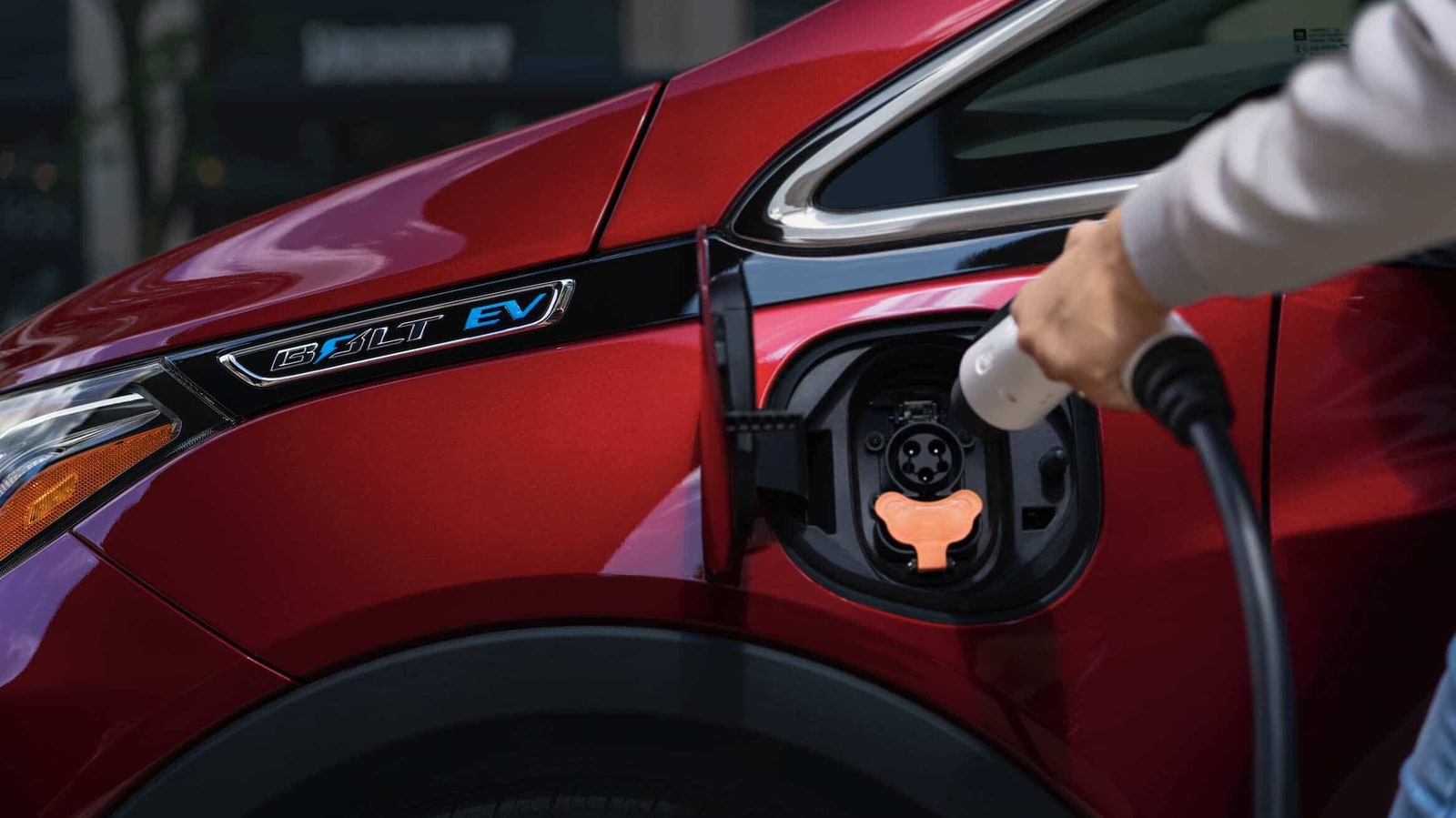
Many Bet That Electric Vehicles Will Be The Solution To The Planet’s Climate Issue, But Few Know That This Market Has Already Had 3 Implementation Attempts And All Have Failed At Some Point In Our Recent History
Combustion vehicles emit a huge amount of pollution into the atmosphere, but electric vehicles have their own problems. To solve the climate crisis, we need to stop emitting greenhouse gases.
Economy cars produce many of them, so the solution is to replace them with electric cars. And this is a great solution for manufacturers because they can continue selling vehicles to the public.
LIST: 12 Electric Cars For Sale In Brazil
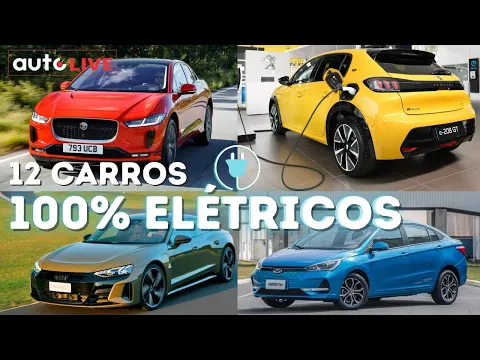

But these cars still cause a lot of pollution, still run over and kill people at intersections, and still require massive carbon-producing resources to build them. And that’s before we even get to the batteries, which depend on scarce resources that need to be extracted through mining.
-
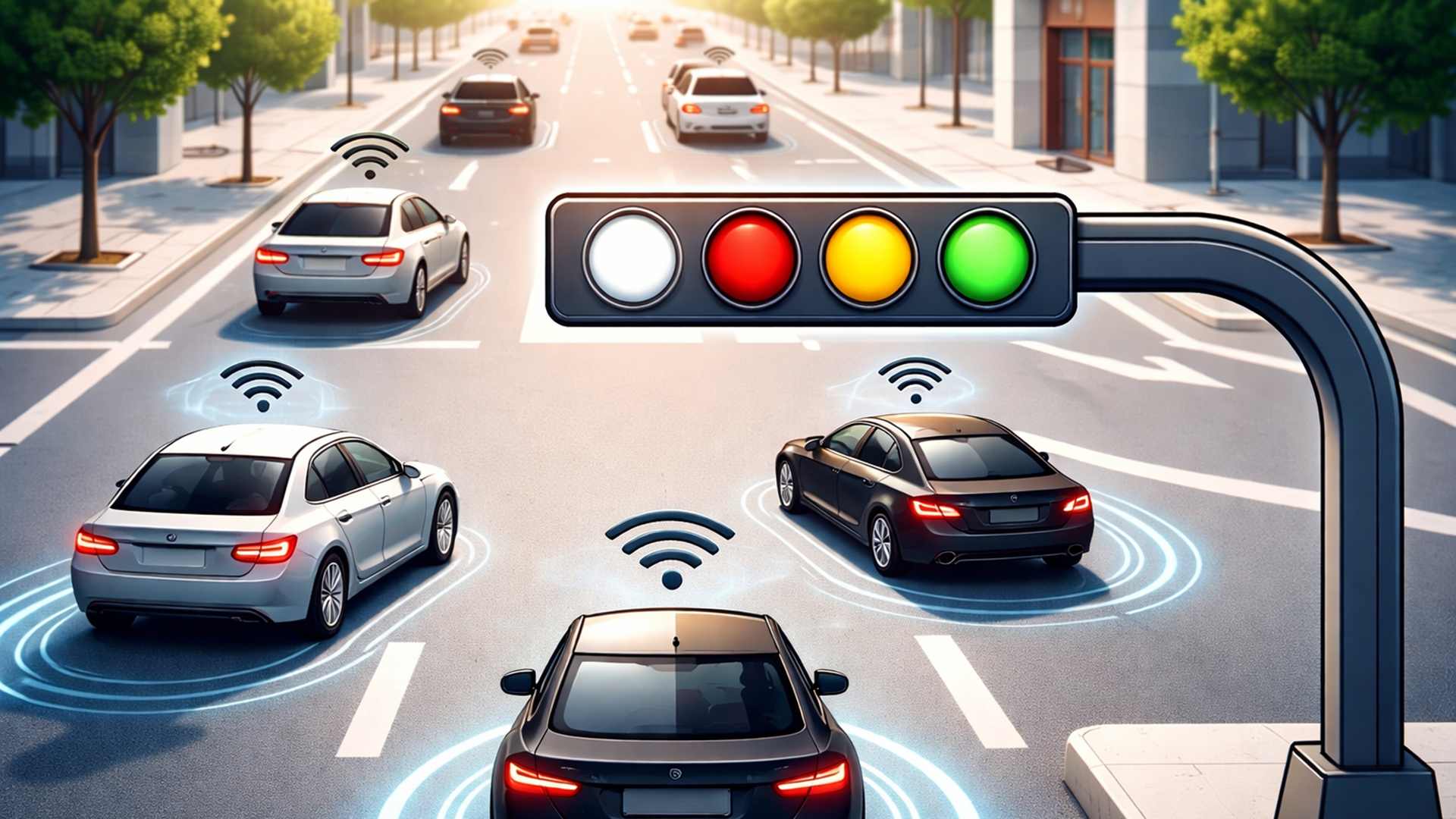
Engineers propose a fourth traffic light for intersections – the change promises to affect crossings, queues, and waiting times.
-
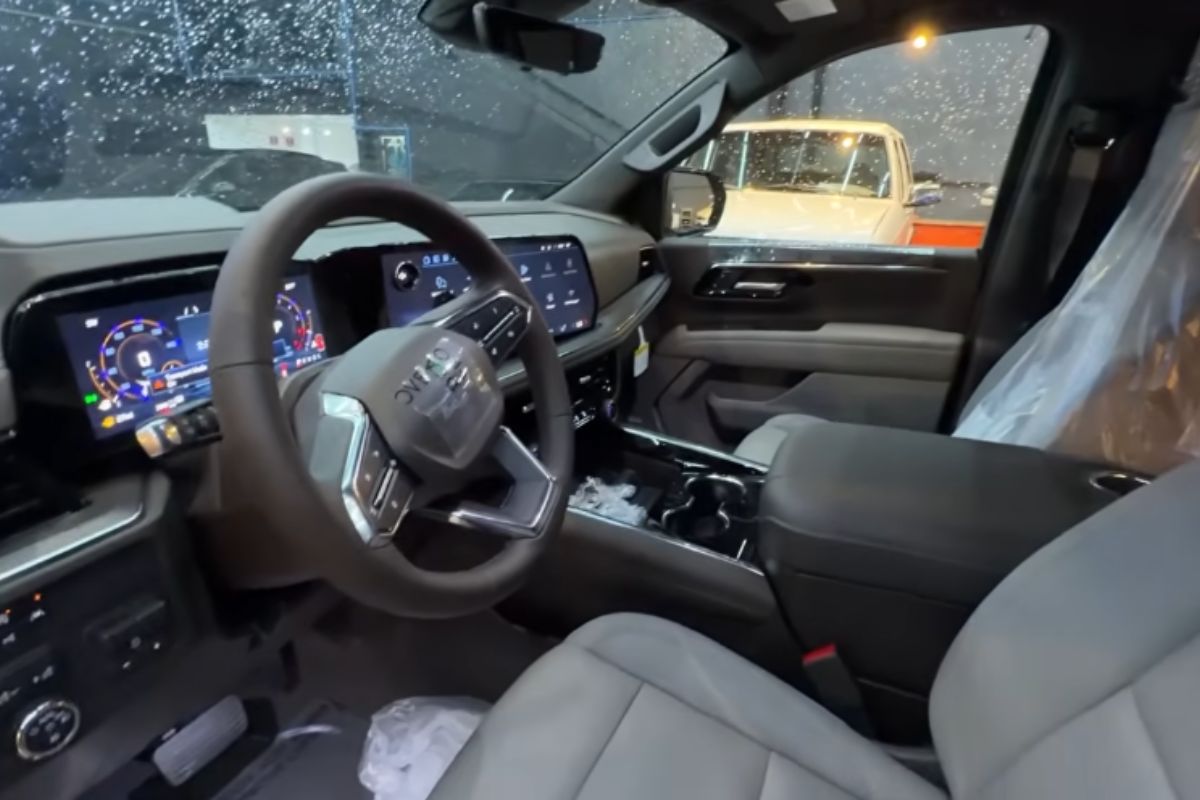
Chevrolet Suburban Z71 lands in Brazil with a V8 engine, off-road design, air suspension, seven seats, and colossal size, a rare version imported for around R$ 1.3 million with luxury and exclusivity.
-
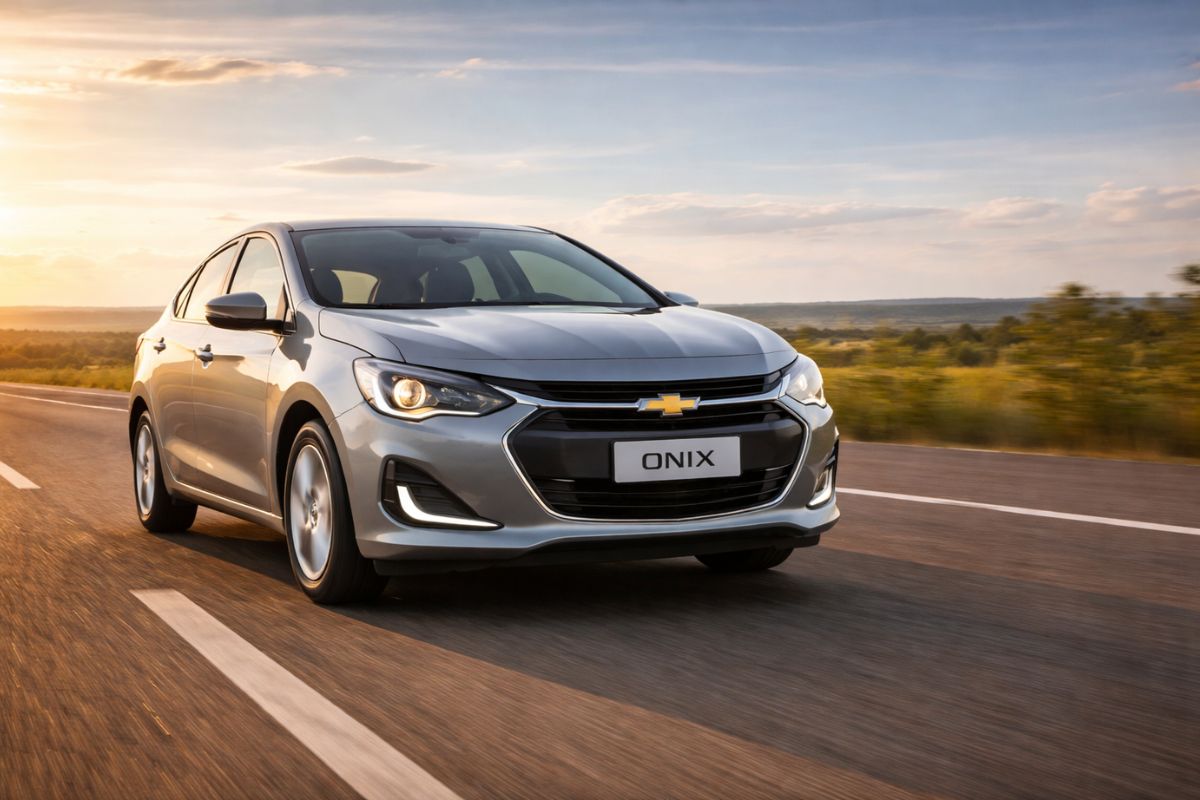
The Chevrolet Onix 1.0 turbo achieves 17.7 km per liter on the highway and ranks among the three most economical cars in Brazil in 2026, alongside two more expensive Toyota hybrids available at dealerships.
-
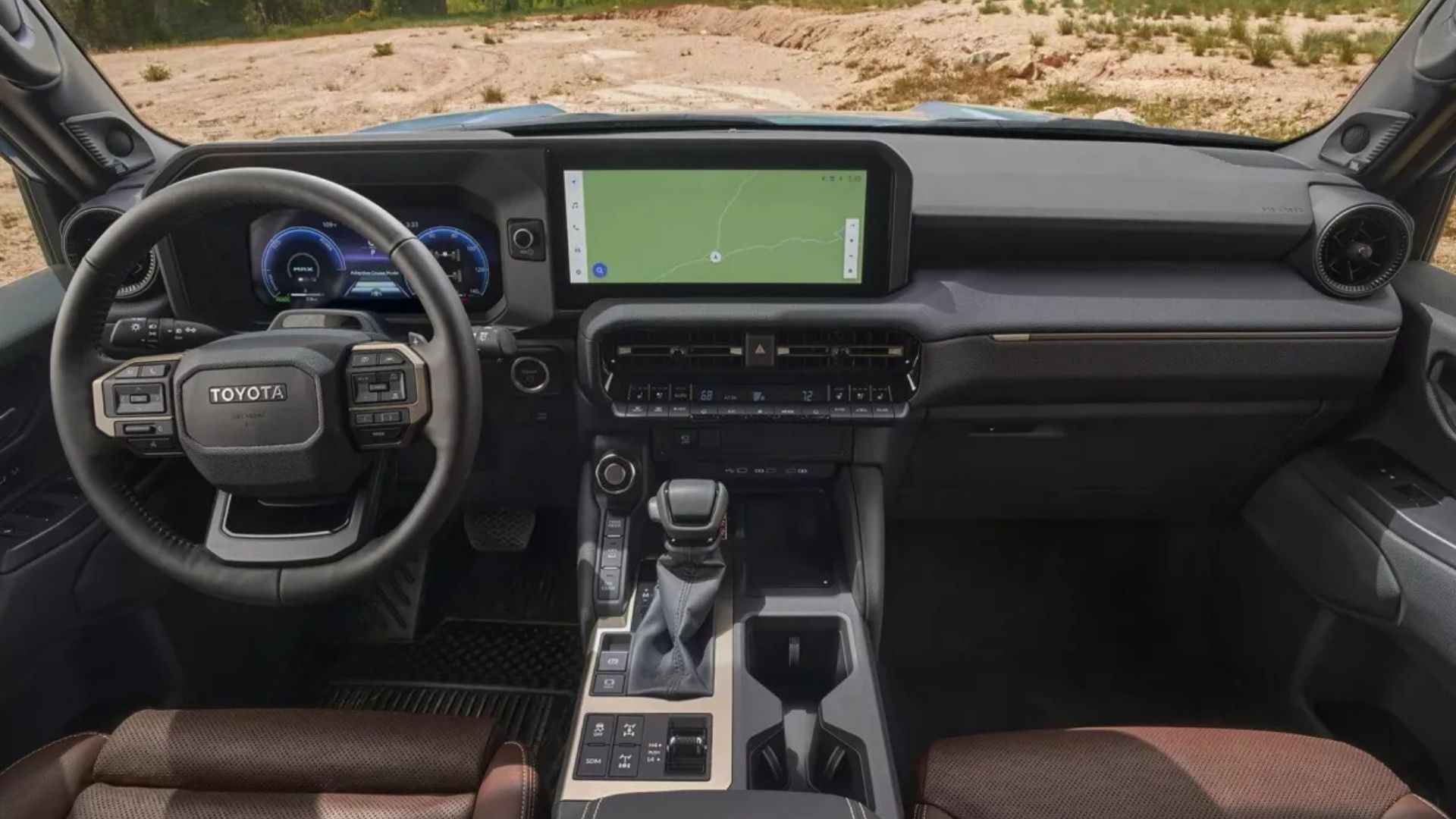
Little sister of the Hilux: Toyota launches Land Cruiser FJ with 4 radical versions, 2.7 engine with 166 hp and 4×4 traction with locking.

“The reality is that manufacturing a large number of batteries for electric vehicles, while formidable, is quite a challenge,” said Ron Cogan, editor and publisher of Green Car Journal.
The Battery Is Still The Major EV Problem
Electric vehicles (EVs) are much better than gasoline cars in many ways. They do not pollute the city air. They are much quieter at low speeds and can run on renewable energy sources like wind and solar. But they are only “green” when compared to fossil fuel vehicles today. Building an electric car is still building a car. The biggest problem with an EV is its batteries.
EVs run on the same type of lithium-ion batteries that power your laptop and smartphones, only they are much, much larger. The main material needed is lithium, sourced from mining or salt deserts. And like any natural resource, the amount is limited.
“Every major automaker is migrating to electric cars in some capacity, whether hybrid or fully electric. The question this raises is: how can we have enough lithium? That depends on how we can rebuild our power grid and find other solutions. And it also depends on whether we are willing to recycle these batteries (which is possible) to be repurposed and reused,” said John Shegerian, CEO of the electronic recycling provider ERI, to Lifewire via email.
Cesar Urnhani: “This Market Died 3 Times In History”

The recycling of batteries may be the most important thing we can do as we transition to electric vehicles.
Batteries are already a big business. They are not only used in consumer electronics and cars but also needed to balance supply and demand for renewable electricity. That is, batteries store excess energy when the wind is blowing and the sun is shining and hold it for when it’s not.
“Major battery manufacturers for electric vehicles, like Panasonic, are already investing billions of dollars in battery manufacturing facilities in the U.S.
The recycling of batteries may be the most important thing we can do as we transition to electric vehicles.
“One of the most critical technological developments will be capturing recycled battery materials from production scrap and end-of-life vehicles in the U.S.,” said Anthony DeOrsey, team leader for research at Cleantech Group, to Lifewire via email.
Creating An Electric Vehicle Market Without Designing The Infrastructure To Support It Could Be A Mistake
The assumption in all this is that we have to have personal vehicles exactly like the ones we have now, just with batteries. But as cities like London, Paris, Barcelona, and Copenhagen work to take cars out of urban life, shouldn’t we entirely rethink the role of the car? Even if the batteries are not as sustainable as we expected, we still need to build a charging infrastructure to power all these electric cars.
Instead, we should reduce cars and increase alternatives, especially in cities where population density and the relatively small distances we travel make this feasible.
“Ride-sharing services like Uber and Lyft will reduce the need for personal vehicles for some people. Thankfully, enhanced transportation options like light rail, electric buses, and even electric bicycles for urban transport will complement the convenience of personal-use vehicles, working together to achieve crucial environmental goals,” says Cogan.
In Germany, there are car-sharing schemes, bike-sharing, public transport, and bicycles are popular and normalized ways to get around. And that may be the biggest barrier – getting people to give up their cars.









Seja o primeiro a reagir!