Portuguese
  Spanish


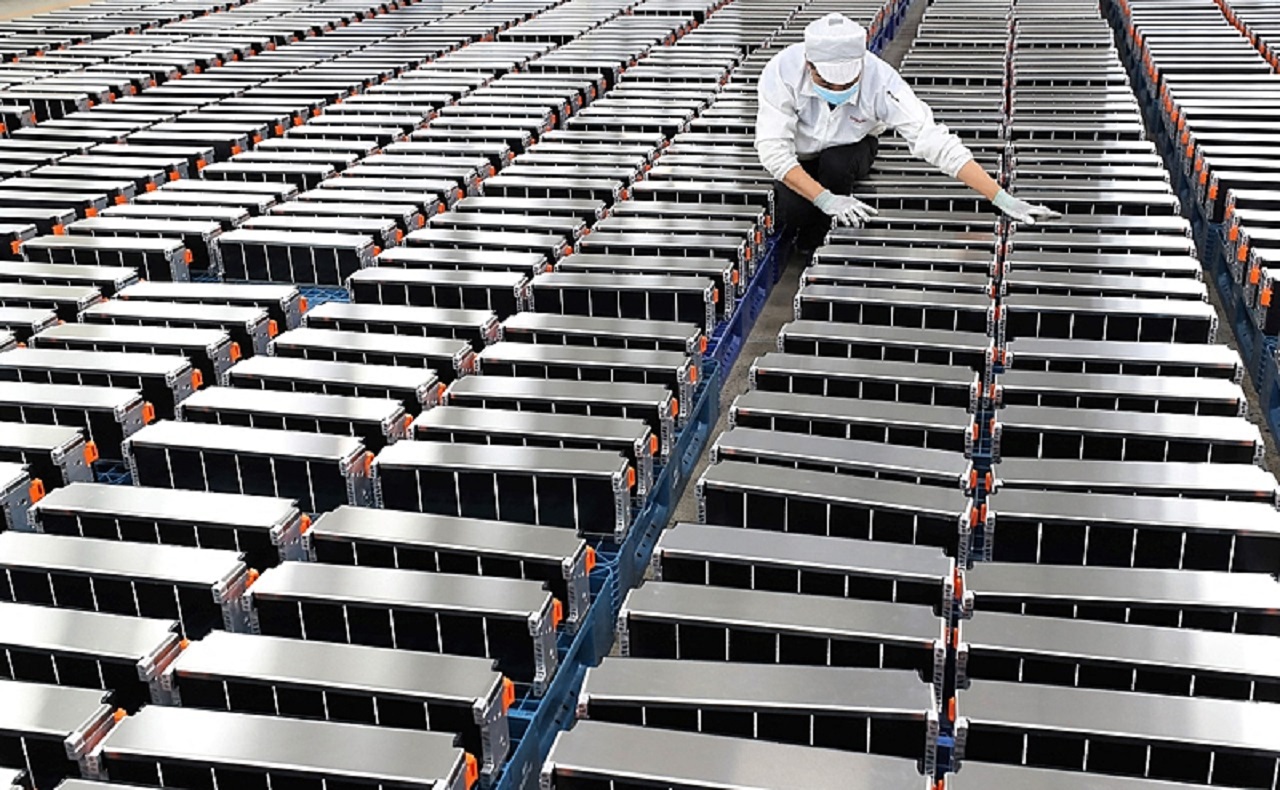

Lithium Suffered a 900% Increase in Just Two Years and the Expectation Is That It Will Continue to Rise. Studies Show That the Price of the Material May Impact the Future of Electric Cars.
The Lithium is not a rare material; however, its production is complicated, posing a real problem when trying to electrify a large part of the automotive industry. The price skyrocketed to absurd levels a few years ago, and the forecasts for a decline are not encouraging for the future of electric cars. According to estimates from Benchmark Mineral Intelligence, the price of lithium has increased by 900% since January 2020.
Increase in Demand for Electric Cars Affects Lithium Price
According to market analyses, in just over two years, the price of lithium has risen due to the increasing demand for electric vehicles in the global market, whose sales continue to expand month after month.
The Chinese government mandated that companies halt mining due to low hydropower production generated in recent months.
-
Automatic, economical, and known for reliability: with a 1.5 engine of up to 110 hp, CVT transmission, seven airbags, and fuel consumption of up to 15.9 km/l, this used hatchback appears as a rational alternative to Polo, HB20, and Onix; meet the Toyota Yaris XLS 2020.

-
He surpassed the Tera, Creta, and Tracker: With a TSI engine of up to 150 hp, 6-speed automatic transmission, and a 373-liter trunk, the Volkswagen T-Cross was the best-selling SUV in June, with 11,753 registrations.

-
It looks factory-made, but it came out of a workshop: a mechanic from Pernambuco builds a handcrafted “mini Toyota,” drives it through the streets, and the video goes viral on social media, leaving residents astonished.
-
Hatch with sedan space and 1.0 car consumption: equipped with a 1.5 engine with 126 hp, CVT transmission with seven simulated gears, and consumption of up to 17.4 km/l, this used Honda delivers technology, comfort, and reliability; meet the 2022 Honda City Hatch Touring.


Benchmark indicates that this situation will not change in the short term, potentially impacting the future of electric cars. Their calculations show that demand for lithium batteries will increase by another 36%, while production of the material will only be expanded by 33%.
Pressure from the Transition to Electric Cars Contributes to Lithium Price
As the global lithium supply is already inadequate, numbers indicate that it will intensify soon, impacting the future of electric cars. At the same time, Europe is applying pressure on the vehicle industry to implement changes and transition towards a more sustainable segment.
Starting in 2035, automakers will no longer be able to sell polluting vehicles, and before that, the European emission regulation Euro 7 will push to ensure that the road is already paved for electric or highly electrified cars to be more common on the streets.
The global context is generating a struggle to secure enough lithium to expand battery production and electric cars. Manufacturers are closing essential deals to secure lithium produced from certain mines.
Exclusive Agreements Reduce Available Lithium Supply
Volkswagen and Mercedes have taken positions in Canada, where there is an unexplored source of lithium. The problem, according to information from Benchmark and Cleantechnica, is that these decisions only add more pressure to the market.
Exclusive agreements mitigate the supply of available ore, and also new mines coming online need five to seven years to operate at full capacity. Some timelines have been announced for potential lithium mines located in Extremadura.