





 English
  Francês
  Alemão
  Italiano
  Japonês
  Norueguês
  Portuguese
  Spanish
  3 min of reading
  2 comments


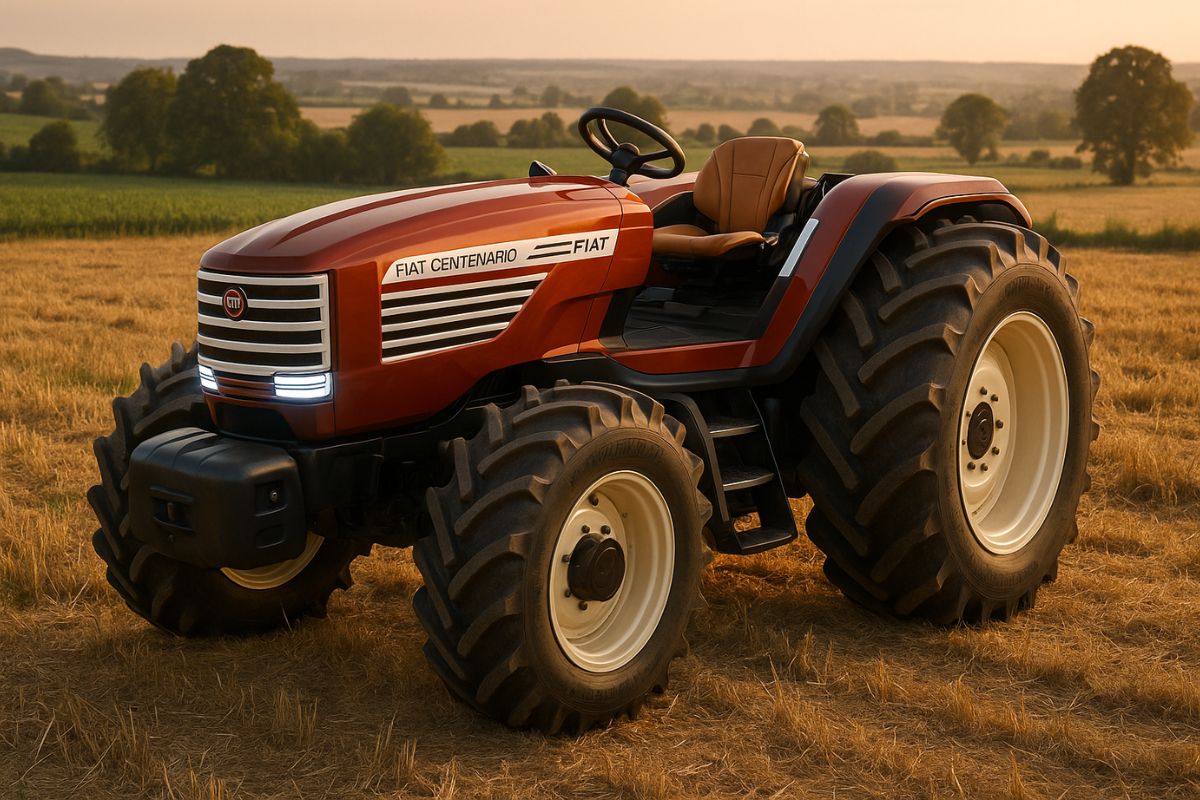


Before Being Synonymous with Popular Cars, FIAT Was a Giant in Agriculture with Robust Tractors. Understand the Trajectory and Transformation That Led to the End of the Brand in Agricultural Machinery.
Many associate FIAT with top-selling cars, but there was a time when the brand was a dominant force in the Brazilian countryside, synonymous with durable and reliable tractors. These robust machines, which marked agricultural mechanization, especially in the post-war era, left a nostalgia and a question: what happened to the FIAT tractors?
The history of FIAT in the agricultural machinery sector is filled with innovation and twists. It began in Italy, expanded globally, and had a pivotal chapter in Brazil, culminating in a transformation that gave rise to a new giant in agriculture, but that kept the legacy alive.
FIAT Tractors: From Italy to the World, the Beginning of an Agricultural Force
The brand’s journey in agriculture began in 1918, shortly after World War I, with the launch of the Fiat 702 tractor. It was a simple, gasoline-powered machine, but robust, ideal for the devastated fields of Europe. The success led to the creation of Fiat Trattori.
-
While Russia dominates the global wheat market, Brazil emerges as an unexpected competitor in the Cerrado, offering grain available in July and August when stocks in the Northern Hemisphere are at their lowest point of the year.
-
China returned almost 20 Brazilian ships with soybeans, but now everything could change: the country that buys 80% of the grain is considering relaxing regulations after impurities held up shipments of thousands of tons and caused million-dollar losses.
-
The drought of the cerrado was considered an enemy of wheat, but Brazilian scientists turned the lack of rain into a competitive advantage by creating a grain with quality that is already attracting the attention of international mills around the world.
-
THE OWNER of Brazil: a farmer who came from laundries, created an ’empire’ and today runs a company valued at R$ 42 billion after tripling its value in less than a year and receiving a billion-dollar investment from the USA.


In the following years, new models emerged, including crawler tractors like the 700C. The major leap occurred in 1932 with the Fiat 705C, the first from the brand with a diesel engine. World War II interrupted production, but in 1946, the Fiat 50, a secretly developed diesel tractor, marked the resumption, which would soon cross the ocean.
Nationalization and Peak of Fiatallis

The first FIAT tractors arrived in Brazil in the 1950s, imported and assembled in São Paulo. The success was so great that, by the late 1960s, with the National Crawler Tractors Plan, FIAT participated in the program to nationalize the AD7 model. In 1971, after acquiring a factory in Contagem (MG), the first national FIAT tractors rolled off the assembly line.
In 1973, FIAT partnered with Allis-Chalmers, creating Fiatallis the following year. The new company expanded its line by absorbing Eaton’s industrial equipment division and began producing wheel loaders. The 1980s consolidated Fiatallis, which also started manufacturing motor graders and became a production center for Latin America.
The Strategic Turn: The Union with Ford in the Agricultural Sector
In the early 1990s, despite its success and exports to various countries, the economic instability in Brazil and the need for global strengthening led FIAT to a crucial decision. In 1991, the company purchased Ford’s agricultural division, creating the holding NH Geotec.
This merger united two powerhouses: the tradition of Fiat Trattori and the strength of Ford Tractors. Initially, the operations remained separate, but under one global group, with a focus on efficiency and international goals.
New Holland Is Born
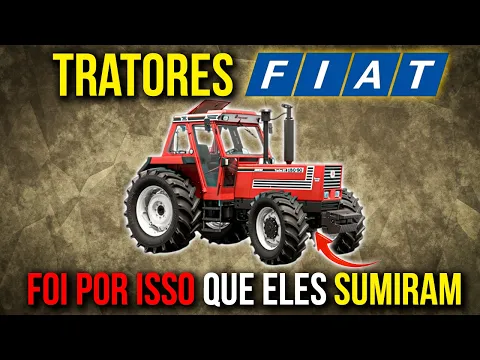

The union of the two brands would not remain separate for long. The transition to a single brand, New Holland, began quietly. First, the FIAT tractors began adopting the blue color, inherited from Ford. Then, the name Fiat New Holland emerged.
Shortly thereafter, the tractors purely disappeared from dealerships. The traditional orange line was replaced by the blue New Holland line we know today. Many models that carried the FIAT name were rebranded, but the technical heritage, the robustness of the engines and transmissions, continued. It was the official end of Fiat Trattori as a brand, but its legacy remained alive. The passion for the old orange tractors is still seen in gatherings and in the memory of those who worked with these durable machines.







Mas e a marca de tratores CASE? Não pode ser considerada a divisão agrícola da FIAT?
Esta história continua da seguinte forma. Início dos anos 2000 a New Holland e a Case IH formam a CNH. A CNH hoje é uma divisão de equipamentos agricolas e de construção. Gerênciam duas marcas montadas nas plantas de Cutitiba, Sorocaba e Piracicaba para produtos agricolas. Produtos de construção são montados em MG e Sorocaba.
A resposta é a seguinte a Case IH pode ser considerada uma marca da divisão agrícola da FIAT na minha opiniao. É a sequência da história.