





 Portuguese
  English
  Spanish
  4 min of reading
  0 comments


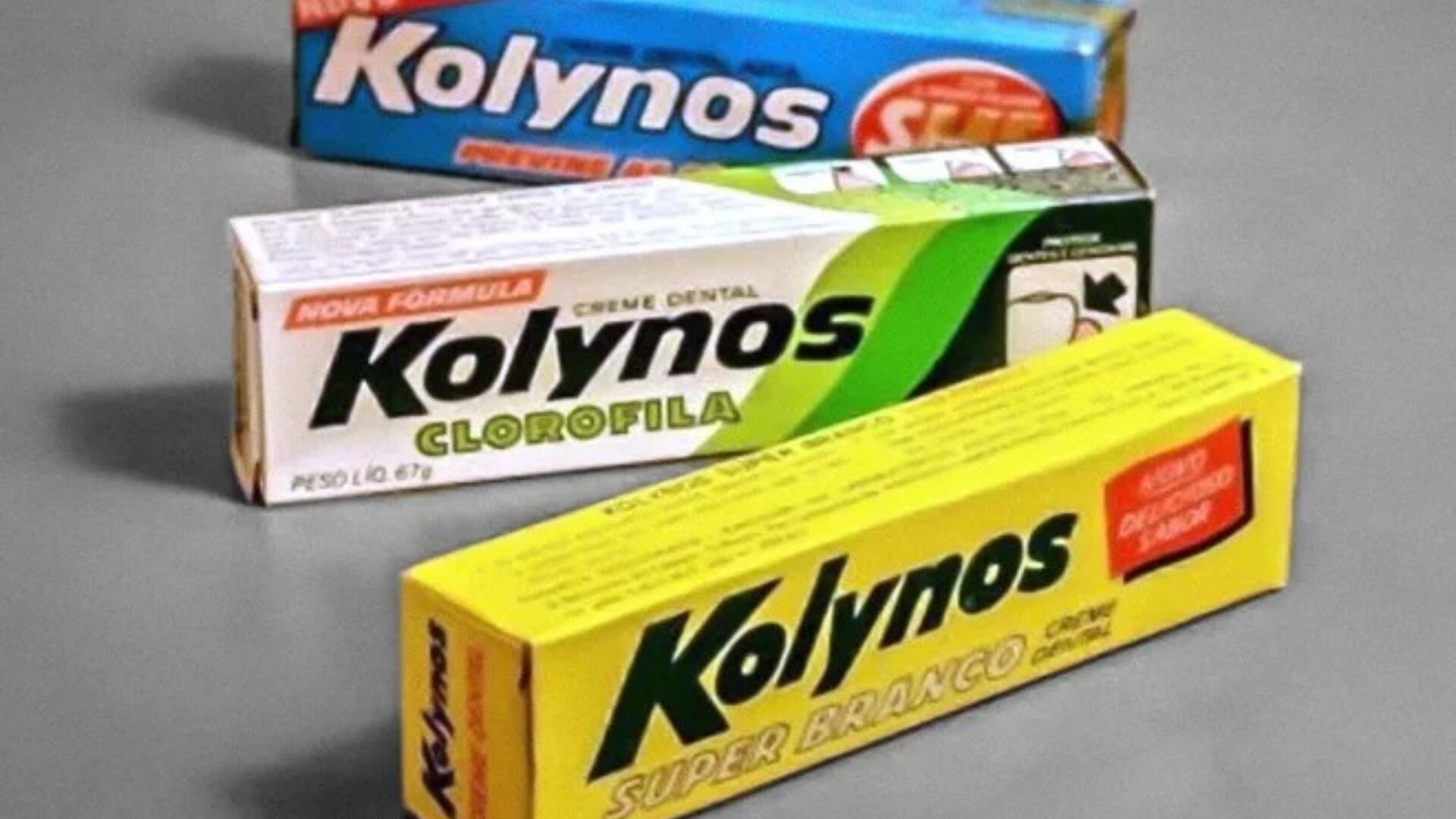
Discover The Trajectory Of The Famous Toothpaste That Dominated The Brazilian Market For Decades And The Reasons For Its End
Between the 1980s and 1990s, Kolynos stood out as a true icon in the dental cream sector, securing a 52% market share in Brazil.
With its green and yellow packaging and a distinctive flavor, the toothpaste became an essential product in the daily routine of many families.
However, in 1997, it disappeared from the shelves. What really happened?
-
Larger than entire cities in Brazil: BYD is building a 4.6 km² complex in Bahia with a capacity for 600,000 vehicles per year, but the discovery of 163 workers in conditions analogous to slavery has shaken the entire project.

-
With an investment of R$ 612 million, a capacity to process 1.2 million liters of milk per day, Piracanjuba inaugurates a mega cheese factory that increases national production, reduces dependence on imports, and repositions Brazil on the global dairy map.

-
Brazilian city gains industrial hub for 85 companies that is equivalent to 55 football fields.

-
Peugeot and Citroën factory in Argentina cuts production by half and opens a layoff program for more than 2,000 employees after Brazil drastically reduced purchases of Argentine vehicles.


The Arrival Of Kolynos In Brazil And Its Success
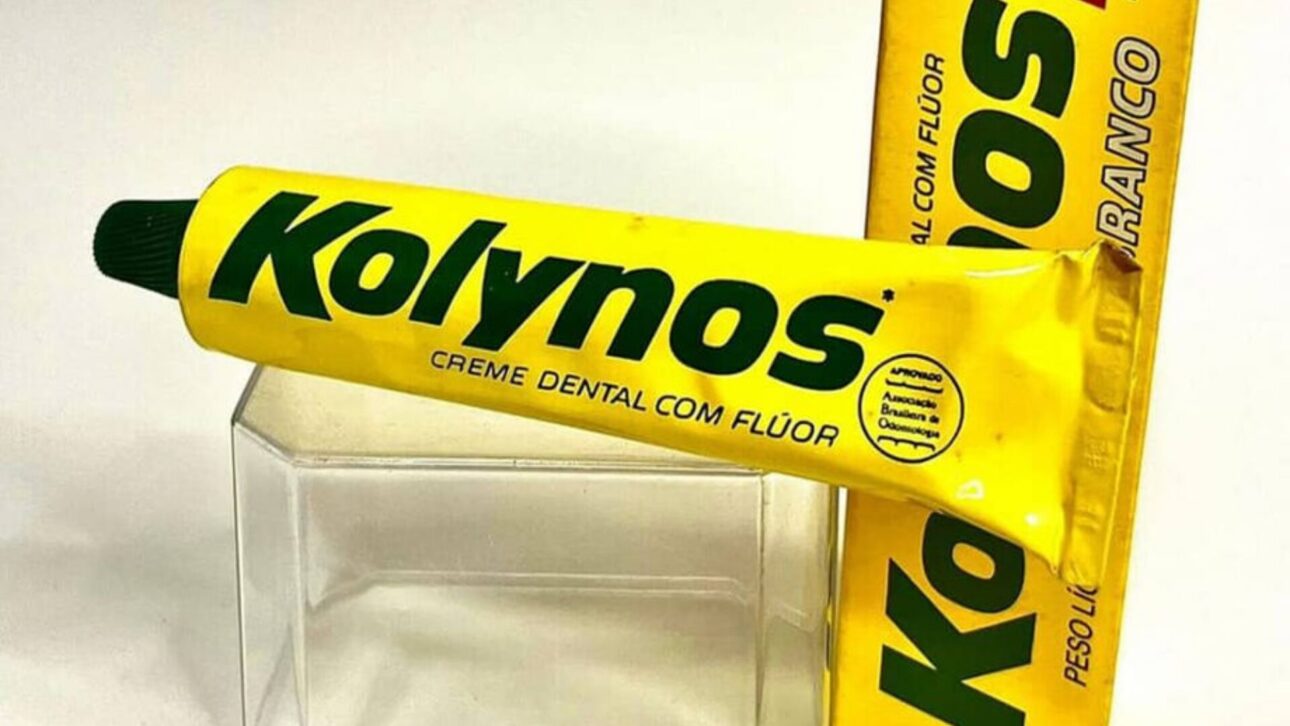
The history of Kolynos began in 1908, in the United States, when it was created by dentist Neal Jenkins.
With the proposal to be a more effective dental cream against bacterial plaque, the brand found its greatest success in Brazil, where it began to be sold in 1917.
Initially, the product was imported, but the acceptance was so great that the company decided to open a factory in São Paulo.
During the 1980s and 1990s, Kolynos dominated the dental cream market, while its main competitor, Colgate, held only 27% of sales.
The success of Kolynos was due to a combination of factors, including aggressive marketing and the creation of memorable jingles, such as the famous “Kolynos, Kolynos, at peace with life!“, which became ingrained in the collective memory of consumers.
With an effective communication strategy, the brand managed to create impressive loyalty among its users.
Kolynos also stood out for its innovative advertising campaigns, which often addressed themes of oral health and well-being, winning the trust of consumers.
The commercials showed happy families using the product, reinforcing the idea that brushing with Kolynos was synonymous with health and happiness.
This helped to solidify the brand’s image as a trustworthy choice for oral hygiene.
Mergers And The Discontinuation Of The Brand
In 1997, a significant milestone occurred when Colgate-Palmolive acquired Kolynos for 1.04 billion dollars. This merger was part of a global strategy of the company, but raised critical questions in Brazil.
With the purchase, Colgate would control nearly 80% of the toothpaste market, which caught the attention of the Administrative Council for Economic Defense (CADE).
In response to concerns about monopoly, CADE determined that Kolynos should be removed from the Brazilian market for at least four years.
Faced with this situation, Colgate decided to discontinue Kolynos and launched the Sorriso brand in 1998, promising that the formula would be the same.
However, many consumers did not accept this substitution well, contesting the communication that the flavor and quality were identical.
Despite attempts to retain the old clientele, Colgate’s strategy worked: Sorriso managed to win over a good part of Kolynos‘s audience and established itself as one of the best-selling brands in the country.
Nevertheless, nostalgia for Kolynos never completely disappeared. Many consumers still fondly remember the brand and its unique characteristics.
Nostalgia And The Survival Of The Brand
Even after the disappearance of Kolynos, the brand remains alive in the memory of many Brazilians.
In forums and social media, consumers share nostalgic memories about the famous toothpaste.
Additionally, tubes of Kolynos imported from countries like Argentina, Paraguay, and Uruguay are sold at high prices on import sites, showing that the brand still holds significant value for fans.
The search for products that evoke childhood and youth is a trend that intensifies over time.
Kolynos became a kind of symbol of an era when brands were deeply connected to consumers’ experiences.
The nostalgia surrounding Kolynos is a cultural phenomenon that transcends borders and generations, reflecting the impact the brand had on the lives of so many people.
The case of Kolynos has become a classic example of CADE’s intervention and its guidelines regarding mergers and acquisitions in Brazil.
The decision to prevent Colgate from monopolizing the dental cream sector opened important precedents for future negotiations in the market.
This regulatory intervention also brought to light discussions about the importance of healthy competition, which benefits consumers and promotes innovation.
The Legacy Of Kolynos In The Brazilian Market
Although Kolynos is no longer present on Brazilian shelves, its story still resonates among consumers.
The brand became a symbol of an era when television advertisements shaped consumption habits and created emotional bonds with Brazilians.
The case of Kolynos also illustrates that even established brands can disappear due to strategic and regulatory decisions.
Today, when using a Sorriso toothpaste, many wonder if it is really the same as Kolynos.
The brand may have disappeared, but its legacy and impact on the dental cream market remain alive in Brazil’s collective memory.
The legacy of Kolynos is a powerful reminder of how a brand can become an integral part of culture and daily life, even when it is no longer physically present in the market.
SOURCE: EXAME









-

Uma pessoa reagiu a isso.