





 Portuguese
  English
  Spanish
  3 min of reading
  1 comment


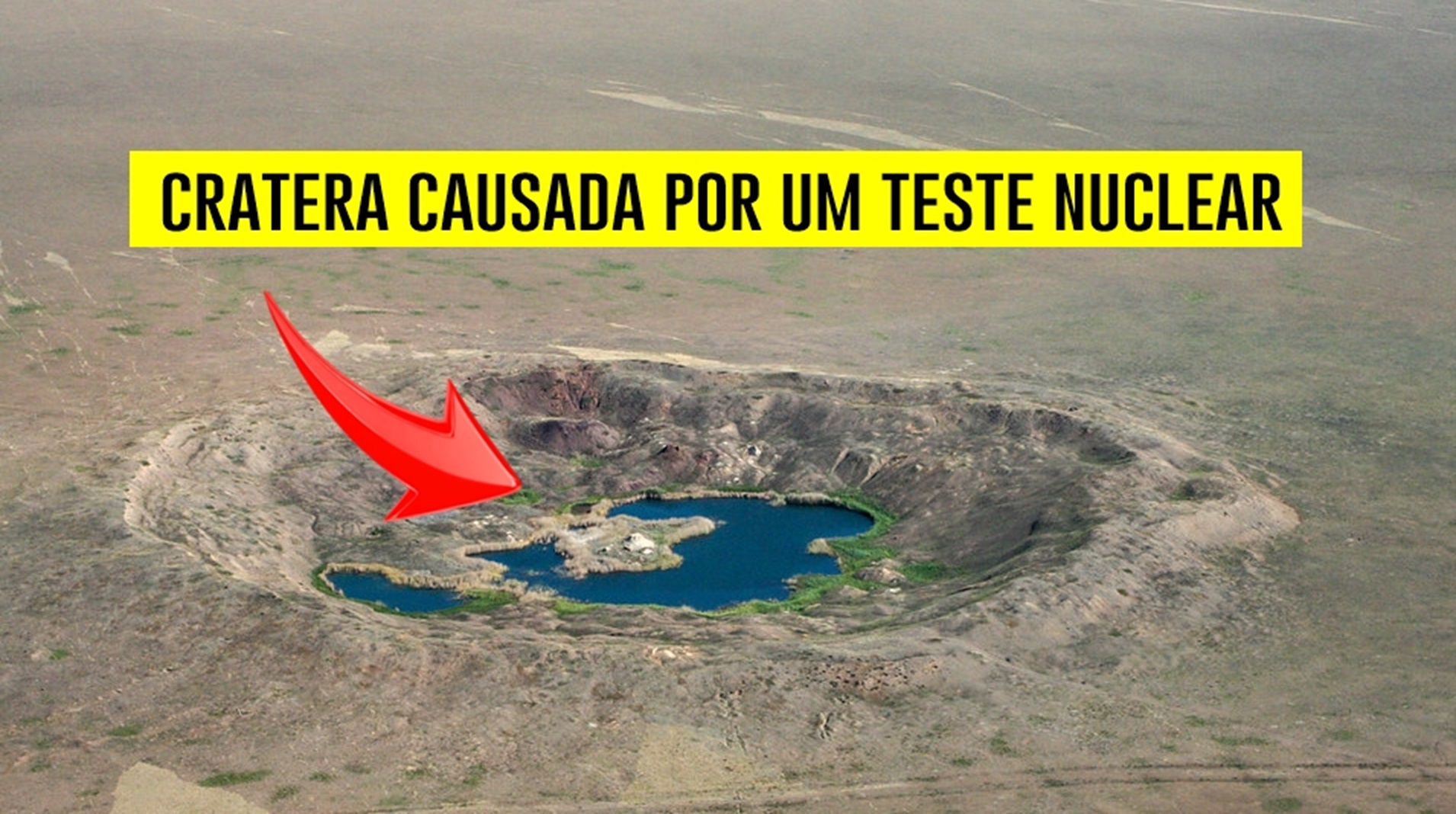

Discovered The Most Bombed Place By Nuclear Weapons In The World: 456 Nuclear Tests
For decades, the world witnessed a frantic race for the development of nuclear weapons. Between 1945 and 2017, an impressive 2,056 nuclear tests were conducted, according to the Arms Control Association.
Of these, 1,528 occurred underground, while 528 were conducted in the atmosphere. The United States led this grim statistic, with 1,030 tests conducted. The Soviet Union came in second, with 715 tests, followed by France (210), the United Kingdom (45), and Communist China (45). Countries such as India, Pakistan, and North Korea also left their marks in this history, albeit on a smaller scale.
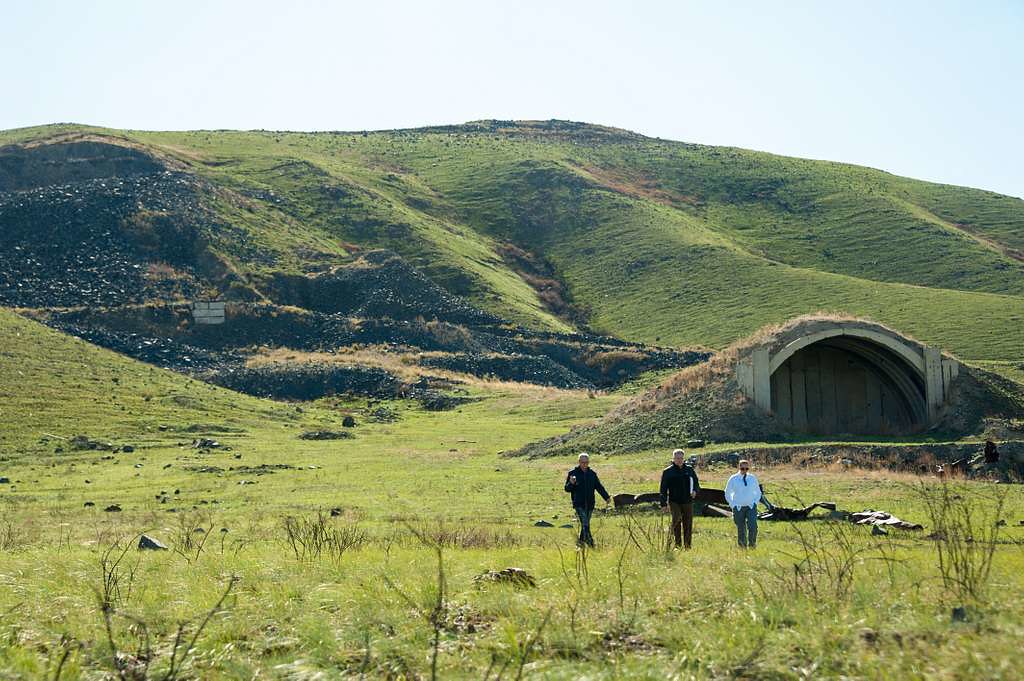
NARA ).
Among all the test sites around the world, the Semipalatinsk Test Site in northeastern Kazakhstan stands out as the most bombed territory in history. Covering an area of 18,000 km² – larger than many European provinces – the site was the stage for 456 nuclear tests conducted by the Soviet Union between 1949 and 1989.
-
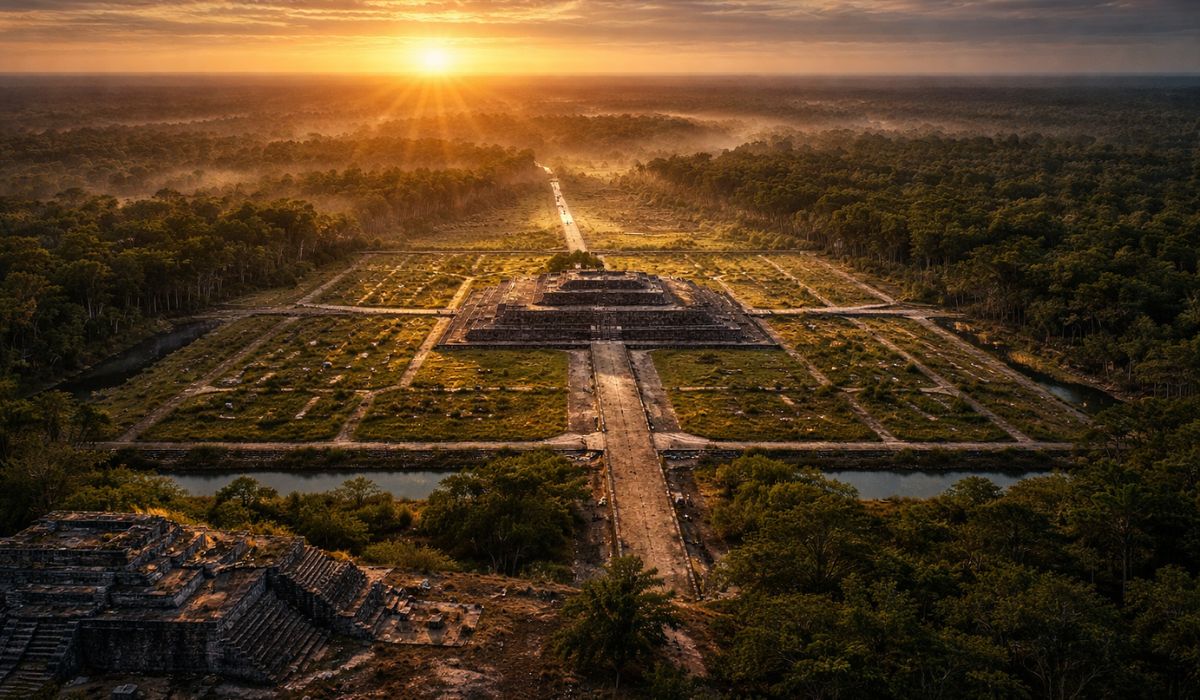
In Mexico, a 3,000-year-old Maya site with the dimensions of an entire city may have been built as a colossal map of the cosmos, created to represent the order of the universe and reveal how this people organized space, time, and rituals.
-
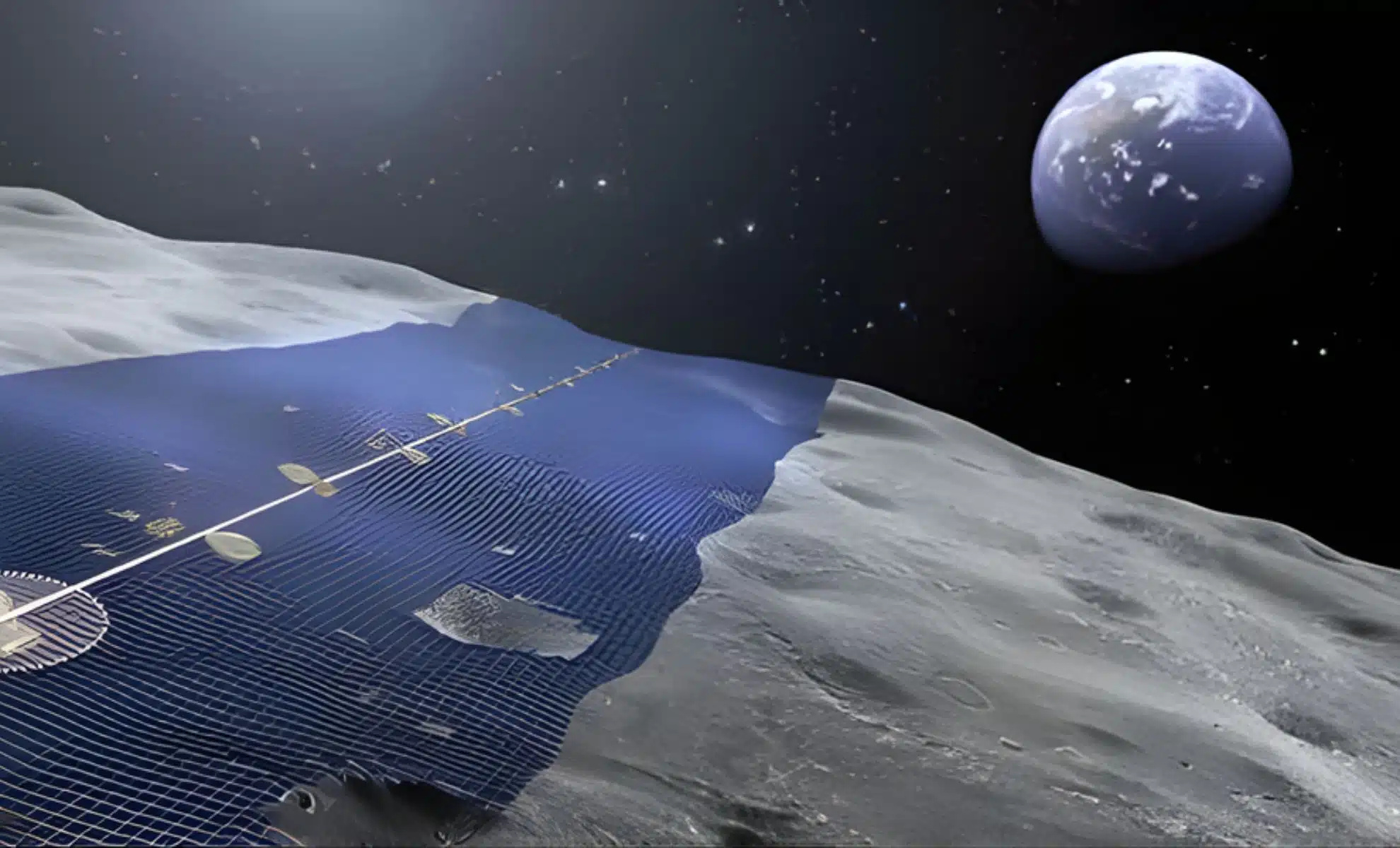
Japan wants to build a solar ring of 10,900 kilometers on the Moon to continuously send energy to Earth.
-
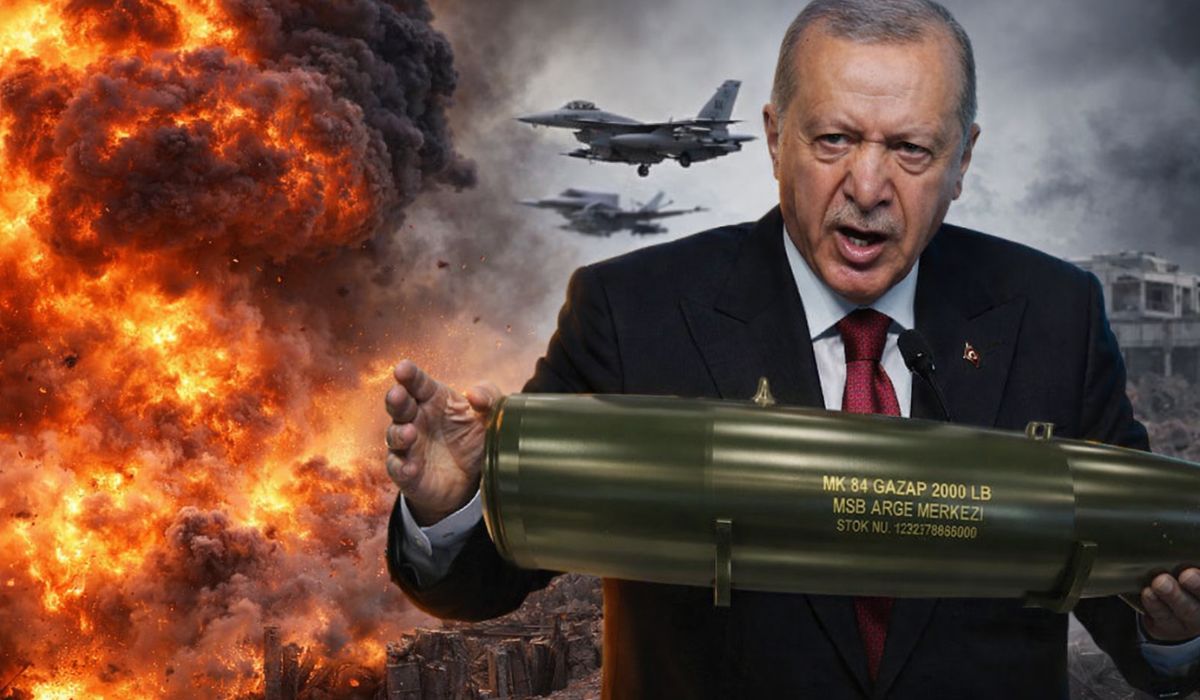
Weighing almost 1 ton, with temperatures of up to 3,000°C, the ability to launch 10,000 fragments within a radius of 1 km, capable of penetrating concrete and melting steel, Turkey’s terrifying bomb emerges as one of the most destructive non-nuclear weapons ever presented.
-
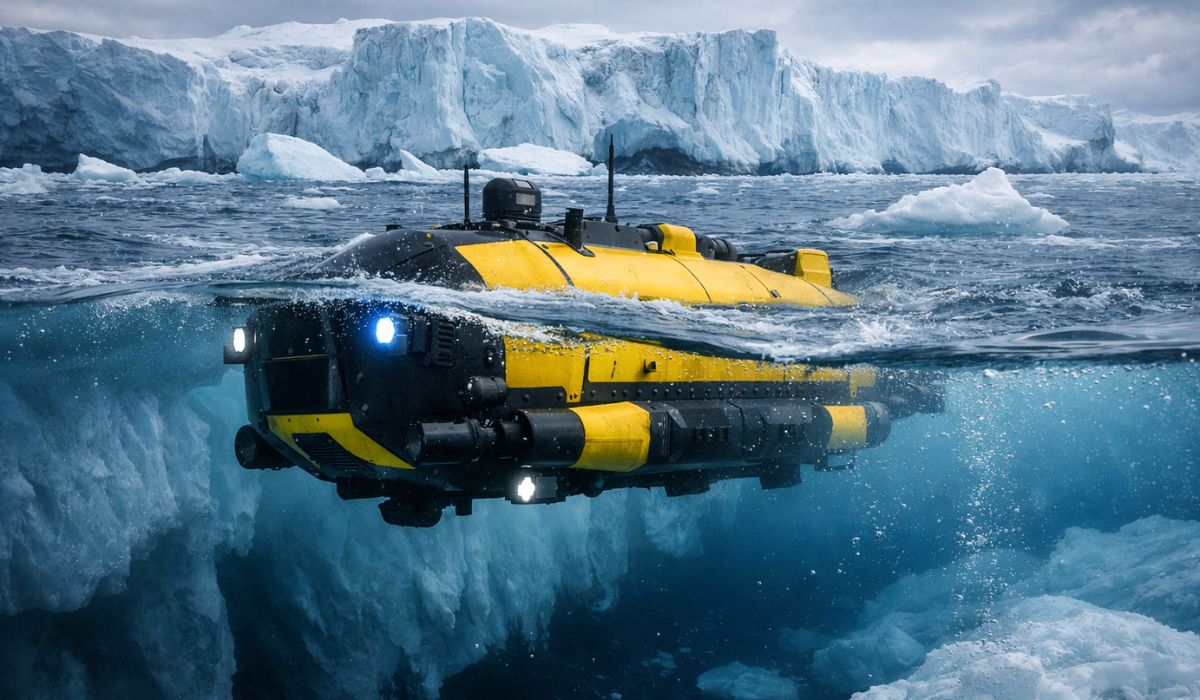
After a submarine disappeared beneath the “Doomsday Glacier,” scientists announce a new monstrous machine capable of operating at 3,000 meters depth to return to the heart of the ice and investigate a threat that could raise sea levels worldwide.

The extreme isolation and secrecy surrounding the region made it one of the most secretive places in the former USSR.
Preparatory Commission for the CTBTO ).
The Hidden Impact
Despite its strategic importance, the human cost was devastating. It is estimated that the radiation from the tests may have affected about 1.5 million Kazakhs, but the local population was never informed about the risks. For decades, people living nearby were unaware of the harmful impact of the underground and atmospheric explosions.
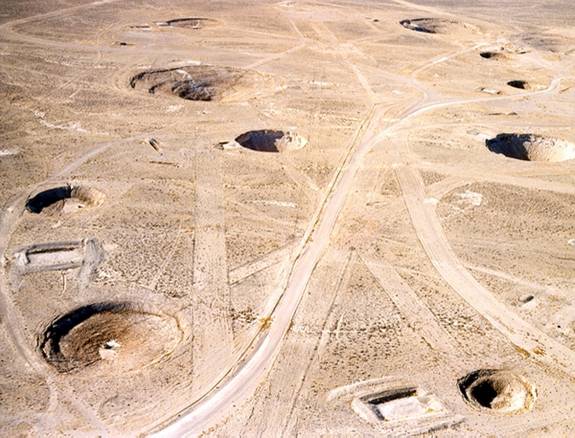
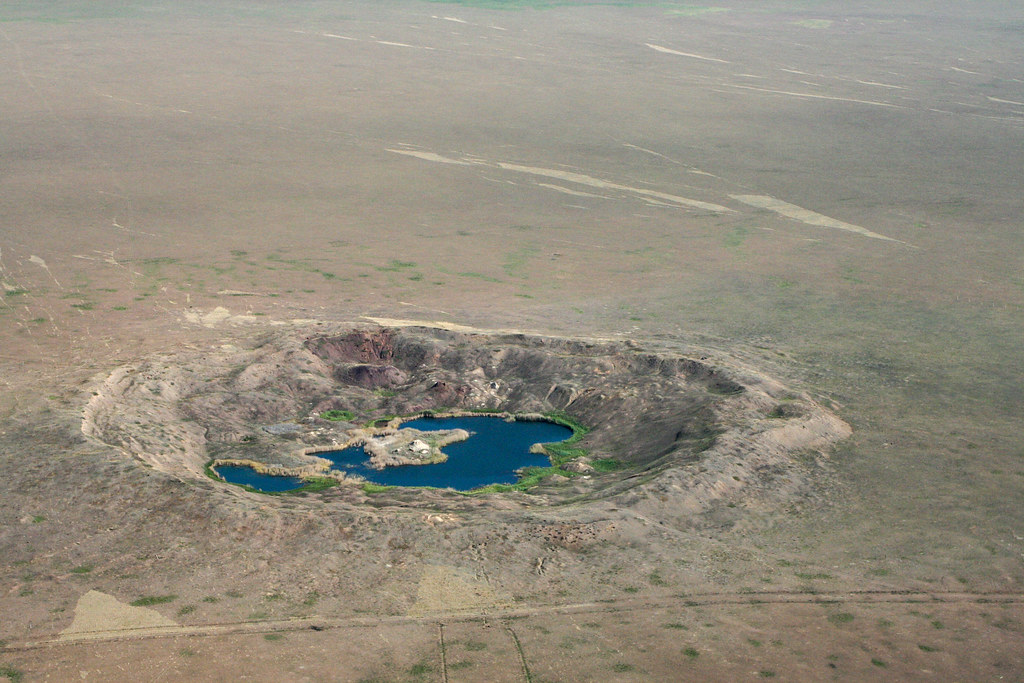
Today, the area still bears the scars of these events. Giant craters formed by underground explosions dot the landscape. While parts of the Semipalatinsk Test Site are open for visitation, many areas remain fenced off due to dangerously high levels of radiation.
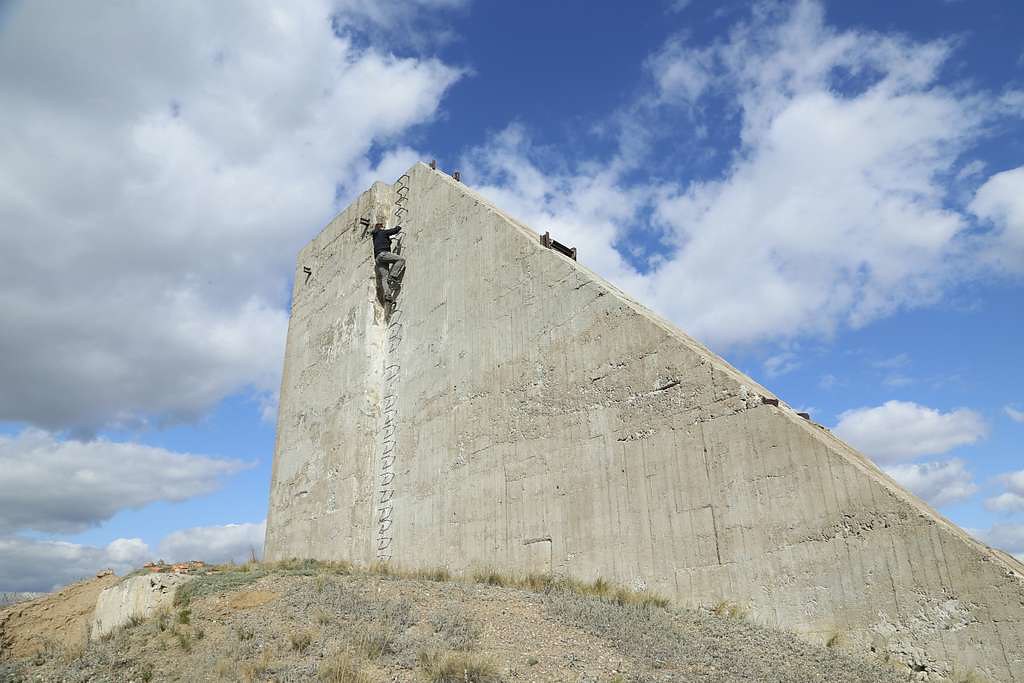
NARA ).
Kurchatov: The Ghost Town With Nuclear Test Records
On the outskirts of the test site lies the town of Kurchatov, named after the Soviet scientist Igor Kurchatov, the leader of the USSR’s nuclear program. Once a vibrant place inhabited by around 20,000 people, Kurchatov has become a shadow of its former self.
After the closure of the Semipalatinsk Test Site in 1991 and the withdrawal of Russian troops in 1994, the population migrated en masse, leaving behind a practically deserted town.
Still, traces of its former glory remain. A statue of Igor Kurchatov stands as a memorial to the time when the town was a center of scientific and military innovation. Today, Kurchatov attracts curious visitors and historians interested in Soviet nuclear history.
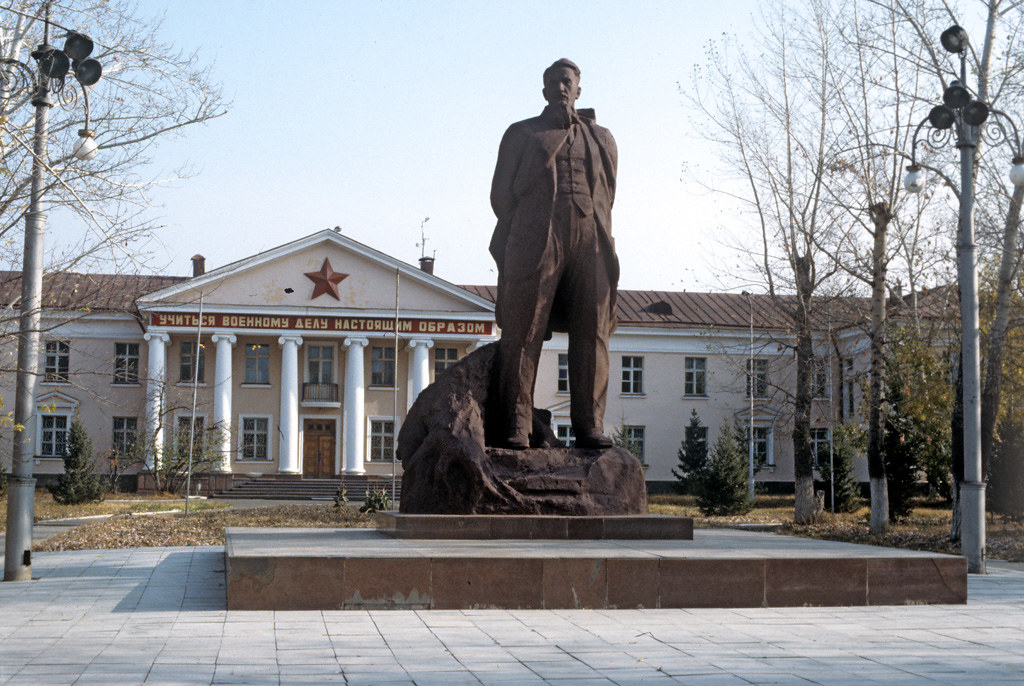
RIA Novosti ).
The Legacy of Destruction and Curiosity
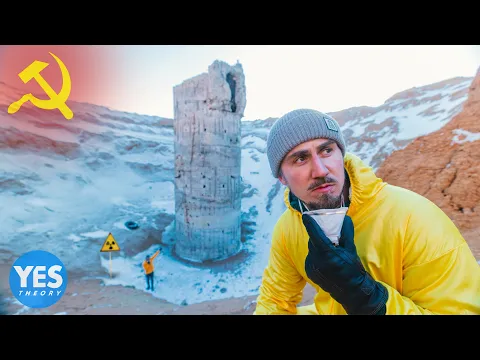
Recently, Yes Theory, an exploration and adventure channel, released a report visiting Semipalatinsk and Kurchatov. In the video, the presenters explored abandoned nuclear laboratories and tunnels that once stored plutonium, now flooded. One of the most impressive sites visited was Lake Chagan, a crater formed by the detonation of a hydrogen bomb on January 11, 1965.

The historical and environmental impact of Semipalatinsk is a reminder of the destructive power of nuclear weapons. Although testing ceased over three decades ago, the consequences persist. The once-secret region now opens its doors to the world, revealing a past that must not be forgotten.






O bicho homem é insano, constrói algo para destruí-lo, tudo por ambição é egoismo.