





 Portuguese
  English
  Spanish
  3 min of reading
  4 comments


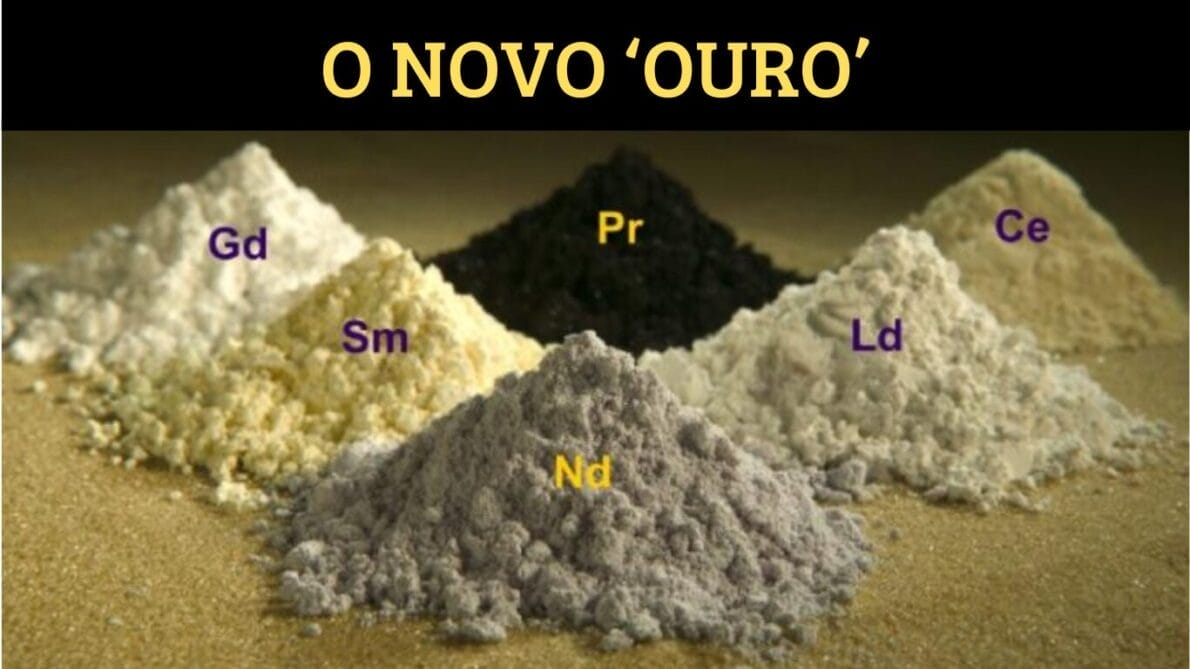

This Is The Third Largest Rare Earth Deposit In The World: Tests Reveal Record Recovery Of Rare Elements In Southern Minas Gerais!
Viridis Mining And Minerals, a prominent Australian company, recently announced significant advancements in its rare earth project in Poços de Caldas, Southern Minas Gerais. Metallurgical tests conducted at the Colossus complex revealed the highest global recovery rates of rare elements, solidifying the project as a world leader in the recovery of neodymium (Nd), praseodymium (Pr), dysprosium (Dy), and terbium (Tb), according to diáriodocomércio.
Record Recovery Of Rare Elements
The analysis of samples collected from the Colossus complex showed promising results, with an average recovery of up to 67% for neodymium and praseodymium, and 65% for dysprosium and terbium. The Colossus project covers 228.62 square kilometers and includes four main deposits. The specific results from the deposits were impressive:
- Northern Concessions: 63% for Nd + Pr and 65% for Dy + Tb.
- South Termite: 67% for Nd + Pr and 53% for Dy + Tb.
- Capão da Onça: 59% for Nd + Pr and 59% for Dy + Tb.
- Ribeirão: 59% for Nd + Pr and 49% for Dy + Tb.
Rafael Moreno, CEO of Viridis, expressed enthusiasm about the results, highlighting that these numbers exceeded expectations and position Colossus as one of the world’s leading projects for rare earth recovery using simple and effective extraction methods. “This is a good omen for the supply of a critical mineral asset with low Capex and Opex,” stated Moreno.
-
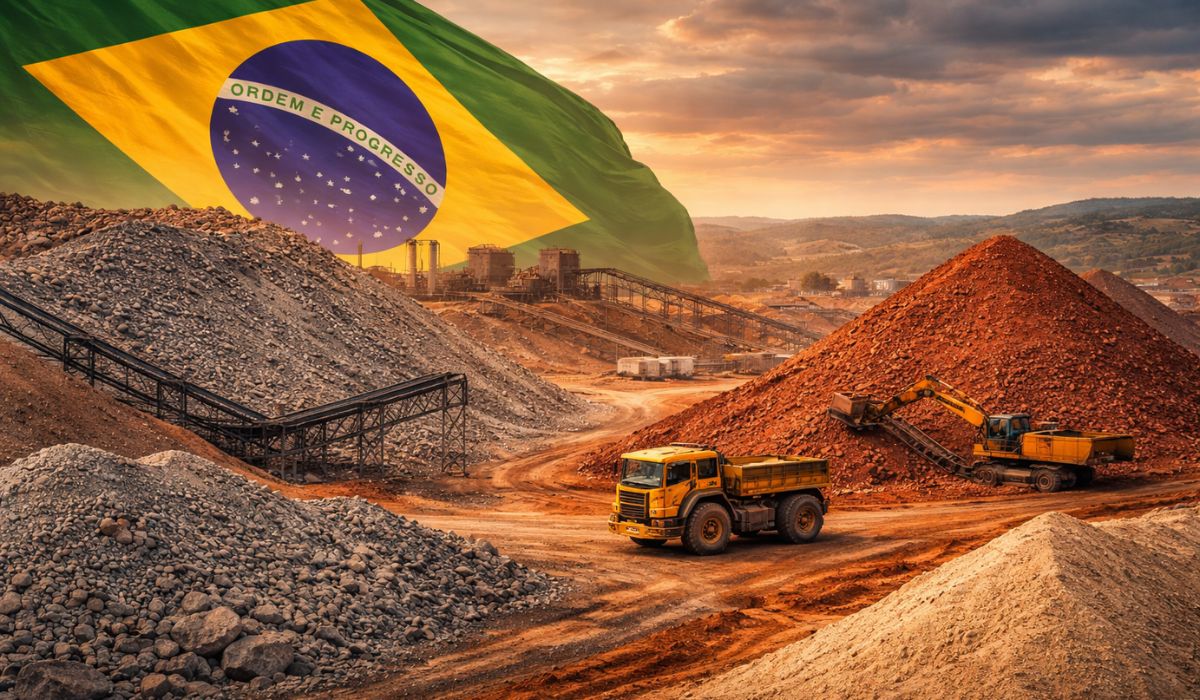
Brazil extracts 26.3 million tons of ore from what was previously treated as waste, transforming residues into wealth, producing over 3 million tons of sand, and demonstrating how national mining is relearning to generate value.
-
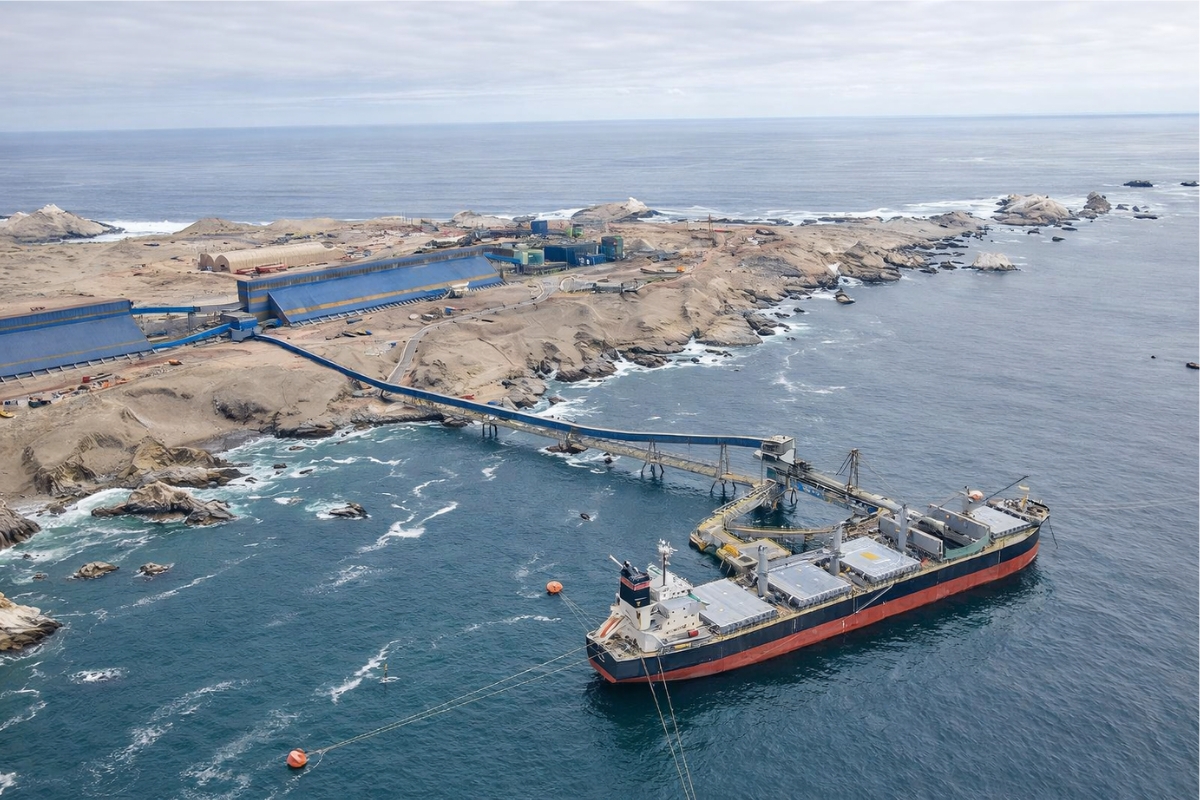
A $3.5 billion megaproject in Latin America pumps desalinated seawater at 1,050 liters per second over 194 km to keep a copper supermine in the Andes operational for another 20 years.
-
If the USA were to go to war with Brazil, Washington’s greatest fear would not be the attack itself, but facing a vast territory, prolonged resistance, and a costly, chaotic, and unpredictable occupation.

-
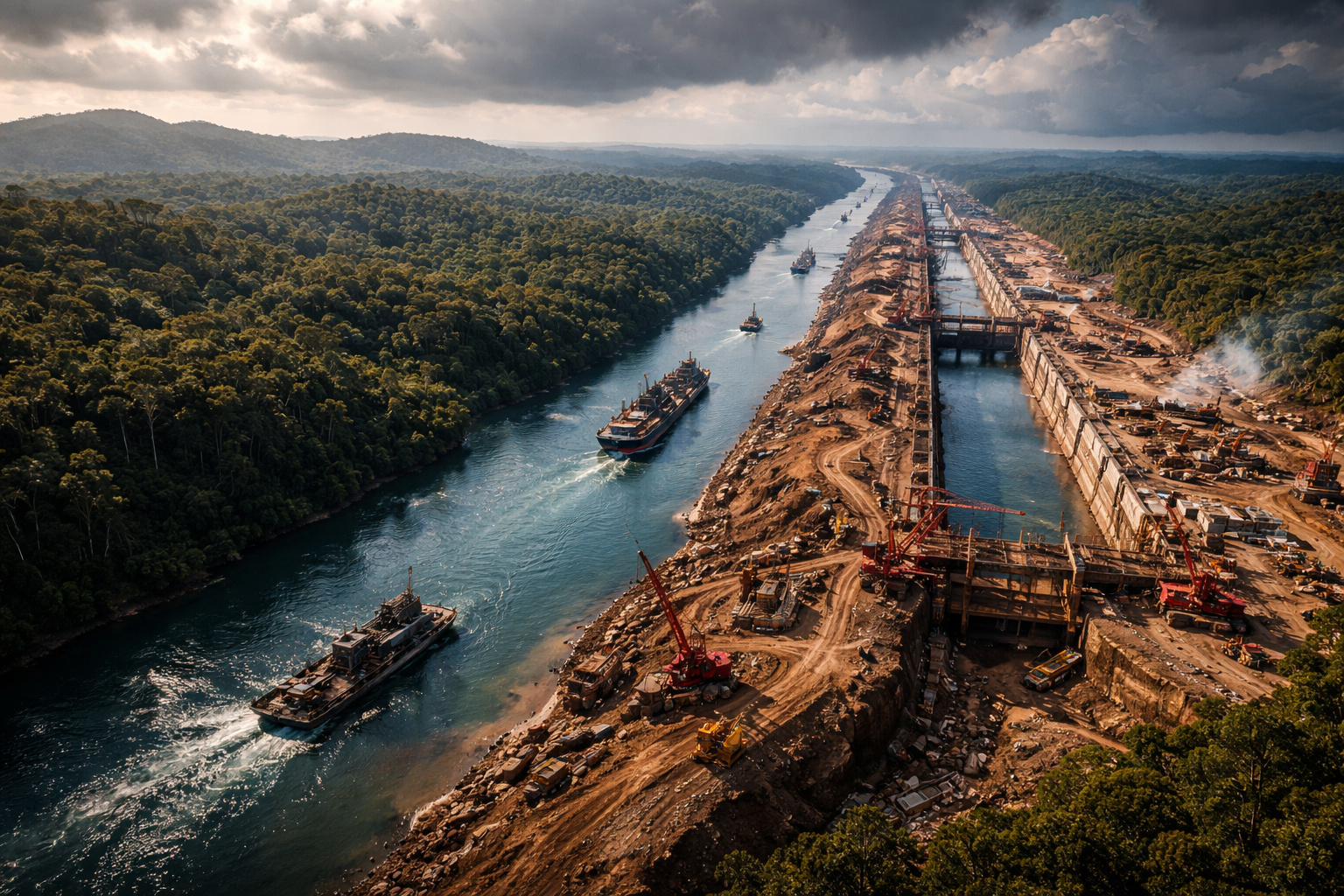
In 2013, Nicaragua sold the concession for a canal to rival Panama to a Chinese billionaire who lost 85% of his fortune, disappeared, and was declared bankrupt. Now the project resurfaces with a new route, a new Chinese partner, and a cost of $64.5 billion.



Lower Economic And Environmental Impact
The differentiator of the Colossus project lies in its ability to extract rare elements in an economically and environmentally sustainable manner. Unlike hard rock rare earth projects that require detonations, corrosive acids, high temperatures, and pressures, Viridis’s method uses a simple wash with saline solution at room temperature, such as ammonium sulfate. According to Moreno, this method avoids significant economic and environmental implications associated with traditional mining.
Moreno further emphasized that the consistency of the results confirms that most of the company’s rare earth mineralization in the region is linked to ionic clays. This type of mineralization allows rare elements to be extracted more simply and economically, without the need for complex and expensive industrial processes.
Investment Of More Than R$ 1 Billion In Minas Gerais
In August 2023, Viridis acquired 100% of the rare earth element rights for the Colossus project. In February of this year, the company signed an investment protocol with the government of Minas Gerais for the construction of a beneficiation and ore treatment plant in Poços de Caldas, with a total investment of R$ 1.35 billion.
This venture will not only create about 120 permanent jobs, but also promises to strengthen the production chain in the region, attracting other companies that use rare earths as raw materials. These elements are essential for a wide range of industrial and technological applications, from the manufacture of high-performance magnets to advanced electronic components.
A Promising Future For Rare Earth Mining
The advances in the Colossus project mark a significant moment for Viridis and the rare earth mining industry in Brazil. With innovative and sustainable extraction methods, the company is positioned to become a dominant player in the global rare elements market.
In addition, the project highlights the strategic importance of rare earths, which are essential for various technology industries. Viridis’s ability to provide these elements sustainably and economically could have a significant impact on the global supply chain, reducing dependence on less sustainable and more expensive sources.
In summary, Viridis is not only advancing its rare earth project in Poços de Caldas but also setting a new standard for the mining industry, combining innovation, sustainability, and economic efficiency.




Isso vai ser tudo pra fora, nada será benefício aqui
Tbm acho, vcs que devem se lembrarem dos tratados que os americanos tem com agente que temos que facilitar pra eles as colheitas de laranja e com uma qualidade acima de todas as nossas condições por causa das máfias deles.
O Brasil precisa criar leis, estrutura técnica e financiamento para não sermos apenas um fornecedor de matérias primas, más um país que transforma suas riquezas naturais em produtos finalizados com valor agregado que gera uma **** de empregos de médio e alto valor e capaz de desenvolver alta tecnologia.
Gostaria de saber: está viridis é brasileira ou é mais uma multinacional que usa seus conhecimentos e tecnologia para explorar nossos recursos de forma abusiva como sempre vinha acontecendo.