





 Portuguese
  English
  Spanish
  3 min of reading
  0 comments


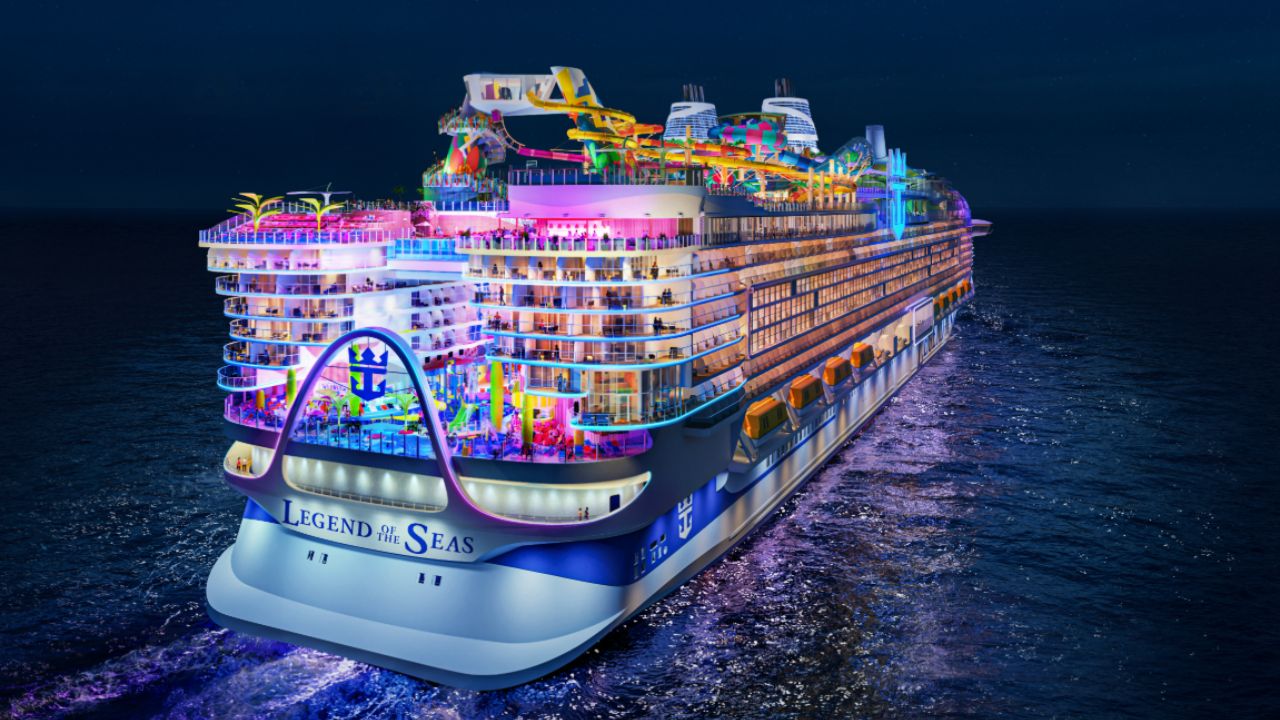
Five Times Larger Than The Titanic In Volume, The Royal Caribbean Giant Houses Nearly 10 Thousand People And Debuts The First Suspended Water Park At Sea.
The luxury tourism industry witnessed a historic milestone with the arrival of the Icon of the Seas, which officially took the title of the largest cruise ship in the world. With a monumental investment of approximately R$ 10 billion (US$ 2 billion), the vessel from Royal Caribbean International is not just a means of transportation but a platform of engineering that redefines global scale metrics. Built at the Meyer Turku shipyard in Finland, the project required a level of technological expertise that few builders in the world possess.
More than its price, what impresses about the largest cruise ship ever built is its paradigm shift. It was designed as a “small city” focused on maximizing revenue, offering more than 40 bars and restaurants and a myriad of paid attractions. According to industry sources, this strategy of creating more consumption venues on board is what allows amortizing the billion-dollar investment, transforming the vessel into a tourist destination in its own right, capable of competing with land-based resorts.
Five Times The Titanic: The Math of Scale
The frequent comparison that the new ship is “5 times larger than the Titanic” is not just marketing, but a technical reality based on internal volume. In the maritime industry, size is measured by “gross tonnage” (GT), which indicates the total volume of the vessel and its capacity to generate revenue through cabins and attractions.
-
A 68-year-old pizza delivery driver went off route to buy a soda that was missing from a visually impaired customer’s order, refused an extra tip, and now Dan Simpson has over R$ 546,000 in donations from people around the world who want to ensure he can retire peacefully on April 30.

-
Amateur archaeologists were searching a forest in Poland with metal detectors when they found a ceramic pot buried for over 1,500 years. Inside was a pure gold necklace weighing 222 grams, folded to fit in the vessel, and when experts examined the piece, they discovered it was the first Gothic torque ever found in Polish territory.

-
Millions of people have been eating pomegranates for centuries without knowing that this ancient fruit contains punicalagins, which scientists are studying for their possible effects on memory and vascular health.

-
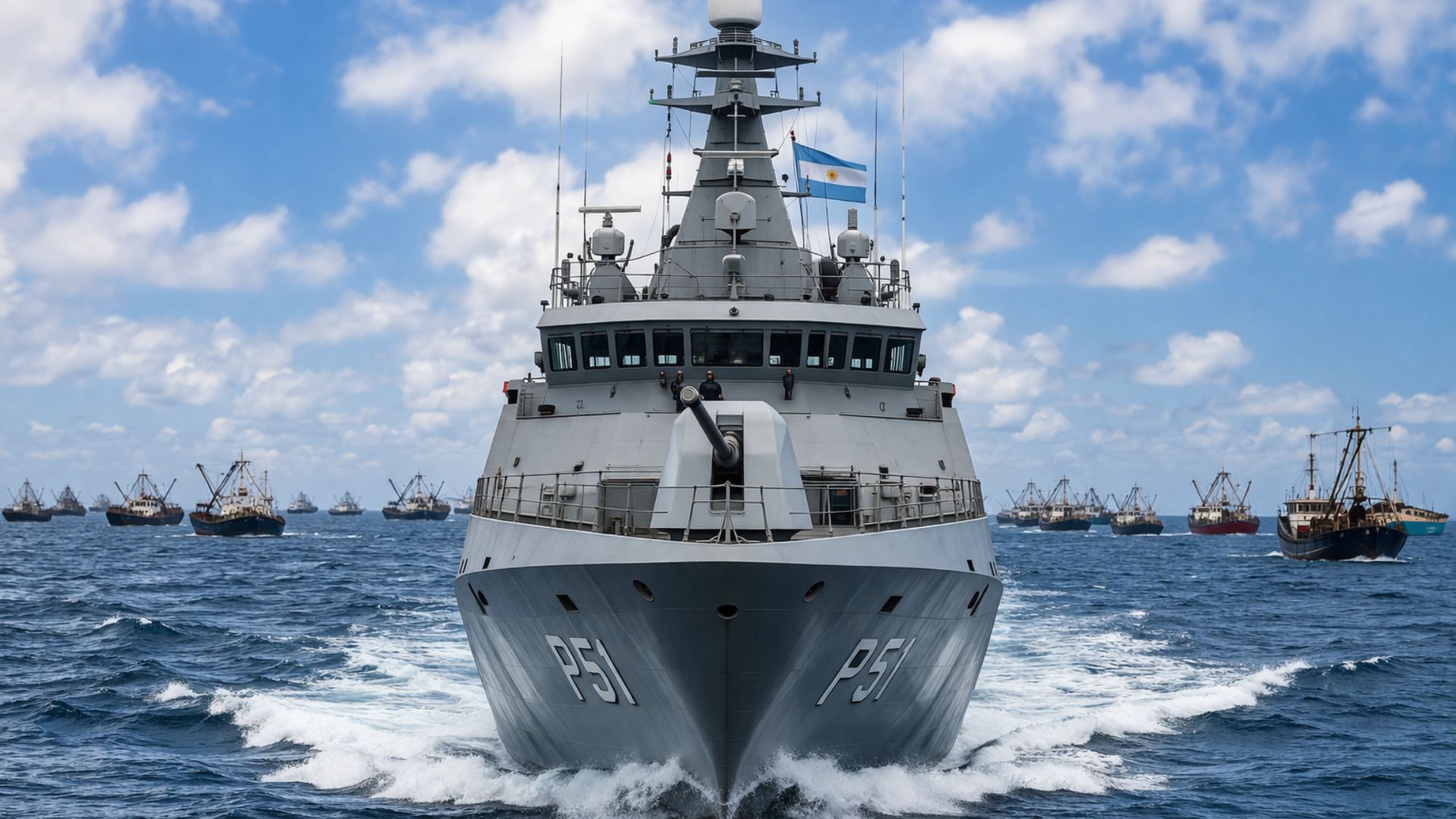
Argentina patrols the South Atlantic with ships built in France and monitors over 1.1 million km² with 87 m OPVs, a range of 7,500 miles, 360° radar, and a 30 mm cannon against illegal fishing in the 200-mile zone.
While the historic RMS Titanic registered 46,329 tons, the Icon of the Seas reaches an impressive 248,663 GT. This represents an internal volume 5.36 times greater. This colossal scale difference is what enabled the philosophical transition of the ship from mere transportation (as in the Titanic era) to a complex of experiences, with enough space to house entire neighborhoods and entertainment arenas distributed across its 20 decks.
A Metropolis For 10 Thousand “Inhabitants”

The logistics to operate the largest cruise ship in the world resembles the management of a municipality. Although many headlines cite “10 thousand passengers”, official data detail a maximum capacity of 7,600 guests (at full occupancy, using sofa beds and extra beds focused on families) plus a crew of 2,350 professionals.
This totals 9,950 people on board at maximum capacity. The crew of 2,350 members forms a true “operational shadow city”, dedicated to keeping hospitality services, engineering, and the vast entertainment ecosystem running uninterrupted at sea.
Extreme Engineering: The Suspended Water Park
Among the most notable innovations is the “Category 6”, located in the Thrill Island neighborhood. With 17,000 square feet, this is the largest water park ever installed on a ship. The major technical novelty is the suspended raft slides, a first in naval engineering.
Attractions like Storm Surge and Hurricane Hunter allow rafts with up to four people to slide out of the ship’s main structure, creating the sensation of being suspended above the ocean. The park also features the Frightening Bolt, touted as the tallest drop slide at sea, and the Pressure Drop, the first free-fall slide with a 66-degree incline on a cruise ship, solidifying the ship’s focus on high-adrenaline experiences.
The Icon of the Seas represents a turning point in the industry. By investing billions in a platform that functions as a complete resort, Royal Caribbean signals that the future of cruising is not about visiting multiple destinations, but making the ship itself the main destination.
Would you trade a traditional trip to explore various cities for a whole week inside this floating giant? Do you believe that the “ship as a destination” trend is here to stay? Share your thoughts in the comments.







-

Uma pessoa reagiu a isso.