





 Portuguese
  English
  Spanish
  3 min of reading
  2 comments


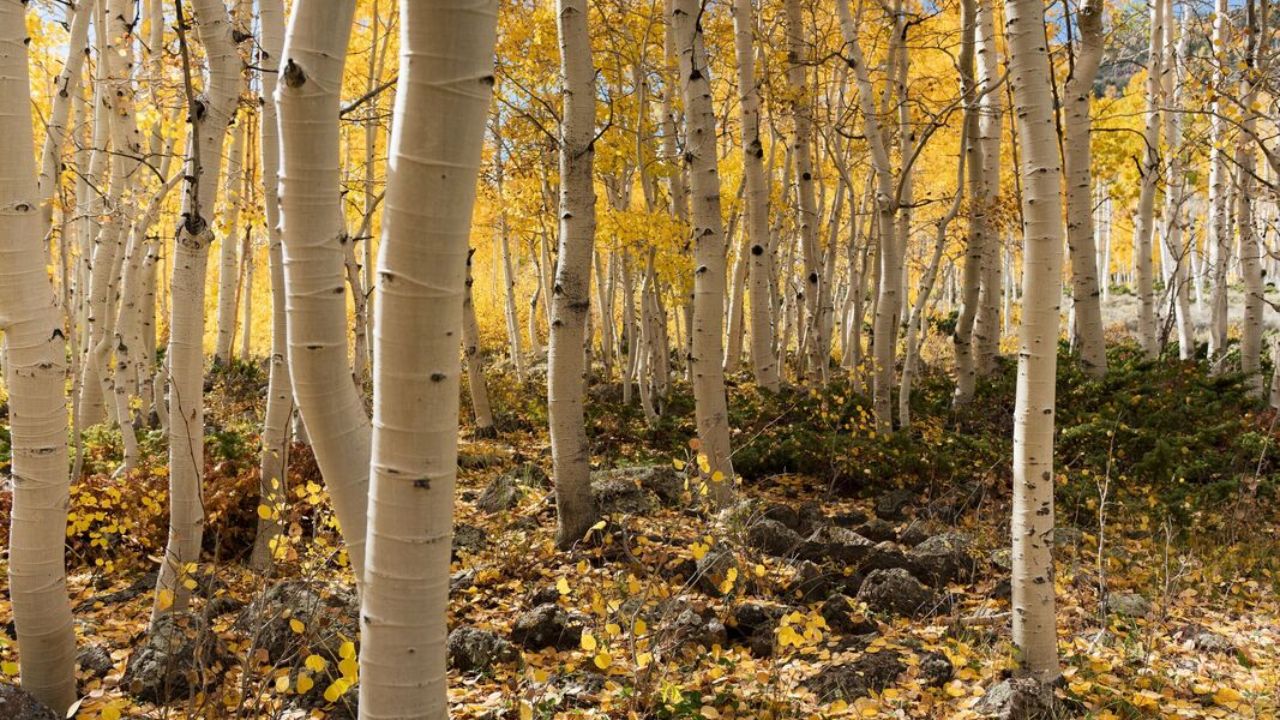


A Colony Of Cloned Poplars, Weighing Over 6,000 Tons And Thousands Of Years Old, Is Being Slowly Destroyed By Overgrazing, Diseases, And The Devastating Effects Of Climate Change – And It May Disappear Forever!
What do you imagine when you think of the largest living organism in the world? A blue whale? Perhaps a giant sequoia? The answer may surprise you: it is Pando, a vast colony of genetically identical quaking aspens that spreads over 106 acres between Las Vegas, Nevada, and Salt Lake City, Utah, in the United States.
Though it has withstood the test of time for thousands of years, Pando is now facing an invisible but devastating enemy: the hunger of deer and elk, as well as diseases and the effects of climate change. Will this natural giant be able to survive the 21st century?
What Is Pando?
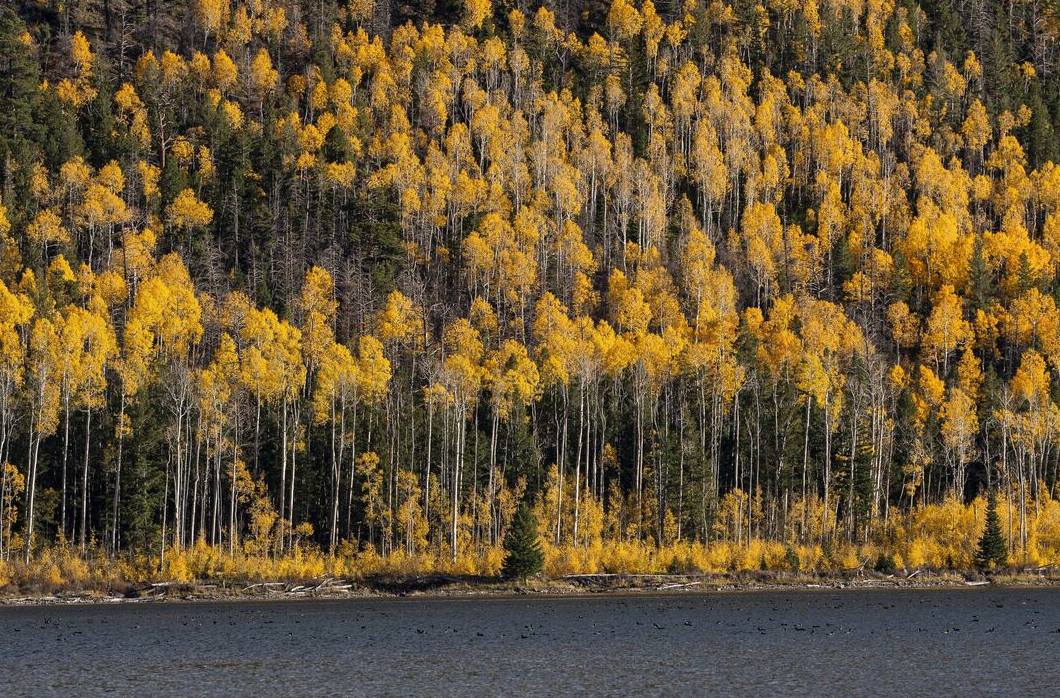
Pando is not just a forest, but a giant single organism. This is because all of its trees share a connected and genetically identical root system, functioning as a single living entity. Weighing approximately 6,000 tons, Pando is considered the largest and heaviest organism on the planet.
-
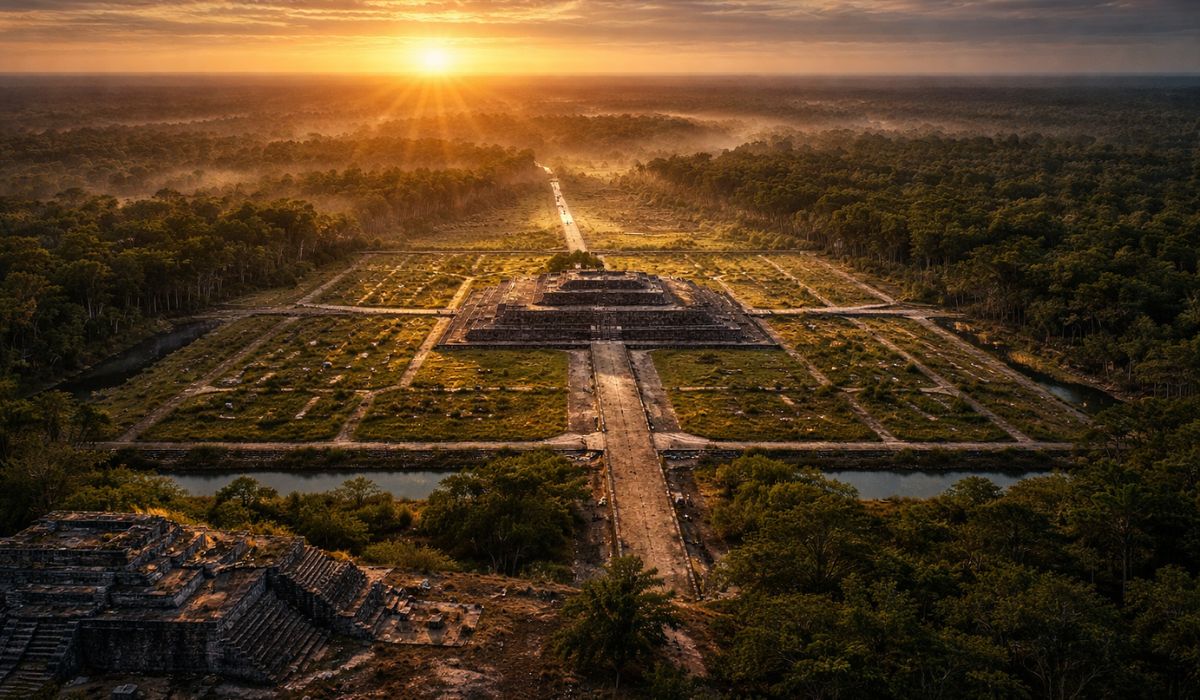
In Mexico, a 3,000-year-old Maya site with the dimensions of an entire city may have been built as a colossal map of the cosmos, created to represent the order of the universe and reveal how this people organized space, time, and rituals.
-
Japan wants to build a solar ring of 10,900 kilometers on the Moon to continuously send energy to Earth.

-
Weighing almost 1 ton, with temperatures of up to 3,000°C, the ability to launch 10,000 fragments within a radius of 1 km, capable of penetrating concrete and melting steel, Turkey’s terrifying bomb emerges as one of the most destructive non-nuclear weapons ever presented.

-
After a submarine disappeared beneath the “Doomsday Glacier,” scientists announce a new monstrous machine capable of operating at 3,000 meters depth to return to the heart of the ice and investigate a threat that could raise sea levels worldwide.


This green giant has withstood drastic changes in the environment for thousands of years. European settlers, wildfires, and even climate variations have not been enough to bring it down. But now, an unexpected challenge threatens its existence.
The Silent Threat
The largest living organism in the world is being devoured from the inside out – and the culprits are much smaller than it. Overgrazing by deer and elk has prevented Pando from regenerating, as these animals feed on the new shoots, hindering the growth of new trees.
Paleoecologist Dr. Richard Elton Walton noted that in the past, wolves and cougars kept the populations of these herbivores in check. With the drastic reduction of natural predators, their herds have grown uncontrollably, turning Pando into a true feast.
To make matters worse, these animals know they are safe there: as it is a protected forest, hunting is not allowed. Thus, the situation becomes a vicious cycle – deer and elk continue to graze unthreatened, and Pando becomes increasingly vulnerable.
Other Threats Facing Pando
If herbivores were the only problem, the organism would still have chances to recover. But there are other, more complex threats to its survival.
The older trees of Pando are being struck by fungal diseases, such as sooty bark canker and leaf spots, which weaken their structure. This makes it difficult to replace the trees that die, as the new saplings cannot grow due to overgrazing.
Global warming also enters the equation. With higher temperatures, Pando has less water available, making growth more challenging and increasing its susceptibility to wildfires. Additionally, the warmer climate accelerates the spread of diseases, putting even more pressure on the organism.
The Future Of The Largest Living Organism In The World
Pando has already survived for thousands of years, enduring environmental changes and extreme events. But now, its survival depends on human action.
Without effective measures to curb overgrazing, combat diseases, and mitigate the effects of climate change, this giant of nature may slowly disappear, one tree at a time.
The largest living organism in the world may not have a voice to ask for help, but science and conservation can ensure that it continues to exist for millennia. The question remains: will we be able to save it in time?







E eu quero
😭😭😭😭😭😭😭