





 Portuguese
  English
  Spanish
  3 min of reading
  0 comments


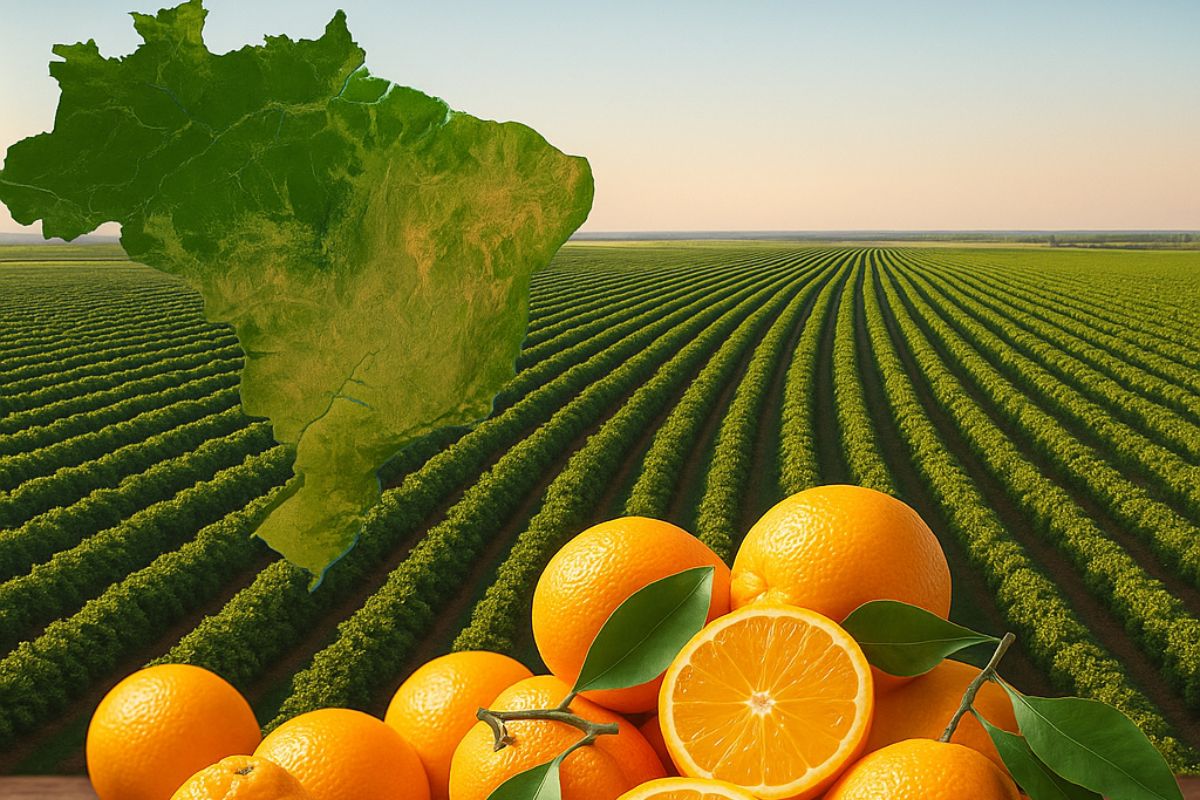
Threatened By a Plague Devastating the Orange Groves in São Paulo, the Two Largest Orange Juice Producers in the World Are Engaged in a Strategic Dispute to Create a New and Giant Agricultural Frontier in Mato Grosso do Sul.
A silent but billion-dollar “orange war” is redrawing the map of agribusiness in Brazil. On one side, Citrosuco, from the Fischer and Votorantim groups. On the other, its eternal rival, Cutrale. The two giants, which together dominate the global orange juice market, are in a race to see who will have the largest orange grove in Brazil, and the battlefield has moved from São Paulo to the Midwest.
Threatened by a devastating plague, the companies are looking for new lands for the survival of their empires. The dispute will define not only the future of the companies, but also the new epicenter of national citrus cultivation.
The Common Enemy: The “Greening” Plague That Threatens the Orange Groves of São Paulo
The main reason for this strategic migration is a disease called Huanglongbing (HLB), or “greening.” Transmitted by a small insect, the plague has no cure and is fatal for orange groves. It turns the fruit bitter, lowers productivity, and ultimately kills the plant.
-
The U.S. Army surprises the world by presenting the UH-60MX Black Hawk helicopter capable of flying without pilots, controlled by a tablet, featuring the MATRIX system, smart sensors, and full autonomy in real combat and rescue missions.

-
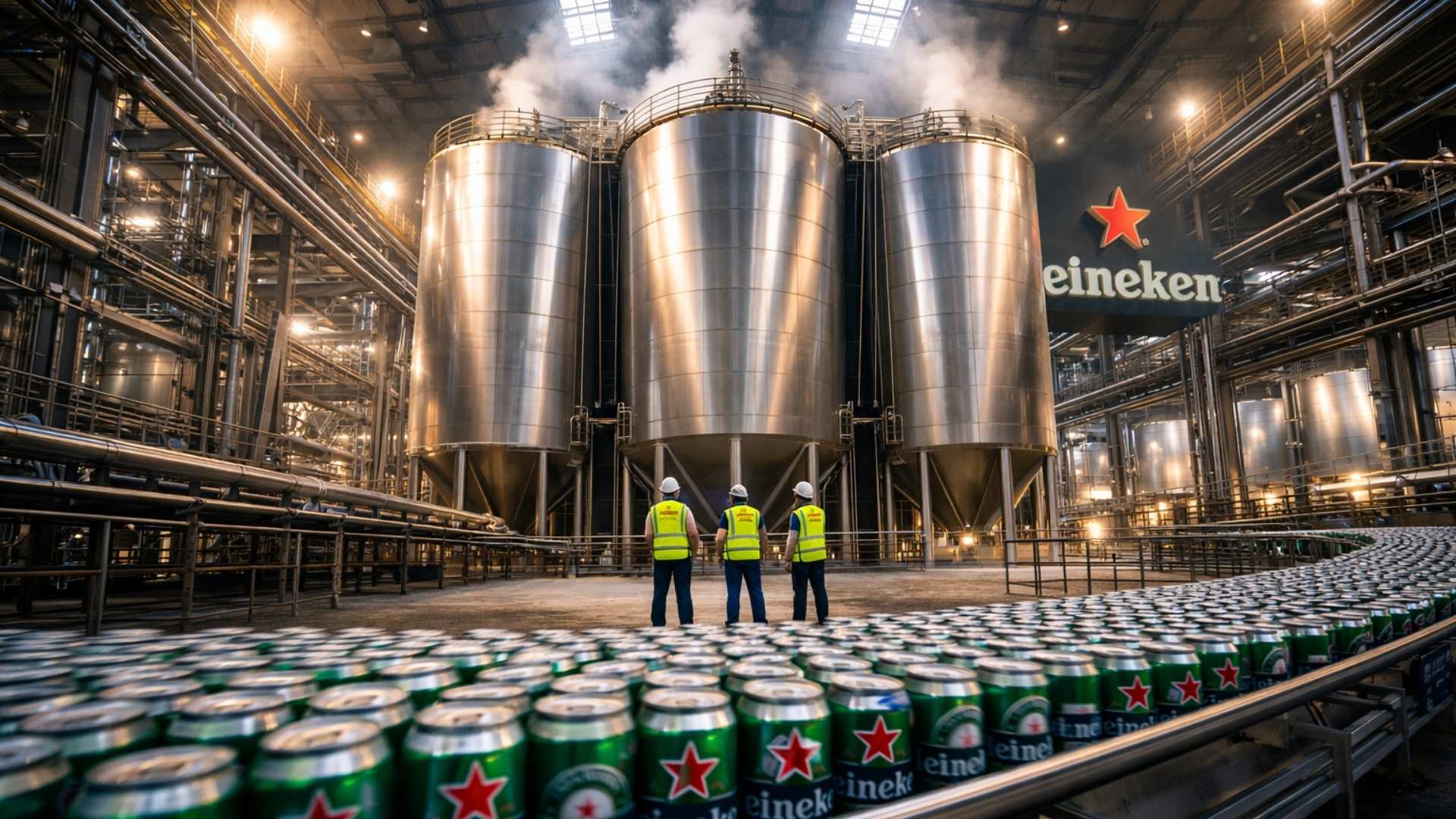
Heineken’s factory in Brazil produces 300 million beer cans in just 4 months, reaches 1 million hectoliters, received R$ 2.5 billion, and is already projecting an annual capacity of 5 million with sustainable technology.
-
Inside an active volcano in Africa, residents use volcanic rocks to build houses in an impressive setting.

-
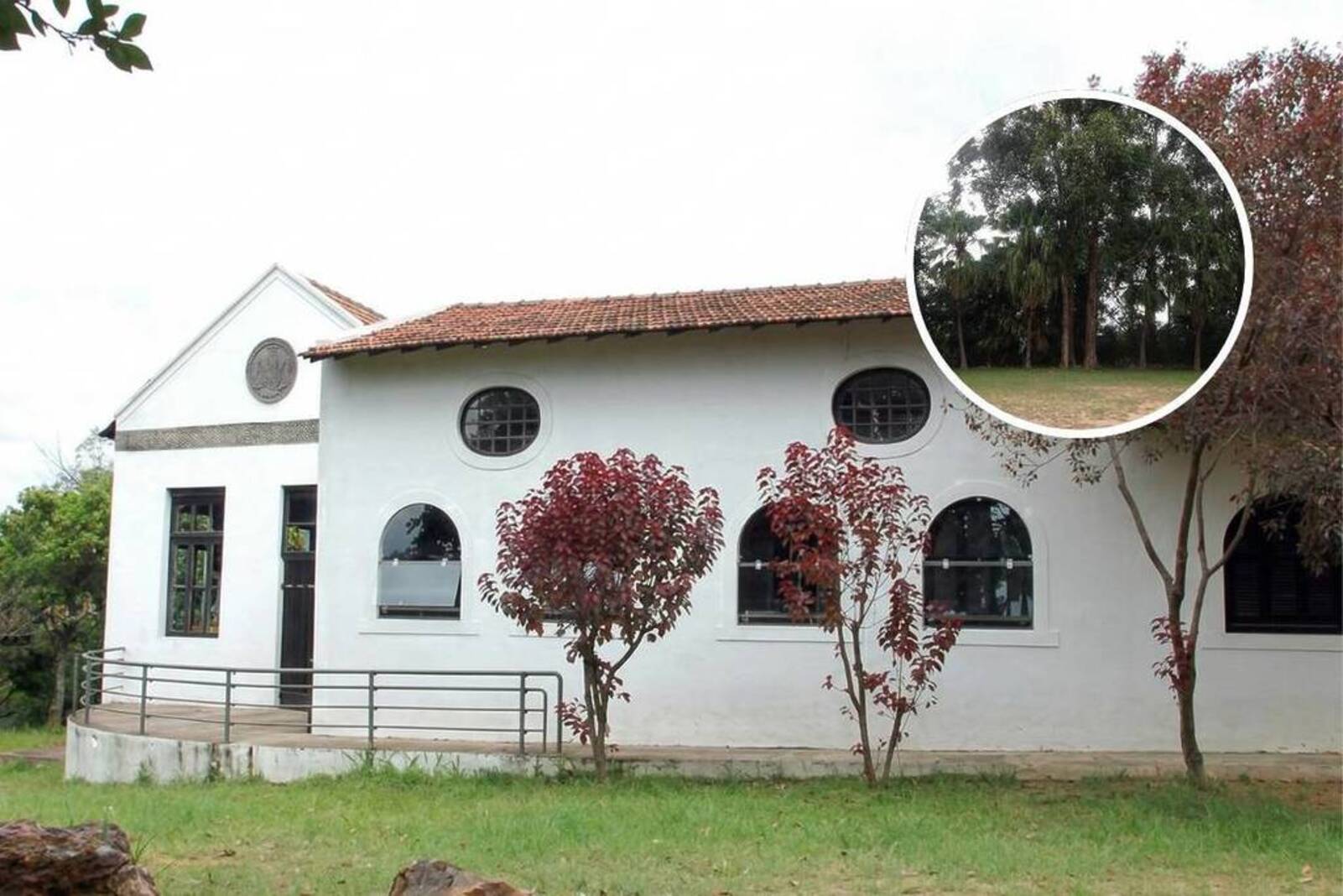
After 14 years of waiting, a rammed earth mansion built in 1702 in the North Zone of São Paulo will become a park with leisure facilities and green areas, with a million-dollar investment.
The disease has aggressively spread through the traditional “Citrus Belt” of São Paulo and Minas Gerais, making replanting in the region a high-risk bet. The search for “clean” land free of the plague has become a question of survival for the industry.
Citrosuco and Its Numbers: The Leader in Planted Area
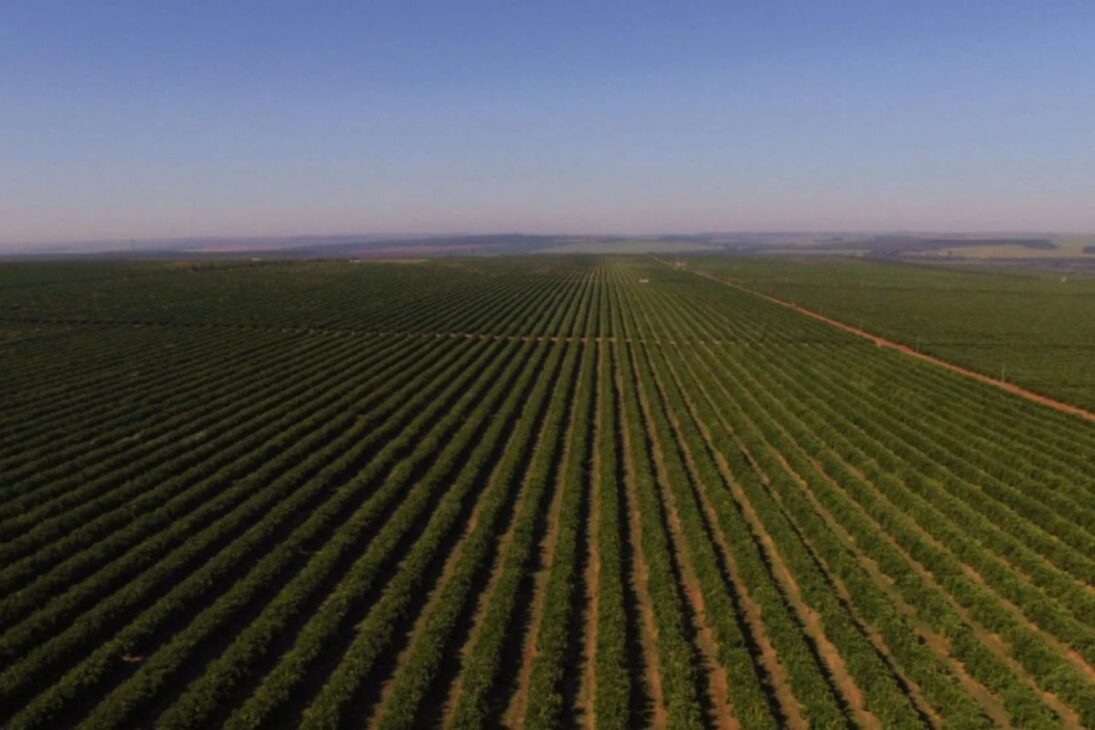
Citrosuco, the result of the merger of Fischer Group’s company with Votorantim’s Citrovita, is now the leader in terms of consolidated area. The company has 29 farms and about 40,000 hectares of its own orange groves, spread across São Paulo and Minas Gerais.
In addition to its orchards, Citrosuco complements its production with a network of over a thousand partner producers. In total, the area supplying oranges to the company reaches an impressive 130,000 hectares, making it the largest orange juice producer in the world, accounting for 25% of the global market.
The Offensive of Cutrale: The Megaproject of R$ 500 Million in Mato Grosso do Sul
Although traditionally holding a smaller area, with about 35,000 hectares in 22 farms, Cutrale has executed the most aggressive and bold move of the last decade. The company has launched a megaproject to create a new citrus hub in Mato Grosso do Sul.
Announced in 2024, the initial investment is R$ 500 million to plant 5,000 hectares of oranges at Fazenda Aracoara, in Sidrolândia (MS). The project plans to plant 1.73 million new irrigated orange seedlings, with implementation to be completed by April 2026.
The Dispute for the New Frontier: Who Will Have the Largest Orange Grove in Brazil?
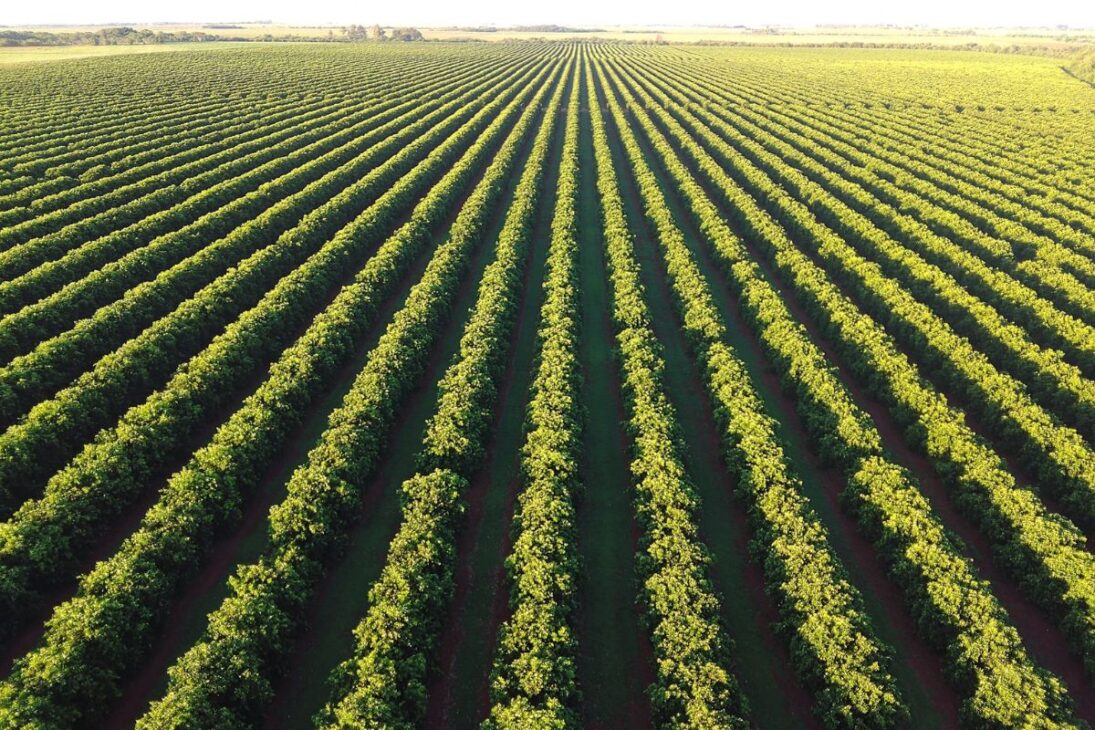
Cutrale’s plan, however, goes much further. The long-term goal is to use this initial investment as a springboard to create a citrus hub of 30,000 hectares of oranges in the region, including both owned and partner lands. If achieved, this will become the largest orange grove in Brazil in a single concentrated region.
The pioneering move by Cutrale forced a reaction from its rival. To avoid losing ground in the new frontier, Citrosuco has already begun negotiations with the government of Mato Grosso do Sul to also establish itself in the state, probably on the east coast. The race for the new “orange capital” is officially on.
The Future of Orange in Brazil: The Migration from the Southeast to the Midwest
The “orange war” between Citrosuco and Cutrale is changing the geography of citrus cultivation in Brazil. The “greening” crisis has accelerated a migration movement that is expected to consolidate Mato Grosso do Sul as the new “promised land” for orange production.
The success of these megaprojects will depend on significant investments in logistics and infrastructure, but the movement already seems irreversible. The dispute to see who will have the largest orange grove in Brazil is not just a battle between two companies, but the birth of a new hub for the national agribusiness.







-

-

-

-

-

-

146 pessoas reagiram a isso.