





 Portuguese
  English
  Spanish
  3 min of reading
  0 comments


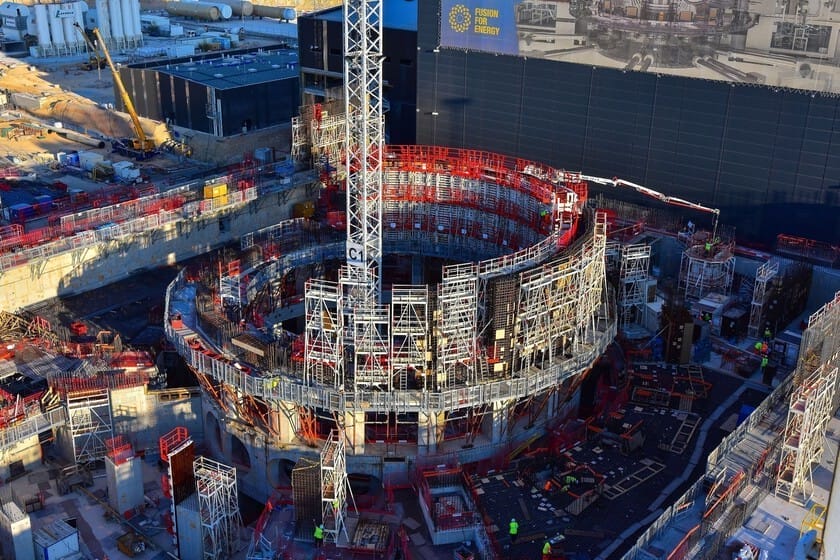
The Largest Nuclear Fusion Project in the World, ITER, Delays Its Inauguration to 2033. Design Changes and New Timelines Promise to Revolutionize Clean and Unlimited Energy Production
The ITER council has formalized a widely known secret: the world’s largest and most expensive nuclear fusion reactor, crucial for the future of energy, has delayed its inauguration by a decade. There is a new development plan, which includes significant design changes.
What Is ITER and How Can It Revolutionize Energy?
The International Thermonuclear Experimental Reactor (ITER) is a monumental scientific project of nuclear fusion, involving 35 of the largest economies in the world. The European Union contributes 40% of the funding, while China, India, Japan, South Korea, Russia, and the United States provide the remaining 60%.
The reactor is under construction in Cadarache, in southern France. It is based on the Tokamak design, a toroidal device that uses a powerful magnetic field to confine hot plasma at extremely high temperatures (about 150 million degrees Celsius), enabling the fusion of hydrogen nuclei and releasing clean and virtually unlimited energy.
-
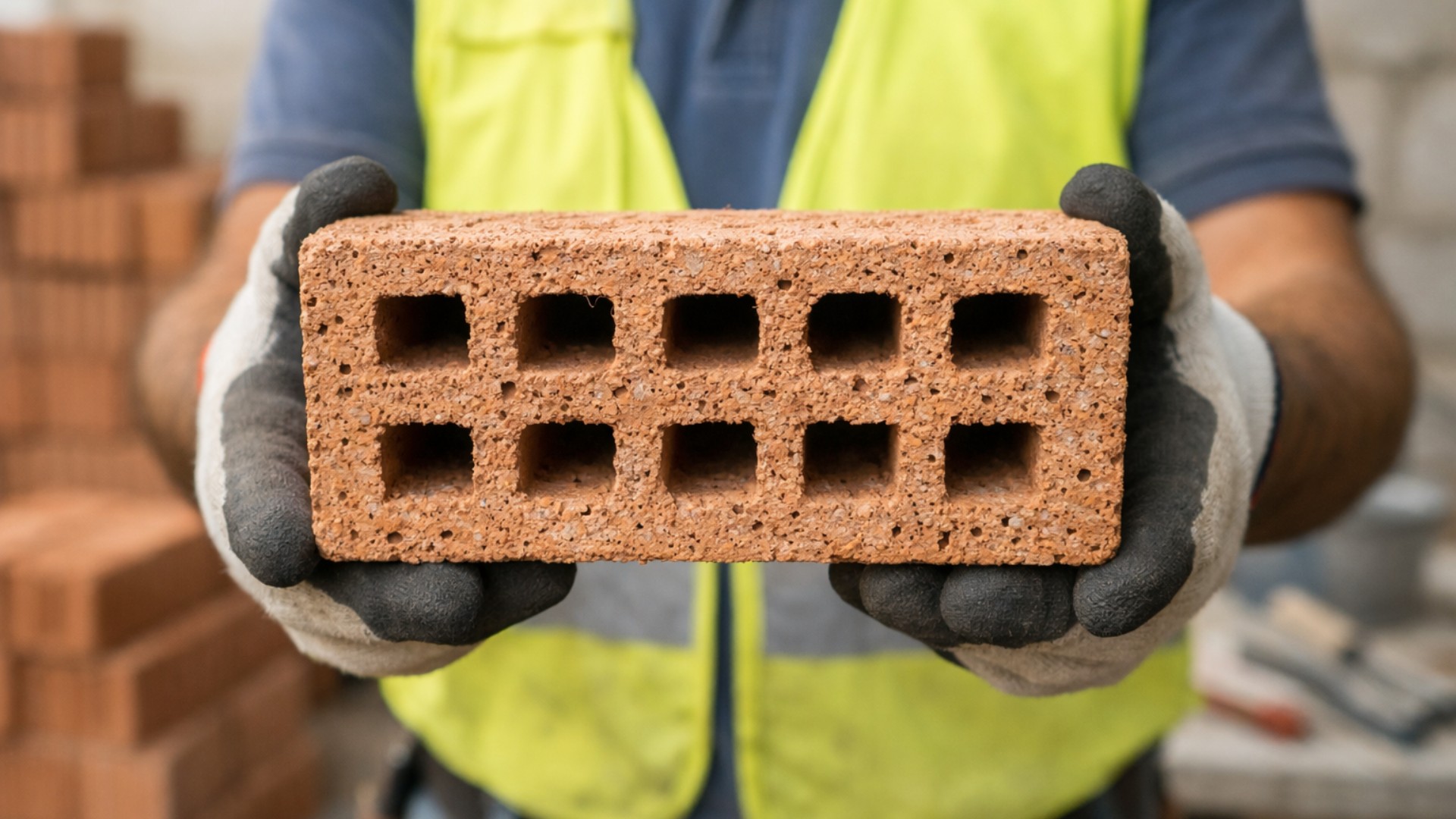
Scientists use sawdust mixed with clay to create a lighter brick, promising efficient thermal insulation and impressing by transforming waste into a solution for construction.
-
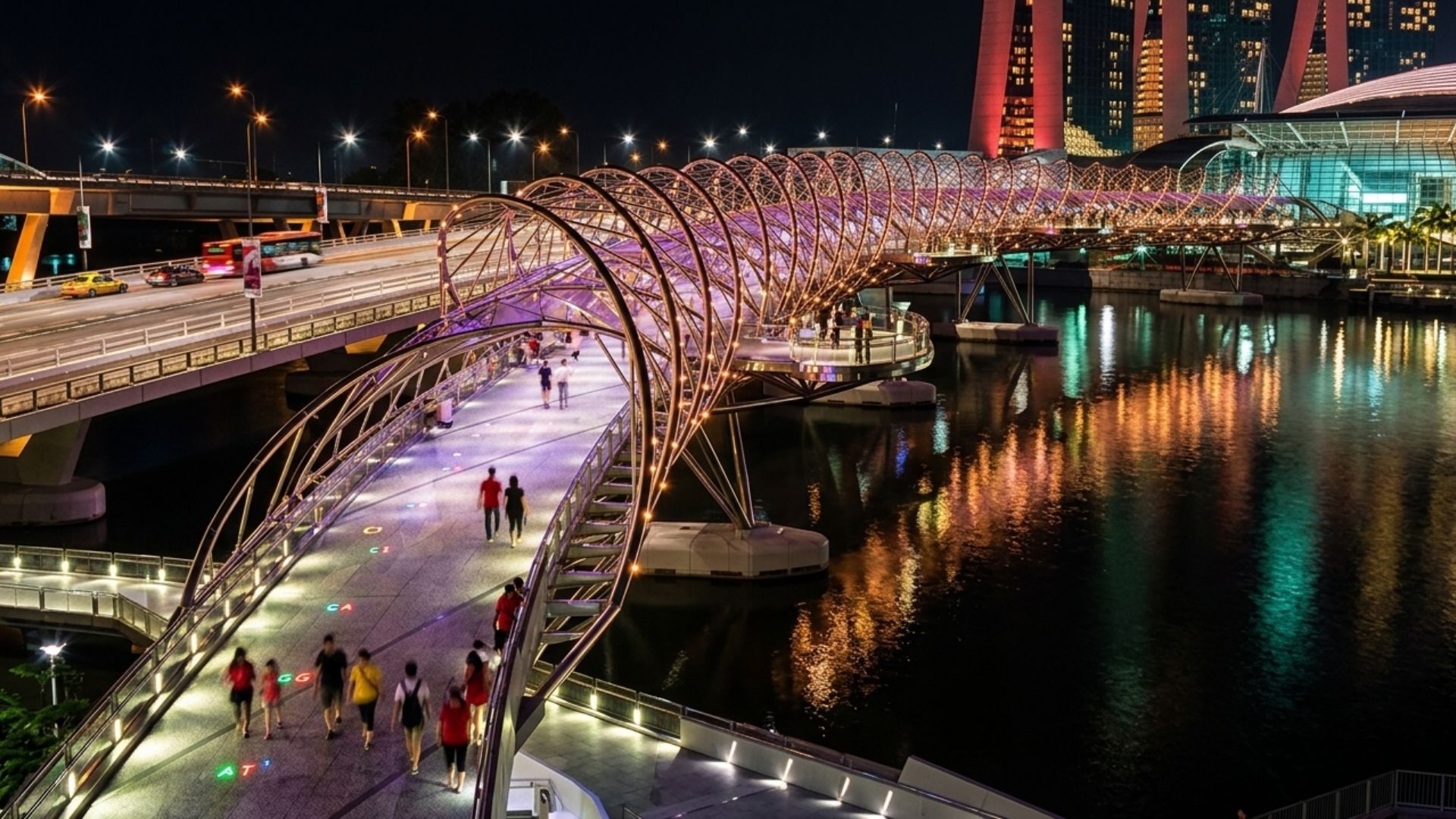
With a DNA shape, this bridge in Singapore draws attention in modern architecture and surprises tourists by transforming a simple crossing into an unforgettable visual experience in the urban heart.
-
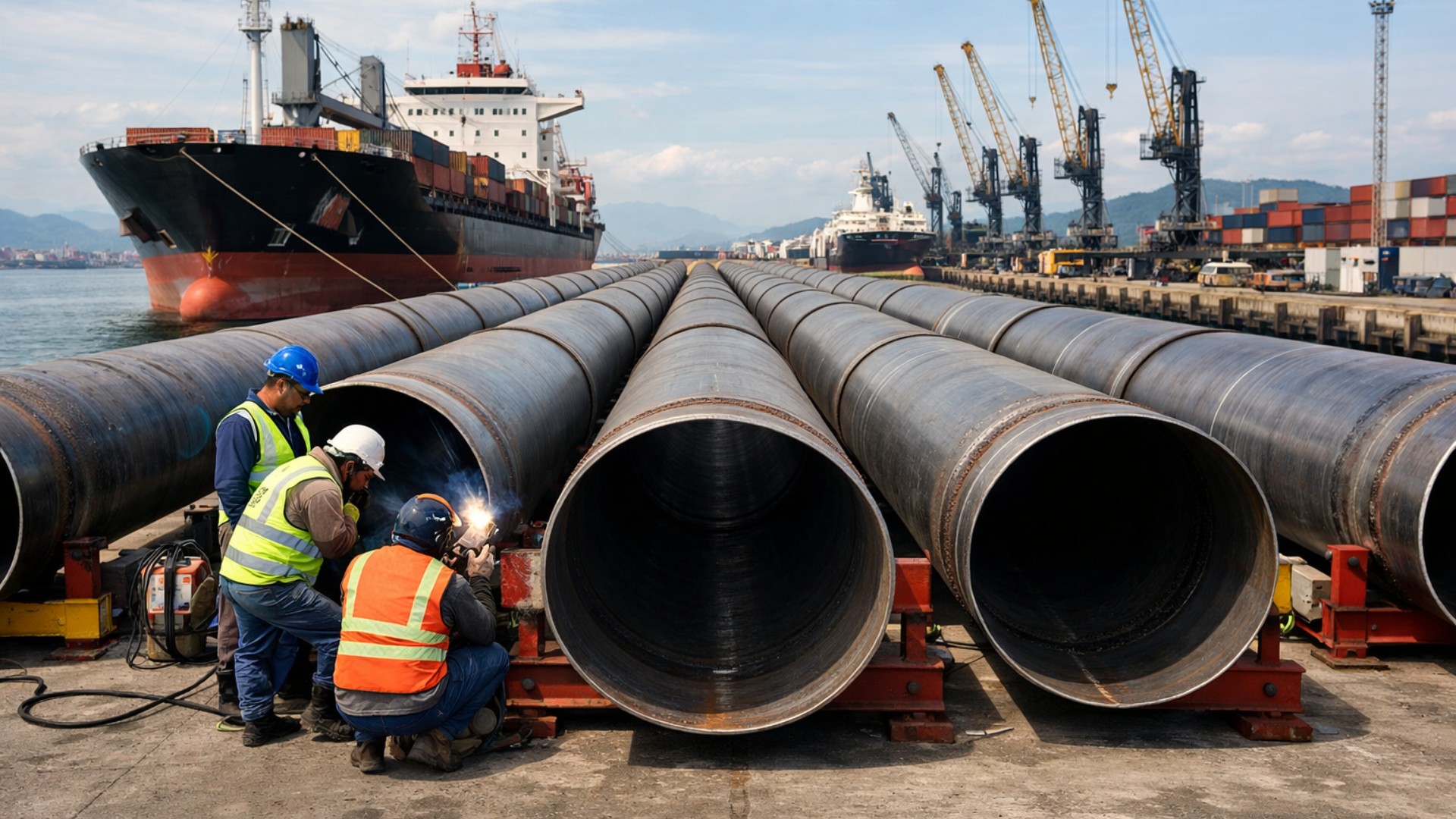
Giant underwater pipeline begins to take shape with a R$ 134.7 million project at the Port of Santos: the 1.7 km structure uses 12-meter and 700 mm pipes to supply water to 450,000 people in Guarujá.
-
A mason reveals a professional plastering technique that uses aligned guides and a 3-meter ruler to plaster an entire wall in up to 3 hours, without visible seams, with uniform thickness, perfect plumb, and a finish ready for painting without rework.


ITER is a scientific project that aims to demonstrate the integration of the systems necessary for large-scale nuclear fusion operations. It will be the largest tokamak in the world, capable of confining a plasma volume of 840 cubic meters in a flow of 6.2 meters in diameter.


A New Timeline
An ambitious project faces all kinds of difficulties, and ITER has known for years that it would be unable to meet the goals of the plan set since 2016, neither in terms of deadlines nor budgets. However, it was only now that they decided to halt the snowball with design changes and a new reference plan.
The old plan aimed to complete the assembly of the reactor and achieve the first plasma in 2025, with a brief low-energy test. The new plan postpones this to 2033, but with a full-duration test to allow for a research operation phase starting in 2024.
The new plan also delays the attainment of full magnetic power from 2033 to 2036. And the start of the final operation phase from 2035 to 2039.
Design Changes
The new reference plan also provides the necessary time to implement changes in the reactor’s design. The most important change is that ITER will use tungsten instead of beryllium in the first wall, the one facing the plasma directly.
No fusion reactor uses beryllium, and ITER admits that this choice was a mistake. Tungsten is more relevant for future demonstration machines and commercial nuclear fusion devices in 2060.
Reasons for the Delay
In a press conference by the council, Pietro Barabaschi, the director-general of ITER, blamed the delay on:
- The COVID-19 pandemic, which impacted the project with reduced personnel, factory closures, and delays in shipments and inspections
- Issues with the availability of components and suboptimal quality in the reactor’s design
- Internal cultural problems and an overly optimistic timeline for reactor assembly and plasma achievement
The new plan prioritizes the installation of critical components from the start and delays plasma attainment by almost a decade, but in exchange for a reactor better prepared for ITER operations.
Objectives and Challenges
The main objective of the ITER project is to achieve a fusion efficiency of Q≥10 over intervals of 400 seconds.
This means that the reactor will have demonstrated its viability if it can generate 500 MW of fusion thermal power using only 50 MW to heat the plasma. In the long term, ITER expects to achieve Q≥5 continuously.
The ITER complex began construction in 2013. The initial budget was around 6,000 million euros, but the total price is expected to exceed 22,000 million euros. Other estimates place the cost between 45,000 and 65,000 million dollars, making it one of the most expensive international projects in history.
Image | ITER








-

Uma pessoa reagiu a isso.