





 Portuguese
  English
  Spanish
 4 min of reading
  58 comments





With Billion-Dollar Investment and Thousands of Jobs Created, São Paulo Executes the Largest Road Program in Brazil, Modernizing Highways, Duplicating Lanes, and Interconnecting Regions to Redefine National Transport and Logistics.
São Paulo has launched an unprecedented road modernization plan in the country.
The SP for Every Project gathers R$ 30 billion in investments, 22,3 thousand kilometers of interventions on state highways, granted sections, and rural roads, in addition to projecting 252 thousand direct and indirect jobs.
The central goal is to reduce logistical bottlenecks, raise safety standards, and shorten routes that sustain the flow of goods and people in Brazil’s largest consumer market.
-
End of the 6×1 schedule: how the reduction of hours can affect service companies, industry, and agribusiness.

-
Brazil Ignores Trump’s threats to BRICS, Buys 42 tons of gold and reduces the Dollar’s share by 6.45% in international reserves.

-
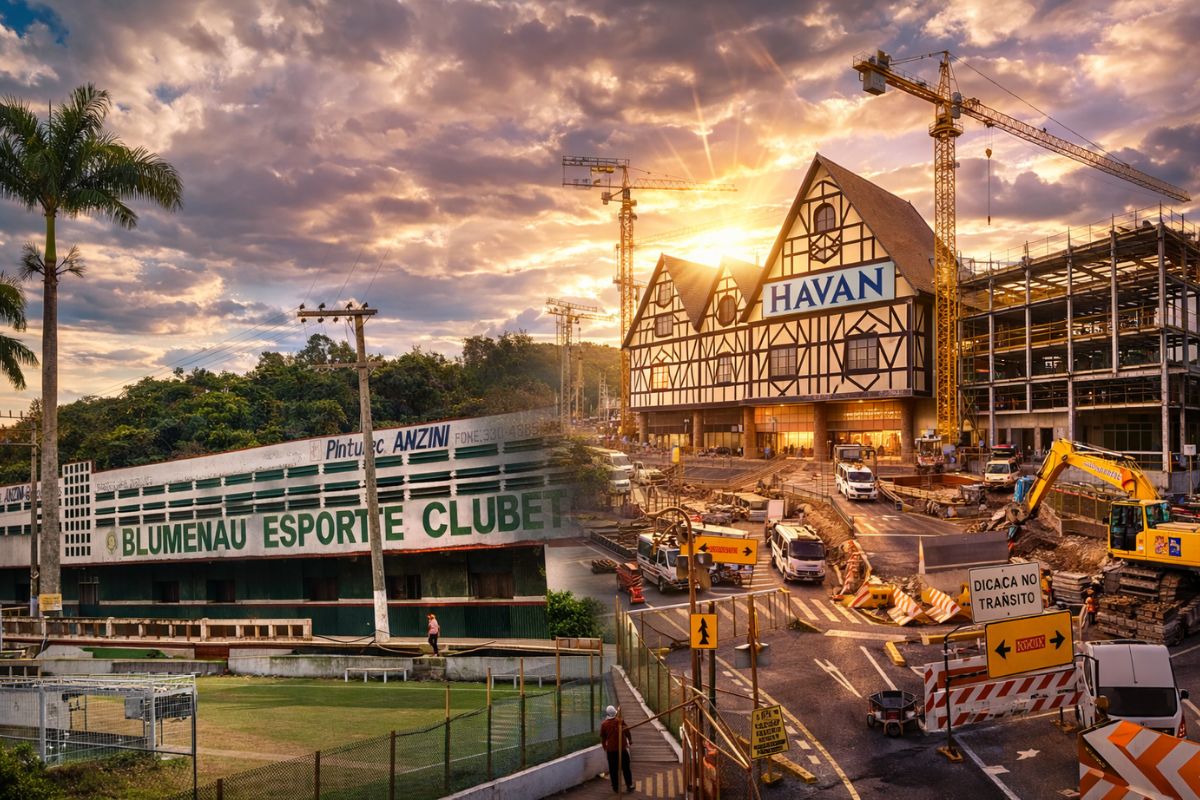
Havan buys historic football land in Blumenau for a million-dollar amount protected by a confidentiality clause and is already planning to change even the layout of streets to build a megastore in half-timbered style costing 80 million reais.
-
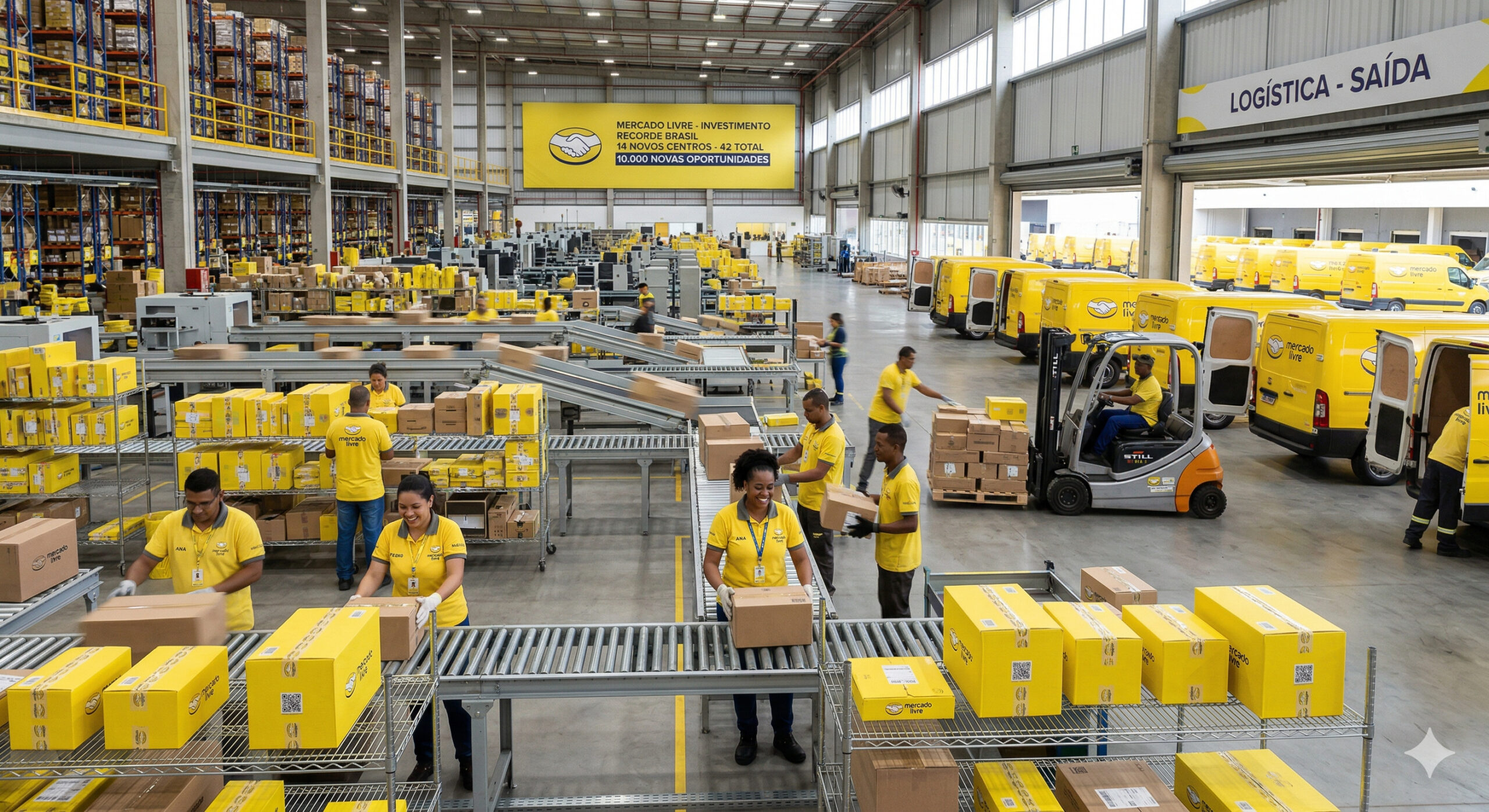
Mercado Livre “opens the vault” and announces a record investment of R$ 57 billion in Brazil in 2026, a value 50% higher than the previous year, with an expansion plan that includes 14 new logistics centers, totaling 42 units in the country and hiring an additional 10,000 employees.

Infrastructure Modernization and State Integration
Over the past decade, high-performance sections in São Paulo coexisted with degraded roads, outdated signage, and precarious rural connections.
The new construction front aims to standardize the quality of the network through actions of pavement recovery, duplications, requalification of devices, lighting, signage, and safety for vulnerable users.
The scope includes fronts led by DER-SP and by concessionaires regulated by Artesp, forming a unique public-private coordination arrangement throughout the state territory.
Strategic Corridors: Anhanguera and Bandeirantes
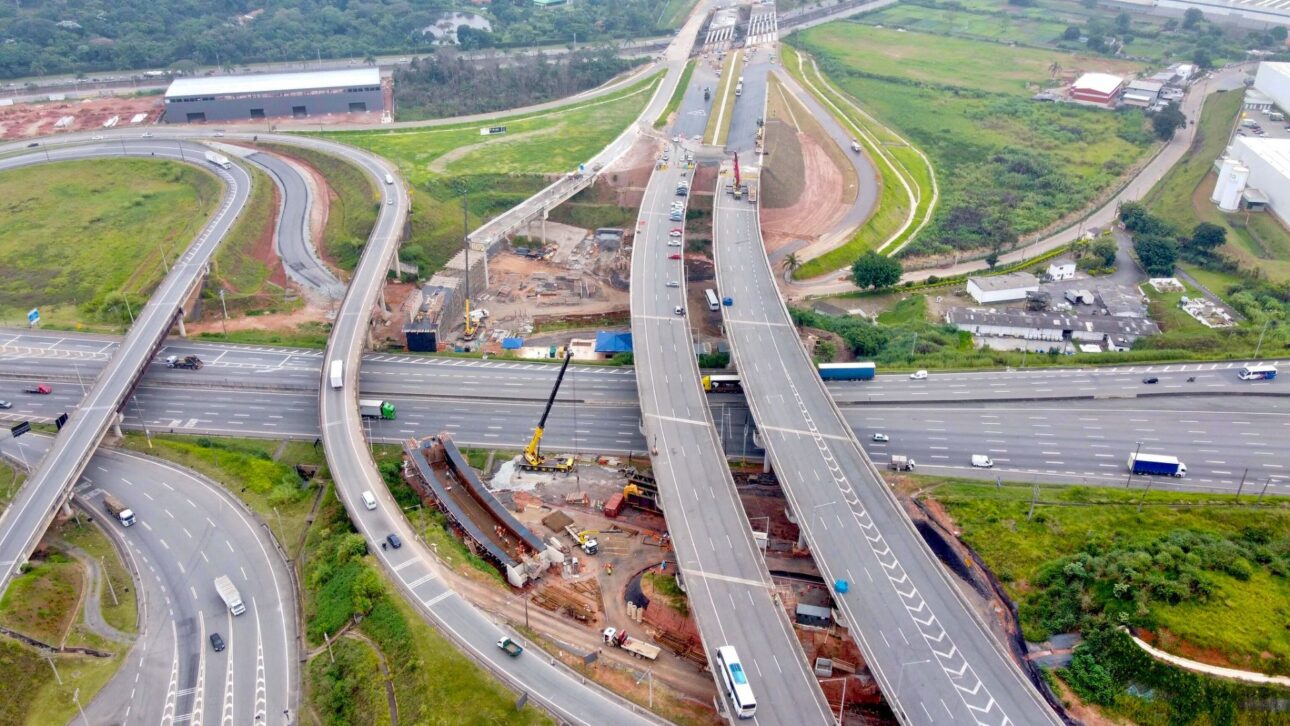
Among the most visible interventions is the complete resurfacing of the Anhanguera–Bandeirantes System, a corridor that connects the capital to the countryside and supports heavy truck and light vehicle traffic.
The contract foresees R$ 1 billion in investments, 24 months of execution, and 520 jobs.
The action covers 100% of the pavement under concession, improving structural performance and comfort in one of the country’s main logistical corridors.
North Ring Road: Progress and Logistical Impact
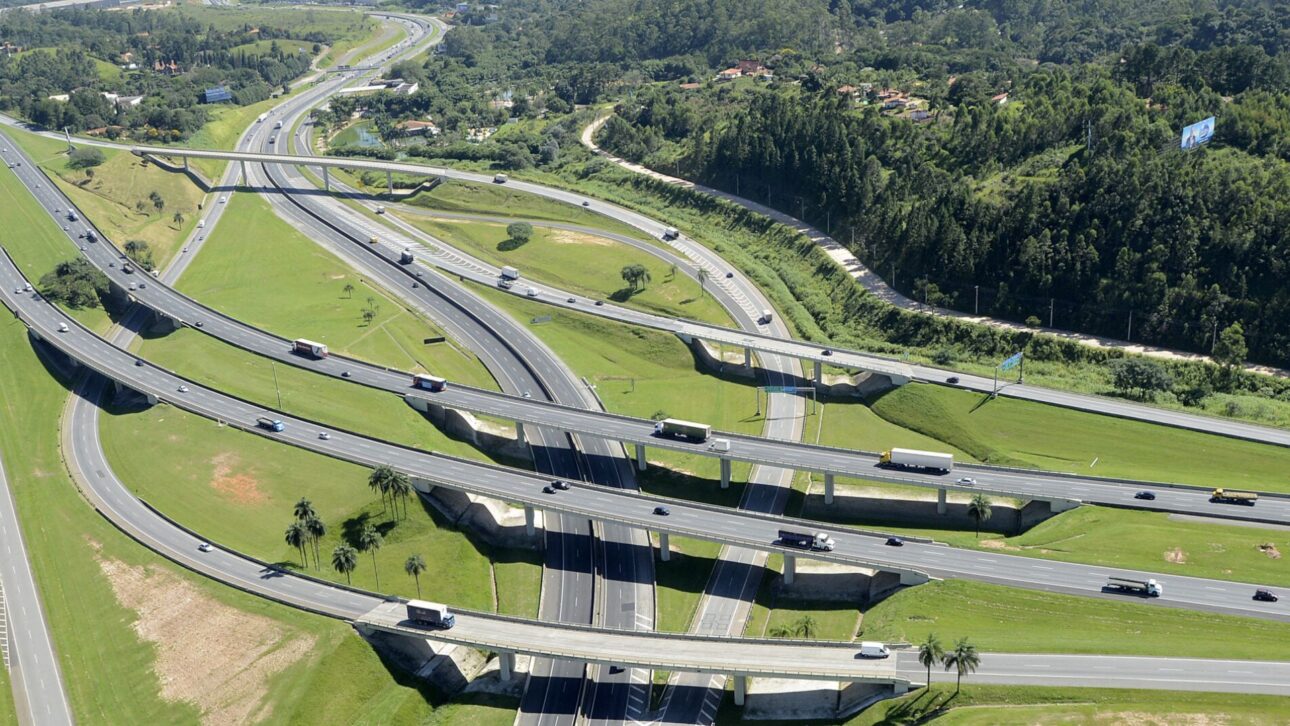
The completion of the North Section of the Ring Road is crucial to removing heavy traffic from the margins and better distributing the flow between the main state and federal connections.
After resuming in 2024, works reached 51% completion by July 2025, with investment close to R$ 3.4 billion and over 4,5 thousand workers mobilized.
The section promises to reduce operational costs and transport times, increasing the competitiveness of companies that rely on the metropolitan road axis.
Connected Interior: Ribeira Valley and Mantiqueira Mountains
Historically underserved regions are the focus of the new round of investments.
In the Ribeira Valley, the SP-222 (Miracatu–Jacupiranga) will have 115 kilometers recovered, with an investment of R$ 630.5 million.
The intervention serves agricultural areas and those with tourism potential, improving drainage and enhancing road safety.
Meanwhile, on the mountainous connection between Taubaté and Campos do Jordão, the SP-123 (Floriano Rodrigues Pinheiro) is undergoing requalification over 44.8 kilometers, a road subject to fog and tight curves, now with reinforced infrastructure.
North Coast: Tamoios Bypass Reduces Travel Time
On the north coast, the South Bypass of the Tamoios, inaugurated in November 2024 and integrated into the program, shortened the travel time between São Sebastião and Caraguatatuba.
The journey, which could exceed 45 minutes, now takes about 16 minutes, increasing safety and improving access to the Port of São Sebastião.
The gain benefits residents, tourists, and logistical operations in the region.
Rural Roads and Productive Inclusion
In addition to the major axes, the program expands the connection of rural roads with urban centers, markets, and service hubs.
The requalification of local connections directly influences the income of small producers, school and health transport, and regional tourism.
These interventions reduce accidents and logistical costs, making travel more efficient in rural and inland areas.
With over 1,5 thousand works mapped, the plan covers municipalities from all regions, ensuring reach and development.
Jobs and Transparency in Execution
The state government estimates 252 thousand direct and indirect jobs with the SP for Every Project.
Data on kilometers, investment, and execution stage are provided in public monitoring dashboards.
This transparency seeks to ensure continuity, efficient planning, and staggered deliveries according to the physical progress of the works.
National Effects on Logistics and Transport

About 70% of cargo transport in the Southeast depends on São Paulo highways at some point in their route.
By modernizing corridors like Anhanguera–Bandeirantes, completing the North Ring Road, and recovering regional roads like the SP-222, the program reduces delays, improves predictability, and lowers fuel consumption.
These gains have a direct impact on the national supply of food, fuel, medicine, and industrial products.
Perspectives for the Coming Years
The priority is to accelerate deliveries, maintain the technical standard of executions, and ensure continuous maintenance of the new roads.
In major corridors, deadlines follow the planned schedule, while in rural areas, staggered contracts sustain the constant presence of teams.
Concessionaires and the government monitor execution milestones and partial deliveries, ensuring that benefits reach the population in phases.







E por que ninguém fala em transporte ferroviário ,qual é o mistério para realmente desafogar o **** trânsito,cobrando pedágio até dentro da minha cidade,seria muito mais barato e seguro,enfim só um desabafo pois sei que somos apenas um rebanho conduzido como eles querem…..
DEMOCRACIA…..SEI!
Precisamos do Do transporte Ferrou via
Pelo amor de Deus onde estão essas obras Rodoanel trecho Norte da uma vergonha asfalto um lixo trânsito caótico alça da Regis um inferno pedágio pra todosos lados
Não iam fazer ferrovias? Mais econômico, mais seguro, mais ágil, menos efeito destruidor para omeio ambiente. E as ferrovias?
Precisamos nos ferrovia em todo o país