





 Portuguese
  English
  Spanish
 6 min of reading
  12 comments


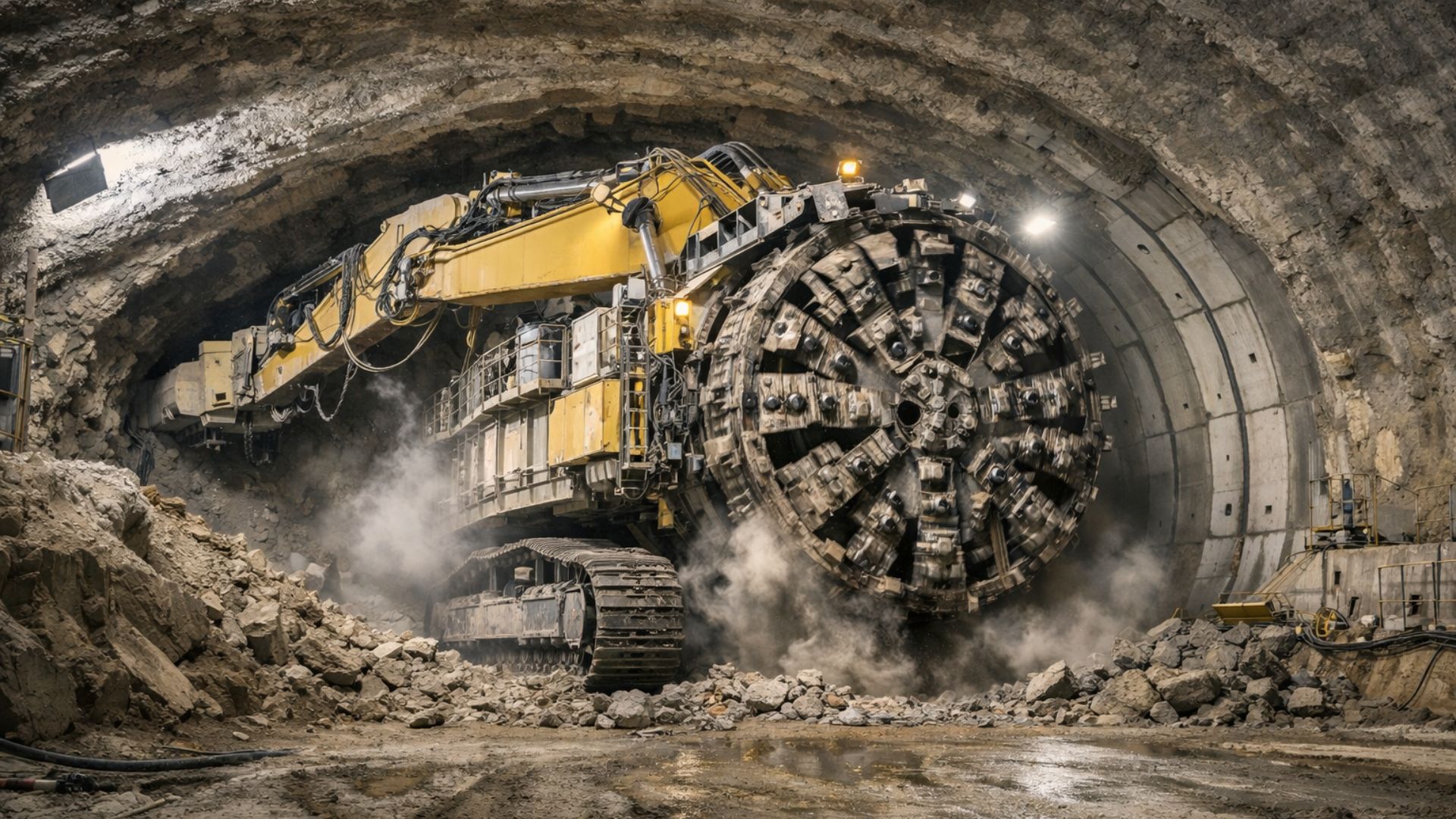


Decisive Advance in Strategic Work After Years of Paralysis, with Completion of Tunnel Excavation, Billion-Dollar Investment, Resumption of Schedule and Expected Delivery for 2026, Integrating One of the Largest Infrastructure Programs in the Country and Expanding the Logistical Connection Between Highways and Urban Areas.
After years marked by interruptions and uncertainties, the Rodoanel Norte project has entered a new phase with the completion of the excavation of the external lane of Tunnel 101, a structure located in section 2 of the highway and considered one of the most complex points of the undertaking.
The service was completed on Friday, February 6, and represents the end of the phase of removing soil and rock, allowing the worksite to now advance to stages focused on finishing, system implementation, and preparation of the structure for operation.
Stopped for approximately six years, the project was officially resumed in April 2024 by the Government of São Paulo, as part of an effort to unlock major road works that had been interrupted and that directly impact mobility and logistics in the metropolitan region.
-
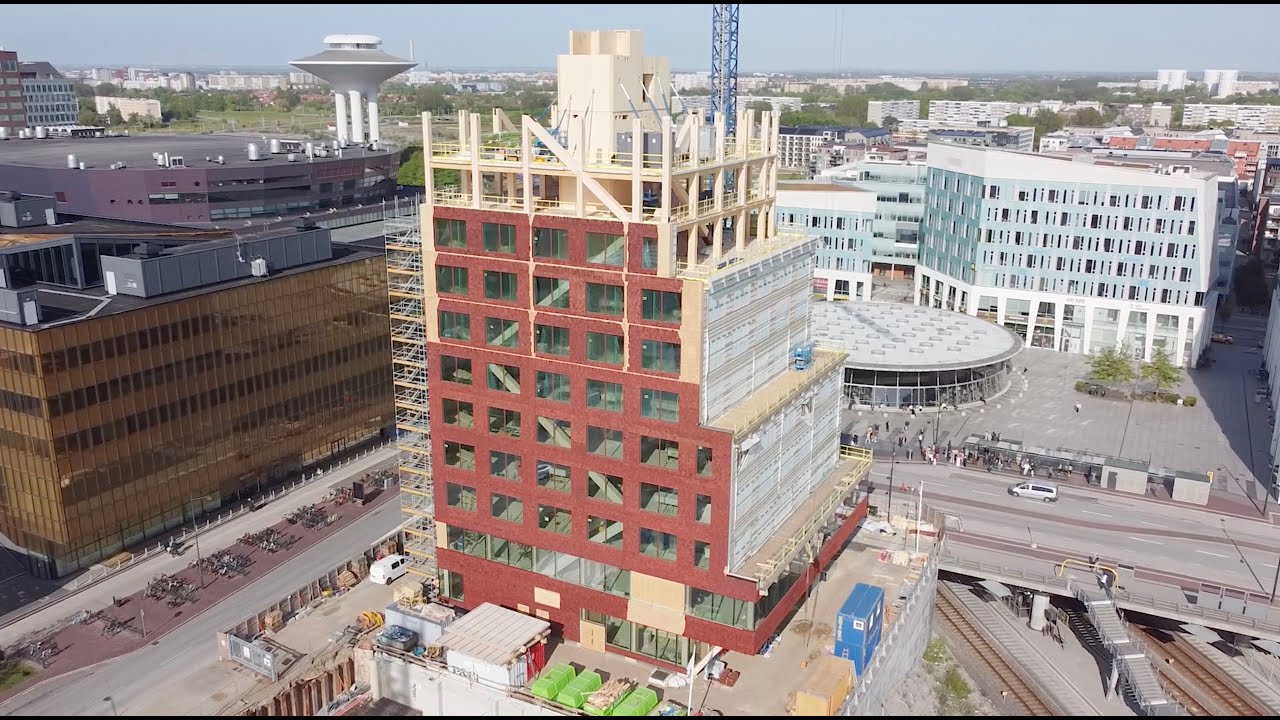
In Sweden, a 51-meter tower was built almost entirely of wood, without a concrete structural core and with solar panels integrated into the facade, using CLT and laminated beams to challenge the dominance of steel and concrete in modern buildings.
-
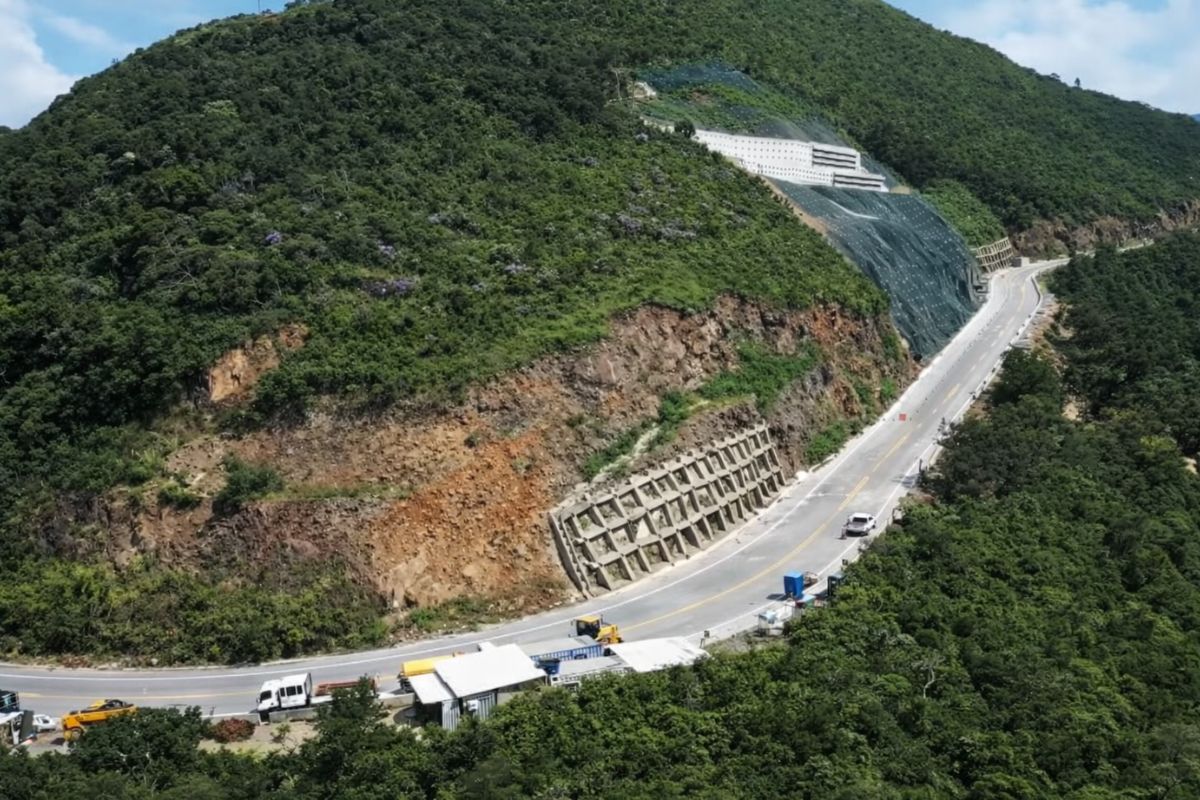
The section of Serra da Rocinha on BR-285 is now open in Timbé do Sul: 50 m tensioned curtains and top-down technique stabilize the slope, with a stairway duct controlling the water.
-
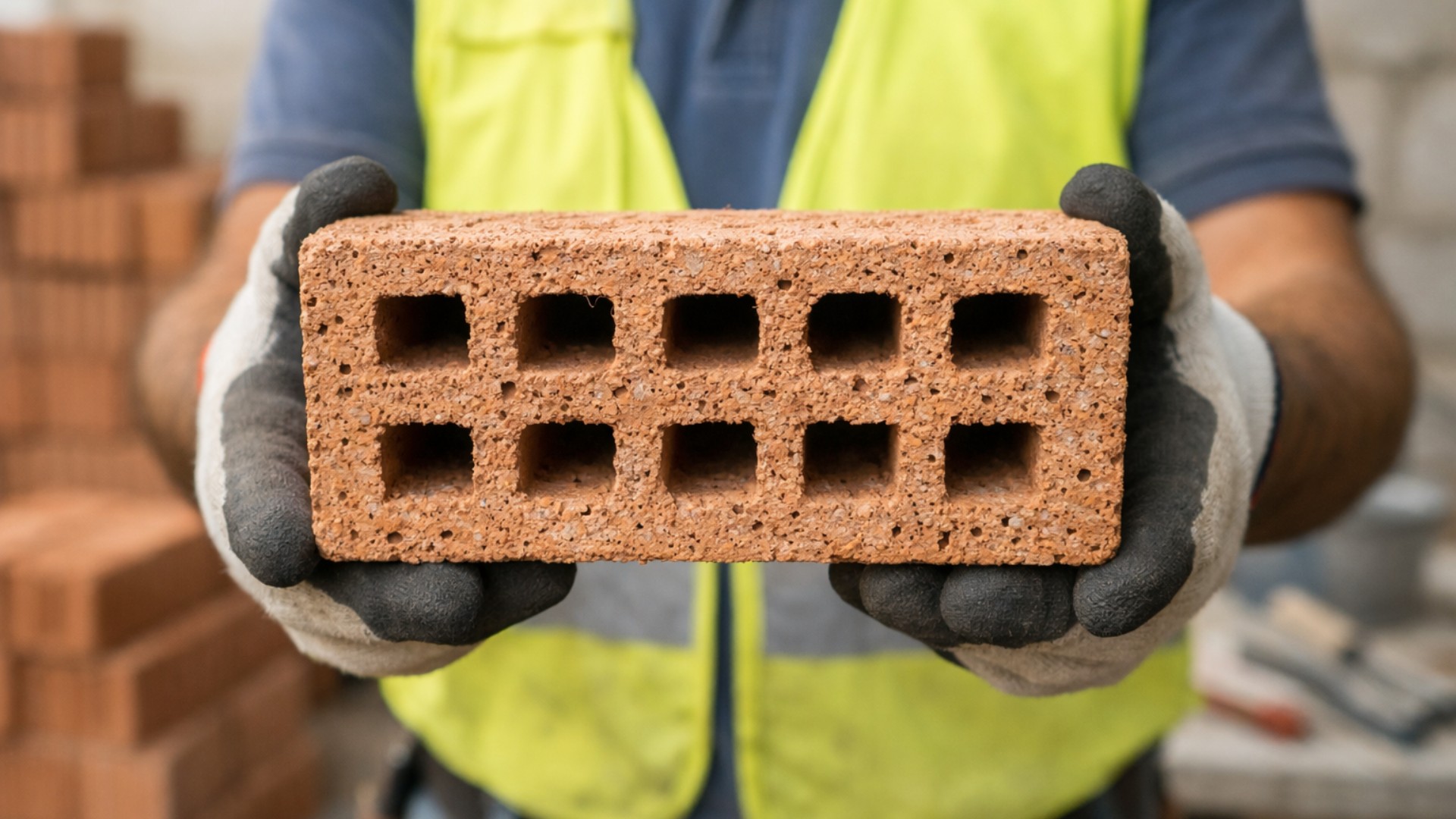
Scientists use sawdust mixed with clay to create a lighter brick, promising efficient thermal insulation and impressing by transforming waste into a solution for construction.
-
With a DNA shape, this bridge in Singapore draws attention in modern architecture and surprises tourists by transforming a simple crossing into an unforgettable visual experience in the urban heart.

As the first result of this resumption process, the initial section of the Rodoanel Norte, between the Presidente Dutra and Fernão Dias highways, was delivered on December 22, 2025, with traffic being released the following day.
New Phase of Tunnel 101 in Rodoanel Norte
With the excavation of the external lane completed, Tunnel 101 will now concentrate on subsequent phases, such as lowering the floor, lining the galleries, paving, and installing the required signaling, lighting, and safety systems for full operation.
According to the released schedule, the expectation is that this set of services will allow for the release of section 2 in the second half of 2026, conditioned on the completion of technical stages and the operational tests planned for the structure.

Designed as a double tunnel, Tunnel 101 features two independent lanes, which increases traffic capacity and reduces interference between opposing flows, a characteristic deemed essential for a large-scale logistics axis.
While the internal lane, with 1,088 meters in length, is already open to traffic, the external lane, measuring 1,070 meters, has now had its excavation completely finalized, marking the end of one of the most sensitive phases of the project.
Although the progress is officially treated as the opening of the tunnel, technically it marks the end of the heavy excavation process, an phase that requires tighter structural control and usually concentrates the main risks in underground works of this size.
From this point on, the work rhythm is expected to shift to more predictable fronts, focused on internal civil works and equipment installation, reducing the dependence on deep excavations in the rocky mass.
Tunnel Excavation and Technical Complexity of the Project
During the peak of the operation, about 300 workers worked simultaneously in the excavation fronts, a number that reflects the logistical and operational dimension required to keep the schedule on track in an area considered of high geotechnical complexity.
Throughout the process, approximately 32,000 cubic meters of material, including soil and rock, were removed, a volume equivalent to thousands of truck trips, which helps to dimension the physical impact of the intervention in the underground.
The excavation works of the external lane began in July 2025 and employed specific methodologies to ensure structural stability and safety, especially in sections with greater ground sensitivity.
Among the measures employed were continuous monitoring of the structure, the use of geotechnical instrumentation, and vibration control through seismographs, capable of detecting changes in soil behavior in real-time.
In practice, this set of procedures seeks to minimize risks associated with underground works, such as ground displacements and impacts on neighboring areas, requiring that the advancement of excavation occurs gradually and in a controlled manner.
For this reason, the work was divided into successive stages, with technical interventions carried out before and during the advancement of the fronts, ensuring that each segment was only released after safety evaluations.
Section 2 of Rodoanel and Connection with the West Zone
At the time the completion of the tunnel excavation was announced, the works for section 2 of Rodoanel Norte were around 35% complete, considering earthworks, special structures, and complementary services.
When fully completed, this segment will connect the Fernão Dias Highway and the Raimundo Pereira de Magalhães Avenue, creating a new axis of connection with the west zone of the capital city.
The expectation is that the new connection will help redistribute vehicle flows, especially freight, by integrating the ring road with the urban network and other strategic transport corridors.
This section is part of the larger design of Rodoanel Norte, a project that, in total, has 44 kilometers in length and traverses areas of the municipalities of São Paulo, Guarulhos, and Arujá.
The release of the first segment, in December 2025, marked the effective resumption of circulation in a project that has seen years of interruptions, contractual adjustments, and schedule reprogramming.
Billion-Dollar Investment, Concession, and Supervision
The total investment forecast for Rodoanel Norte is about R$ 3.4 billion, which includes civil works, tunnels, overpasses, operating systems, and the implementation of the necessary infrastructure for the operation of the highway.
The responsibility for the execution and administration of the project lies with the concessionaire Via SP Serra, which operates under the concession agreement established with the Government of the State of São Paulo.
Meanwhile, the institutional coordination of the project is linked to the State Secretary for Partnerships in Investments, while the supervision of contracts and operations is conducted by the State Agency for Transportation of São Paulo.

The delivery of the first segment occurred between kilometers 129 and 153 of the Rodoanel Mário Covas, directly connecting the Presidente Dutra and Fernão Dias highways, two of the main traffic axes in the state.
At the time of the release, the government reported the installation of cameras and other monitoring and communication resources along the segment, with the aim of enhancing road safety and traffic management.
Rodoanel Norte within the SP for All Project
The progress of the works on the Rodoanel Norte is part of the SP for All Project, presented by the São Paulo government as the largest package of road interventions ever carried out in the state.
The program includes investments exceeding R$ 30.5 billion and encompasses approximately 21,200 kilometers of interventions in highways and roads under the management of the Department of Highways and concessionaires.
All these actions are monitored by the state regulatory agency, responsible for overseeing contracts, deadlines, and established quality standards for the works.
Within this context, section 2 of Rodoanel Norte is treated as one of the most symbolic fronts of the program, both because of the history of paralysis and because of the technical complexity of the structures involved.
Even with the excavation of Tunnel 101 completed, the schedule remains conditioned to the advancement of finishing stages and the installation of operational systems, which will define the pace until the complete release of the segment.
With the work now focused on lining, paving, and safety, what will be the practical impact of delivering section 2 on heavy traffic and on the logistical routes that currently cross the capital?







Competência e interesse pelo bem do cidadão é isso… sem mensalão, petrolão e sem amigos na justiça jogando o lixo pra baixo do tapete. Parabéns Govetnador, presidente em 2030, se Deus quiser.
Sim, o Rodoanel Mário Covas (SP-021) em São Paulo conta com investimento federal, principalmente no trecho Norte. O financiamento ocorre através de recursos do Governo Federal, destacando-se a atuação do BNDES (Banco Nacional de Desenvolvimento Econômico e Social), que aprovou R$ 1,35 bilhão para a obra.
Pontos-chave sobre o financiamento do Rodoanel:
Financiamento Federal (BNDES): Parte dos investimentos para a conclusão do trecho Norte, paralisado anteriormente, conta com esse crédito de R$ 1,35 do banco estatal.
PAC (Programa de Aceleração do Crescimento): As obras de expansão do Rodoanel Norte estão integradas ao Novo PAC do Governo Federal.
Modelo de Parceria: O Trecho Norte, com investimento total estimado em R$ 3,4 bilhões, utiliza uma combinação de financiamento federal (BNDES) e recursos da concessionária (Via SP Serra/Grupo Via Appia) sob gestão do Estado de SP.
Investimento Total: O Rodoanel Norte tem previsão de conclusão total até o fim de 2026.
Portanto, embora a coordenação seja do Governo de São Paulo, há uma forte participação do Governo Federal na retomada e financiamento da finalização da obra.
Grande Tarcisio, fazendo mais que todos ex-governadores de 20 anos para ca, fizeram