





 English
  Francês
  Alemão
  Italiano
  Japonês
  Norueguês
  Portuguese
  Spanish
  3 min of reading
  0 comments


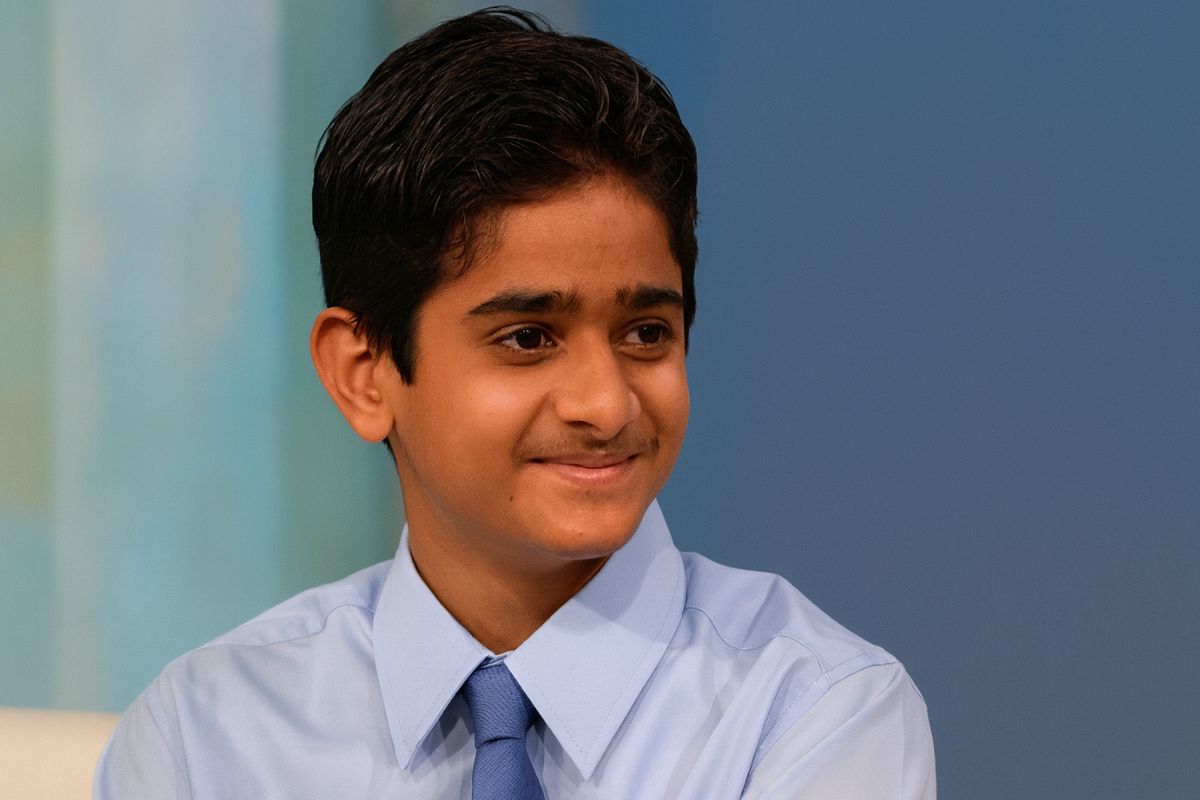
The Journey of the Indian Child Prodigy Akrit Jaswal, Who Read Medicine at 4, Performed Surgery at 7, and Became a Worldwide Case of Early Talent and Ethical Debate.
The story of the Indian child prodigy Akrit Jaswal gained global attention in 2004 when he performed a successful surgery at the age of 7 in his own home. The feat, which made him an instant celebrity, came after years of accelerated intellectual development and early exposure to medicine.
According to The Brighter World, his early genius divided opinions: on one side, admiration for a child who seemed destined to revolutionize science; on the other, concern over the ethical risks of a medical intervention performed without professional supervision. Still according to the publication, the case quickly gained international prominence and established Akrit as an icon of early genius.
First Signs of Genius
Born in 1993, Akrit Jaswal demonstrated exceptional abilities from a very young age. At 2 years old, he could read and write fluently, and by 4, he dived into complex books on anatomy, surgery, and anesthesia.
-
With 19,000 tons, 199 meters in length, and the capacity to carry 720 marines, the ROKS Marado has become a floating amphibious base that extends South Korea’s naval reach in one of the most tense regions on the planet.

-
The United States has unveiled the MQ-25 Stingray, the world’s first carrier-based tanker drone designed to operate on aircraft carriers and extend the range of naval fighters.

-
A cheap Brazilian invention promises to change the fate of patients in ICUs by accelerating muscle recovery even in critical condition.

-
Kawasaki surprises by revealing a 140-ton aircraft capable of winning wars without a single shot and bets on ultra-secret technology to protect Japan by 2027.

His IQ of 146, considered one of the highest for his age group, reinforced the perception that the country was facing a rare prodigy.
These abilities led his family and teachers to believe he would have a bright future in the medical field.
While still young, Akrit began studying surgical techniques, memorizing procedures that are typically only taught to university students.
The Surgery That Made Him World Famous
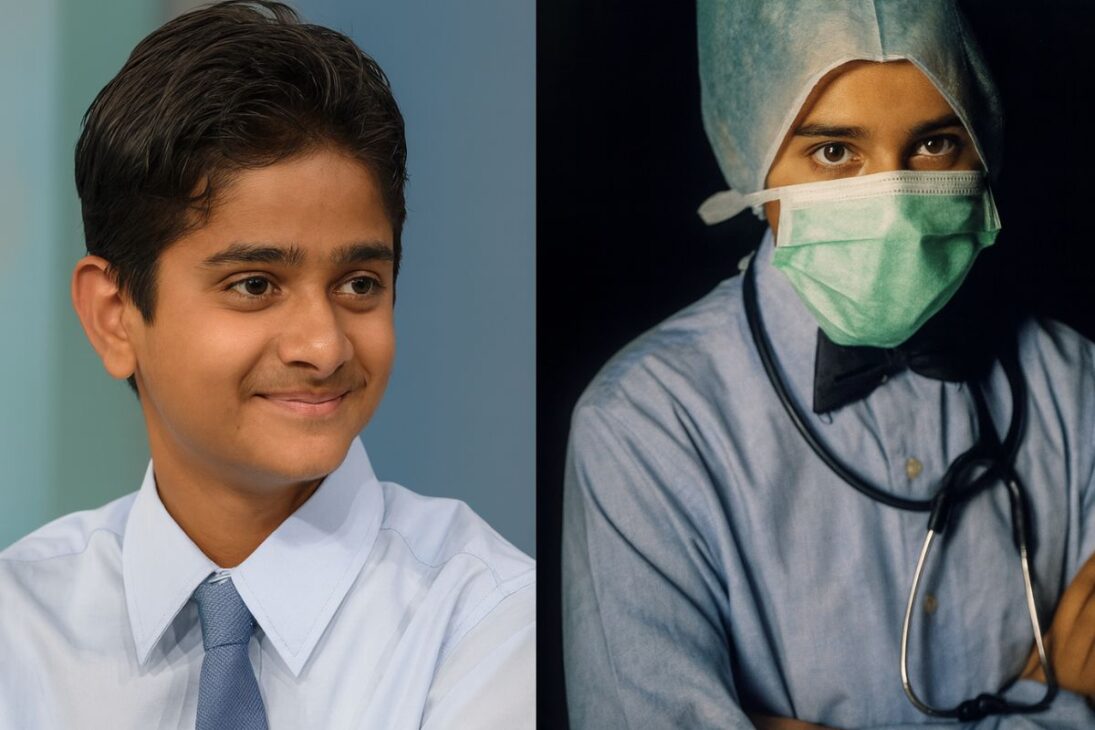
In 2004, Akrit was called to assist an 8-year-old girl who had suffered severe burns and had her fingers stuck together.
Using simple tools, such as sterilized gardening utensils, he managed to separate the patient’s fingers.
The procedure, performed without anesthesia, was considered an immediate success by the family.
The case gained international attention and spread through the Indian and foreign press.
Although many experts raised doubts about the safety and ethics of the intervention, the feat put Akrit in the spotlight.
It was at this moment that he became known as “the smartest boy in India”.
Fame, Studies, and New Ambitions
Fame opened doors. A few years later, Akrit was invited to participate in Oprah Winfrey’s show, where he shared his journey with a global audience.
At 12 years old, he became the youngest university student in India, enrolling at Chandigarh University to study bioengineering.
His main goal became finding the cure for cancer, a topic he considers the reason for his academic dedication.
To achieve this, he sought to delve into cutting-edge research, expanding his education at institutions such as the Indian Institute of Technology (IIT) in Kanpur.
Inspiration and Controversies
The story of Akrit Jaswal represents, at the same time, the fascination with child genius and the ethical dilemmas of the overexposure of prodigy children.
On one hand, his extraordinary intelligence inspires young people around the world to believe in the power of knowledge.
On the other, it raises questions about the limits of responsibility, family pressure, and social expectations surrounding such early talent.
According to The Brighter World, Akrit’s legacy remains alive, both as an example of academic inspiration and as a case study on the impact of early genius in a child’s life.
The Indian child prodigy Akrit Jaswal transformed from an early prodigy into a dedicated researcher, keeping his focus on his mission to contribute to medicine and global health.
His story is a mix of inspiration, genius and ethical dilemma that still resonates in debates about education, science, and childhood.
And you, do you believe that early genius should be encouraged without restrictions or should limits be established to protect prodigy children?
What is your view on the journey of Akrit Jaswal? Please share your opinion in the comments; we want to hear your perspective on this case.







Seja o primeiro a reagir!