





 Portuguese
  English
  Spanish
  4 min of reading
  0 comments



From Early Fame to Authorial Work, the Gifted Boy Who Charmed the Media Became an Independent Developer, More Aligned with the Open Source Ecosystem Than Corporate Certifications.
The gifted boy who earned the nickname “Mozart of Computers” in the late 2000s did not disappear when the spotlight faded. Marko Calasan, from Skopje, took the less obvious path: he stepped down from the pedestal of record certifications and, after facing personal losses, rebuilt his career as a freelance developer with public code contributions and educational technical production.
The real journey of Calasan, told in different phases, helps to understand how early talent matures when the rush of childhood gives way to more solid choices and how the technology industry has also changed, from the dominance of proprietary suites to the protagonism of free software.
From Skopje to the Label of “Mozart of Computers”
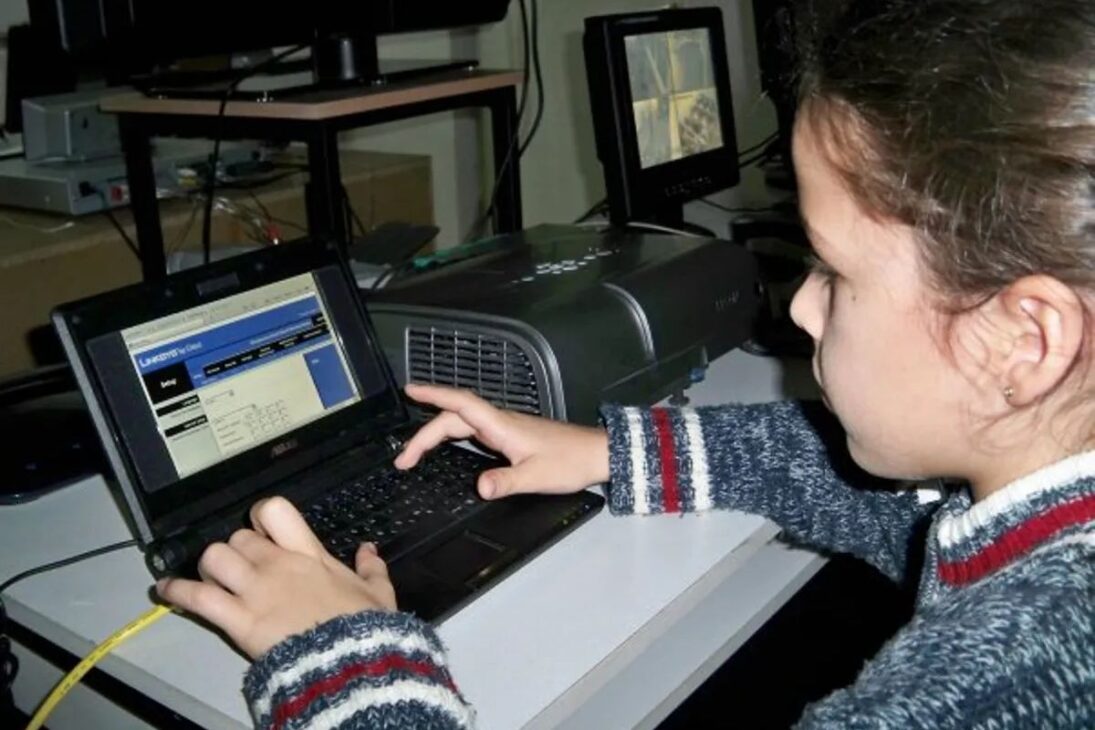
The foundation of the phenomenon emerged early: reading and writing at two years old and an unusual familiarity with computers in early childhood.
-
The United States has a serious problem with its F-35s: China is already producing fighters at a pace that exceeds American capacity and could manufacture up to 300 aircraft per year before the end of the decade, shifting the global military balance.

-
A retired IT professional built a 22-meter boat in his backyard in Oklahoma with a school bus engine, light pole masts, and handmade watertight doors to become the redneck version of Jacques Cousteau.
-
China is building a city in Brazil: a complex with an investment of R$ 5.5 billion comes to light, but allegations involving workers draw attention.

-
While Argentina buys old war equipment, Brazil is keeping an eye open and joins the select group of nations with advanced military technology by investing $5.2 billion, producing 36 Gripen fighters in the country, and reducing operational costs.


At home, the environment was all about technology, with parents who were systems engineers and daily contact with machines and networks, a combination that accelerated the learning curve.
By nine, the gifted boy was already discussing Active Directory with adults and presenting solutions in front of professionals.
The international press amplified the astonishment: the label “Mozart of Computers” stuck, and with it came expectations.
Still a child, Marko alternated studies, tests, and public demonstrations, without losing clarity in explaining why he chose certain platforms.
Certifications and Technical Ascent in Childhood
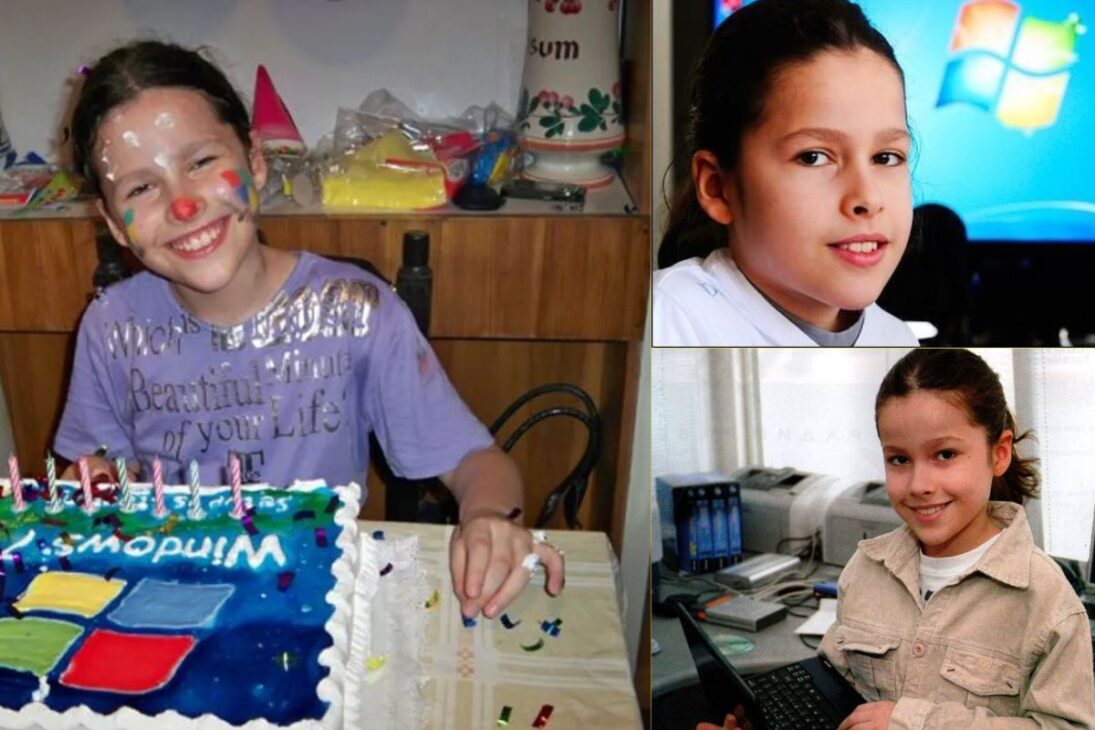
The sequence of credentials is impressive: MCSA at 8, MCSE at 9 and a dozen Microsoft certificates by 10, plus the CCENT from Cisco.
It wasn’t just quantity; there was breadth and depth: from user support to network and server architectures.
This mastery turned into practice. He remotely managed networks for an organization supporting people with disabilities, taught computer classes for children, and even wrote a 312-page book on Windows 7, a rare example of mature technical communication for his age.
State Support, Global Showcase, and the Weight of the Symbol
The government saw in Marko a public policy and national image opportunity. They provided a lab with 15 computers, donated equipment, books distributed in schools, and even special access to network infrastructure for a limited-bandwidth HDTV project.
The showcase grew and the national symbol was consolidated.
For the gifted boy, this meant resources and a stage; for the country, narrative and ambition.
At the same time, the exposure multiplied demands: he was the prodigy who needed to keep surpassing milestones, in a cycle that does not always consider life outside the headlines.
Adolescence, Tragedy, and Silent Reinvention
With adolescence, the spotlight dimmed. The separation of his parents and then his mother’s death in 2016 shook the family core and brought financial difficulties.
The young icon who once graced headlines began to seek self-sufficiency, in a less glamorous but more realistic scenario.
This shock marked a turning point: less stage, more craft. Instead of pursuing the corporate path everyone expected, Marko chose to build a portfolio, work as a freelancer, and publish knowledge, creating a professional identity that was consistent and sustainable.
From Proprietary to Open: The Craftsman Developer
Today, the focus is on practical problem-solving, from low-level systems to using Python and SQL for analysis and data.
He published technical articles on moving averages, string formatting, and SQL subsets (DDL, DML, DQL, DCL), always with didacticism and a focus on “how to do it”.
On GitHub, clues of the present emerge: a utility to mitigate CPU throttling on Intel Macs, messing with MSRs and kernel extensions, and a generator that creates Swift clients for tRPC applications, connecting TypeScript to the iOS/macOS ecosystem.
These are concrete solutions, openly licensed, with clear instructions and disclaimers signs of technical and ethical maturity.
What the Journey Teaches About Talent, Industry, and Choices
Marko’s story is not about “peaks and valleys”; it is about paradigm migration. In childhood, proprietary certifications were the ticket to corporate IT.
In adulthood, open source, the cloud, and public portfolios matter more than stamps, and he repositioned himself without denying what he learned.
It is also a lesson about expectations and care. Prodigies are not marketing projects: they are people who need a support network and time to turn early brilliance into consistent work.
The gifted boy became an authorial professional quietly, but with useful and steady production.
Marko Calasan’s journey redefines success: less records, more real deliveries; less stage, more repositories. The “Mozart of Computers” found in the open source community the ideal stage to create, teach, and evolve at his own pace.
And you? When thinking about education for gifted talents, what weighs more: collecting certifications early or building a portfolio of useful and public projects? Share in the comments how you would balance these two paths in the training of a high-potential youth.







Seja o primeiro a reagir!