





 Português
  Inglês
  Espanhol
  3 min de leitura
  0 comentários


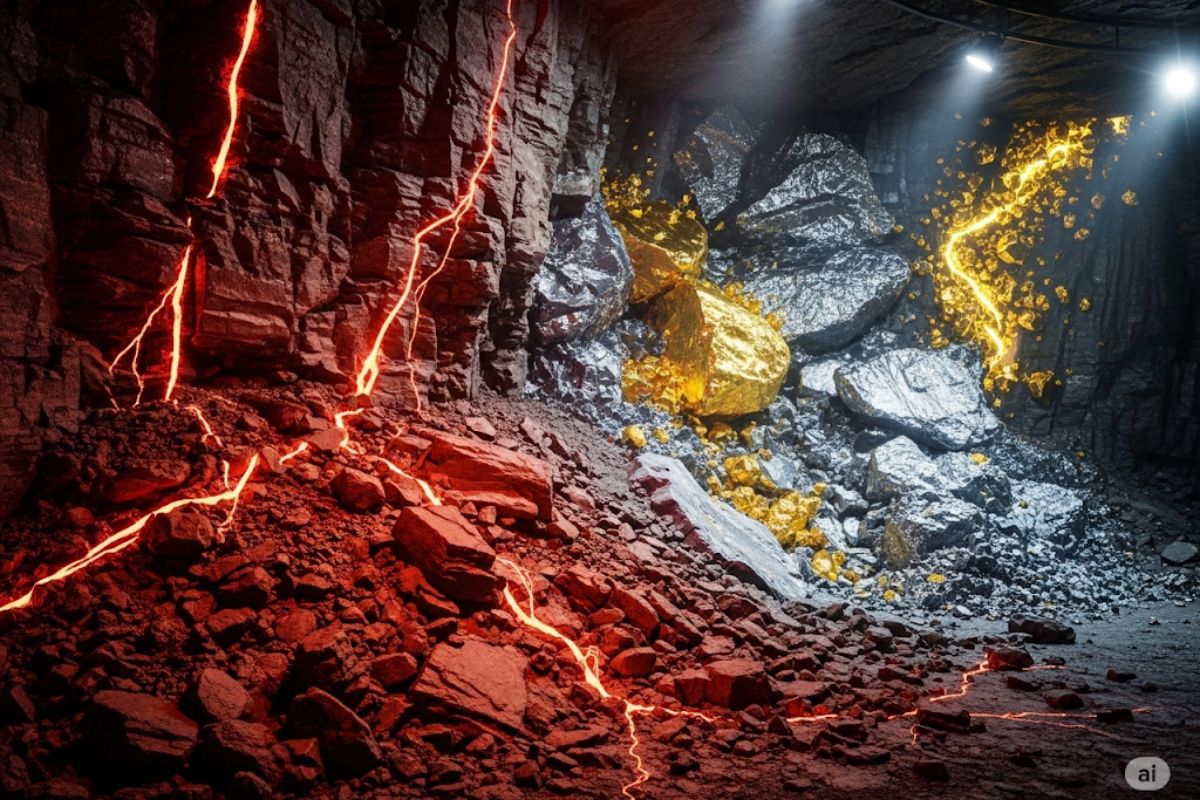
Many Think Iron Is the Most Abundant Metal in the Earth’s Crust. Be Surprised: Aluminum Is the Real Champion in Abundance, but Its Production Requires an Enormous Amount of Energy.
When it comes to the most abundant metal in the Earth’s crust, iron often comes to mind due to its vast utilization. However, science reveals that aluminum, making up about 8% of the crust, is actually the most prevalent metal. Despite this abundance, its extraction is a complex process that demands a significant amount of energy.
Understand the true abundance of aluminum compared to iron, details the industrial processes for its extraction, and analyzes the high energy costs involved, a paradox for the most abundant metal on our planet.
Aluminum in Numbers and Its Comparison with Iron
The Earth’s crust is dominated by oxygen (about 46.6%) and silicon (about 27.72%). Aluminum (Al) is the third most common element and the most abundant metal, with a concentration between 8.13% and 8.23% (81,300 to 82,300 ppm). Iron (Fe), while crucial, is the fourth most common element and the second most abundant metal, with about 4.1% to 6.3% (41,000 to 63,000 ppm).
-
Brazil extracts 26.3 million tons of ore from what was previously treated as waste, transforming residues into wealth, producing over 3 million tons of sand, and demonstrating how national mining is relearning to generate value.

-
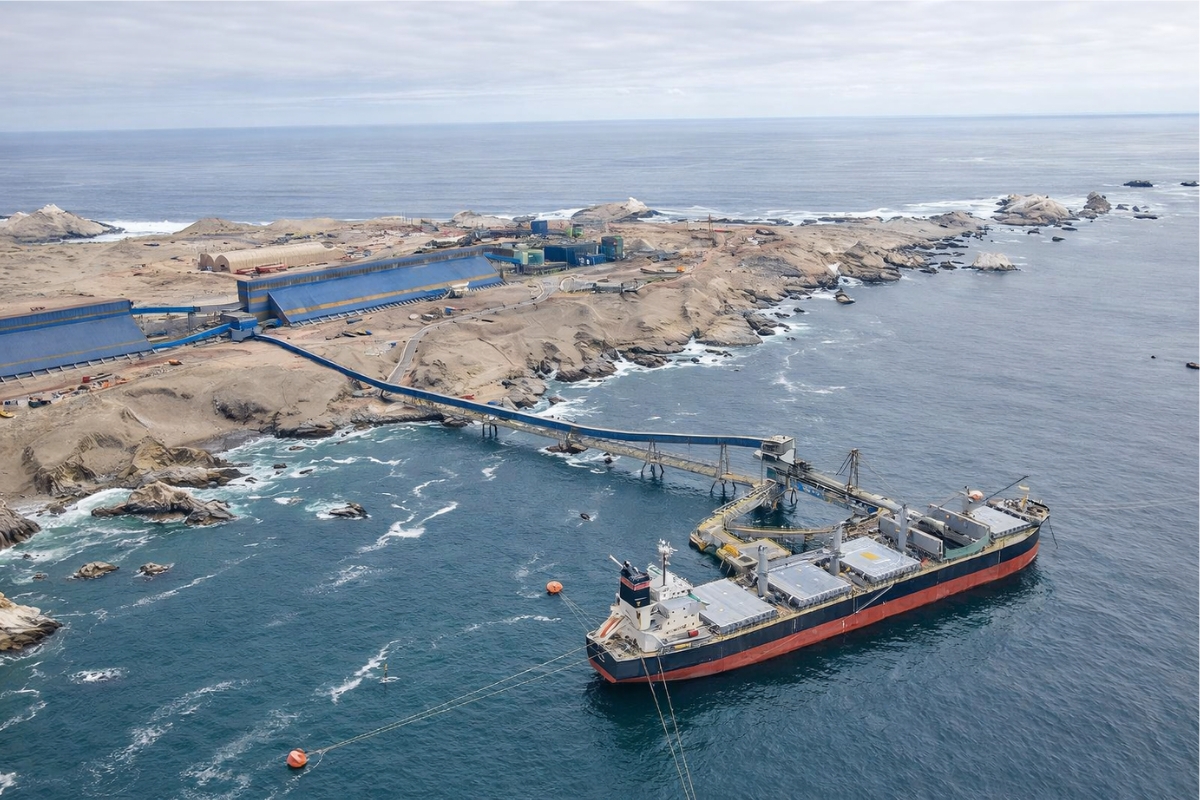
A $3.5 billion megaproject in Latin America pumps desalinated seawater at 1,050 liters per second over 194 km to keep a copper supermine in the Andes operational for another 20 years.
-
A hidden mine in the Andes valued at nearly R$ 1 trillion is starting to attract global attention, containing copper, gold, and silver, and raises an intriguing question: why do Argentina and Chile need to act together to exploit this gigantic wealth?
-
A silent discovery in the interior of Bahia could change the future of energy in Brazil: a uranium reserve in Lagoa Real has an estimated capacity to produce 400 tons per year and is already attracting the attention of energy sector specialists.

The large-scale use of aluminum is relatively recent compared to iron. This is due to its high chemical reactivity: aluminum is not found in pure metallic form but is stably bonded to other elements, mainly oxygen and silicon, requiring complex processes for its isolation.
The Complex Process of Aluminum Production
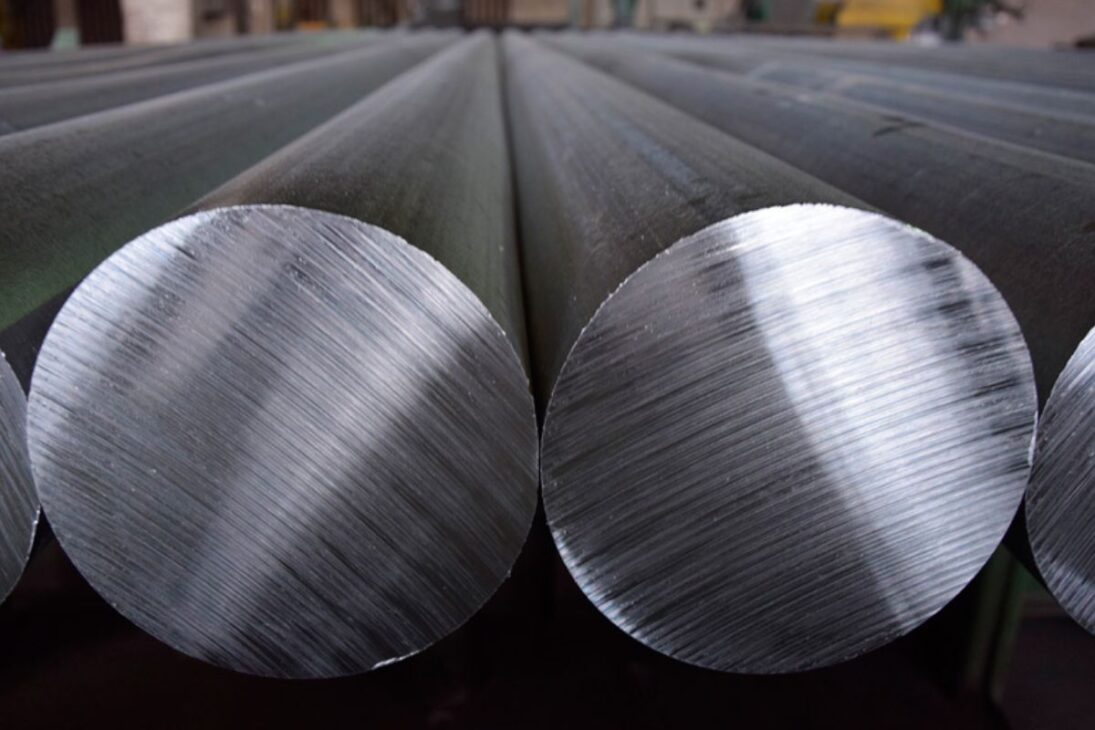
The production of metallic aluminum begins with bauxite, its main source. Bauxite is a rock composed of aluminum hydroxides (such as gibbsite and boehmite) and impurities.
- Bayer Process: Bauxite is chemically refined to produce pure alumina (Al₂O₃). Ground bauxite is mixed with a hot sodium hydroxide (caustic soda) solution under pressure. Aluminum hydroxides dissolve, forming sodium aluminate. Impurities settle out as “red mud”, an alkaline waste. The aluminate solution is then cooled and seeded to precipitate pure aluminum hydroxide, which is calcined (heated to high temperatures) to obtain alumina.
- Hall-Héroult Process: Alumina is dissolved in molten cryolite (Na₃AlF₆) and subjected to electrolysis in large cells with carbon anodes. The electric current reduces aluminum ions to liquid metallic aluminum, which accumulates at the bottom. The carbon anodes are consumed, releasing CO₂.
Why Extracting Aluminum Requires So Much Energy?
Aluminum extraction is extremely energy-intensive. The Bayer Process consumes between 4,166 and 10,000 kWh per ton of final aluminum (considering alumina production), depending on the type of bauxite. The Hall-Héroult Process consumes between 13,000 and 16,500 kWh of electricity per ton of aluminum. In Brazil, the average for electrolysis is 14,772 kWh/ton.
Adding the stages together, the production of primary aluminum consumes approximately between 17,000 and 19,900 kWh per ton. In comparison, the primary production of steel (iron) consumes about 6,667 kWh/ton. This difference occurs due to the high stability of aluminum oxide, high operating temperatures (940-980°C in electrolysis), and the consumption of carbon anodes.
Environmental Implications and the Vital Importance of Aluminum Recycling
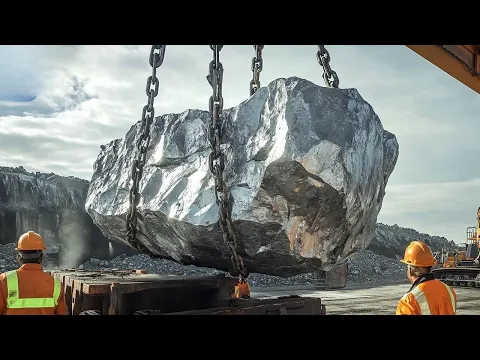

The high energy intensity of primary aluminum production results in environmental impacts. The generation of red mud in the Bayer Process is a challenge, requiring large areas for disposal and posing contamination risks due to its high alkalinity. Greenhouse gas (GHG) emissions are significant, mainly from electricity consumption (especially from fossil sources), from the consumption of carbon anodes (releasing CO₂), and from the emission of Perfluorocarbons (PFCs) during “anodic effects” in electrolysis.
In contrast, aluminum recycling consumes only about 5% of the energy required for primary production, a savings of 95%. This drastically reduces GHG emissions and other impacts.










Seja o primeiro a reagir!