





 Portuguese
  English
  Spanish
  3 min of reading
  0 comments


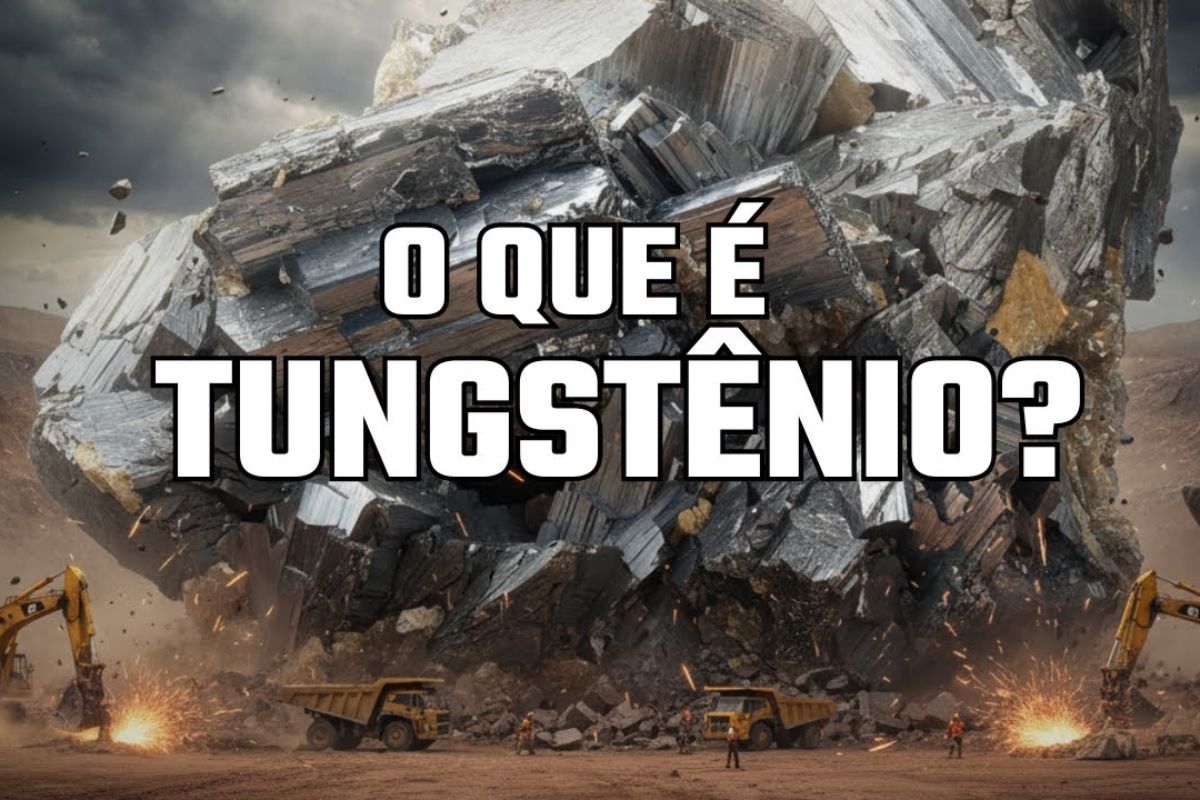
Able to Withstand Temperatures Above 3,400 °C, Tungsten Is the Most Resilient Metal Ever Identified, Combining Extreme Density, Thermal Stability, and High Conductivity.
The tungsten is one of the most impressive elements in the Periodic Table and also one of the most strategic in the global industry. Its heat resistance, density greater than steel, and use in critical sectors such as defense, medicine, and nuclear energy make it a silent protagonist of technological progress.
More than a rare metal, tungsten is a symbol of precision and durability. Not even the temperature of a volcano can melt it, and it is precisely this characteristic that makes it irreplaceable in environments where error is not an option.
The Metal with the Highest Melting Point on the Planet
Among all known metals, tungsten occupies the top of the thermal scale.
-
With a façade that resembles a giant zipper, the building in Milan creates a sense of strangeness, featuring lighting that transforms engineering and attracts the attention of residents and tourists.

-
The Brazilian city has 319 crooked buildings built on sandy soil without proper deep foundations, houses the largest beach garden in the world, with over 5 km, and is still considered the birthplace of surfing — meet Santos, in São Paulo.

-
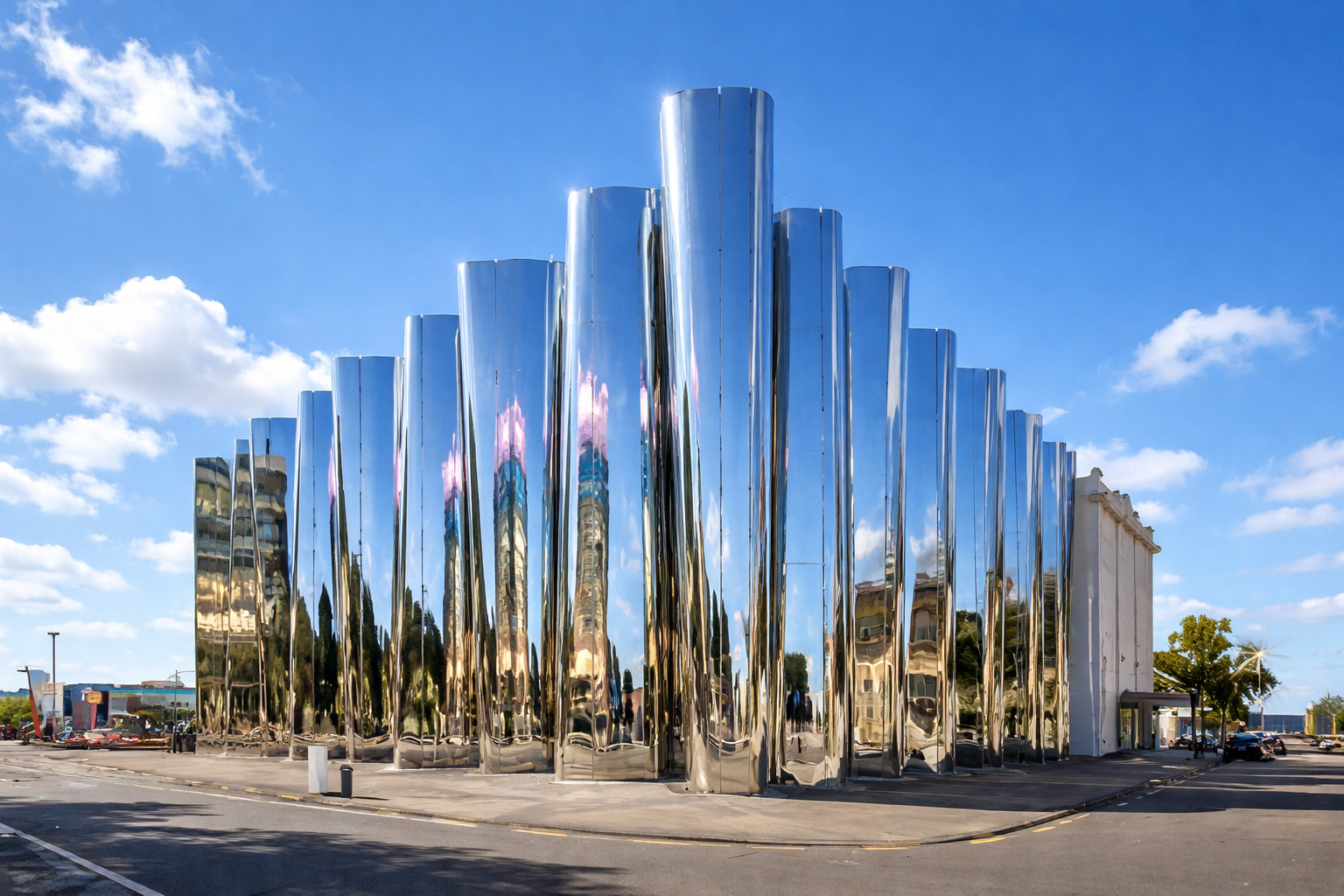
New Zealand builds a shimmering building that vibrates, featuring a 62-seat cinema, moving sculptures, and an environment where sound, light, and energy are felt in the body.
-
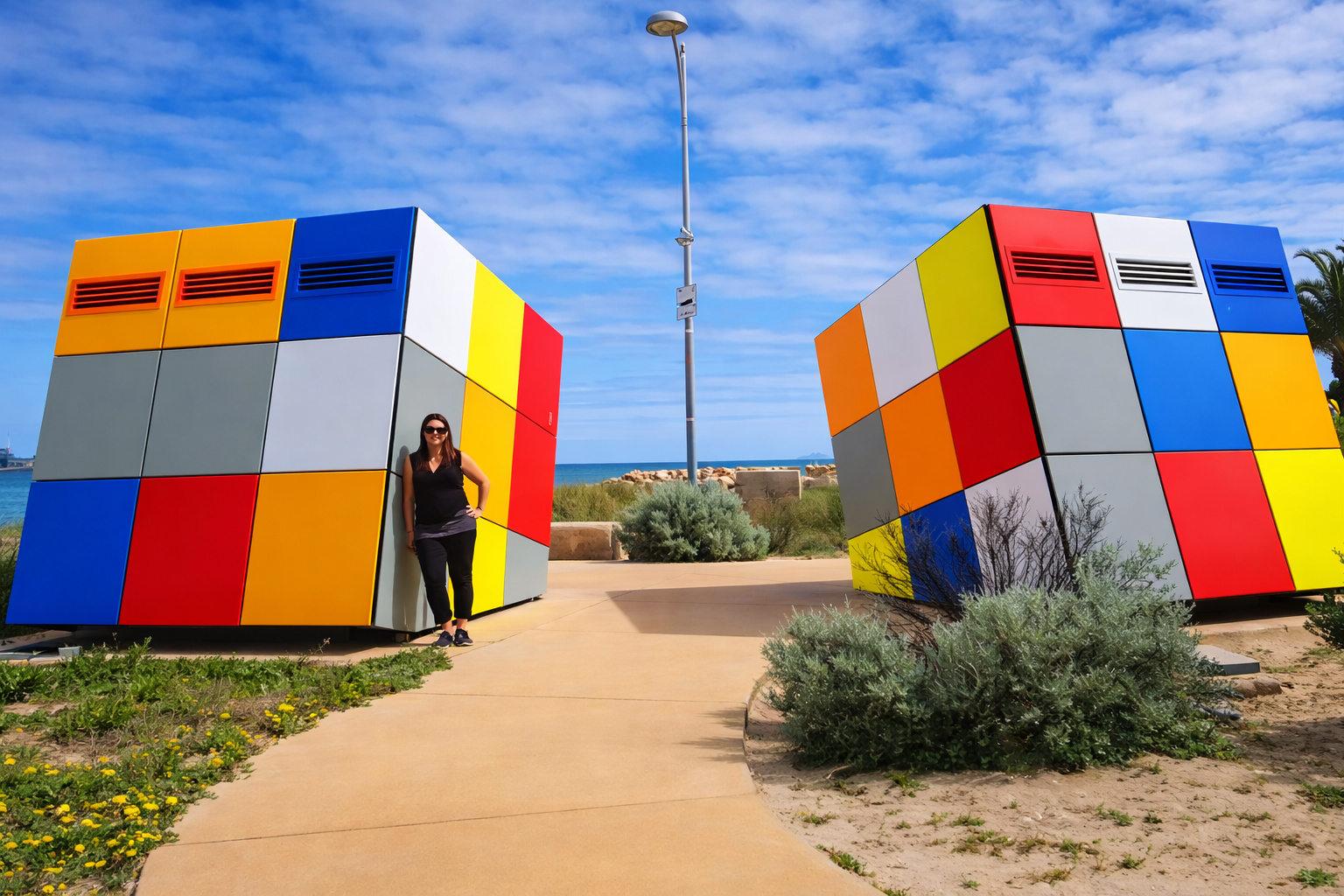
Two colored cubes of 2.5 m transform a public bathroom into a selfie spot in Western Australia, costing up to 75% less than traditional construction and helping to reduce vandalism in public spaces.

Its melting point is 3,422 °C, almost three times that of iron and five times that of aluminum.
This resistance ensures it maintains its shape and function under conditions where any other material would give in.
Discovered in 1783 by Spanish brothers Fausto and Juan José Elhuyar, tungsten, also called wolfram, received the chemical symbol W in honor of the mineral wolframite, initially found in the Peruvian Andes.
Since then, it has become essential for applications where heat and pressure are extreme.
Unique Density, Conductivity, and Crystal Structure
In addition to being heat-resistant, tungsten is one of the densest materials on Earth, surpassing steel and titanium.
This property, combined with high electrical conductivity and low thermal expansion, makes it an ideal component in precision equipment and high-performance systems.
In its pure form, however, tungsten is brittle and difficult to shape.
Therefore, it is often combined with other metals in alloys that balance strength and malleability, allowing its use in aerospace structures, cutting tools, and tactical shielding.
From Mining to Pure Metal: A Technical and Controlled Process
The path to metallic tungsten is complex and requires multiple steps.
It begins with the extraction of minerals such as wolframite, scheelite, and ferberite, usually associated with granite rocks.
The largest reserves are found in China, Russia, and Canada, with a significant presence also in Brazil, Vietnam, and Portugal.
After mining, the ore is crushed, milled, and concentrated to separate tungsten from other substances.
Then, it undergoes roasting, leaching, and reduction, processes that eliminate impurities and convert the material into pure metal.
The result is an element of ultra-high purity, capable of meeting rigorous industrial and military standards.
Strategic Applications in Industry and Defense


The tungsten carbide, one of the most well-known forms of the metal, is used in the manufacturing of drills, industrial knives, and cutting tools.
Mixed with plastics or ceramics, it improves conductivity and thermal resistance, becoming essential in the electronics and metallurgical industries.
In alloys with titanium, molybdenum, and tantalum, tungsten gains even more importance. It is used in missiles, armor, and aerospace components.
In the field of nuclear energy, it is employed in control rods and radiation shields, where stability and density are vital for safety.
The combination of durability, density, and thermal stability makes tungsten a strategic metal for any industrialized nation.
It is present in laboratories, factories, hospitals, and military systems, supporting the technological base of entire sectors while never being in the spotlight.
Today, when materials with high performance are mentioned, tungsten is the absolute reference, whether in the micro of a scalpel or in the macro of a rocket.
Did you realize that tungsten is so present in our daily lives? Leave your opinion in the comments and tell where else you think this metal may be silently at work.






-

2 pessoas reagiram a isso.