





 Portuguese
  English
  Spanish
  3 min of reading
  1 comment


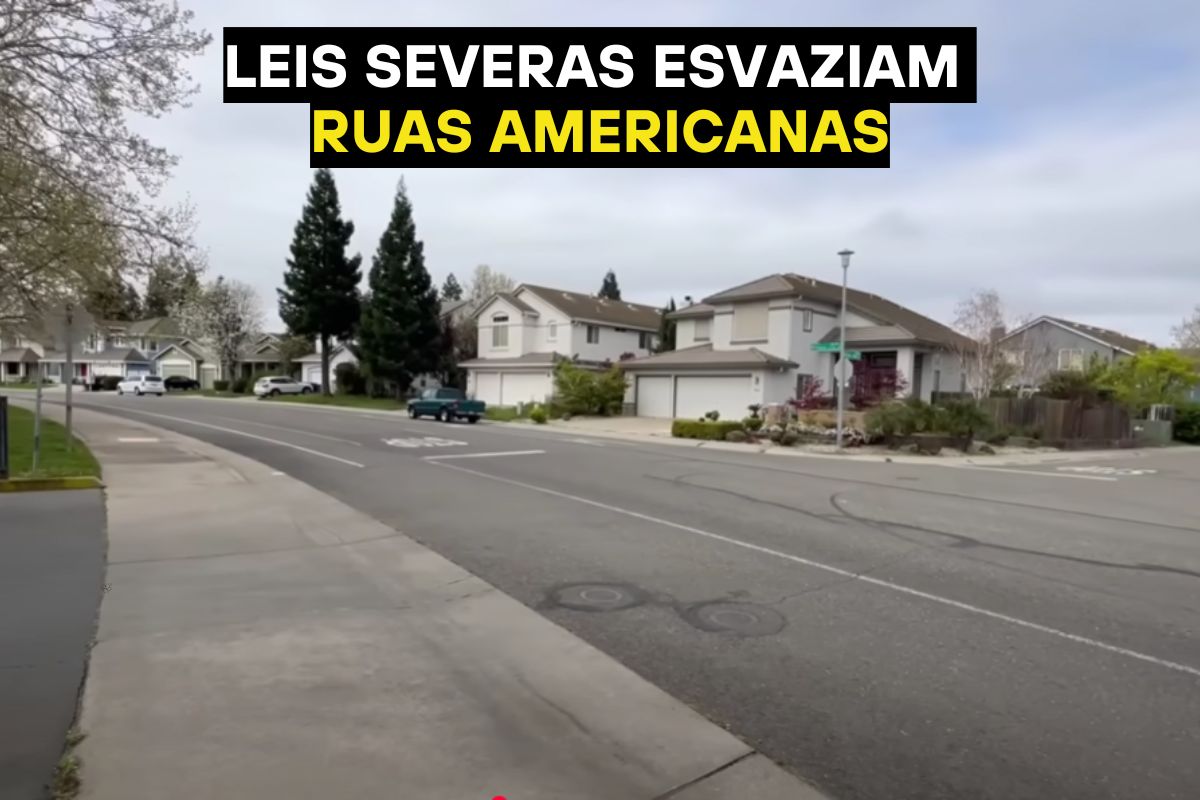


Urban Planning Focused on Cars, Strict Regulations and Zoning Codes Help Understand Why American Suburbs Always Seem Empty
After World War II, the United States experienced an economic boom that encouraged millions of families to seek home ownership. The government promoted the “American Dream” of freedom on wheels, and cities began to expand into areas far from city centers. The model of suburbs emerged, neighborhoods of single-family homes built on a large scale and connected by highways.
These spaces were marketed as symbols of safety and quality of life, featuring parks, sports fields, and wide streets. However, over generations, suburbs became residential islands separated from commerce and services, increasing dependence on cars for any travel.
Car Dependence
In American suburbs, almost nothing is done on foot. Grocery stores, schools, and basic establishments are miles away.
-
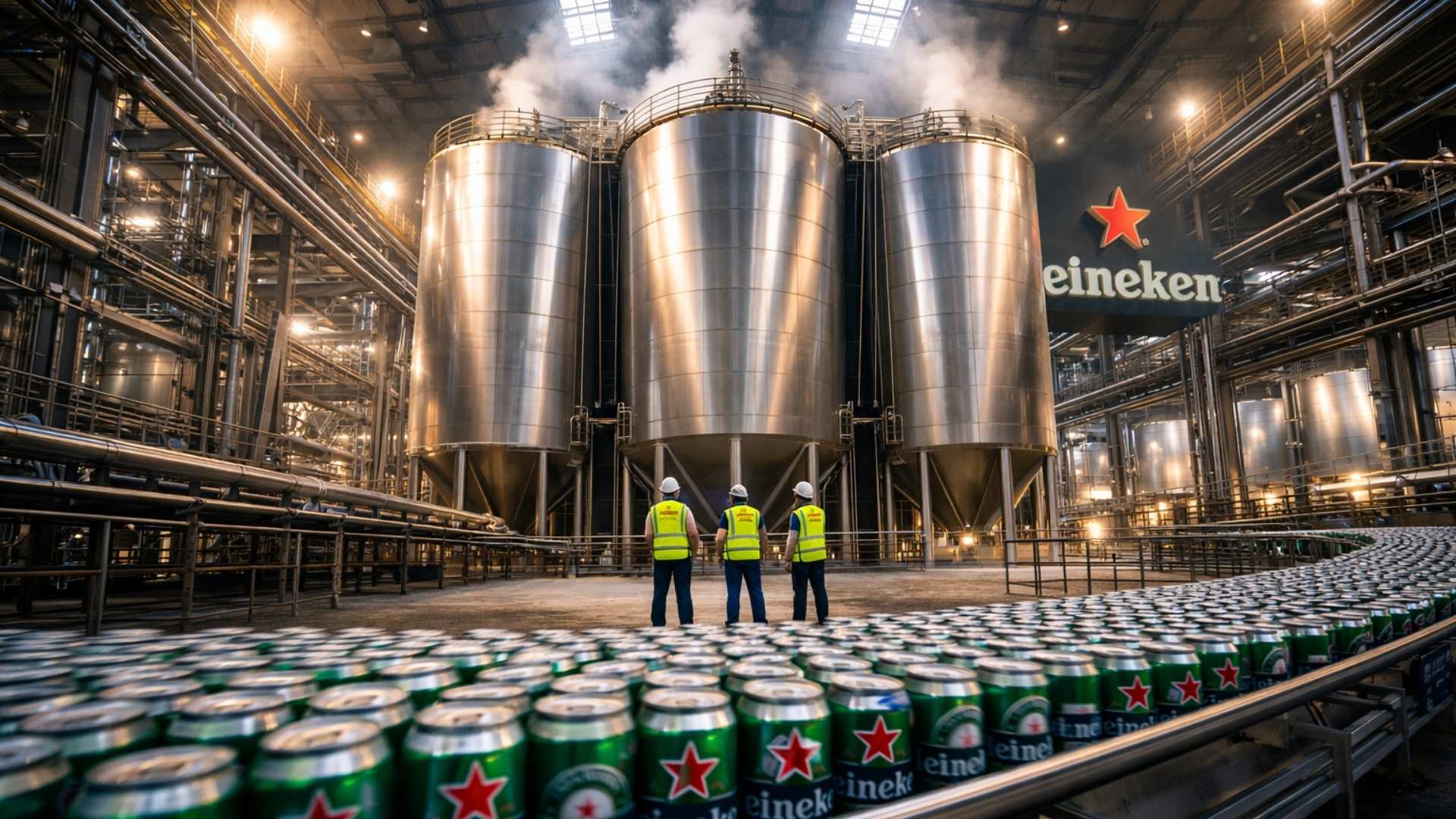
Heineken’s factory in Brazil produces 300 million beer cans in just 4 months, reaches 1 million hectoliters, received R$ 2.5 billion, and is already projecting an annual capacity of 5 million with sustainable technology.
-
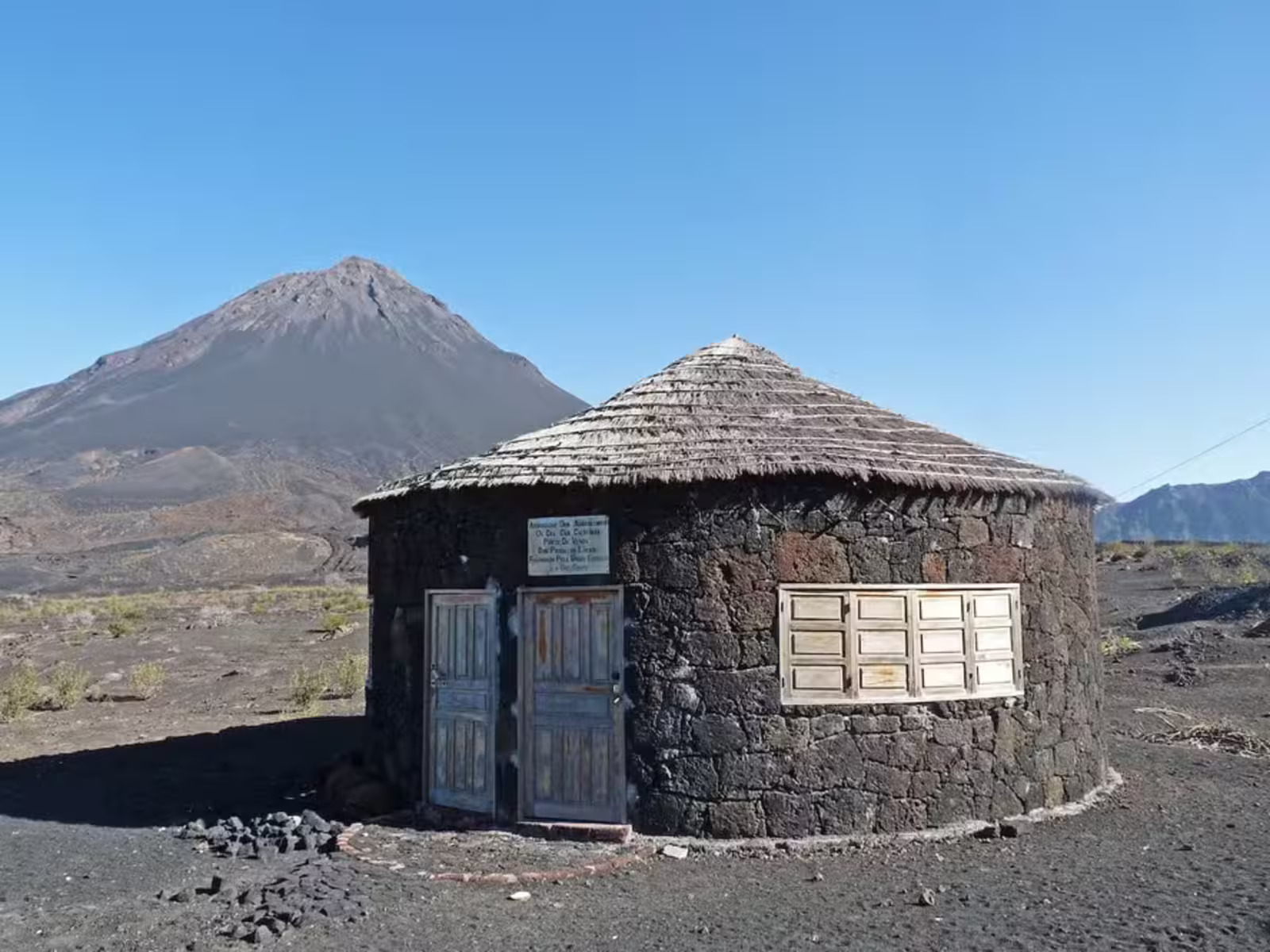
Inside an active volcano in Africa, residents use volcanic rocks to build houses in an impressive setting.
-
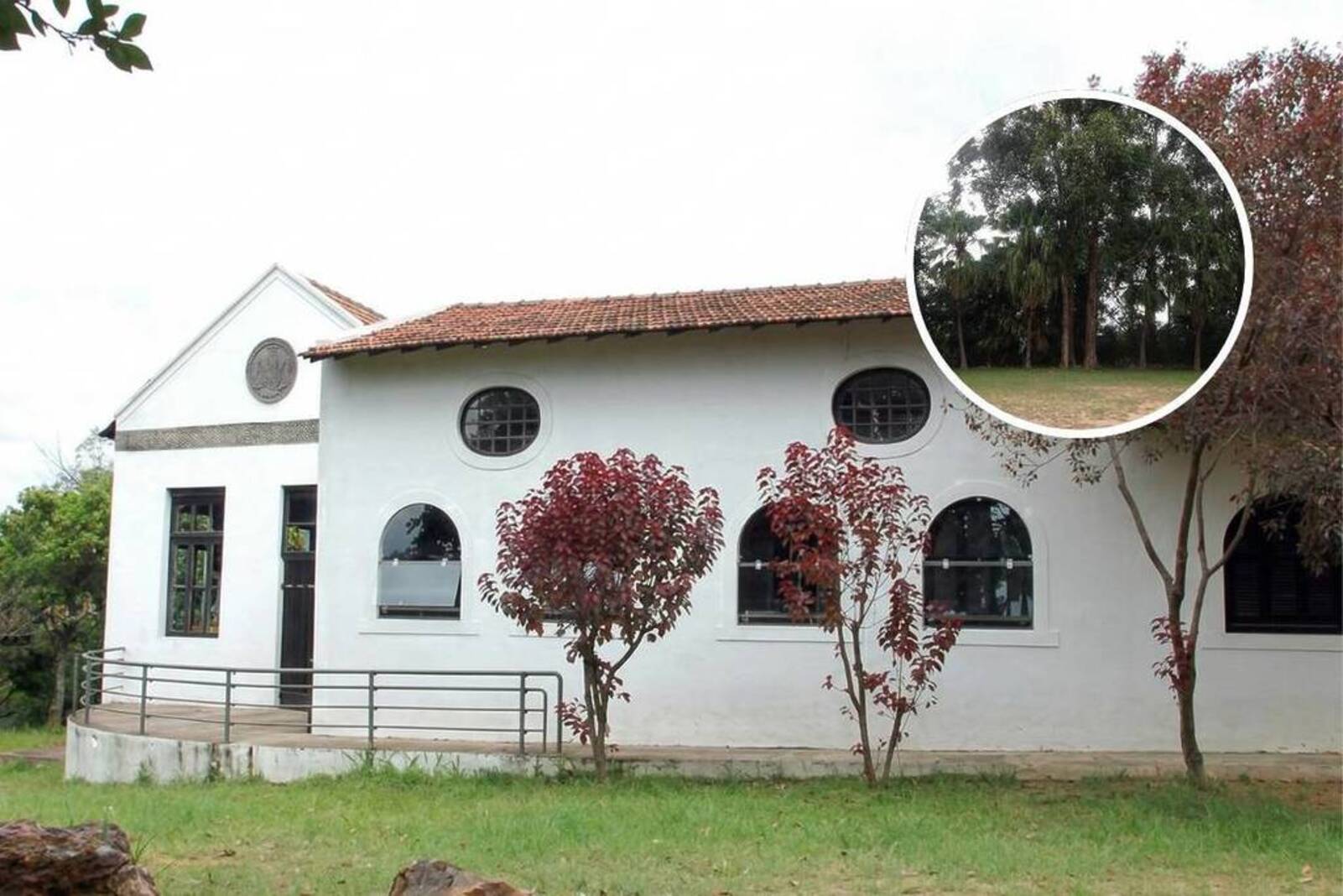
After 14 years of waiting, a rammed earth mansion built in 1702 in the North Zone of São Paulo will become a park with leisure facilities and green areas, with a million-dollar investment.
-
With 2 unfinished nuclear reactors, up to 25 billion in costs, and proven fraud, the Nukegate case has left 800,000 consumers still paying today for energy that will never be produced.


To reach a supermarket, for instance, it often takes more than an hour of walking.
This setup renders mobility without a car unfeasible, unlike central neighborhoods (midtowns), where commerce and housing coexist.
The result is a daily life where streets remain deserted, reinforcing the impression that residents are always inside their homes or cars.
The Impact on Children and Youth
Fifty years ago, half of children walked or biked to school.
Today, this is rare. In addition to the distance, strict laws punish parents who leave their children alone in public places.
In some states, there have been cases of lawsuits against families that allowed small children to walk to school.
This control, combined with the social fear of kidnappings and the lack of neighbors moving about the streets, has drastically reduced the independence of young people.
Many now spend most of their time indoors, with limited access to outdoor leisure.
The Role of Zoning


Another decisive factor is the zone code, an urban zoning system that defines where it is allowed to build residences, businesses, or industries. In the suburbs, the rules prioritize residential aspects, preventing the establishment of markets, restaurants, and services near homes. This preserves tranquility and reduces traffic but increases spatial segregation and complete dependence on cars.
In central neighborhoods, where different uses mix, density is higher, and there is life on the streets, but also more traffic, noise, and visible social problems.
Social and Health Consequences
Dependence on automobiles generates social isolation and limits mobility for new generations.
Children and teenagers only gain real freedom when they can obtain a driver’s license — in some states, as early as 14 years old.
This reality contributes to the rise of childhood obesity and reinforces attachment to digital entertainment indoors.
At the same time, suburbs have become engines of the construction and automotive economies, perpetuating a model of city planned around cars.
The phenomenon of deserted streets in the U.S. is the result of decades of urban policies that prioritized the automobile and distanced commerce and services from residential neighborhoods.
The model has brought comfort to some families, but it has also generated social, environmental, and health costs.
Would you live in a peaceful suburb dependent on a car, or do you prefer the bustling and more accessible life of cities? Share your thoughts in the comments.





Gosto de gente, movimento, sons