





 Portuguese
  English
  Spanish
  4 min of reading
  1 comment


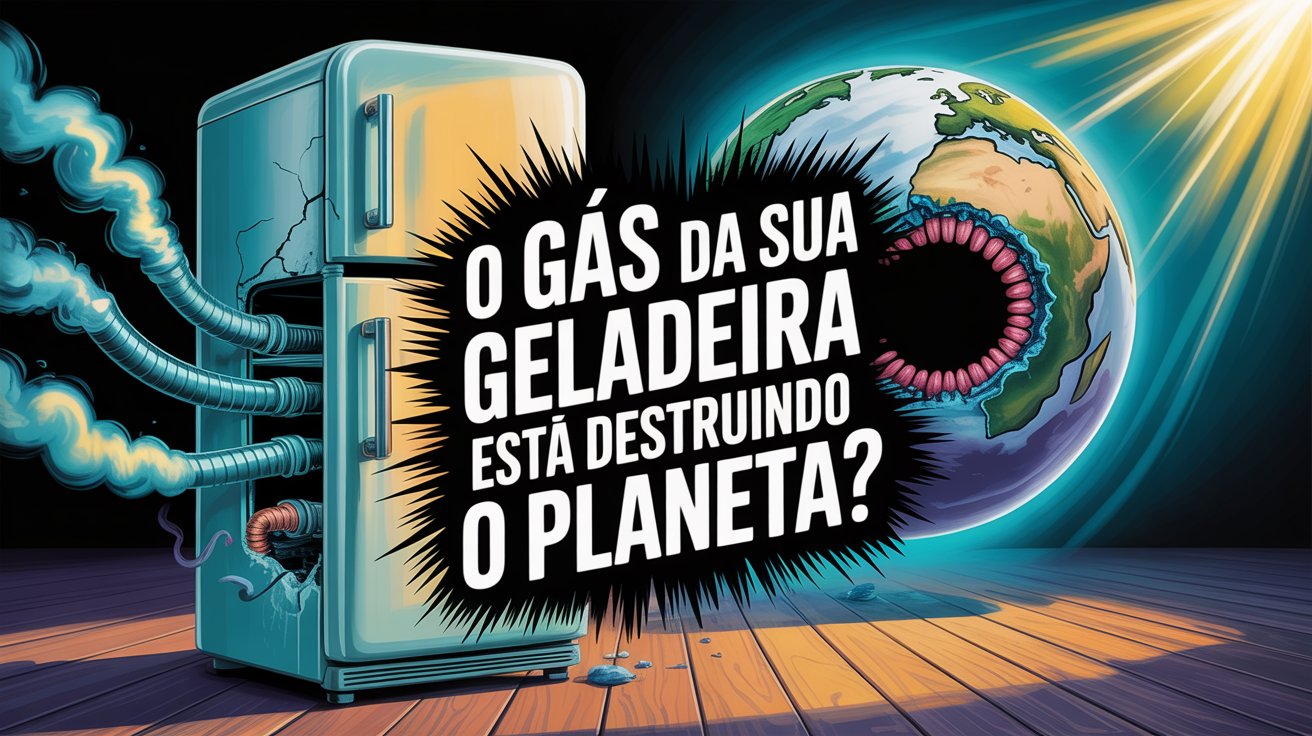

How Did The Refrigerator Gas Become An Environmental Villain, Cause A Hole In The Ozone Layer, And Get Banned Worldwide? Understand This Everyday Mystery!
Present in almost every home on the planet, the refrigerator is one of the most common — and mysterious — household appliances.
Behind the simple act of opening the refrigerator door and finding everything cool, there is a silent, invisible, yet fundamental chemical and physical process: the cycle of the refrigerant fluid, or as it became popularly known, the “refrigerator gas”.
This gas, however, was once considered an environmental villain, a key player in one of the biggest climate alerts of the 20th century.
-
The world consumes 50 billion tons of sand per year and no one is monitoring it: the UN warns that the second most used resource on the planet after water is running out and has even created an international mafia.

-
With a length of 211 meters, a double iron hull, and propulsion by sails, paddles, and a screw propeller simultaneously, the Great Eastern was the largest ship on the planet and ultimately laid the first successful transatlantic telegraph cable.

-
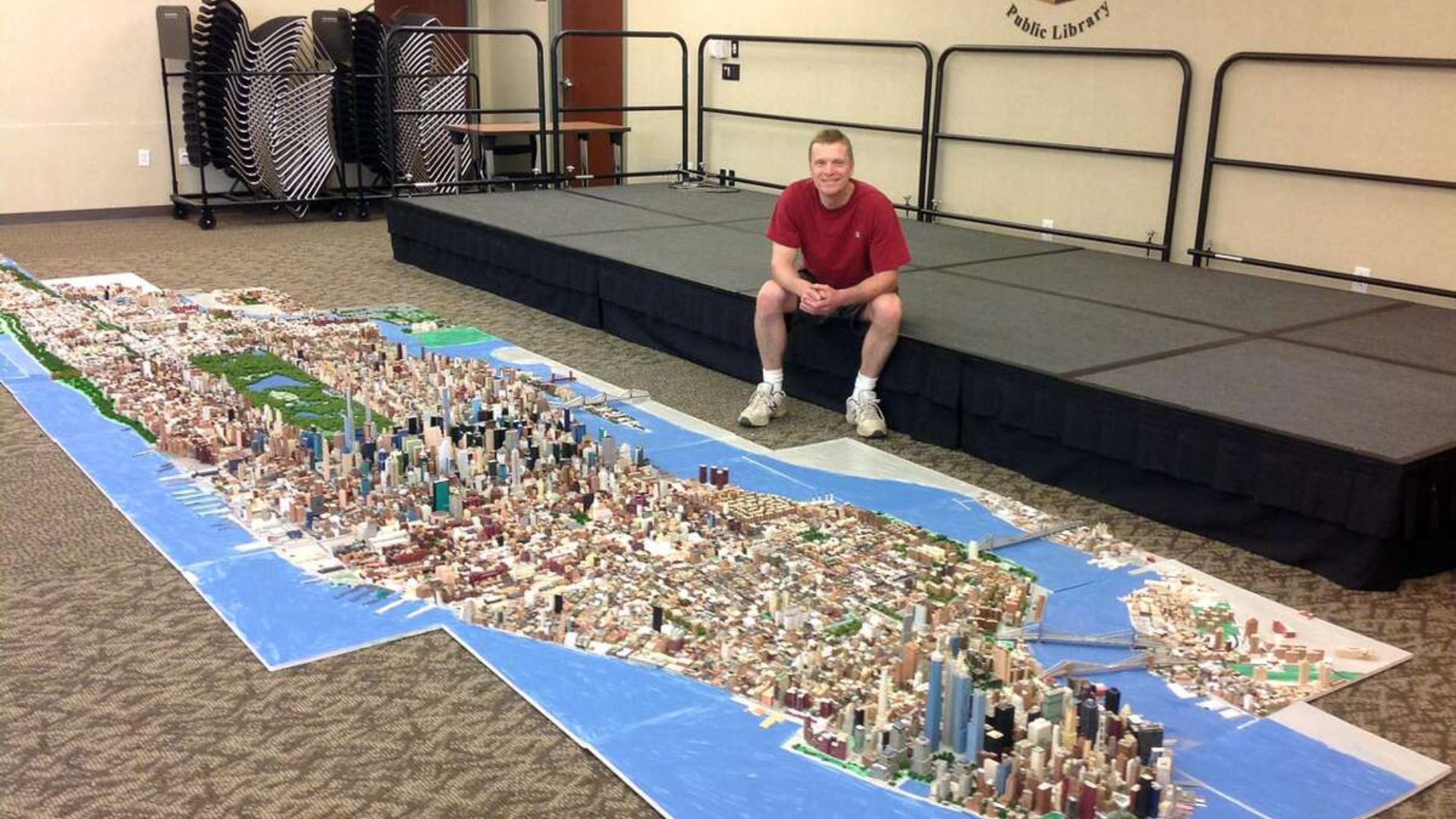
A truck driver spent 21 years building a 15-meter replica of New York using balsa wood, cardboard, and regular glue; the work, featuring hundreds of thousands of buildings, has become an attraction in a museum in the city itself.
-
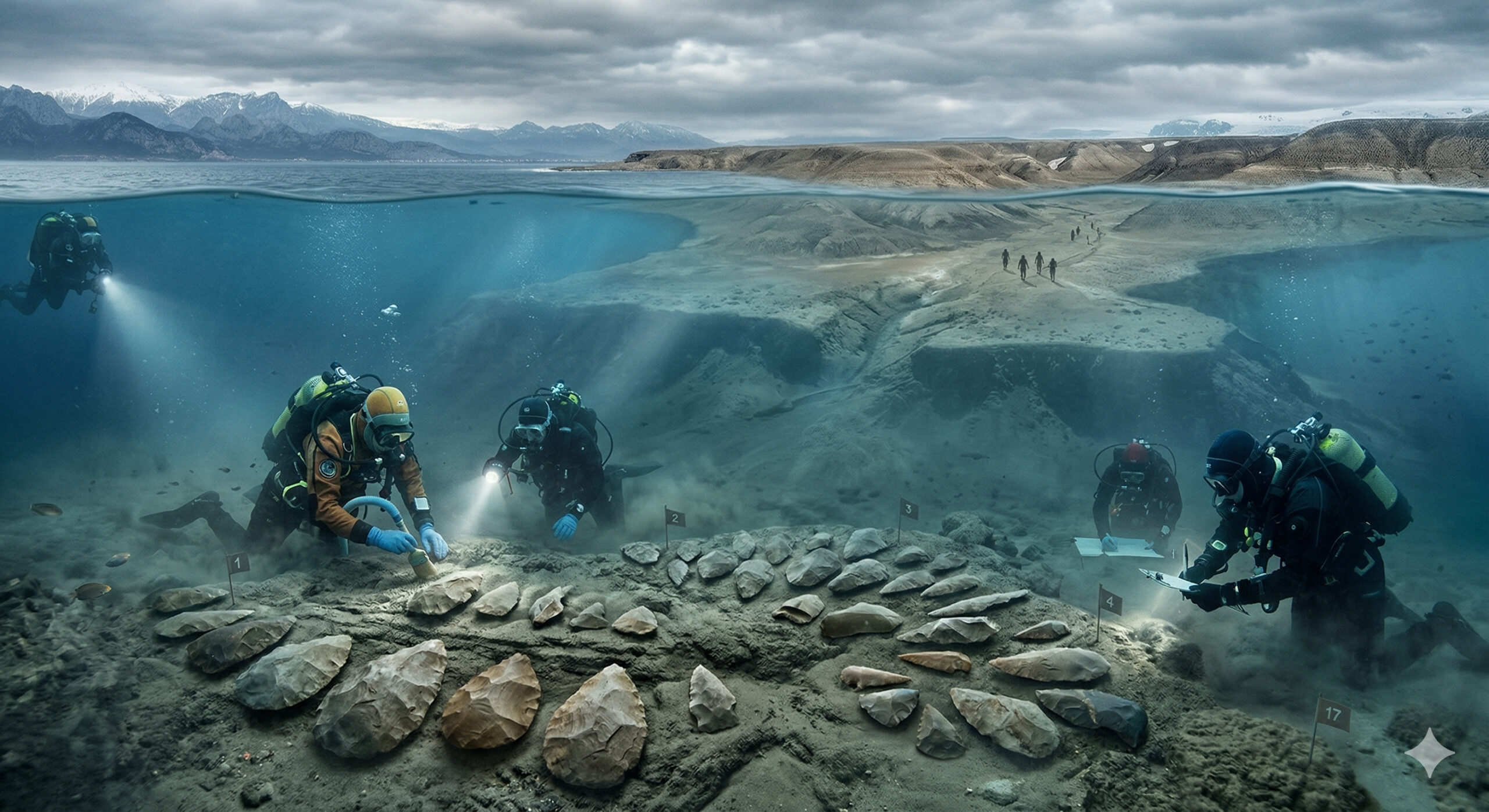
More than 138 stone tools found on the seabed between Turkey and Europe reignite the hypothesis of a lost land bridge from the Ice Age that may have been used by humans to cross continents.

Its uncontrolled use caused irreversible damage to the ozone layer and forced governments worldwide to change refrigeration technology.
From Cold to The Ozone Layer Hole
The “refrigerator gas” is actually the refrigerant fluid responsible for absorbing the heat from inside the appliance and releasing it to the external environment.
This heat exchange occurs within a closed system of tubes, where the gas circulates, going through compression and expansion processes that modify its temperature and physical state (from liquid to gas and vice versa).
For many decades, the most common fluid was CFC (chlorofluorocarbon), also known by the technical name R-12. Created in the 1930s, this gas was considered a revolution: it was cheap, efficient, and non-flammable.
The problem is that, although harmless inside the refrigerator, CFC became extremely dangerous when released into the atmosphere.
Once released into the air, it rose to the stratosphere and, after years of exposure to UV rays, decomposed, releasing chlorine — a chemical element capable of destroying ozone molecules, which are essential for protecting the Earth from ultraviolet radiation.
The Global Alarm That Changed Everything
In the 1980s, scientists detected a worrying phenomenon: a hole in the ozone layer was forming over Antarctica.
Soon, the culprits were identified: the CFCs used in refrigerators, air conditioners, and aerosol sprays.
In response to the scientific alert, world leaders signed the Montreal Protocol in 1987, an international agreement to gradually eliminate the use of these substances. Since then, the refrigeration industry had to reinvent itself.
The Substitutes: From R-134a to R-600a
With the ban on CFCs, HCFCs (hydrochlorofluorocarbons) emerged as temporary substitutes.
They caused less damage to the ozone layer, but still posed environmental risks. One example is R-22, which was also banned.
Later, the market adopted HFCs (hydrofluorocarbons), such as R-134a, which do not affect the ozone layer but have a high global warming potential (GWP).
Therefore, in recent years, these gases have also begun to be replaced.
The latest generation of refrigerant fluids bets on hydrocarbons, such as R-600a (isobutane) and R-290 (propane).
They have a low environmental impact, are highly efficient, and are already standard in many modern refrigerators — especially in Europe, Japan, and Brazil.
The challenge, however, lies in the flammability of these gases, which requires safer components and rigorous manufacturing processes.
How Does The Refrigerator Actually Cool?
The magic of cooling happens thanks to the thermodynamic cycle of the refrigerant gas. In summary:
- The compressor compresses the gas, increasing its pressure and temperature.
- The hot gas passes through the condenser, where it releases heat and transforms into a liquid.
- This refrigerant liquid goes to the evaporator, where it rapidly expands and turns back into gas.
- In this evaporation process, the fluid absorbs heat from inside the refrigerator, cooling it down.
- The gas returns to the compressor and the cycle restarts.
This all happens continuously, 24 hours a day, silently and almost imperceptibly.
Why Is It Dangerous To Puncture The Bottom Of The Refrigerator?
Many people wonder why technicians warn against puncturing or damaging the back or inside of the refrigerator. The answer lies precisely in the tubes through which the refrigerant fluid circulates.
If these tubes are damaged, the gas escapes — and the refrigerator stops working. Additionally, if the gas is flammable (like R-600a), there is a risk of explosion upon contact with electrical sparks, although this is rare with current safety standards.
Another risk lies in the environmental impact. Despite the new gases being less harmful, their release is still undesirable.
Therefore, it is essential that the replacement or disposal of the refrigerant fluid be done only by specialized technicians.
The Future of Cold: Technology and Sustainability
In recent years, the refrigeration industry has invested in more sustainable technologies, such as:
- Systems Using CO₂ As Refrigerant, used in large markets and supermarkets.
- Magnetic Refrigeration, an experimental technique that eliminates gases and is based on magnetic fields to alter temperature.
- Improvement in Energy Efficiency, reducing the electricity consumption of refrigerators.
This all shows that even the simplest household appliances hide profound innovations and technical and environmental challenges.
Have You Ever Stopped To Think About What Happens To The Gas In Your Refrigerator When It Is Discarded?
What happens to the refrigerant fluid when old refrigerators are discarded carelessly? In times of climate crisis, this is a question that deserves attention — and may reveal that even the small details of our daily lives have global consequences.





Não..nem o gas da geladeira nem o amaldiçoado canudinho de plástico..segundo os analistas que ninguem conheçe o culpado de tudo é el ****