





 Portuguese
  English
  Spanish
  5 min of reading
  10 comments


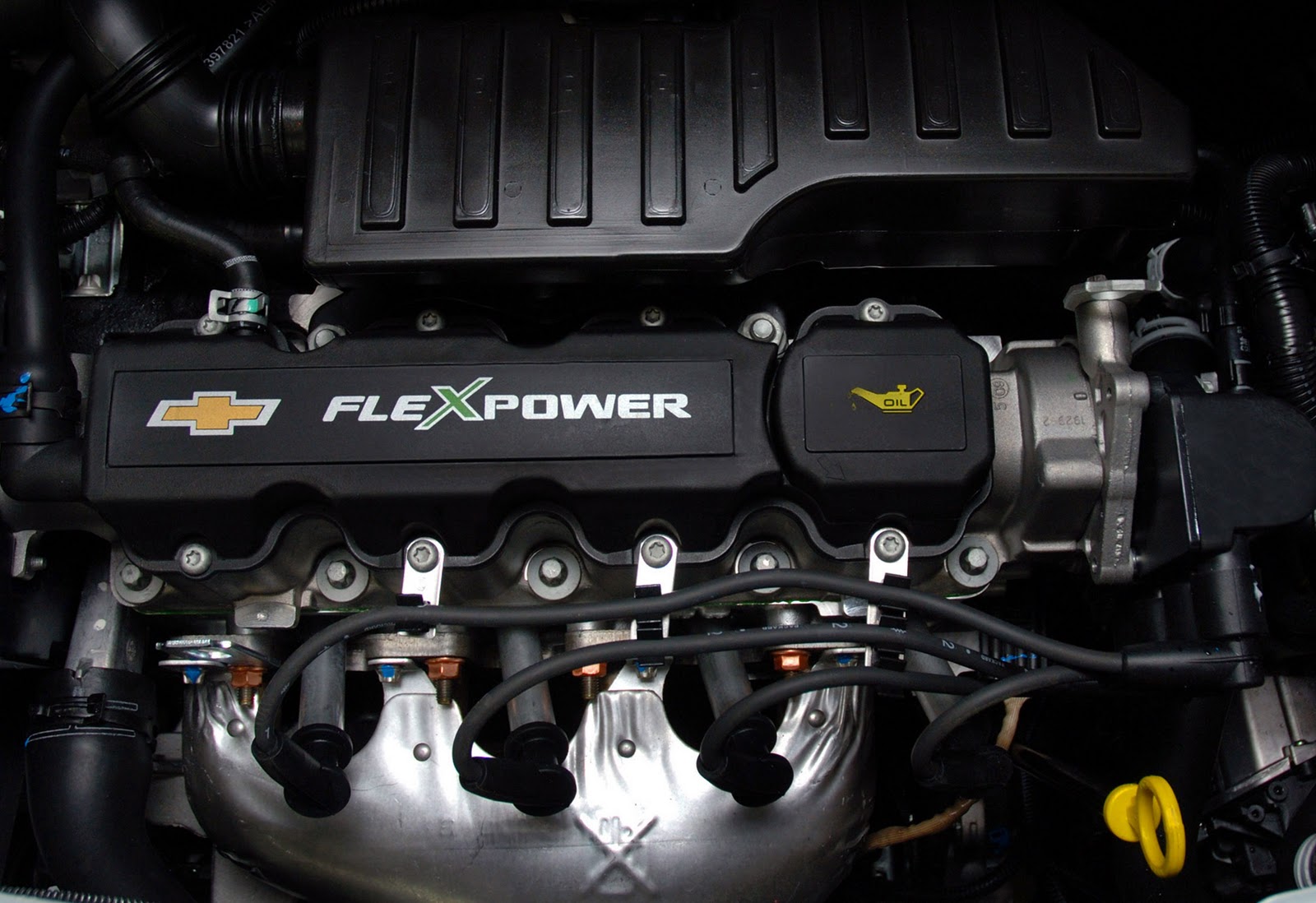


The 1.8 FlexPower Engine Marked Generations and Became a Reference for Durability in Brazil; Understand Why It Is Remembered as One of the Most Resilient Engines from GM.
The 1.8 FlexPower engine from General Motors marked generations, equipped some of the most popular cars in the country, and gained a reputation that few national engines have achieved: the fame of being “almost indestructible.” Although no machine is literally eternal, there is a technical, historical, and cultural reason why this mechanical assembly has survived nearly two decades of production, endured in four different families of vehicles, and is still remembered today as one of the most durable engines ever manufactured in Brazil.
The story of the FlexPower is not just the trajectory of a mechanical component. It is a portrait of a time in the Brazilian automotive sector, the impact of ethanol, the advancement of flex technology, the growth of compact cars, and the need for simple and robust solutions in a market that has always valued durable and inexpensive cars to maintain. And, within this scenario, the 1.8 FlexPower became the protagonist.
How the 1.8 FlexPower Engine Came to Be and Why It Was So Important
In the early 2000s, Brazil was experiencing the consolidation of flex-fuel vehicles. The mission for automakers was clear: create engines that were compatible with gasoline and ethanol, while maintaining performance, fuel efficiency, and durability. Each brand followed a different technical path, and GM bet on an old base engine design, but one that was profoundly modernized.
-
The car stored for 38 years: when opening the barn door, what appears is breathtaking and looks like a scene from a movie!

-
Fiat works miracles in the Brazilian market, lowers the price of its 0 km hatch to R$ 69,990, reestablishes the model as the cheapest car in the country, and reignites the battle against Kwid and C3.
-
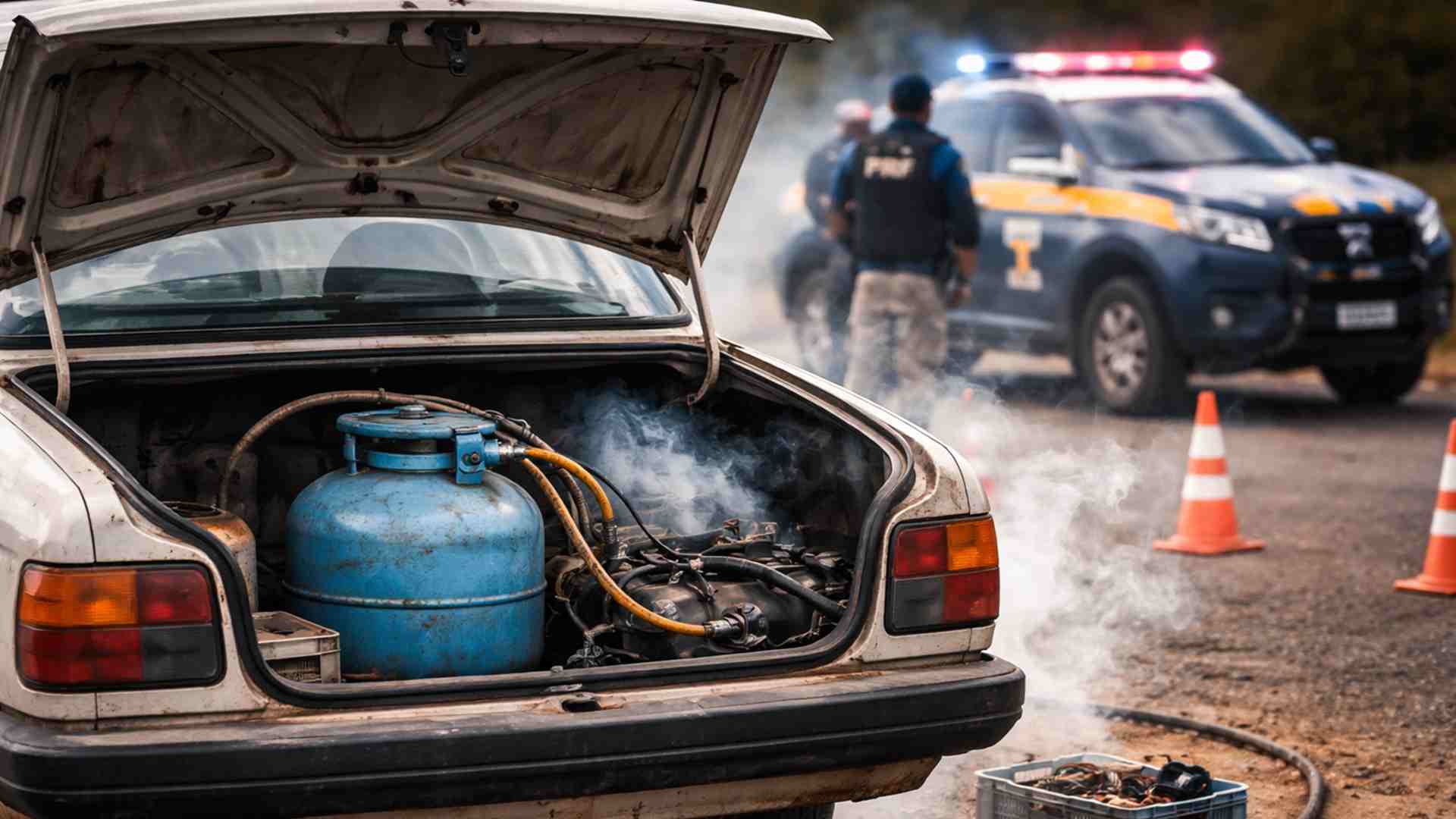
Chevette with cooking gas: How the gas cylinder ends up being used in cars clandestinely and why this makeshift solution can result in leaks, explosions, damaged engines, and seized vehicles.
-
Fiat launches the new 2027 Toro hybrid with 48V, 176 hp, an electric motor of 15.5 hp, a 0.85 kWh battery, up to 7% fuel savings, 8% fewer emissions, and possible exemption from IPVA.


The 1.8 FlexPower was derived from the Opel family used by Chevrolet in Europe but underwent Brazilian adaptations to operate with ethanol. It featured a robust block, thick walls, a simple cylinder head, reliable camshafts, and a mechanical design that prioritized resistance and tolerance to severe use, exactly what the domestic market demanded.
This assembly became the basis for models such as:
- Corsa Sedan 1.8
- Meriva 1.8
- Montana 1.8
- Astra 1.8
- Zafira 1.8
- Entry-level Vectra
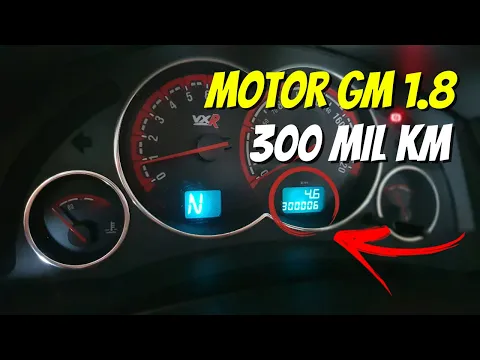

On all these platforms, the engine exhibited practically the same behavior: strength, reliability, and a low rate of severe failures. At that time, GM was looking for an engine that would guarantee mechanical stability even in situations of low maintenance — and it succeeded.
Why the 1.8 FlexPower Gained Fame as the “Engine That Endures Everything”
The reputation for durability of this engine did not arise from marketing; it came from real-life experience. Owners, mechanics, and fleet managers noticed over the years that the 1.8 FlexPower was quite tolerant to wear, aging, and even neglect—within the limits of any machine, of course.
The main technical factors that explain this resistance are clear:
Simple and robust design
No variable timing mechanisms, delicate turbos, or sensitive electronics. It was an engine that operated on the basics and performed well.
Heavy block and thick walls
Allowed for high thermal tolerance and intense use without the risk of cracks, warping, or premature corrosion.
Widely available and inexpensive parts
Maintaining the engine was simple and cost-effective. This contributed to many units reaching very high mileages since they never stopped receiving minimal maintenance.
Perfect compatibility with Brazilian ethanol
The FlexPower always handled alcohol well, taking advantage of its high octane rating to deliver more torque at low RPMs without significantly increasing consumption.
Ease of repair
Almost every workshop in the country knows how to work on this engine. It became a mechanical training ground.
That’s why it’s common to find reports of units with over 250,000 km running on the original engine, without a complete overhaul. Although there are no official statistics, market perception is consistent: this mechanical assembly was one of the most durable ever used by GM in Brazil.
Performance and Behavior: An Engine Made to Always Work, Not to Impress
It’s important to clarify: the 1.8 FlexPower was not a sports engine, nor the most modern of its time. Its average fuel consumption was far from the best. On the other hand, it offered a relatively linear torque delivery, ideal for heavy cars like the Zafira, Meriva, and Montana.
Smoothness was not its strong point, but stability at medium RPMs made it an extremely predictable and reliable engine. In practice, it was a propellant that prioritized durability and mechanical stability, rather than technical sheet numbers.

In lighter vehicles, such as the Corsa Sedan, performance surprised with its agility. In utility vehicles, like the Montana, it showed plenty of strength for daily work.
In the end, the appeal of the FlexPower was never pure power — it was its mechanical resilience and unusual longevity.
The Known Issues and Why They Do Not Affect Its Overall Reputation
No engine is free of flaws. The FlexPower also had its critical points:
- Higher consumption than 1.6 competitors
- Vibration at idle
- Sensitive MAP sensor
- Throttle body requiring periodic cleaning
- Sludge in poorly maintained engines
Even so, these issues are considered minor and easy to resolve. The engine rarely exhibited serious block, cylinder head, or crankshaft failures, the damages that truly determine whether an engine is resilient or not. Therefore, even with its defects, it maintained the reputation of being “strong” and “reliable.”
Why the 1.8 FlexPower Is Still Remembered as One of the Most Durable Engines Ever Manufactured by GM
Today, in 2025, the market is experiencing the era of small engines, low-displacement turbos, direct injection, and high mechanical complexity, all of which require much more rigorous and sensitive maintenance.
In this context, the 1.8 FlexPower has become a symbol of a time when engines were designed to last, withstand poor-quality fuel, and handle daily use without drama.
It is remembered because it represented:
- The consolidation of flex technology in Brazil
- A whole generation of family cars
- A mechanical assembly that rarely let the driver down
- A transition phase between simple engines and the automotive digital era
The FlexPower is not the best engine ever created.
But it is undoubtedly one of the most resilient, tolerant, and important in our industry.
The Legacy of an Engine That Marked an Era
The 1.8 FlexPower engine does not “never break”; this is a natural hyperbole of automotive culture. But it truly delivered what every Brazilian driver valued: mechanical durability, low maintenance costs, and the ability to survive for decades even in adverse conditions.
Its legacy continues precisely for this reason. It was an engine that did not need to impress to be reliable. And, in a country like Brazil, that is worth more than any catalog number.









Tenho um Palio 1.8R que completou 17 anos em novembro/2025. Nunca me deixou na mão e hoje faz parte da família. Só alegria. Oh bichinho valente e confiável. O segredo é ter cuidado sempre com a manutenção preventiva.
Astra e Zafira usavam o Família 2 que é um motor bem suave (ótima relação r/l). Os demais carros usam o família 1. Tive uma Spin 1.8 que era bem áspera e ruidosa, mas tinha um ótimo torque em baixa.
Hoje os motores dos Automóveis já tem prazo de validade para trocar, tudo “BUSSINES” com Alibe de tecnologia….