





 Portuguese
  English
  Spanish
  3 min of reading
  0 comments


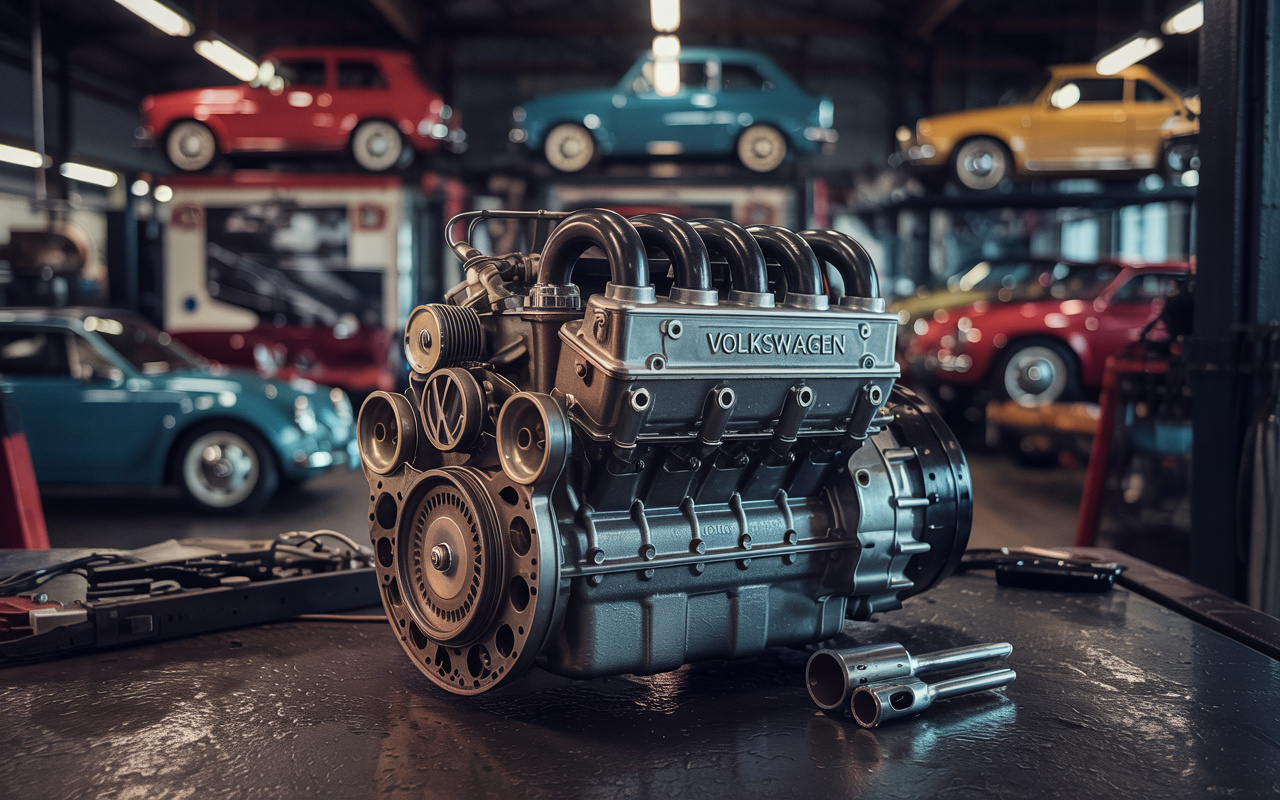
Volkswagen Retired Its AP Engine After Almost Three Decades and Millions of Units Produced. Legendary in Brazil, It Marked Generations and Keeps Running Until Today.
The engine in question is the Volkswagen AP, also internally called EA827. Created in Germany in the 1970s and produced in Brazil starting in 1985, the engine became synonymous with robustness, ease of maintenance, and consistent performance. It was almost three decades of production in national territory, equipping some of the brand’s most iconic models.
In Brazil, it gained a reputation for being “unbreakable,” found in cars like the Gol, Parati, Saveiro, Voyage, Santana, Passat, and even sporty versions like the Gol GTi. Its versatility was such that it served both in basic entry models and in preparations that competed in professional races.
Why Was It So Loved?
The secret of the AP was its simplicity of design combined with reliability. It supported long mileages — many reports of units that exceeded 400,000 km without major interventions. Additionally:
-
Fiat launches the new 2027 Toro hybrid with 48V, 176 hp, an electric motor of 15.5 hp, a 0.85 kWh battery, up to 7% fuel savings, 8% fewer emissions, and possible exemption from IPVA.

-
Used automatic cars from Hyundai that are reliable, offer comfort, good performance, and cost between R$ 45,000 and R$ 75,000.
-
Electric car surprises on the Transamazon Highway as it tackles a mud pit; Saveiro and Hilux get stuck and need to be pulled out, while a milk truck crosses alongside with ease and draws attention.
-
The war in Iran could be the push needed for the electric vehicle market to truly explode because when the price of oil exceeds 100 dollars a barrel, combustion cars become a luxury, and China already dominates 60% of the global electric market.

- Ease of Maintenance: cheap parts available in any workshop.
- Adaptability: worked well with both gasoline and ethanol, and later, in flex versions.
- Tuning: could withstand high turbo pressures, becoming a favorite among tuners and drag racers.
This combination made it one of the most respected engines ever manufactured in Brazil.
Millions of Units Running Until Today
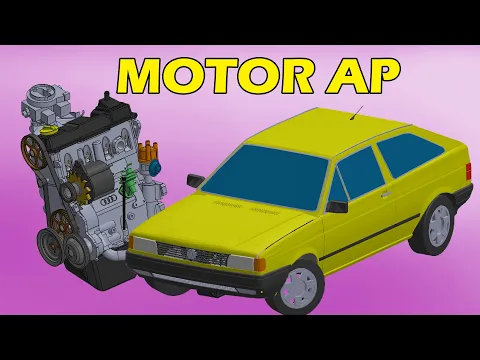

During its career, the AP was produced in millions of units. Although officially retired in 2013 in Brazil, it remains present in a huge fleet that continues to circulate.
On the streets, it is common to find vehicles from the 90s and 2000s still in daily use with this engine, reinforcing its reputation for durability. In enthusiast clubs, the AP is preserved as a symbol of a time when simple mechanics dominated the scene.
The Reason for Retirement and the Legacy of the AP
Despite its durability and legion of fans, the AP did not survive the new emission standards. With the arrival of stricter pollutant regulations and the need for more efficient engines, Volkswagen ceased its production in Brazil and began investing in modern engines, such as the TSI family, in addition to electric and hybrid routes.
Even off the assembly lines, the AP remains alive. It became a school engine for generations of mechanics and a base for legendary preparations in competitions. In drag racing, it is common to find turbocharged AP blocks delivering 500, 700, and even over 1,000 hp, something unthinkable for engines of its time.
No wonder the engine is still celebrated. There are clubs, meetups, and even replacement parts produced on a large scale to keep this machine that marked the history of automobiles in Brazil alive.

The end of the AP engine is more than the retirement of a powerplant: it is the closing of an era. It was almost three decades of production and millions of units manufactured, a milestone that crossed generations and helped consolidate Volkswagen in the Brazilian market.
Now, the brand moves towards the future with cleaner and more efficient technologies, but the legacy of the AP continues to run through the streets — and in the hearts of enthusiasts, it will always be remembered as one of the most legendary engines ever made in the country.





Seja o primeiro a reagir!