





 Portuguese
  English
  Spanish
  4 min of reading
  2 comments


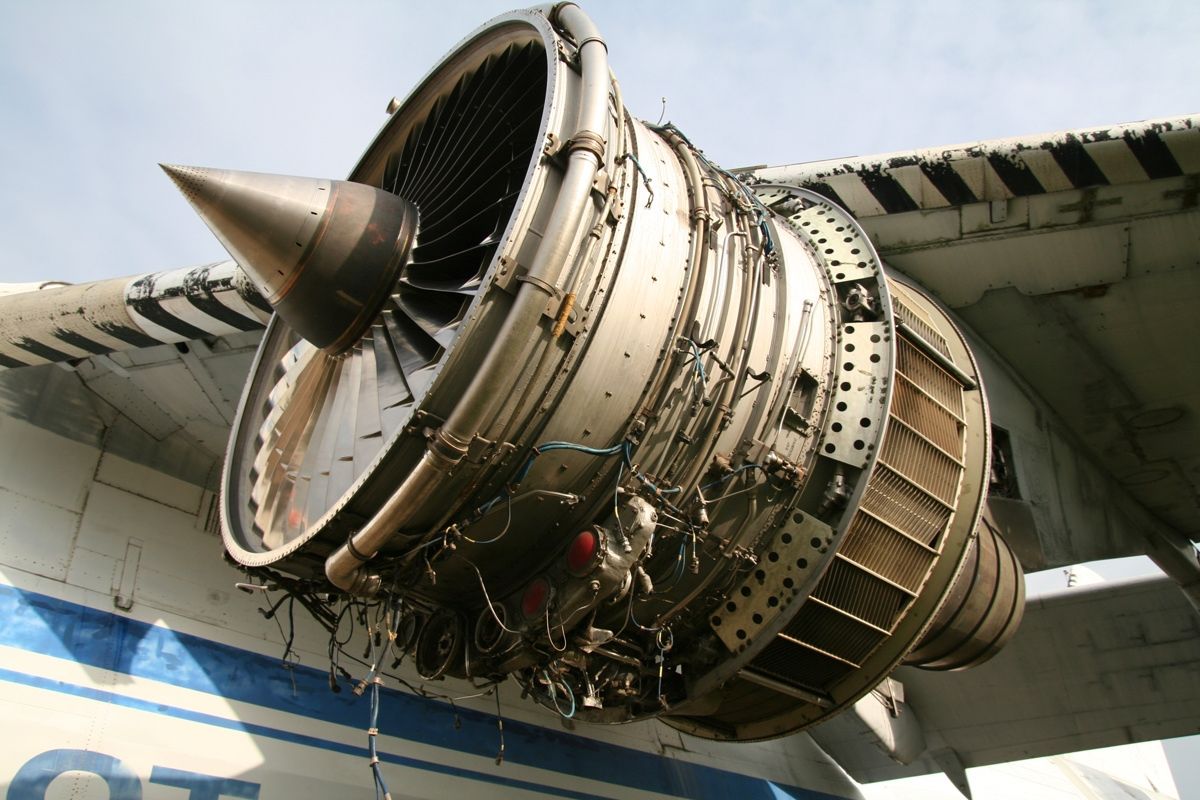


Destroyed In 2022 During The Invasion Of Ukraine, The Giant Antonov An-225 Mriya Left A Legacy Of Records And Monumental Engineering, Which Included A Nearly Unbelievable Fuel Consumption For The Engine Of The Largest Cargo Plane In The World.
The Antonov An-225 Mriya Was A Legend In The Skies. Even After Its Tragic Destruction In February 2022, The Largest Plane Ever Built Continues To Fascinate Aviation Enthusiasts. Famous For Its Colossal Dimensions, The Engine Of The Largest Cargo Plane In The World Had An Impressive Consumption Of Up To 15 Tons Of Kerosene Per Hour Of Flight.
This Information Unveils The Secrets Behind This Giant. Let’s Explore The History Of The Mriya, The Engineering Of Its Soviet Propulsors, The Truth About Its Consumption And The Legacy It Left, Even After Being Reduced To Rubble In Its Hangar In Ukraine.
Why Was The An-225 Built In The 80s To Carry A Soviet Space Shuttle?
The An-225 Mriya Was Not Born To Be A Common Cargo Plane. It Was A Response To A Specific And Monumental Need Of The Soviet Union During The Cold War: The Transportation Of The Buran Space Shuttle. In The 1980s, The Soviets Needed An Aircraft Capable Of Carrying The Giant Components Of The Energia Rocket And The Buran Itself From Its Factories To The Launch Site.
-
Inside an active volcano in Africa, residents use volcanic rocks to build houses in an impressive setting.

-
After 14 years of waiting, a rammed earth mansion built in 1702 in the North Zone of São Paulo will become a park with leisure facilities and green areas, with a million-dollar investment.

-
With 2 unfinished nuclear reactors, up to 25 billion in costs, and proven fraud, the Nukegate case has left 800,000 consumers still paying today for energy that will never be produced.

-
The household appliance that consumes the most energy in Brazilian homes is not the air conditioner; it is located in the smallest room of the house, is used daily, and can account for up to 25% of the electricity bill, while an alternative in the same outlet can reduce this cost by up to 75%.


The Solution Was To Take An Aircraft That Was Already Huge, The Antonov An-124, And Radically Modify It. Engineers Extended The Fuselage, Redesigned The Wings To Add Two More Engines, And Created A Twin Tail To Provide Stability To The Plane When Carrying The Space Shuttle On Its Back. The Result Was A Giant 84 Meters Long With A Landing Gear That Had 32 Wheels To Support Its Weight.
X-Ray Of Power: The Details Of The Six Progress D-18T Engines, The Heart Of The An-225

The Mriya’s Ability To Take Off With A Maximum Weight Of Up To 640 Tons Came From Its Six Engines. The Chosen Propulsor Was The Progress D-18T, A Marvel Of Soviet Engineering Developed In The 1970s. Manufactured In Ukraine, It Was The First Engine In The Country To Exceed 20,000 kgf Of Thrust.
Each Of These Turbofan Engines Measured 5.4 Meters In Length, Weighed 4,100 Kg And Were Capable Of Generating A Maximum Thrust Of 51,700 Pounds-Force. Together, The Six Engines Provided The An-225 With The Raw Power Necessary For Its Missions. Although They Were Cutting-Edge For Their Time, They Were Considerably Less Efficient In Fuel Consumption Than Modern Engines.
The Consumption Of The Engine Of The Largest Cargo Plane In The World: The Truth About The 15 Tons Per Hour
The Famous Figure Of 15 Tons Of Fuel Per Hour Is Impressively Accurate, But It Only Refers To The Cruising Phase Of The Flight, When The Plane Is Already At High Altitude. The Reality Of Consumption Varies Greatly.
On Takeoff: To Lift Its 640 Tons Off The Ground, The Engine Of The Largest Cargo Plane In The World Operated At Maximum Power, With A Theoretical Consumption That Could Exceed 48 Tons Per Hour.
In Cruise: At A Speed Of 800 Km/h, The Consumption Stabilized At About 16 Tons Per Hour, Which Validates The Famous Estimate.
To Put It In Perspective, The Fuel That The Mriya Burned In Just One Hour Of Flight At Cruising Altitude Would Be Enough For A Small Car, Achieving 15 Km/L, To Make Almost Eight Full Trips Around The Earth.
The Destruction Of The Mriya On February 27, 2022 In Hostomel

The Career Of The Mriya Ended Tragically. Its Last Commercial Mission Was Between February 2 And 5, 2022, Transporting COVID-19 Tests From China To Denmark. After The Mission, It Returned To Its Base At Antonov Airport In Hostomel, Near Kyiv, For Maintenance.
On February 24, 2022, With The Start Of The Russian Invasion Of Ukraine, The Airport Became One Of The First Targets. During The Battle Of Antonov Airport, The Aircraft, Which Was Unable To Fly, Was Struck And Destroyed. On February 27, 2022, The Destruction Of The Only An-225 In The World Was Confirmed, With Images Showing The Aviation Giant In Flames Inside Its Hangar.
The Debate About Reconstruction And The Memory Of The Engine Of The Largest Cargo Plane In The World In 2025
Originally A Symbol Of Soviet Power, The Mriya (Which Means “Dream” In Ukrainian) Was Adopted By Independent Ukraine As An Icon Of National Pride. Its Destruction Was Felt As A Direct Attack On That Identity.
Shortly After The Destruction, The Ukrainian Government Announced Its Intention To Rebuild The Plane. The Project Is Technically Feasible, As There Is A Second Partially Built An-225 Fuselage From The Soviet Era.
However, The Estimated Cost, Which Can Reach 3 Billion Dollars, And The Lack Of A Market That Economically Justifies Such A Large Plane, Make The Reconstruction A Complex Debate. In 2025, In Aviation Forums Like r/aviation, The Mriya Is Constantly Remembered, And The Discussion About Its Future—Whether As A Symbol Of Resilience Or As A Legend That Should Remain In History—Remains Alive.







É realmente lamentável a destruição deste ícone da aviação, justamente no momento que comecei a acompanhar suas longas e impressionantes viagens. Infelizmente o mundo em que vivemos hoje só prevalece os interesses egoístas das pessoas.
“Eu vi tudo isso, e me **** a refletir em todo o trabalho que se tem feito debaixo do sol enquanto homem domina homem para o seu prejuízo” Eclesiástis -8:9.
Vladimir Putin, com essa invasão à Ucrânia, um País soberano, promoveu ao mundo uma revolta inconteste de um ditador totalmente fora de seu tempo. Houve com essa invasão uma revolta local e tbem de todo o ocidente trazendo mal estar e uma gde corrida armamentista. Em pleno século XXI é inconcebível tal atitude onde a paz é tida como um legado maior após a segunda guerra mundial. Esperamos que esse ditador refaça suas contas e veja o quão perdeu em respeito e qualificação perante o mundo. O ANTONOV é parte respeitosa de um processo evolutivo da União Soviética frente aos EUA na era da guerra fria.
Bom dia, conheci este gigante por foto por foto, uma grande uma da engenharia, e destruído pela arrogância de um ditador. É lamentável.