





 Portuguese
  English
  Spanish
  3 min of reading
  0 comments


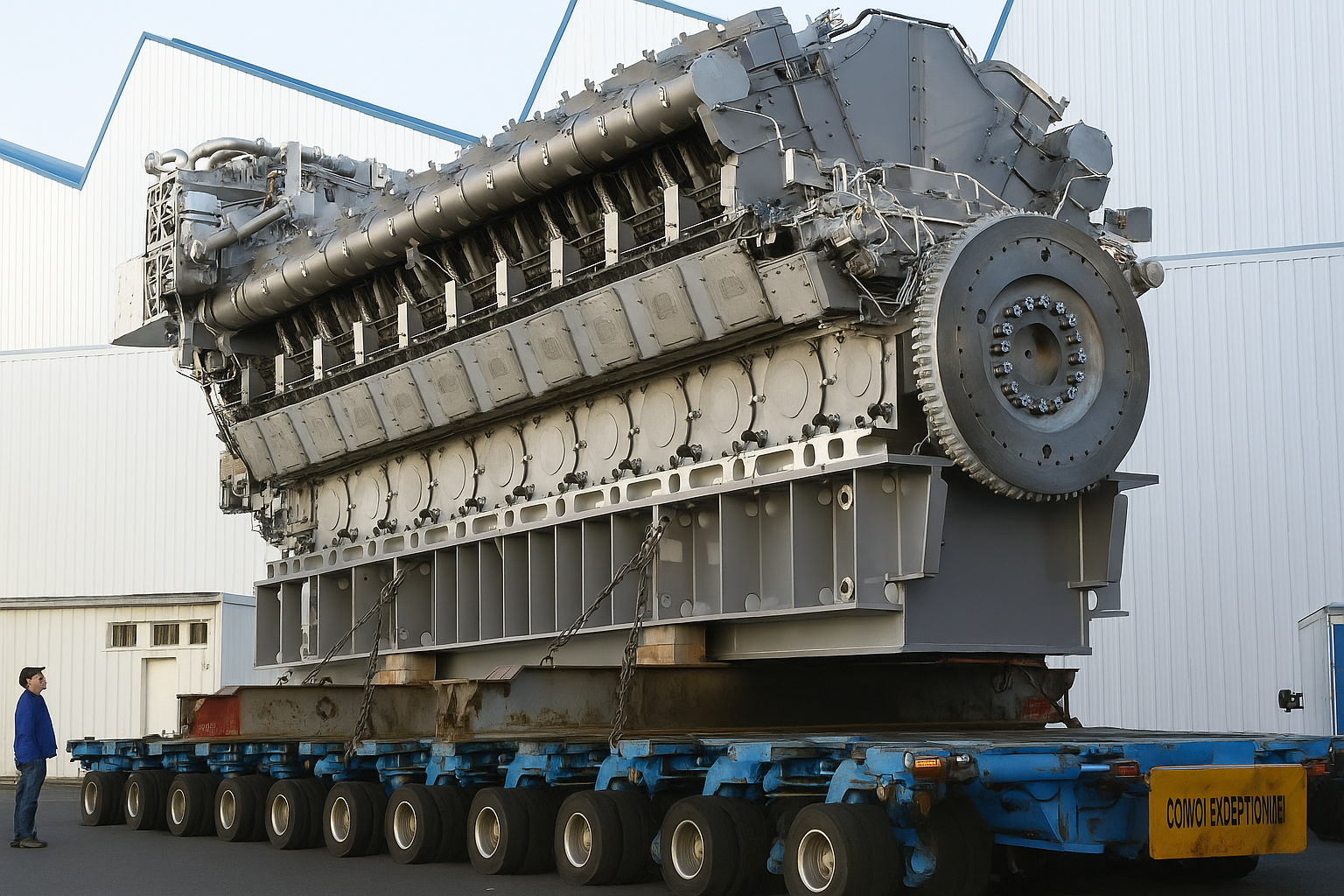
Discover How the Maritime Industry Created Engines That Withstand Fire and Explosions and Ensure Greater Safety at Sea on Ships and Platforms.
When it comes to safety at sea, every detail matters. On cargo ships, oil tankers, platforms, and military vessels, one of the biggest risks is fire. To tackle this challenge, engineers in the maritime industry developed what is now known as the fire and explosion-resistant marine engine, a combination of technology, design, and materials that has transformed safety standards at sea.
The Origin of Engines Designed to Withstand Fire
Historically, fires were one of the leading causes of serious accidents at sea. Fuel leaks, electrical failures, and explosions in engine rooms caused millions in damages and put lives at risk. The need to reduce these events led to the development of engines designed to operate in environments at risk of combustion.
The concept behind the fire and explosion-resistant engine is to ensure that, even in the event of an incident, the equipment continues to operate or at least minimizes the spread of fire until the situation is controlled.
-
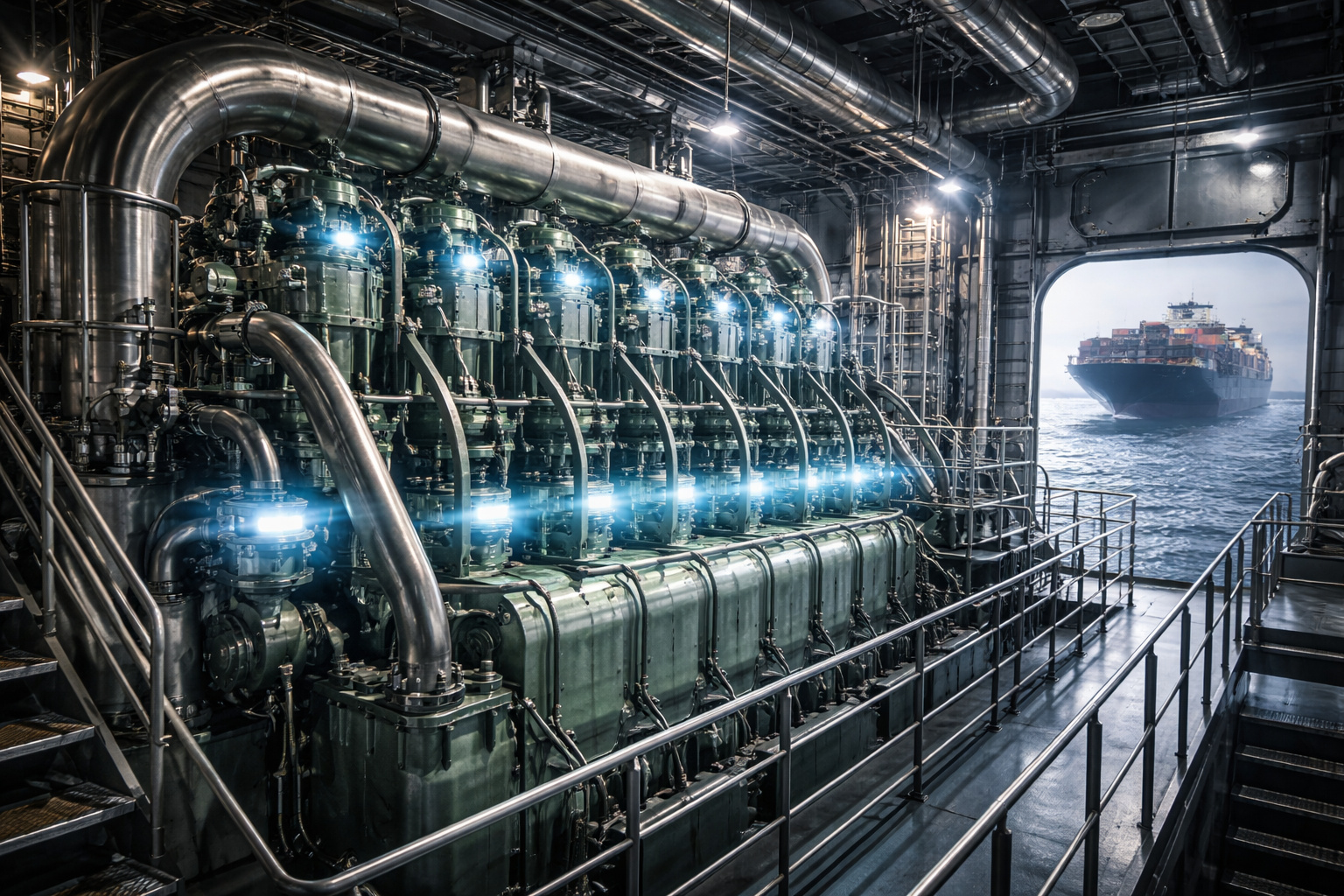
Europe is trying to create an ammonia-powered marine engine without auxiliary fuel, which could unlock the race for giant emission-free ships. The technology aims to eliminate one of the biggest obstacles to clean maritime propulsion.
-
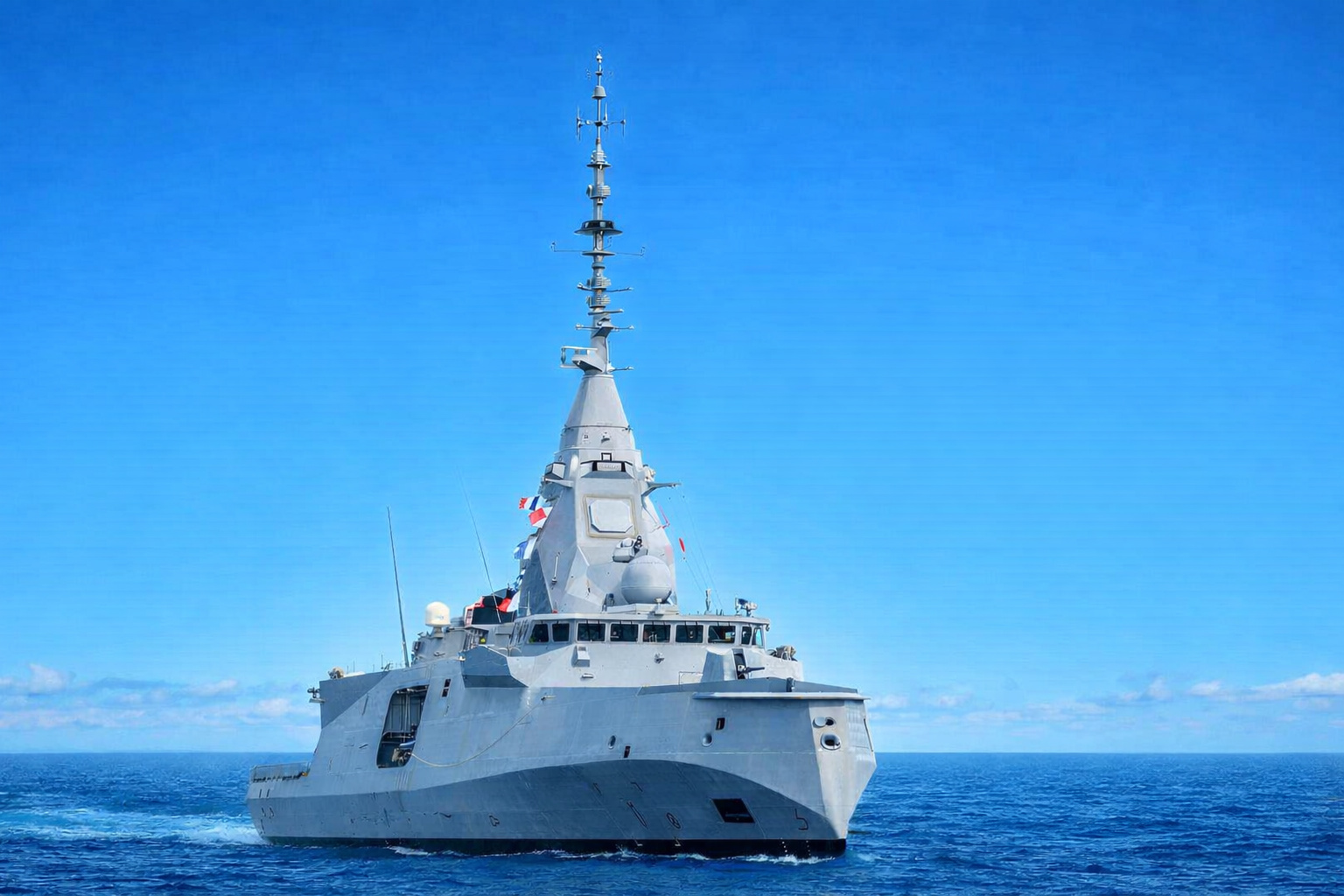
A 4,500-ton frigate with just over 100 crew members, state-of-the-art radar, and cruise missiles is being touted as the new standard of naval warfare in the 21st century.
-
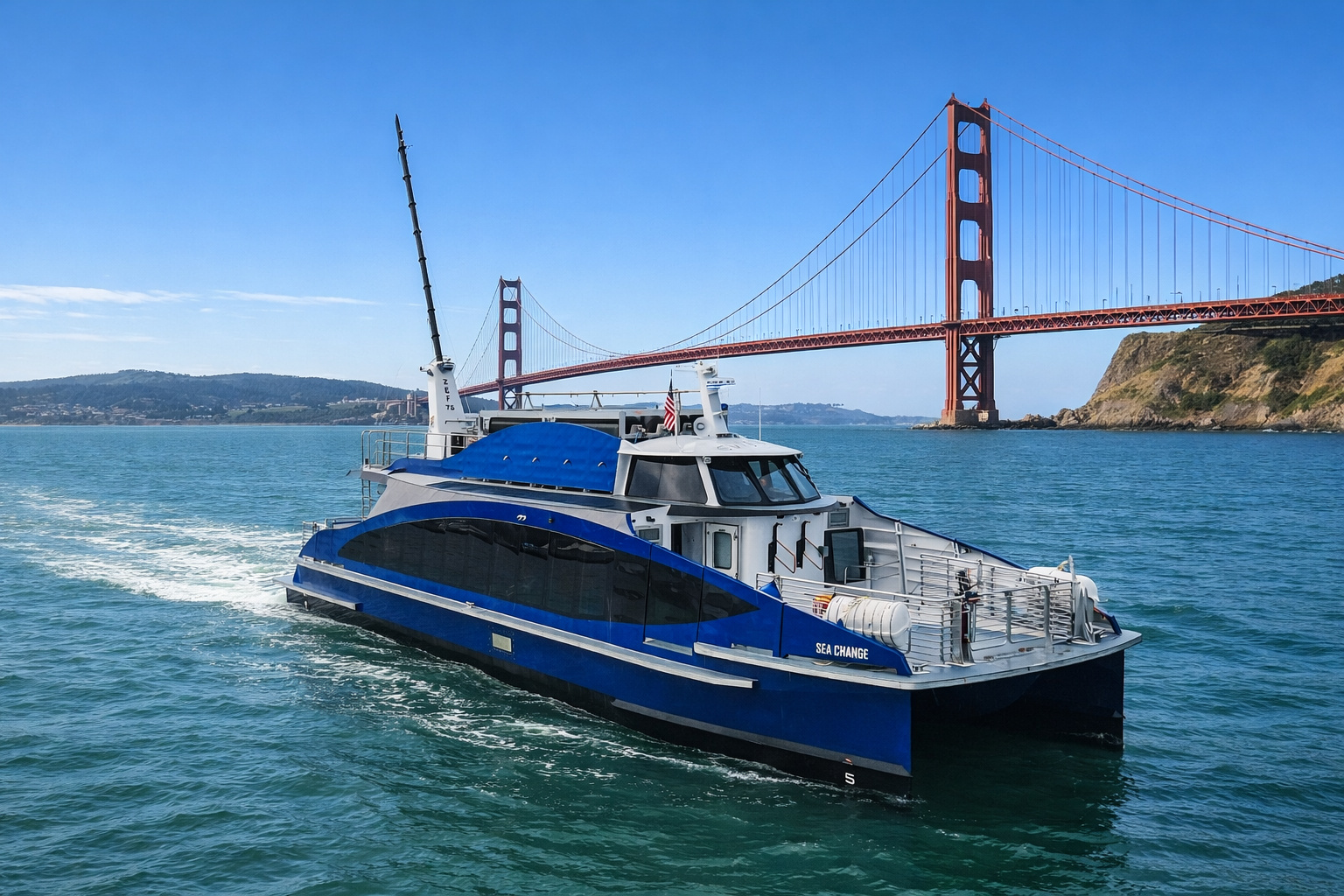
The first commercial hydrogen-powered ferry enters operation in the U.S., eliminates the use of diesel, uses fuel cells to generate clean energy on board, and transforms San Francisco Bay into a landmark of the new era of emission-free navigation.
-
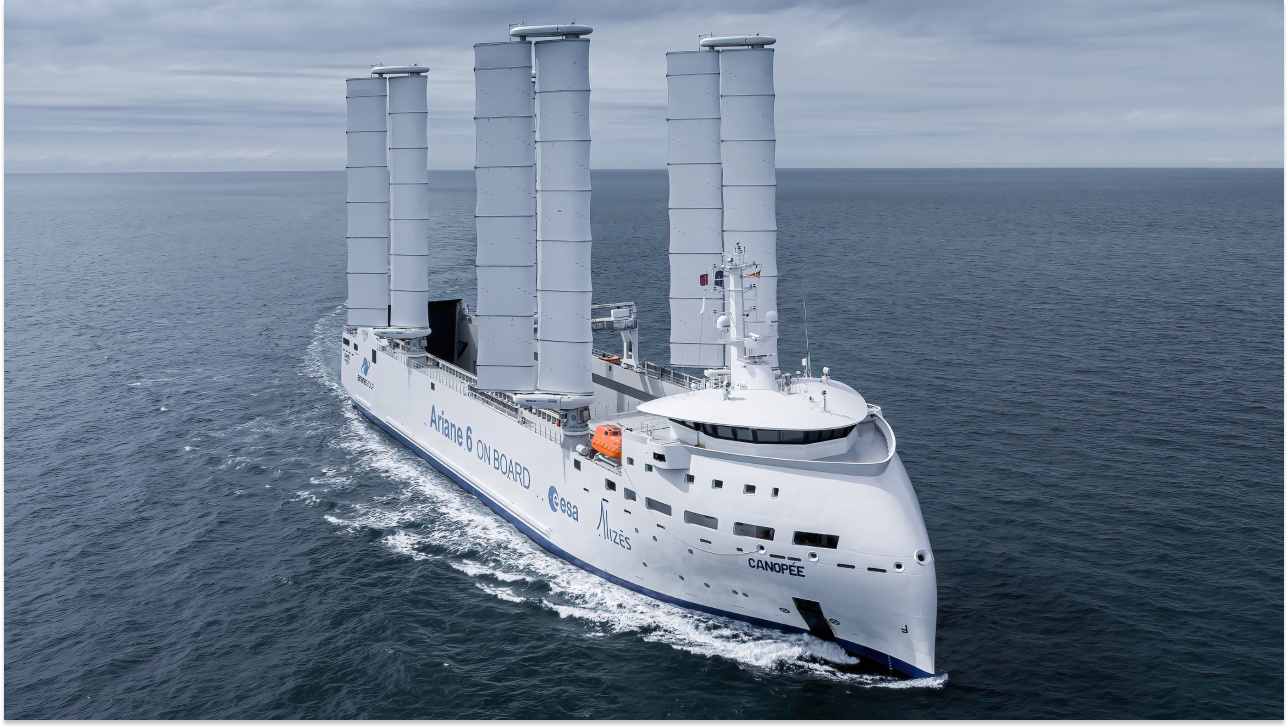
With a length of 121 meters and four rigid sails of 36 meters that automatically rotate to capture the wind, Canopée is the world’s first hybrid industrial cargo ship powered by wind, used to transport rockets and reduce fuel consumption by up to 30% on transoceanic routes.

The basis of this solution lies in the design known as explosion-proof, adopted by the maritime industry in engines from brands like MTU, Caterpillar, and Wärtsilä, often with international certifications such as ATEX and IECEx.
How a Fire and Explosion-Resistant Engine Works
These engines are encapsulated in reinforced housings that prevent internal sparks from escaping and coming into contact with the surrounding environment, which may contain flammable vapors. Additionally, all electrical components are isolated and sealed. The ventilation system is designed to prevent the entry of potentially explosive gases and ensure cooling even in high-temperature environments.
The engines are equipped with sensors that detect abnormal increases in temperature or the presence of smoke. When this occurs, automatic systems are activated, triggering fire suppression systems such as CO₂, FM-200, or clean agents that smother the fire without damaging electronic equipment or endangering the crew.
The Engineering Behind the Protection
Fire protection goes beyond the engine itself. The layout of engine rooms on modern ships is designed to separate critical areas, improve ventilation, and contain potential fire sources.
The coatings used in the marine engine compartment are made from materials with A-60 rating, capable of withstanding extreme heat for at least 60 minutes without allowing fire to spread.
Another key point is redundancy: duplicated or even triplicated systems ensure that if one engine fails, others can take over operation. This practice is mandatory on naval vessels focused on offshore operations and the transportation of hazardous cargo.
Applications in Ships and Platforms
Fire and explosion-resistant marine engines are standard on high-risk vessels, such as oil tankers, gas carriers, icebreakers, and military ships. They are also common on oil platforms, where operations take place in environments with high concentrations of combustible vapors.
In addition to enhancing crew safety, these engines help protect the environment by preventing a fire from turning into an ecological disaster.
The Future of Safety in the Maritime Industry
With international standards becoming increasingly stringent, the trend is for fire and explosion-resistant marine engines to evolve even further. New technologies include real-time monitoring through artificial intelligence and integrated systems that automate firefighting in even faster and more efficient ways.
The maritime industry knows that at sea, there is no room for failure when it comes to safety. And the engines designed to withstand fire and explosions are one of the best responses that engineering has ever offered to protect lives, vessels, and the ocean.








Seja o primeiro a reagir!