





 Portuguese
  English
  Spanish
 3 min of reading



Due to globalization and the increasing per capita income of the world population, industries see potential in their new clientele. And with it, the automotive paint market observes in these potential customers a new margin of profit and also the challenges of adapting to the new standard that is emerging.
Metals represent more than 80% of automotive components. Most of this metal is coated to prevent rust and corrosion in a short time, but it is also clear with the proper care. The automotive paint market is seeing development prospects due to the emergence of UV-curing coatings. The coating industry can be divided into Original Equipment Manufacturing (OEM) and aftermarket or repainting based on application.
The main end-users of the automotive repainting market are collision repair centers and auto repair shops. Based on formulation, this market can be classified into four categories: water-based coating, solvent-based, powder-based, and UV-based.
Brazil, Russia, India, and China (BRIC) are expected to be the primary countries contributing to this new market opening. Improved economies, advancements in road infrastructure, and preparation for the growing demand from individuals seeking automotive freedom are the main reasons driving the automotive industry.
-
Engineers propose a fourth traffic light for intersections – the change promises to affect crossings, queues, and waiting times.

-
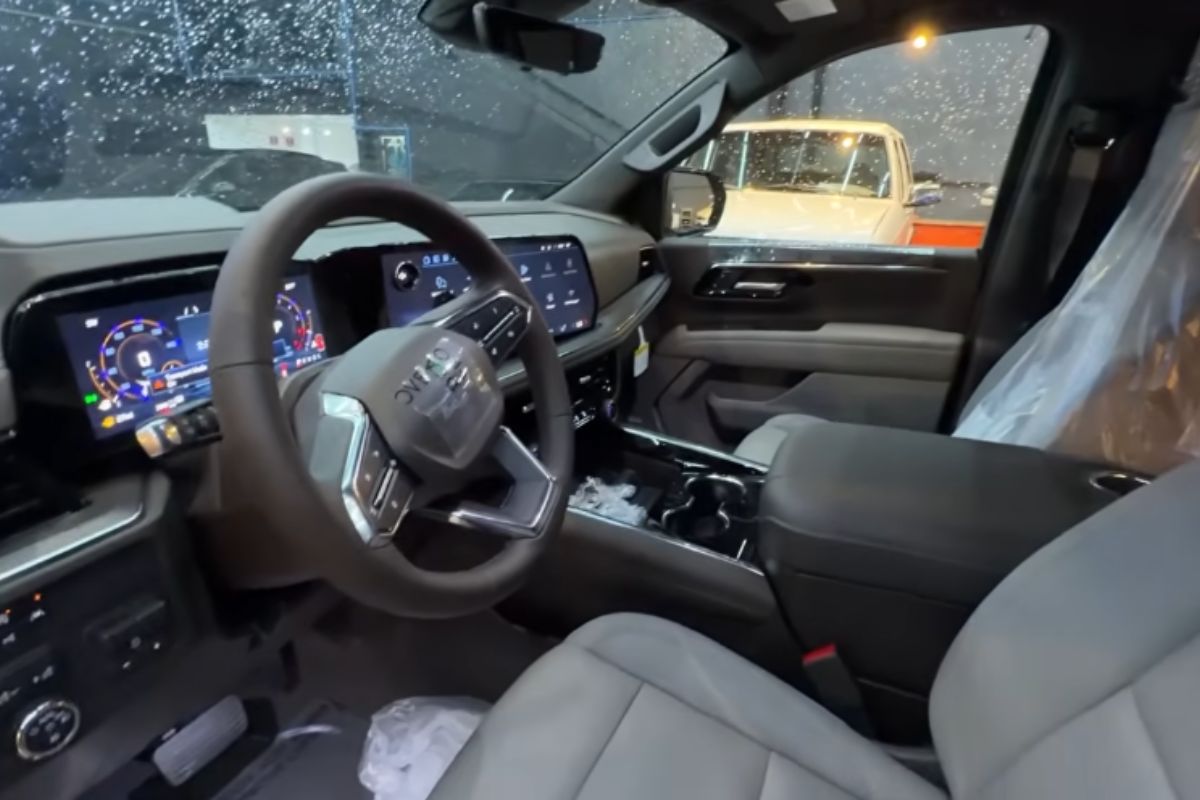
Chevrolet Suburban Z71 lands in Brazil with a V8 engine, off-road design, air suspension, seven seats, and colossal size, a rare version imported for around R$ 1.3 million with luxury and exclusivity.
-
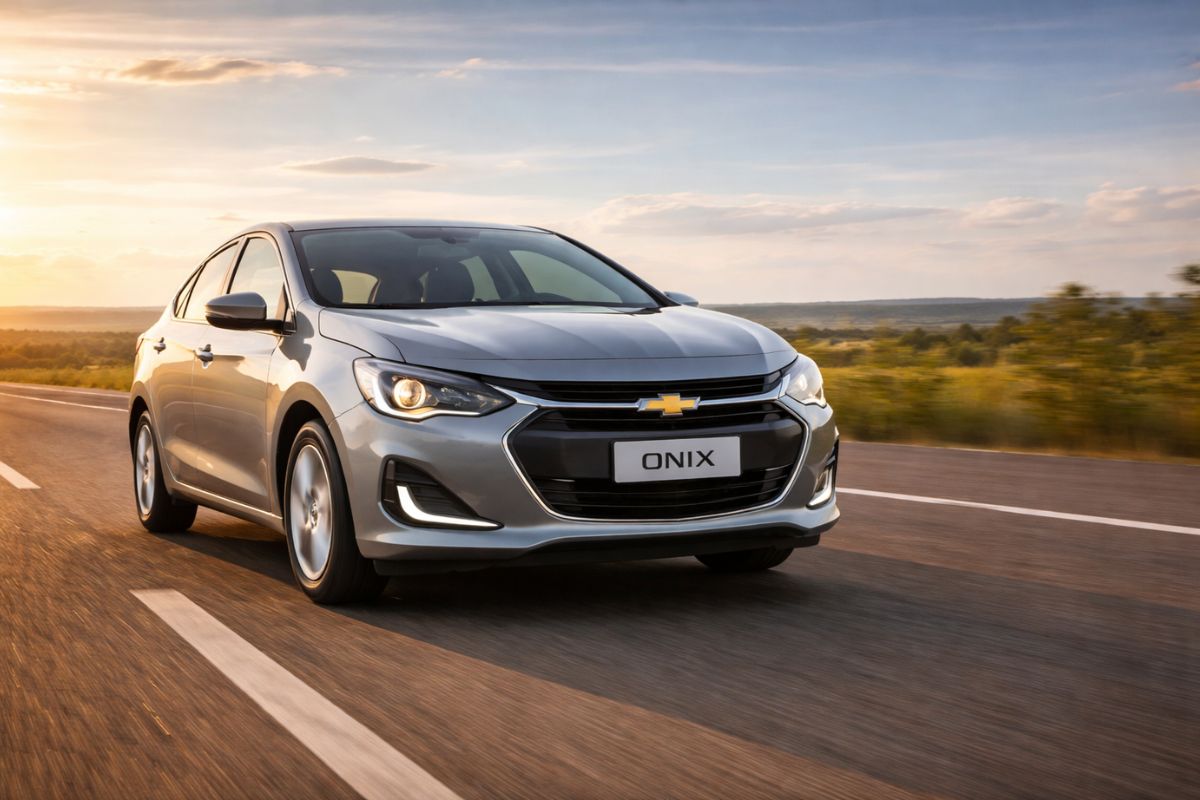
The Chevrolet Onix 1.0 turbo achieves 17.7 km per liter on the highway and ranks among the three most economical cars in Brazil in 2026, alongside two more expensive Toyota hybrids available at dealerships.
-
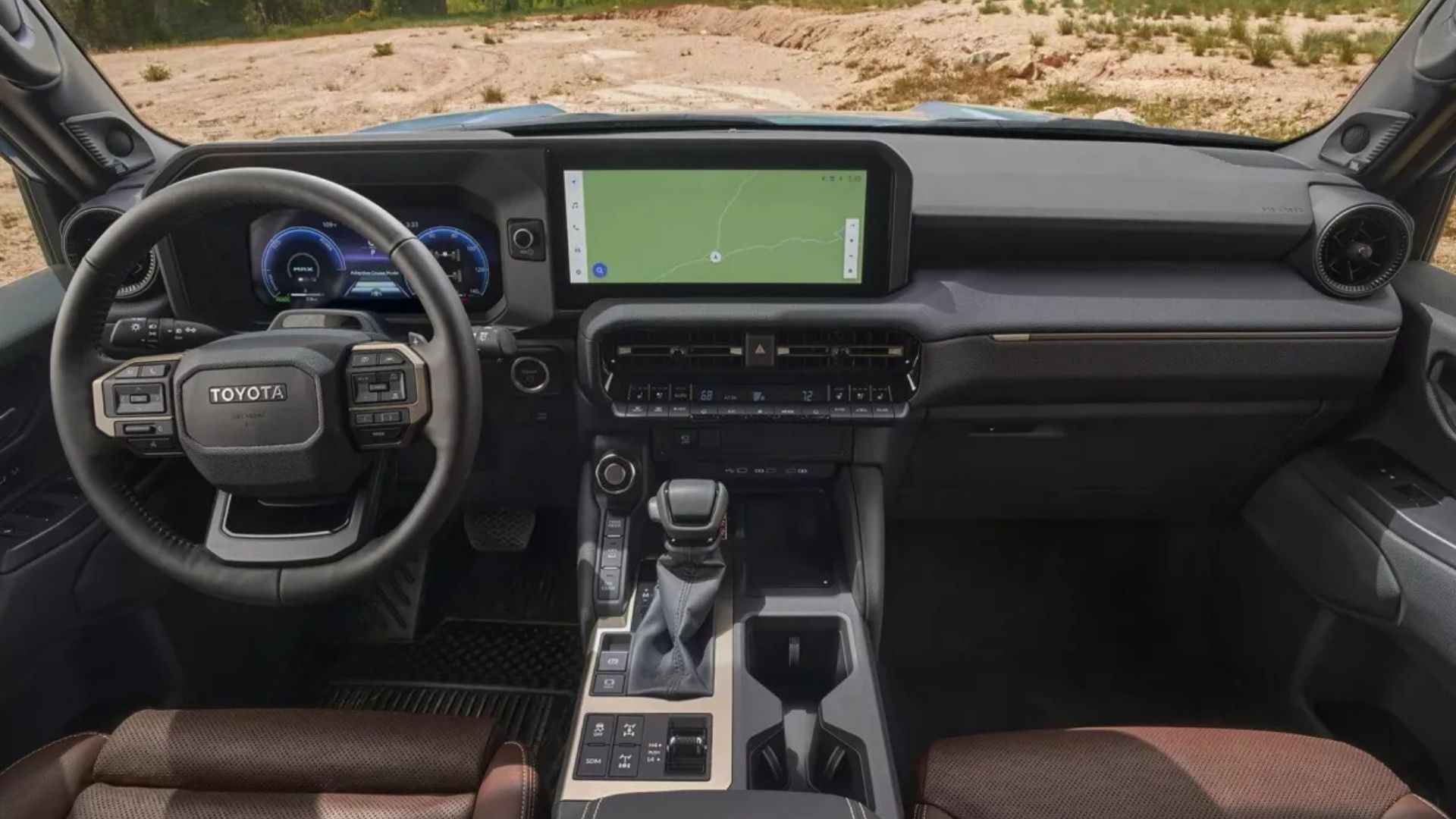
Little sister of the Hilux: Toyota launches Land Cruiser FJ with 4 radical versions, 2.7 engine with 166 hp and 4×4 traction with locking.

MVOX – Growth of the Automotive Market


According to the International Organization of Motor Vehicle Manufacturers (OICA), global production increased from 77.6 million in 2010 to 87.3 million in 2013. The rising cost of raw materials is emerging as a significant challenge for the automotive coating market, as the profit of coating manufacturers is declining.
The main producers of titanium dioxide, one of the most common pigments used in coating manufacturing, such as Kronos, Inc., Tronox Limited, and E. I. du Pont de Nemours and Company, among others, announced a price increase of US$ 300/ton, US$ 400/ton, and US$ 500/ton, respectively, in 2011 in the Asia-Pacific region. Their American and European counterparts also announced increases for the same year. This may be one of the reasons the paint market feels the impact, but not to the point of reversing its growth; despite the increases, the car sales market continues to rise, and projections indicate that the market will be even more heated in the coming years.
The market for eco-friendly automotive paints, such as water-based and powder coatings, is rapidly growing due to increasing concern from governments and the general population; this concern also extends to pollutant gas emissions in the atmosphere, which is why many are advocating for the use of biofuels.
Various environmental agencies and government institutions have formulated regulations and issued guidelines to minimize the use of high Volatile Organic Compound coatings.









Seja o primeiro a reagir!