Portuguese
  Spanish


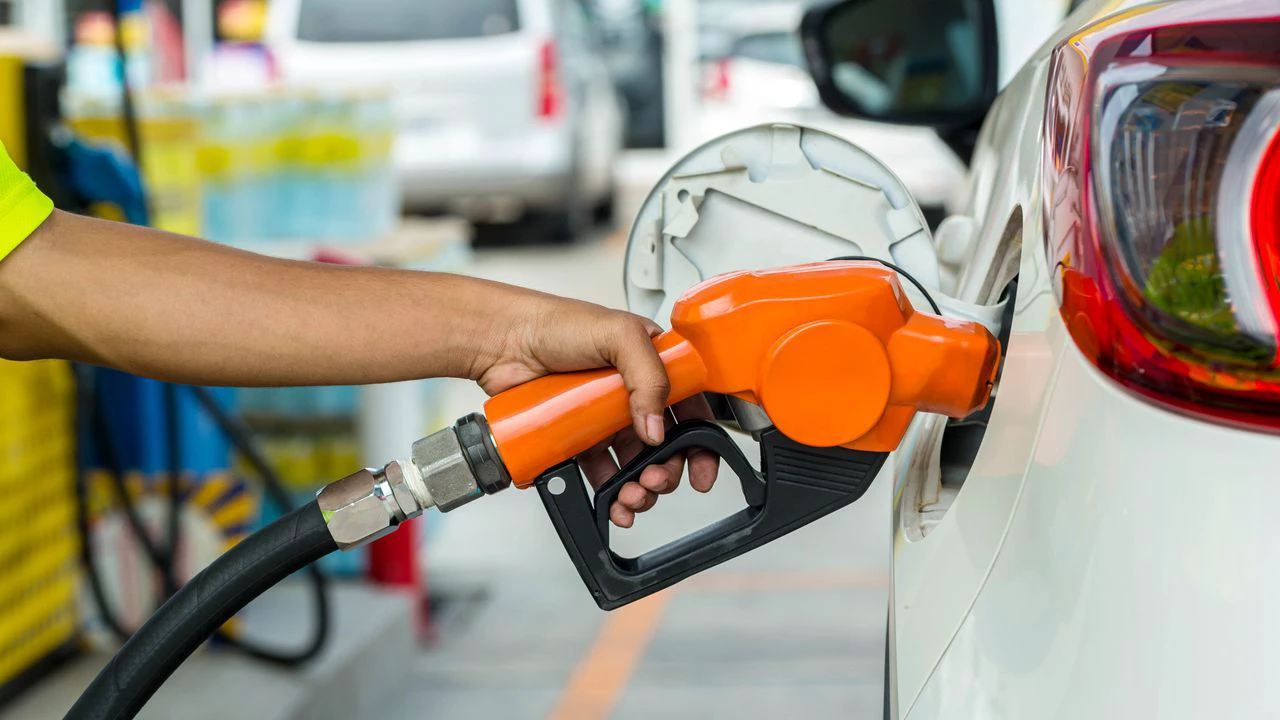

Biofuels Are Derivatives of Renewable Biomass That Can Partially or Totally Replace Petroleum-Derived Fuels. The Two Most Used Biofuels in Brazil Are Ethanol, Extracted from Sugarcane, and Biodiesel, Made from Vegetable Oils and/or Animal Fats, Added to Diesel in Varying Amounts.
However, due to the pandemic, the government found itself forced to take some measures to hold prices, mainly of gasoline, postponing the substitution of biofuel.
With the tax cuts on gasoline, ethanol consumption declined, leading to its lowest sales in the past five years. Biodiesel sales also plummeted due to the reduction of the mandatory blend in diesel, which fell to levels not seen in nearly three years.
As a result, We Imported More Fuel, According to Luiz Augusto Horta, Former ANP Director, It Was a Misguided Decision That Benefited Only Gasoline and Diesel.
Even with the record sales of liquid fuels, which reached 100.8 billion liters in the first 10 months of 2022, setting a record, it was not enough to boost biodiesel sales, as the government has kept the blend at 10% to contain the skyrocketing prices due to international oil quotations.
-
Fired during apartheid and with a little borrowed money, an electrician started with a borrowed truck and transformed electrical services into a group connected to energy, real estate, and infrastructure in South Africa.

-
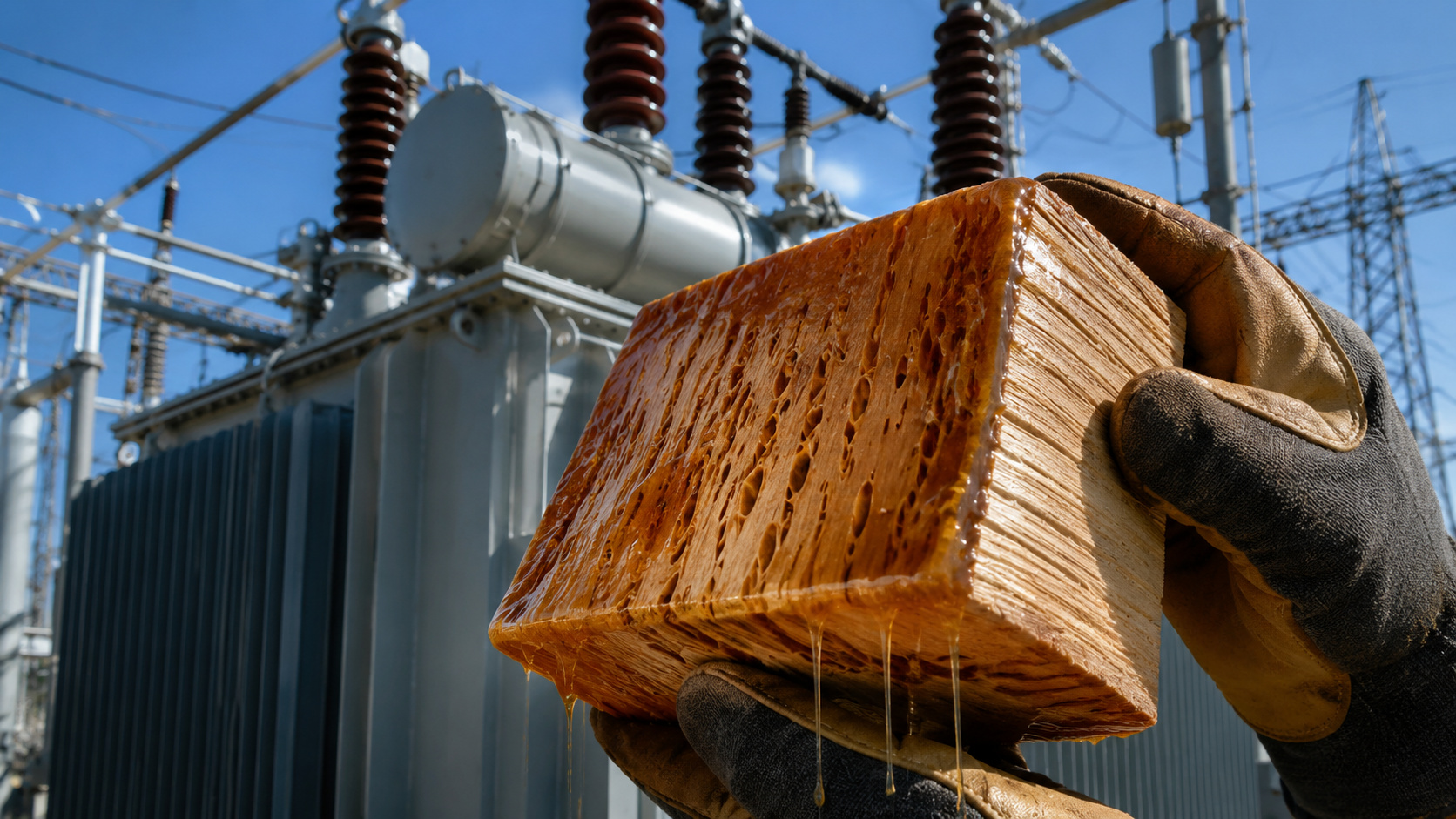
Wood has ceased to be just a construction material in Yale research and has become insulation for electrical transformers that face intense heat, aging, and increasing pressure from the renewable energy-powered grid.
-
More than 1,000 residents of a remote island in Kiribati now have clean water and electricity with solar systems operated by the community itself.
-
Corn ethanol attracts R$ 23 billion in 21 new plants and prepares for a nearly 50% jump in Brazilian production by 2027, even with high interest rates.




In the first 7 months of the year, data from the National Agency of Petroleum, Natural Gas and Biofuels (ANP) indicated that biodiesel sales in the country totaled 3.6 billion liters, the lowest volume since 3.3 billion in 2019, when the blend was 11%. As a result, today biodiesel is equivalent to imported diesel, making it clear the devaluation of the national product, which, in addition to being a renewable energy source, is beneficial for the environment.
In the case of ethanol, the problems were even greater, as the price of gasoline was reduced. The drop was 12.9 billion liters between January and October of this year. This is the lowest figure since 2017, according to ANP data. Gasoline had its best sales volume since that year with 34.8 billion liters.
Brazilian Ethanol: Biofuel Is Fundamental for the Future of Mobility


According to UNICA (The Sugarcane Industry Union), in addition to the loss of competitiveness in the second half, the drop in the harvest in 2021 also affected sales this year, even with production accelerating in the second half of 2022, the competition remains unfair, as taxes on gasoline have been cut.
The replacement of renewable fuels for fossil fuels will have a direct impact on the Brazilian economy, with reduced biodiesel and increased demand, diesel sales for import surged in the first semester, reaching 7 billion liters, up 31% compared to 2019, before the pandemic.
Those responsible for the transition between governments still have not defined the topic, but the idea is to encourage the use of biofuel.