





 Portuguese
  English
  Spanish
  4 min of reading
  0 comments


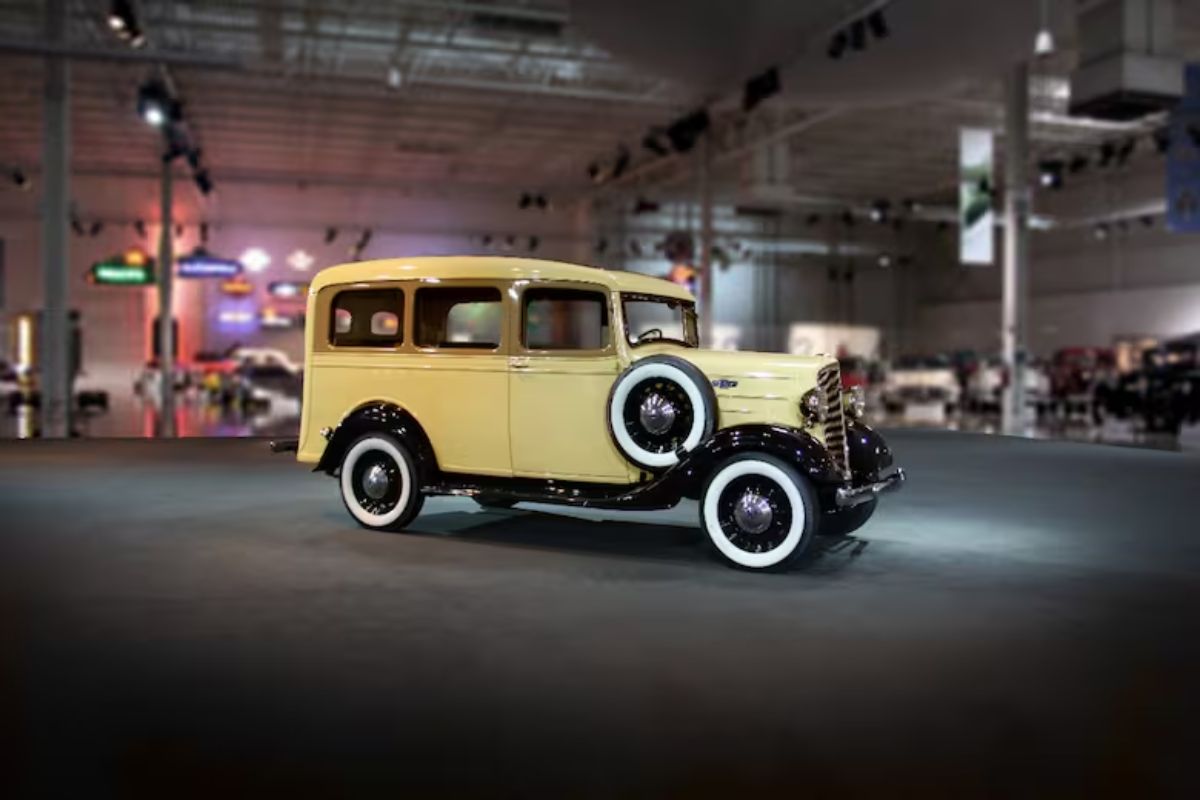
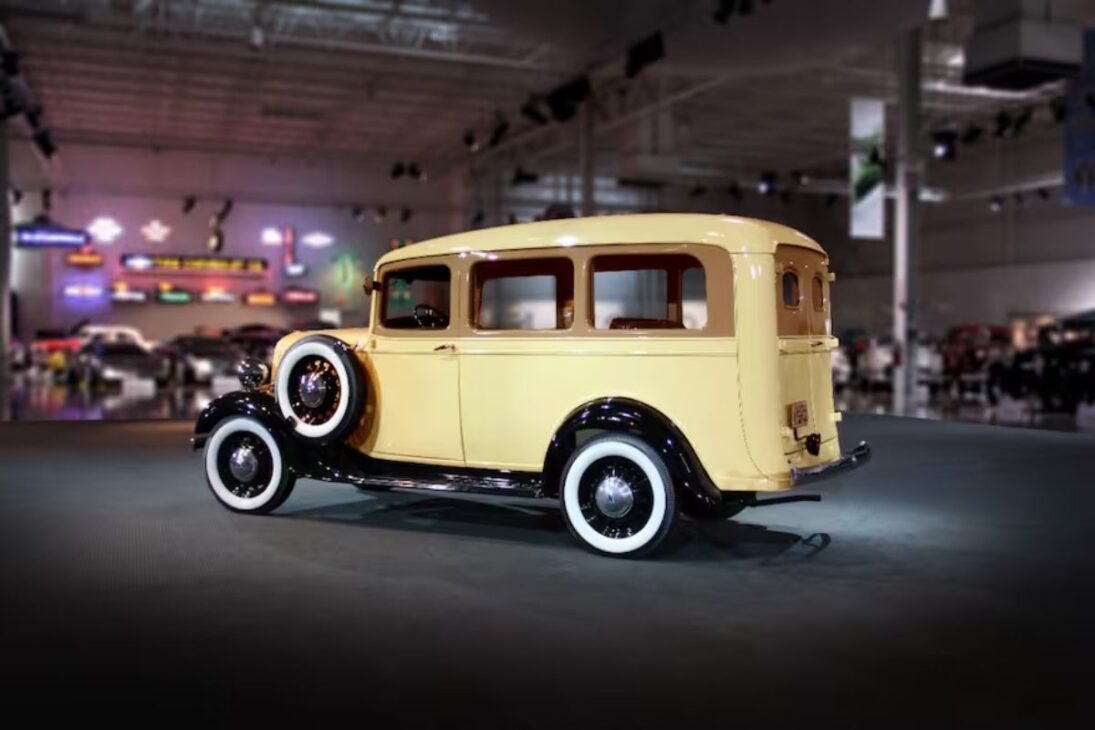
Launched in 1935, the Chevrolet Suburban Carryall was the first SUV in history, with a half-ton chassis, six-cylinder engine, and capacity for eight passengers
Today, SUVs are everywhere. They have become the preferred choice for families, automakers, and even celebrities. But it wasn’t always like this. Before they became synonymous with status and urban versatility, sport utility vehicles were rare in the automotive landscape. And it all started with a model that few remember, but which shaped an entire segment: the Chevrolet Suburban Carryall, launched in 1935.
At the time, the term “SUV” didn’t even exist. The industry was still breathing the early air of mass production, fueled by Fordism, and large enclosed vehicles were mainly aimed at commercial transport, not personal use. The idea that a car could be both rugged, spacious, and comfortable had not yet crystallized. That’s when Chevrolet decided to innovate — and did so with a vehicle that was years ahead of its time.
The 1935 Chevrolet Suburban Carryall: Ruggedness and Innovation
The Suburban Carryall emerged with an unprecedented proposal: a closed body on a pickup chassis, a six-cylinder engine, and capacity for up to eight passengers. In technical terms, it already brought the three main characteristics of a classic SUV: a sturdy structure, large load capacity, and capability to drive off-road. All of this in a metal body that replaced the old wooden panels — a radical change at the time.
-
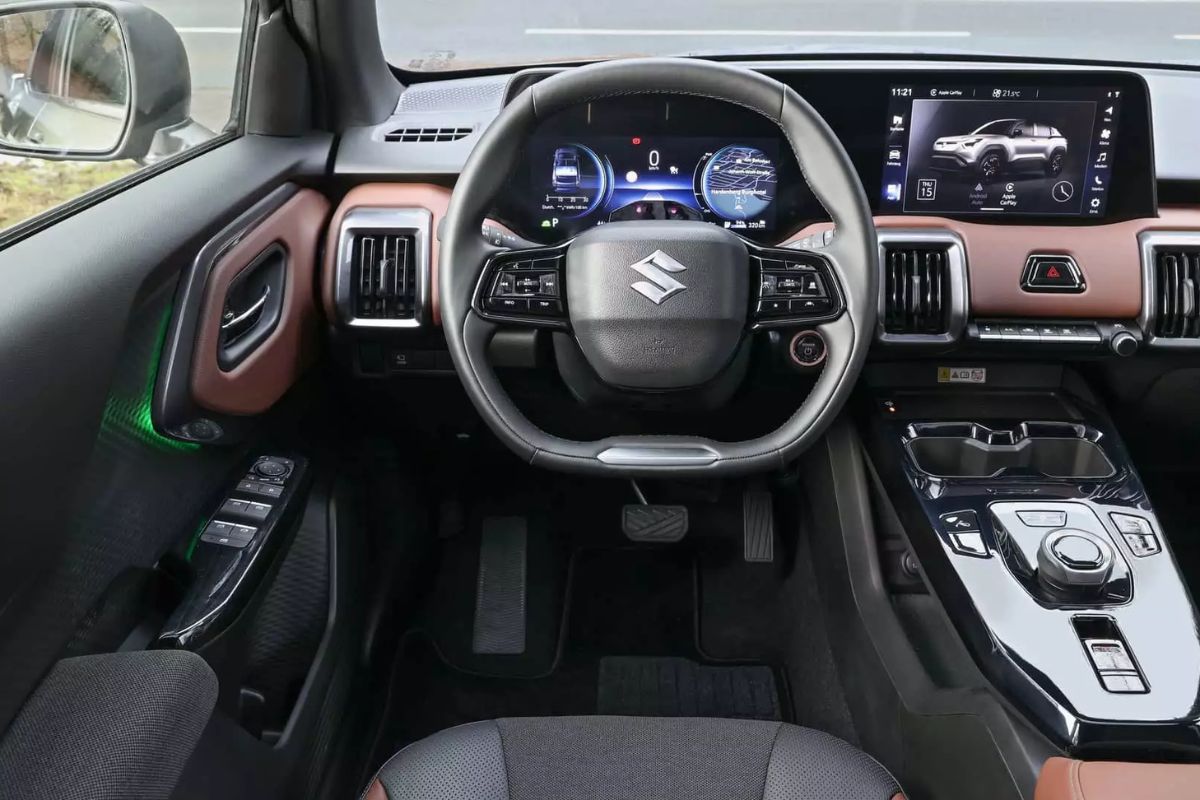
The 2026 electric Vitara arrives in Brazil and proves that Suzuki is not leaving: 4×4 traction, 184 hp, 61 kWh LFP battery, 293 km range, R$ 259,000, and a trunk capacity of 224 L.
-
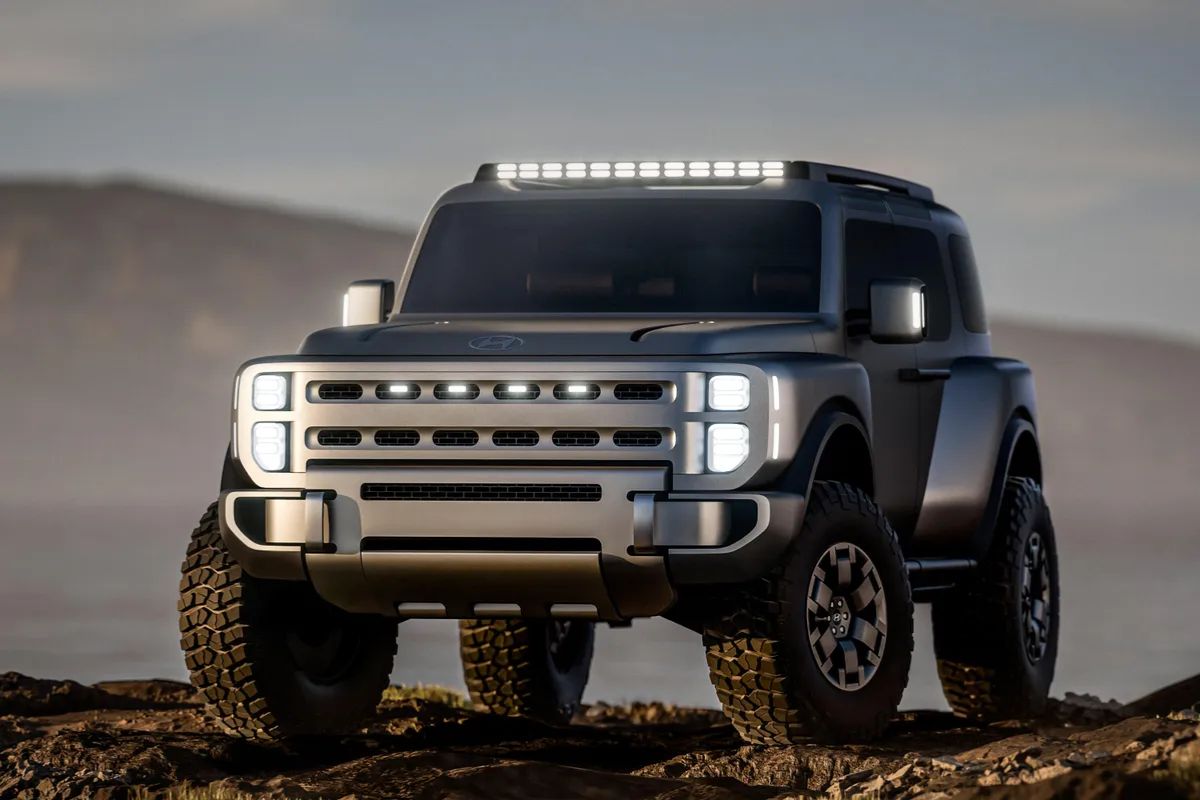
Hyundai has unveiled the Boulder, a square SUV with a body-on-frame design, 37-inch mud tires, and carriage-style doors that seems to be made to take on the Ford Bronco and the Scout Traveller in the United States.
-
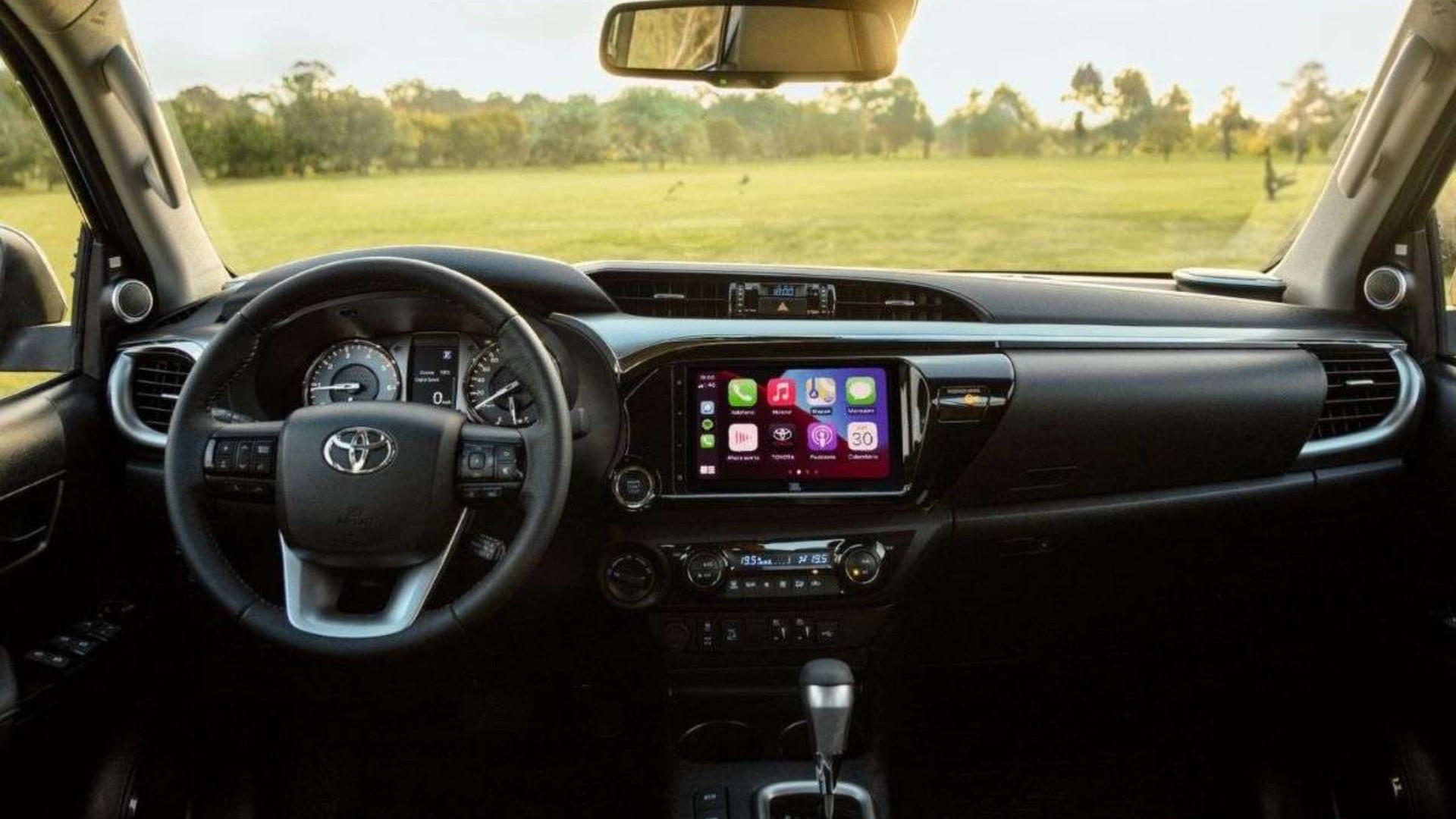
The Toyota Hilux is R$ 75.5 thousand cheaper and bets on the 2.8 turbodiesel engine with up to 204 hp and 50.9 kgfm to catch up with the VW Saveiro, which leads with 4,472 sales.
-
The new Renault Koleos has a screen exclusively for the passenger that is invisible to the driver, heated rear seats, and 29 assistance systems, but its Chinese competitors cost R$ 40,000 less and deliver more power.

The engine powering the Suburban was the reliable Stovebolt, an inline six-cylinder with about 60 horsepower, mounted on a half-ton structure. It may seem modest today, but in the 1930s, it was enough to move a vehicle over three meters long with nearly 3,300 liters of load capacity. Specialized automotive history sources recognize that this hybrid architecture — part pickup, part passenger car — was revolutionary.
The Evolution of the Model and Its Impact on American Society
Two years later, in 1937, the Suburban underwent a slight redesign and adopted a design influenced by the Art Deco style, with sleeker lines and a more powerful engine, now with 79 HP. But the spirit of the model remained: it was a car for those who needed space, strength, and reliability, without sacrificing comfort. The concept appealed to schools, energy companies, and even the United States Army, which began using the model for transporting troops and light equipment in the following decades.
What makes this model even more emblematic is the fact that it has stood the test of time. The name Suburban has crossed generations and remains alive today — the modern Chevrolet Suburban is one of the largest SUVs in production worldwide, measuring over 5.7 meters in length with a V8 engine of up to 420 HP. Few models in the automotive industry can boast such longevity.
So, What Defines an SUV?
But why, exactly, is the 1935 Suburban considered the first SUV in history?
This answer depends on how the term “SUV” is defined. Today, it is used to describe everything from compact models like the Hyundai Creta to luxury giants like the BMW X7. The concept has diluted so much that practically any car with an adventurous look, higher ground clearance, and foldable seats can be called an SUV.
However, if we consider the foundational elements of the original concept — ruggedness, versatility, durable traction, and the ability to carry load and passengers over long distances — then the Suburban Carryall is, without a doubt, the precursor. It anticipated, decades ahead, the desires that today drive millions of buyers around the world.
A Legacy That Crossed Generations
To understand the importance of the Suburban, it is also necessary to place it in historical context. In the 1930s, the United States was emerging from the Great Depression and entering an era of rapid industrial growth. Cities were expanding, the domestic market was heating up again, and the automotive sector was experimenting with new formats. The Suburban was not just a product of this transformation: it was an agent of that change.
Chevrolet realized early on that the future was not just in sedans or utility trucks. There was a space — until then unexplored — for a vehicle that combined comfort and utility, something that could fit a family but also serve small businesses or schools. The bet paid off, and the legacy is here: today, SUVs represent over 50% of new vehicle sales in the United States, according to data from Statista.
Even with the passing decades and the evolution of engineering, the essence of the SUV remains the same: being the ideal car for those who need space, safety, and performance. And it was the Suburban Carryall that paved the way — unknowingly creating the most profitable segment of the automotive industry.










-

-

2 pessoas reagiram a isso.