





 English
  Francês
  Alemão
  Italiano
  Japonês
  Norueguês
  Portuguese
  Spanish
  3 min of reading
  6 comments


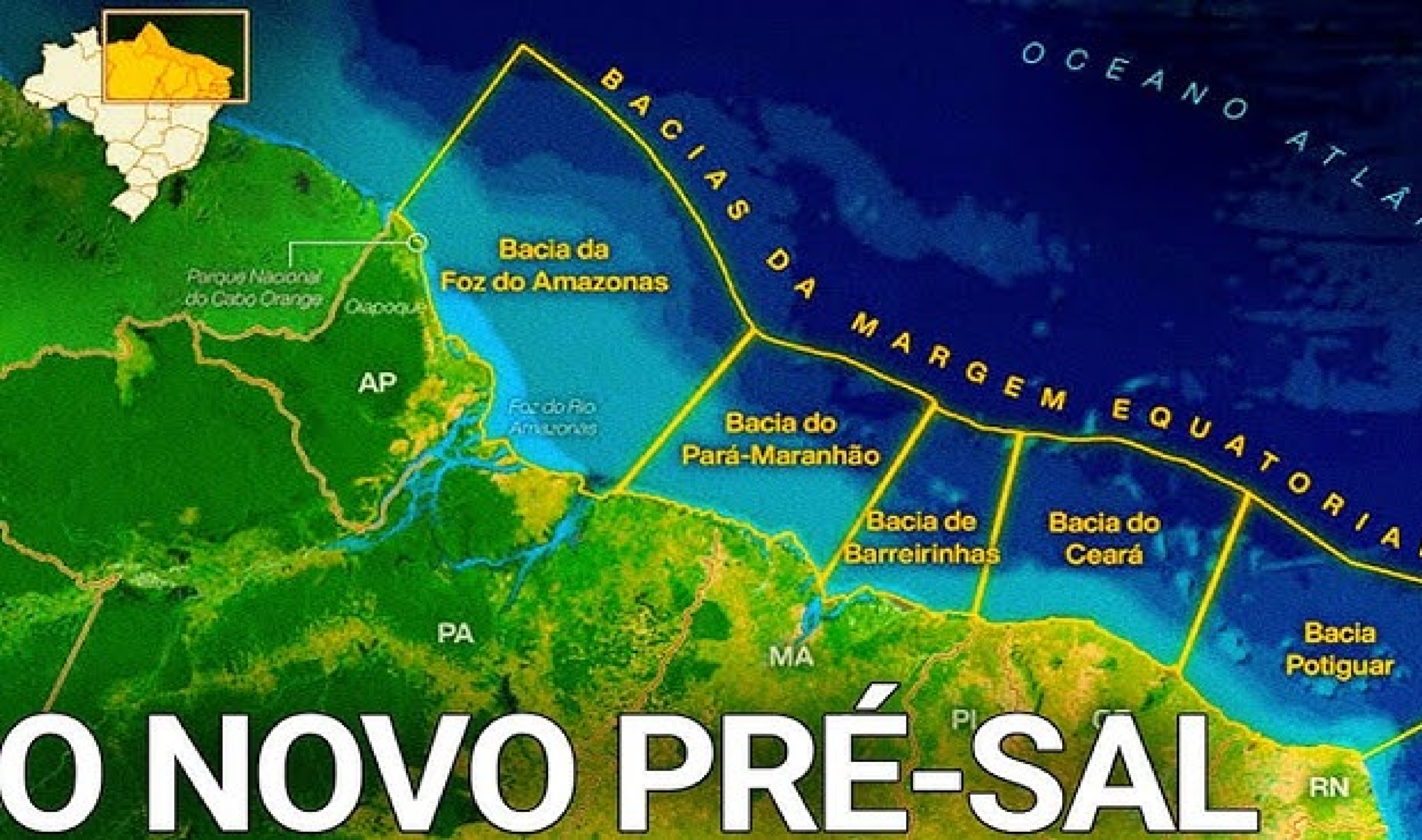

Environmental Licensing Blocks Exploration Plans for Billions of Barrels by Petrobras on the North Coast of Brazil, Intensifying Debate Between Government and Ibama
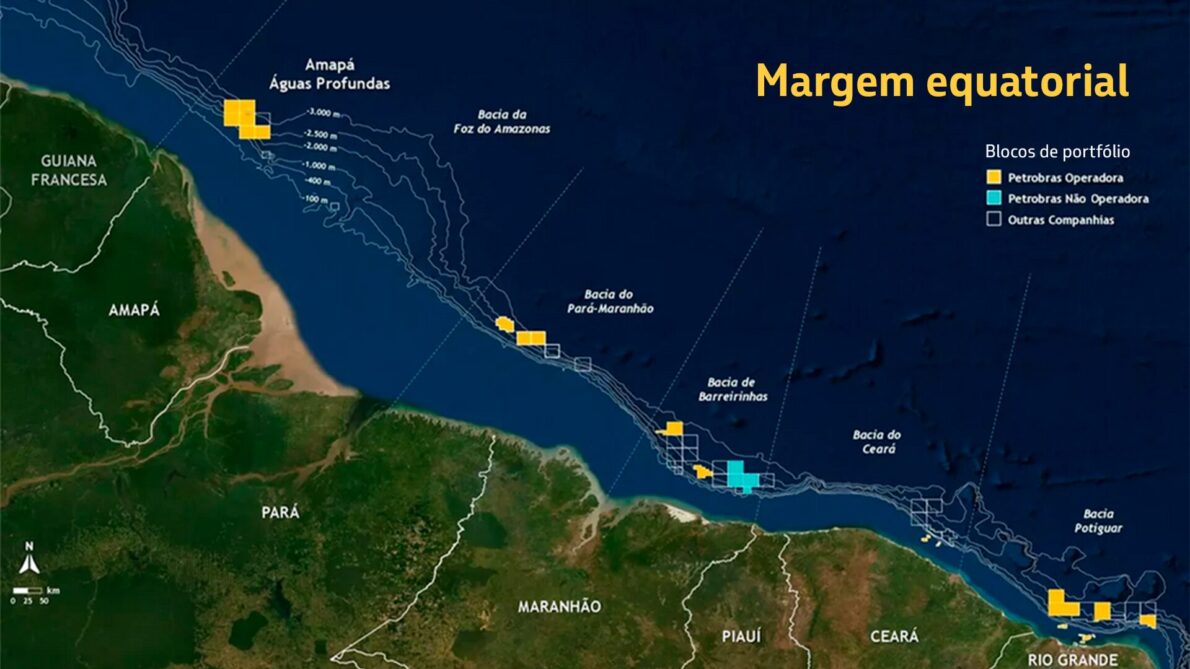
The Equatorial Margin, which extends from Amapá to Rio Grande do Norte, has become one of Petrobras’s biggest bets for the next decade. This region, considered promising by the state-owned company, has geological characteristics similar to neighboring areas that have already revealed vast reserves of oil and natural gas. It is estimated that the Brazilian Equatorial Margin could contain between 20 and 30 billion barrels of oil, which, if confirmed, would place Brazil among the largest oil producers in the world, according to a video from the Poder Urbano channel.
The Strategic Importance of the Equatorial Margin
The Equatorial Margin is viewed by Petrobras as a strategic exploratory frontier, especially in ultra-deep waters. The state-owned company’s strategic plan allocates 49% of its exploration investments to this region by 2027. The discovery of large reserves in nearby countries, such as Guyana, which share the same geological context, reinforces confidence in the feasibility of new significant discoveries on the north coast of Brazil.


Petrobras’s interest increased after ExxonMobil and other international consortiums discovered huge oil and gas fields in Guyana, with an estimated potential of 11 billion barrels. This success transformed the economy of the neighboring country, which recorded an impressive growth of 43.5% in GDP in 2020, in the midst of a global crisis caused by the pandemic. The model of Guyana serves as inspiration for Brazil, which could benefit economically if it manages to explore the resources of the Equatorial Margin.
-
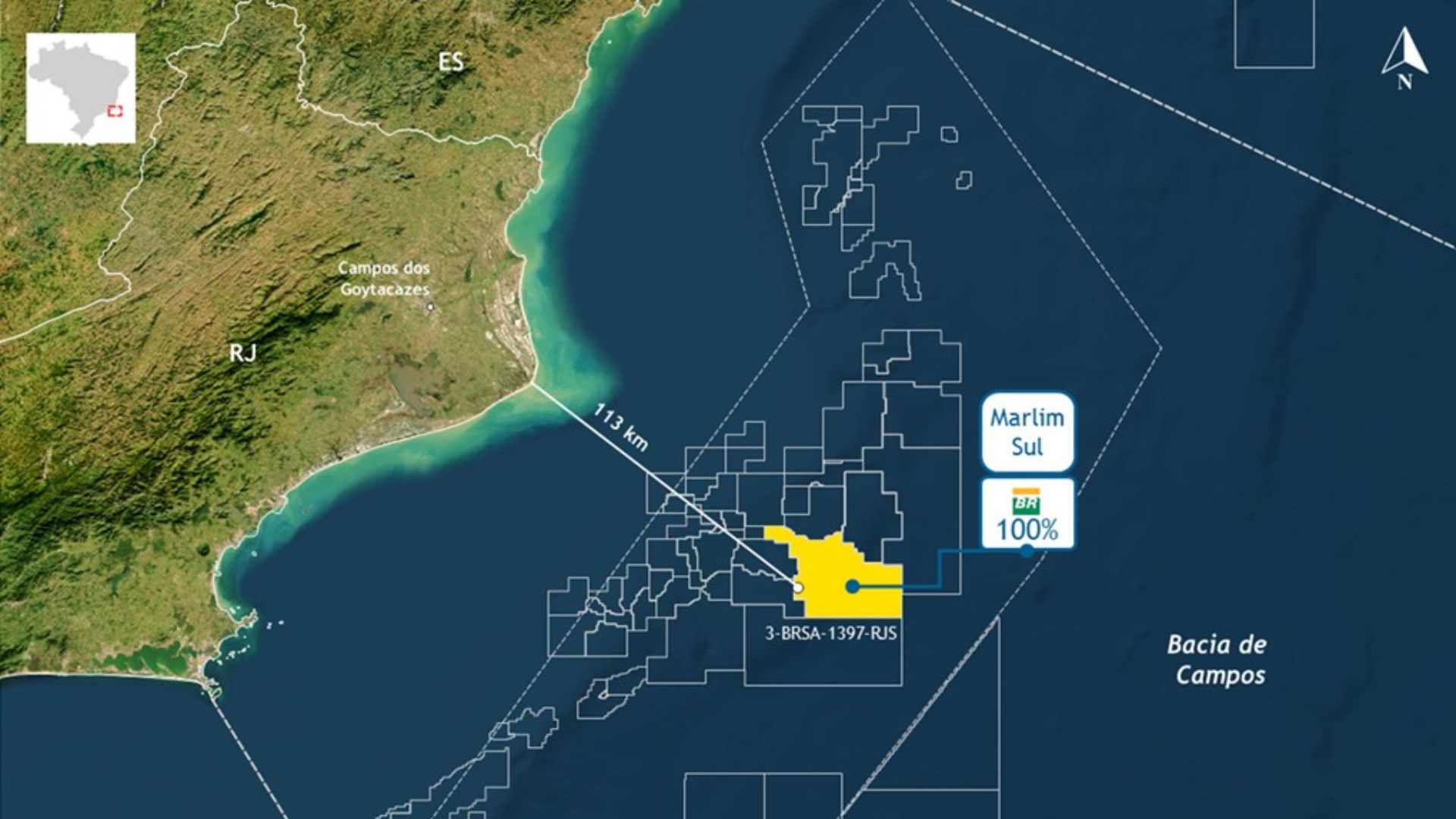
Petrobras finds high-quality oil in the pre-salt at 113 km from RJ and reignites expectations about strategic reserves in the Campos Basin.

-
Ocyan opens registrations for startups focused on innovation in the oil and gas sector and will select projects for Innovation Day with the support of Nexio.

-
Petrobras announces new oil discovery in the pre-salt of the Campos Basin and reinforces Brazil’s prominence with high-quality reserves that can increase production and energy revenues.
-
Alert in the fuel market: Analysts and a former director of ANP warn that oil prices may worsen in the coming months due to global instability.
The Impasse with Environmental Licensing
Despite expectations, Petrobras faced a significant obstacle to begin work in the Equatorial Margin: the lack of approval from the Brazilian Institute of Environment and Renewable Natural Resources (Ibama). The state-owned company was awaiting the issuance of an environmental license to conduct tests in the Amazon River Mouth Basin, but Ibama denied the request, generating an intense debate within the government.
The environmental agency justified its decision by stating that more detailed assessments are still needed, such as the Environmental Assessment of Sedimentary Area (AAAS), which identifies the most suitable areas for oil and gas exploration, aiming to minimize environmental impact. The issue also involves the protection of the biodiversity of the Amazon region and the impact on local communities.
Division in the Government and Pressure for Exploration
Ibama’s denial created a clear divide in the Brazilian government. On one side, the Ministry of the Environment, led by Marina Silva, supports the environmental agency’s decision, advocating for the need to protect Brazil’s natural wealth and adopt sustainable development practices. On the other side, the Ministry of Mines and Energy, under the leadership of Alexandre Silveira, along with Petrobras, pressures for exploration, claiming it could boost the economy of the poorer regions in the North and Northeast of the country.
Economic and Social Impact
If approved, exploration in the Equatorial Margin could profoundly transform the economies of the North and Northeast states. Like Guyana, which saw its GDP per capita rise drastically since the beginning of oil exploration, the Brazilian regions involved could experience accelerated economic growth, along with improvements in infrastructure, health, and education, funded by oil revenues.
However, Brazil also faces the challenge of balancing its global environmental commitments. The country has committed to the goal of achieving net-zero carbon emissions by 2050, which requires a reduction in investment in fossil fuels. The International Energy Agency (IEA) warns that to achieve this goal, new oil projects should not be initiated.









O estado do Rio de Janeiro, arrecada todo ano bilhões de reais com a produção de petróleo, não investe em educação, nem saúde.
Paga um salário de fome aos professores estaduais.
Não cumpre o Piso Nacional dos Professores, existe um Plano de carreira dos prof estaduais desde 1990, ele ignora o plano e congelou os níveis da carreira que vai do nível 1 ao nível 9.
É mentira que o estado do Rio fica com a maior parte desses bilhões dos lucros do petróleo!
O Rio fica com uma mixaria desses lucros. Esses bilhões vão para Brasília e assim que chega lá a bancada política paulista fica com a maior parte desses bilhões, tendo os Estados Sulistas e mineiro ficando com uma parcela bem considerável.
Quem espalha essas notícias falsas e desinformativas de que o Rio fica com o maior valor desses lucros bilionários é a imprensa paulista, por motivos óbvio como os que eu mencionei acima.
O estado do Rio de Janeiro arrecada bilhões de reais anualmente de Royalties e Participação Especial de Produção Petróleo.
30 bilhões em 2022
25 bilhões em 2023
Os governadores passados e o atual, não investiram nada em educação e saúde com dinheiro do petróleo.
84% da arrecadação das verbas do petróleo vão para o Rio previdência, o restante para fundo de segurança, fundo do meio ambiente e PASEP.
Ai vai dos cariocas se manifestarem para onde esta indo o didim
É mentira que o estado do Rio fica com a maior parte desses bilhões dos lucros do petróleo!
O Rio fica com uma mixaria desses lucros. Esses bilhões vão para Brasília e assim que chega lá a bancada política paulista fica com a maior parte desses bilhões, tendo os Estados Sulistas e mineiro ficando com uma parcela bem considerável.
Quem espalha essas notícias falsas e desinformativas de que o Rio fica com o maior valor desses lucros bilionários é a imprensa paulista, por motivos óbvio como os que eu mencionei acima.
É mentira que o estado do Rio fica com a maior parte desses bilhões dos lucros do petróleo!
O Rio fica com uma mixaria desses lucros. Esses bilhões vão para Brasília e assim que chega lá a bancada política paulista fica com a maior parte desses bilhões, tendo os Estados Sulistas e mineiro ficando com uma parcela bem considerável.
Quem espalha essas notícias falsas e desinformativas de que o Rio fica com o maior valor desses lucros bilionários é a imprensa paulista, por motivos óbvio como os que eu mencionei acima.