





 Portuguese
  English
  Spanish
  5 min of reading
  0 comments


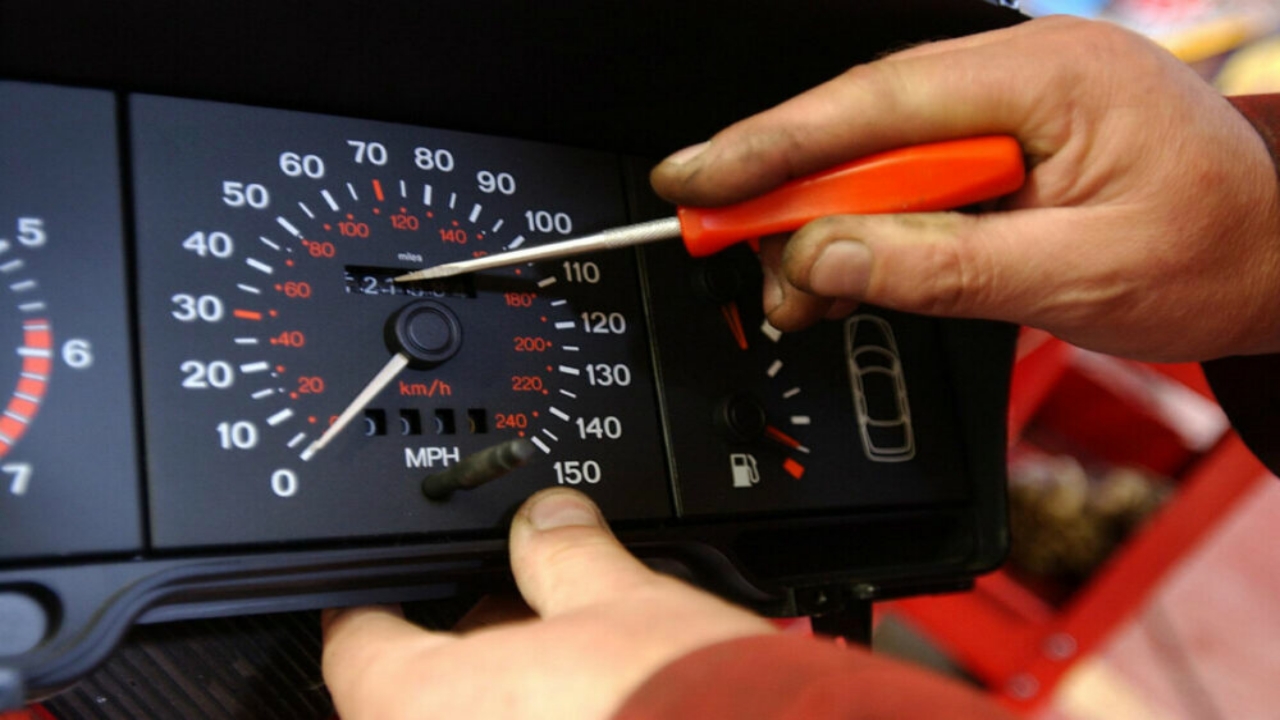
Cheap Car Too Good To Be True? 30% Of Used Cars Sold In Brazil Have Altered Mileage: Understand Why To Be Suspicious Of Certain Used Cars And Learn How To Identify.
Have you ever looked at a used car and thought: “Wow, it’s too new for its age”? Well, this “smell of opportunity” could actually be a warning sign. It is estimated that about 30% of used cars sold in Brazil have altered mileage, according to industry data. And the worst part: this fraud is more common than it seems and can affect your wallet (and your safety) in the future. But don’t worry. Even without dealership equipment, you can be suspicious of a “too little driven” car just by using common sense and a few simple observation tricks. Want to know how? Come with me.
The National Average Doesn’t Lie: Do The Math
The average Brazilian drives about 15,000 kilometers per year, according to the IBGE. This means that if you find a 2018 car with only 35,000 km on the odometer, it’s a good idea to raise a red flag. Of course, it’s possible that the owner used it little, but it could also be altered mileage. And it’s worth remembering: ride-hailing drivers, for example, can drive over 10,000 km per month. In other words, anything that strays too far from this average needs to be investigated carefully.
“It’s a national average, and of course, there are cases where people drive more or less. But anything that deviates significantly from this is already cause for suspicion,” explains Bruno Daibert from Peritos Automotivos, a company specialized in inspections and vehicle evaluation.
ARTICLE CONTINUES BELOWSee also
79-year-old woman challenges limits, visits 193 countries in the world after 56 years of planning and reveals the behind-the-scenes of a global journey that few have managed to accomplish.

These are the drivers who may stop paying tolls on highways in a project that promises to reduce costs for those who live from transportation in Brazil.

(Video): Italian pilot lands plane on moving train at 120 km/h and achieves unprecedented feat in aviation, even with a narrow runway and without direct visual contact.

It seems to have come out of a science fiction movie: A Brazilian city where it rains almost every day, recording over 4,000 mm per year, driven by climatic factors — a direct result of its strategic location in the Amazon.

Owner’s Manual: The Friend That Doesn’t Lie
New cars come with scheduled maintenance every 10,000 km or one year — and this is recorded in the Owner’s Manual. If the used car you’re eyeing has three stamped services but the odometer shows only 15,000 km, something is wrong. Either the maintenance was done late (which is already bad), or the odometer has been tampered with.

Dealership Can Give Away The Game
If the seller says they lost the manual or records, a visit to the manufacturer’s dealership can clarify everything. This is because authorized dealers maintain an interconnected system, and by the chassis number it is possible to access the complete maintenance history.
“The dealer can access how many services have been done because the data is integrated. By the chassis, they can check the services and make an average of how much the model has been driven,” says engineer Erwin Franieck, from SAE Brazil.
Tires: An Indicator That Doesn’t Mislead
The original factory tires last, on average, 30,000 km. If a car is advertising 20,000 km driven but has already had its tires replaced, something doesn’t add up. Check the tire manufacturing date (it’s printed on the side) and compare it to the year of the car. Premature tire replacement can be a sign of higher mileage than advertised.
Look Inside: Cabin Also Gives Away The Game
Cars with low mileage shouldn’t have peeling steering wheels, worn seats, worn pedals or frayed gear shifters. If these signs appear even with the odometer showing 25,000 km, the car has probably been driven much more.
And more: observe the condition of the back seats and the passenger armrest. If they are as worn as the driver’s side, it can be an indication that the car was used for passenger transport, like Uber or taxi.
Attentive To The Engine And Details
Open the hood and check the condition of the hoses, rubber parts and plastic components. If they are very dry, cracked, or whitish, you can bet: the car has been driven a lot. Another tip is to observe the exhaust. Dirt and residue buildup in the connections is normal in higher mileage cars, and no one cleans that easily.
“Exhaust connections accumulate much more debris and dirt over time. And no one can clean these parts of the vehicle well,” reinforces Franieck.
Noises, Looseness, And A Sincere Test Drive
When driving, pay attention to suspension noise, especially on cobblestone streets or speed bumps. See if the car easily reaches “bottoming out.” Additionally, low pedals, loose gear shifts and imprecise steering are signs of wear that don’t match low mileages.
Another point is to test electrical items: windows, locks, mirrors. These systems start to fail over time, especially after 60,000 km.
Doors And Hinges Speak More Than The Seller
It may seem trivial, but the noise when closing the door and the wear on the hinges can reveal a lot. Check for play in the door handles, see if it takes too much force to close the door well, and look at the metal where the latch fits — it wears over time and shows how many times the door has been opened.
And When Nothing Is Enough?
If you’re still in doubt, you can go further. Websites like CheckAuto, Olho no Carro and Detran offer vehicle history consultation services based on the license plate or chassis. There are also companies specialized in cautionary inspections, like Super Visão, that conduct a thorough inspection including structure, history, mileage, accident records, and even verification of cloning. The service costs between R$ 200 and R$ 500, but it can prevent a much greater loss.
Stay Alert, Secure Pocket
Buying a used car can be a great deal as long as you don’t fall for the altered mileage trick. Be suspicious of prices that are too low, miraculous odometers, and poorly told stories. Do the math, ask for help from a trusted mechanic, check history, and most importantly, observe every detail. A car that has been driven little should look little driven. Simple as that.
Did you like the tips? Have you ever experienced a similar situation? Do you know anyone who bought a car with altered mileage? Tell us in the comments or share this article with someone thinking about buying a used one!









-

-

2 pessoas reagiram a isso.