





 Portuguese
  English
  Spanish
  4 min of reading
  1 comment


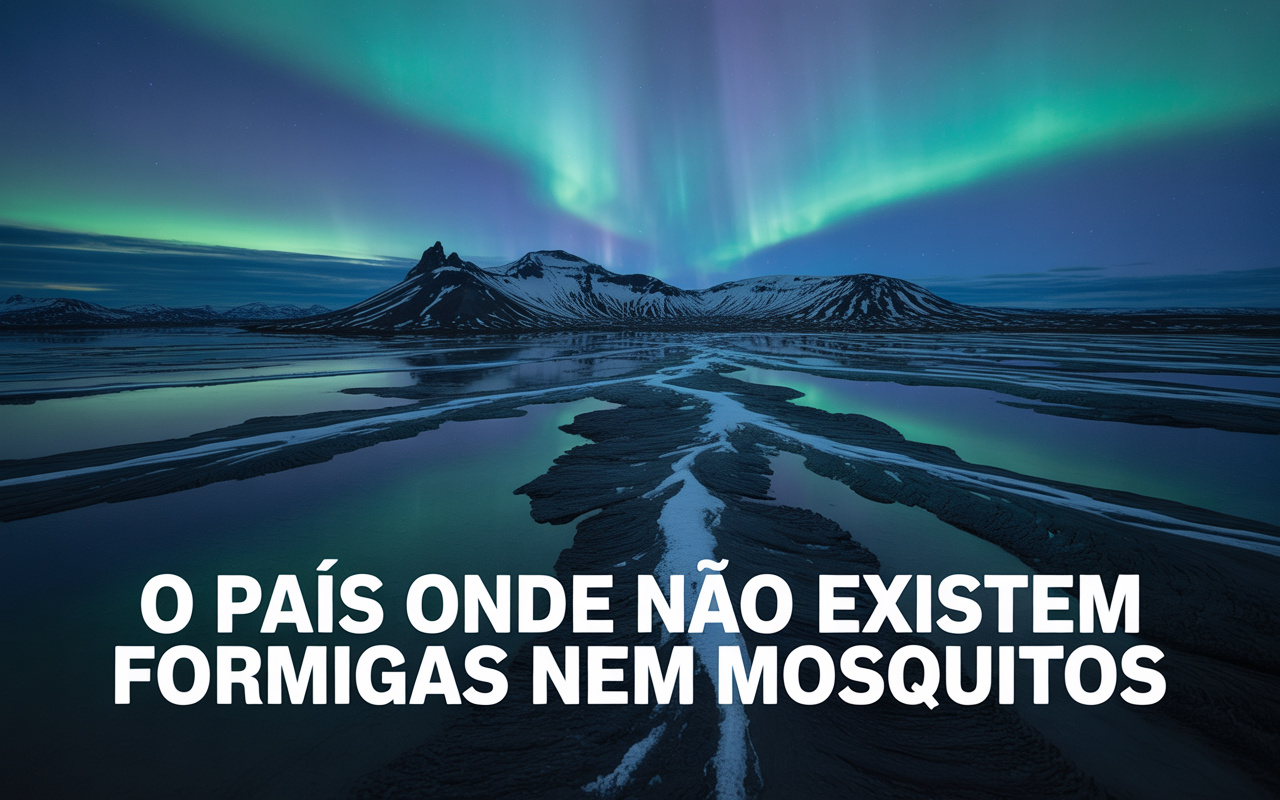

In Iceland, There Are No Mosquitoes or Ants. The Extreme Climate and Volcanic Soil Have Created a Unique and Untouched Ecosystem Compared to Another Planet.
Between glaciers, volcanoes, and lava fields, there is a country in the far north of the Atlantic that challenges even the laws of biology: Iceland. The small island territory, located between Greenland and Norway, is the only country in the world where there are no mosquitoes and there are no native species of ants, a fact that has intrigued scientists for decades and fascinated visitors. More than just a curiosity, this phenomenon is a direct result of the extreme climatic conditions, volcanic soil, and geographical isolation that have shaped one of the planet’s most peculiar natures.
The Land Where Mosquitoes Simply Cannot Survive
Iceland is one of the coldest and most unstable places on Earth from a climatic point of view. In winter, average temperatures hover around 0 °C in Reykjavík, the capital, and drop to -10 °C or lower inland.
In summer, they rarely exceed 12 °C. According to the Icelandic Institute of Natural History, this intense fluctuation prevents mosquitoes from completing their biological cycle of larva, pupa, and adult.
-
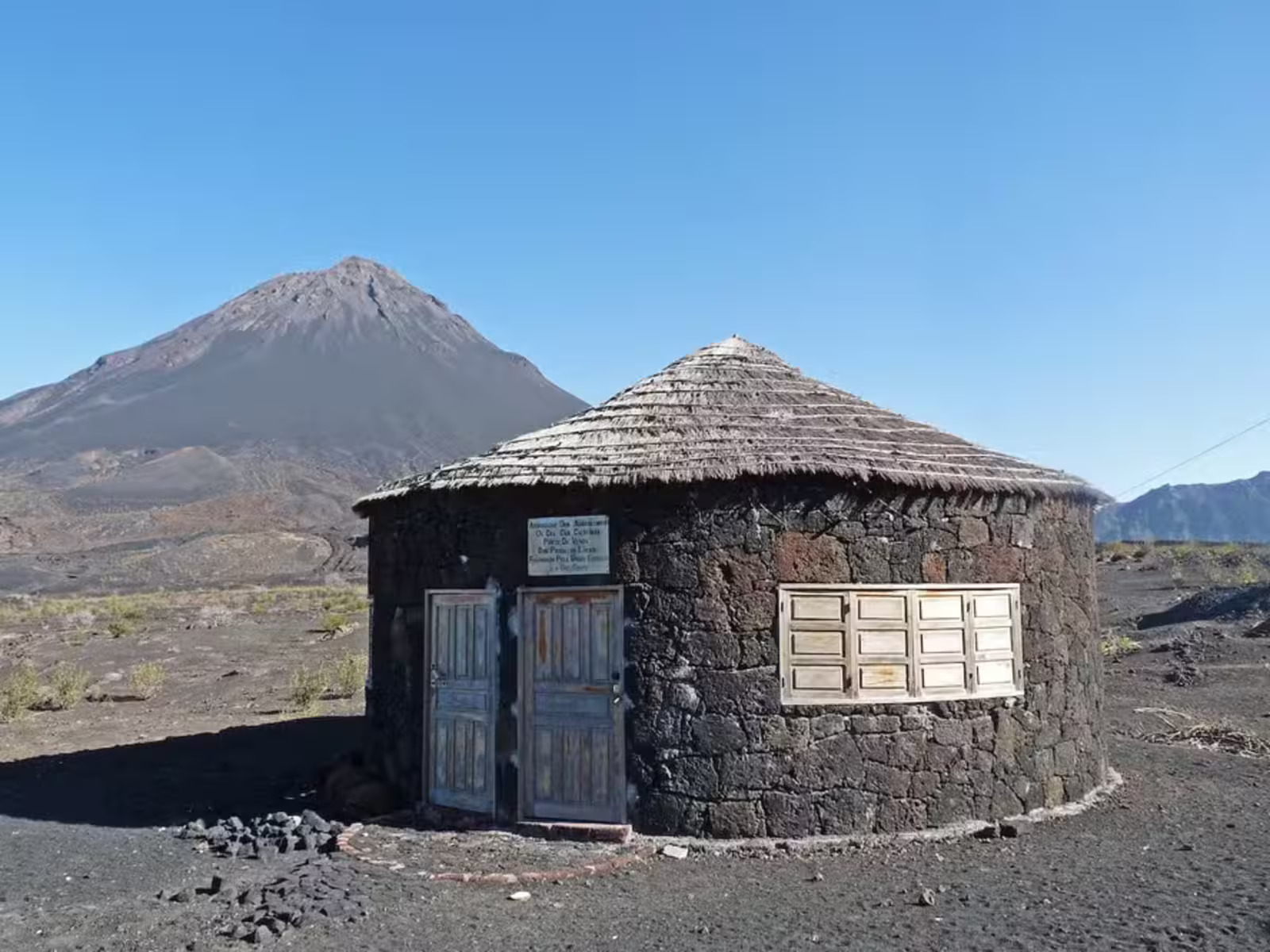
Inside an active volcano in Africa, residents use volcanic rocks to build houses in an impressive setting.
-
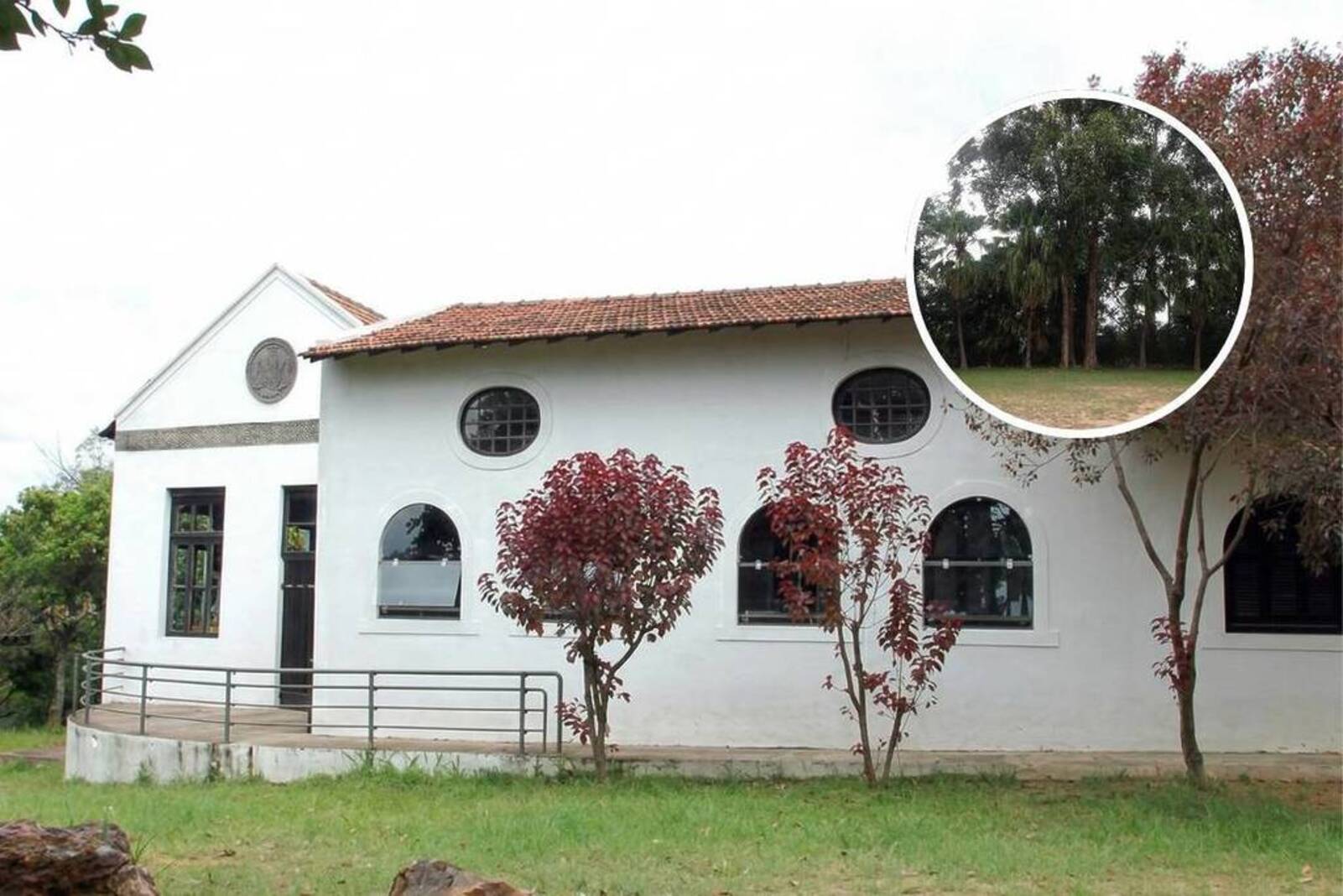
After 14 years of waiting, a rammed earth mansion built in 1702 in the North Zone of São Paulo will become a park with leisure facilities and green areas, with a million-dollar investment.
-
With 2 unfinished nuclear reactors, up to 25 billion in costs, and proven fraud, the Nukegate case has left 800,000 consumers still paying today for energy that will never be produced.

-
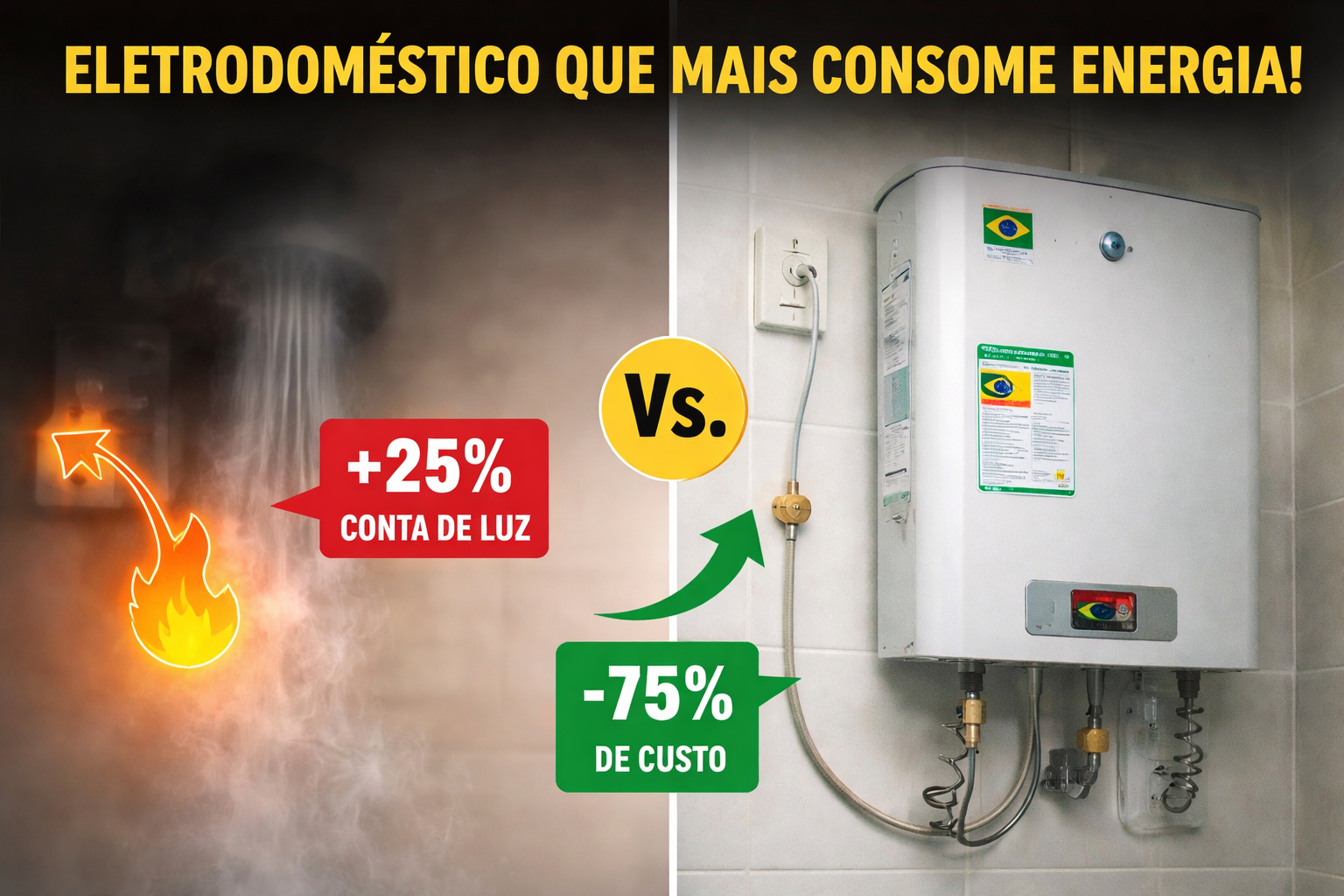
The household appliance that consumes the most energy in Brazilian homes is not the air conditioner; it is located in the smallest room of the house, is used daily, and can account for up to 25% of the electricity bill, while an alternative in the same outlet can reduce this cost by up to 75%.
The Icelandic entomologist Erling Ólafsson, one of the leading authorities on the subject, explains that the problem is not the cold itself, but the back and forth of thawing. During spring, the ice melts and mosquitoes try to reproduce in small puddles.


However, a few days later, temperatures drop again and the water freezes once more, interrupting the development of the larvae. The result is a hostile environment for any attempt at colonization.
“It’s a cycle that repeats year after year. When conditions seem favorable, the weather changes rapidly and destroys nascent populations. Mosquitoes don’t have time to adapt,” Ólafsson told BBC News.
Ants? They Don’t Live Here Either
The absence of ants is another phenomenon that surprises biologists and ecologists. According to a report published by the Icelandic Entomological Society, there are no native species of ants in Iceland.
The few that have been found in recent decades arrived in the country through cargo ships or imported goods, mainly wood and food. However, the insects cannot survive the cold climate nor can they form stable colonies, disappearing within weeks.
This biological isolation means that Iceland has an almost “sterilized” ecosystem compared to the rest of Europe. The volcanic soil, rich in minerals but poor in organic matter, also limits the presence of insects, fungi, and microorganisms that would be common in temperate regions.

“The country is a natural laboratory. It shows what happens when climate and geographical isolation impose strict limits on life,” highlighted researcher Kári Gunnarsson from the Icelandic Institute of Natural Resources in an interview with the newspaper Morgunblaðið.
The Effect of Climate and Geographical Isolation
Iceland is located close to the Arctic Circle, in a zone where the climate changes drastically in just a few hours. In one day, it is possible to experience snow, rain, and intense sunshine. These constant fluctuations—coupled with the short duration of summer—make the country biologically distinct.
In addition to the climate, the oceanic isolation prevents the arrival of new species. Cold ocean currents from Greenland and the polar winds blowing from the Arctic create a kind of natural barrier that prevents the migration of insects from mainland Europe. This makes Iceland one of the purest regions on the planet in ecological terms, with a limited but highly adapted fauna.
The only significant pest observed in Icelandic territory is small species of fleas and houseflies, which survive only in heated urban areas—but even they are rare in winter.
An Ecological Paradise with an Extraterrestrial Appearance
The absence of insects is just one of the many factors that make Iceland one of the most unique places in the world. The contrast between ice and fire is constant: the country is home to over 130 active volcanoes, hundreds of geysers, and glaciers that cover 11% of its total area.
In many areas, the ground still steams due to intense geothermal activity, while glacial rivers cut through deserted landscapes and solidified black lava plains.
These characteristics give the country an almost extraterrestrial appearance. It’s no wonder that NASA has used Icelandic regions as a training ground for Apollo mission astronauts and as locations for science fiction films like Interstellar, Prometheus, and Oblivion.
Additionally, the low population density—just over 390,000 inhabitants throughout the country—and strong environmental policies make Iceland one of the most preserved places on Earth. Crystal-clear lakes, gigantic waterfalls, and volcanic ash deserts complete the scenery of a territory where nature asserts itself with brute force.
In a world where insects are an inevitable presence, Iceland represents an almost miraculous exception. The country proves that extreme conditions can shape ecosystems completely different from those we know.
While tourists are enchanted by the absence of mosquitoes and the silence of summer nights, scientists continue to study how life adapts or fails to adapt to the conditions of the frozen north. Amid the constant cold and the solitude of its landscapes, Iceland remains a reminder that, in some places, the Earth still seems to belong to another planet.






Gostaria de conhecer esse país tão exótico!
Aguardo oportunidade…