





 Portuguese
  English
  Spanish
  3 min of reading
  1 comment


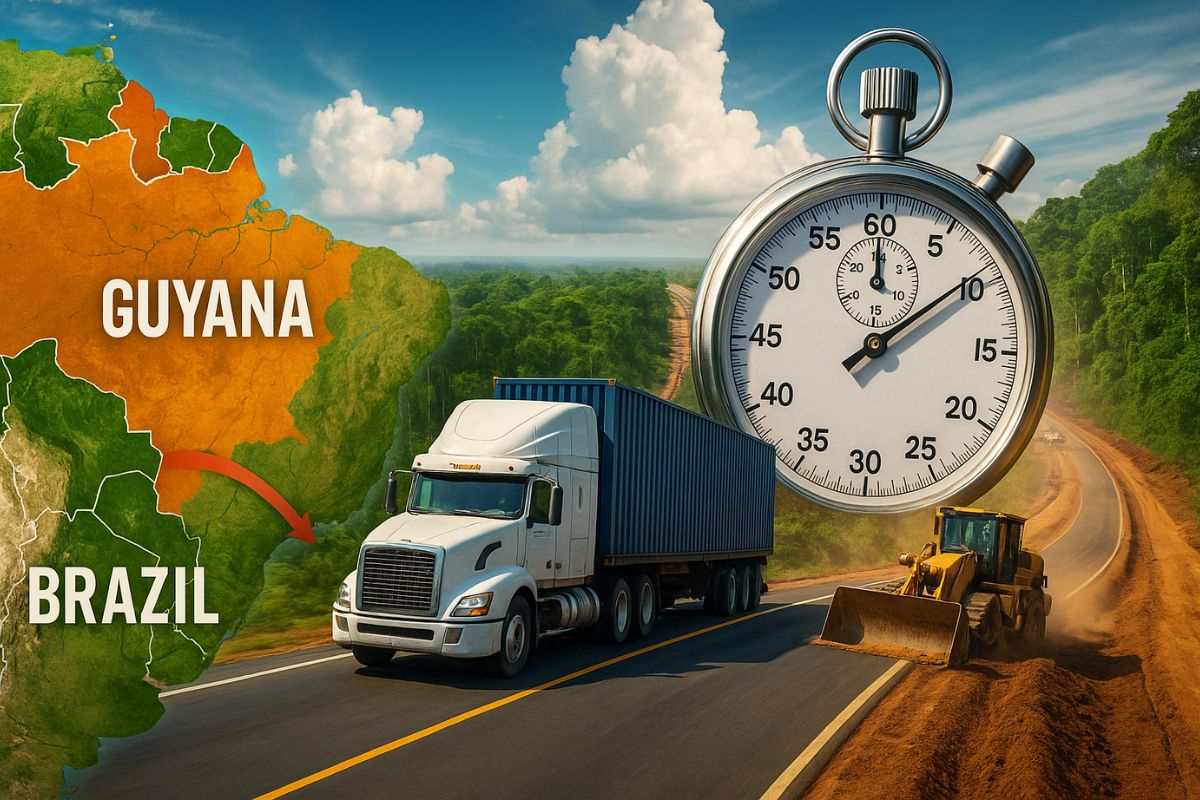


With A Billion-Dollar Investment In A Strategic Highway, The Fastest-Growing Country On The Planet Advances To Physically Integrate With Brazil And Open A New Trade Route In South America.
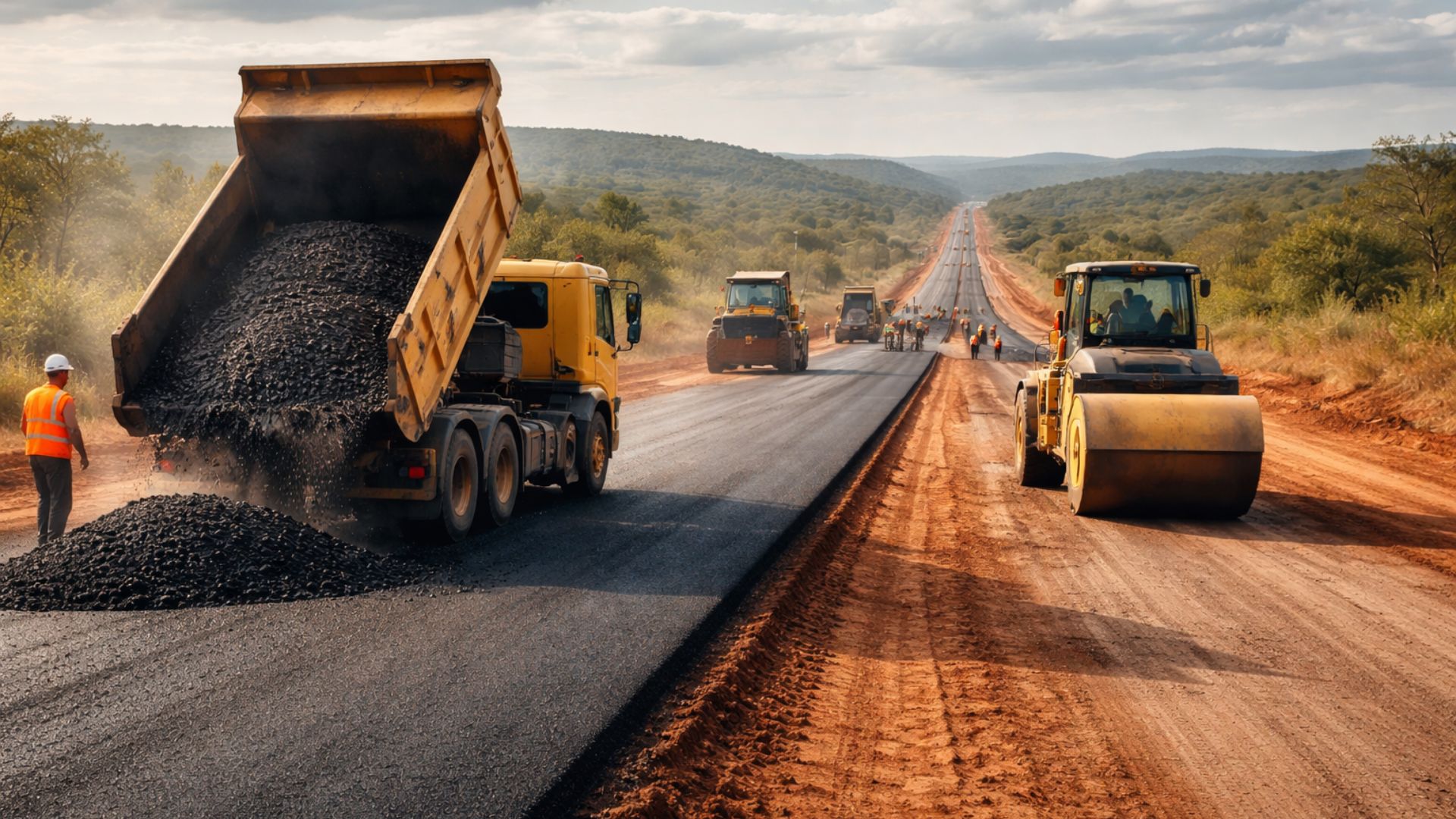
The fastest-growing country on the planet, Guyana, has decided to transform the economic map of the region. A R$ 5 billion project is underway to connect the capital, Georgetown, to the border with Roraima, creating a direct land link with Brazil. The new highway, which will replace the old dirt road known as El Sendero, will reduce transport time from 21 days to just 48 hours — an unprecedented logistical leap in the country’s recent history.
With an economy based on oil and mining, Guyana is experiencing a boom that has multiplied its GDP sixfold in just a decade. The country, which was virtually unknown in global geopolitics, has become the main destination for investments in the Caribbean and a new center of strategic interest for global powers.
The Route That Could Change The Economic Axis Of North-South America
The nearly 500-kilometer road will connect Georgetown to the city of Lethem, on the border with Brazil.
-
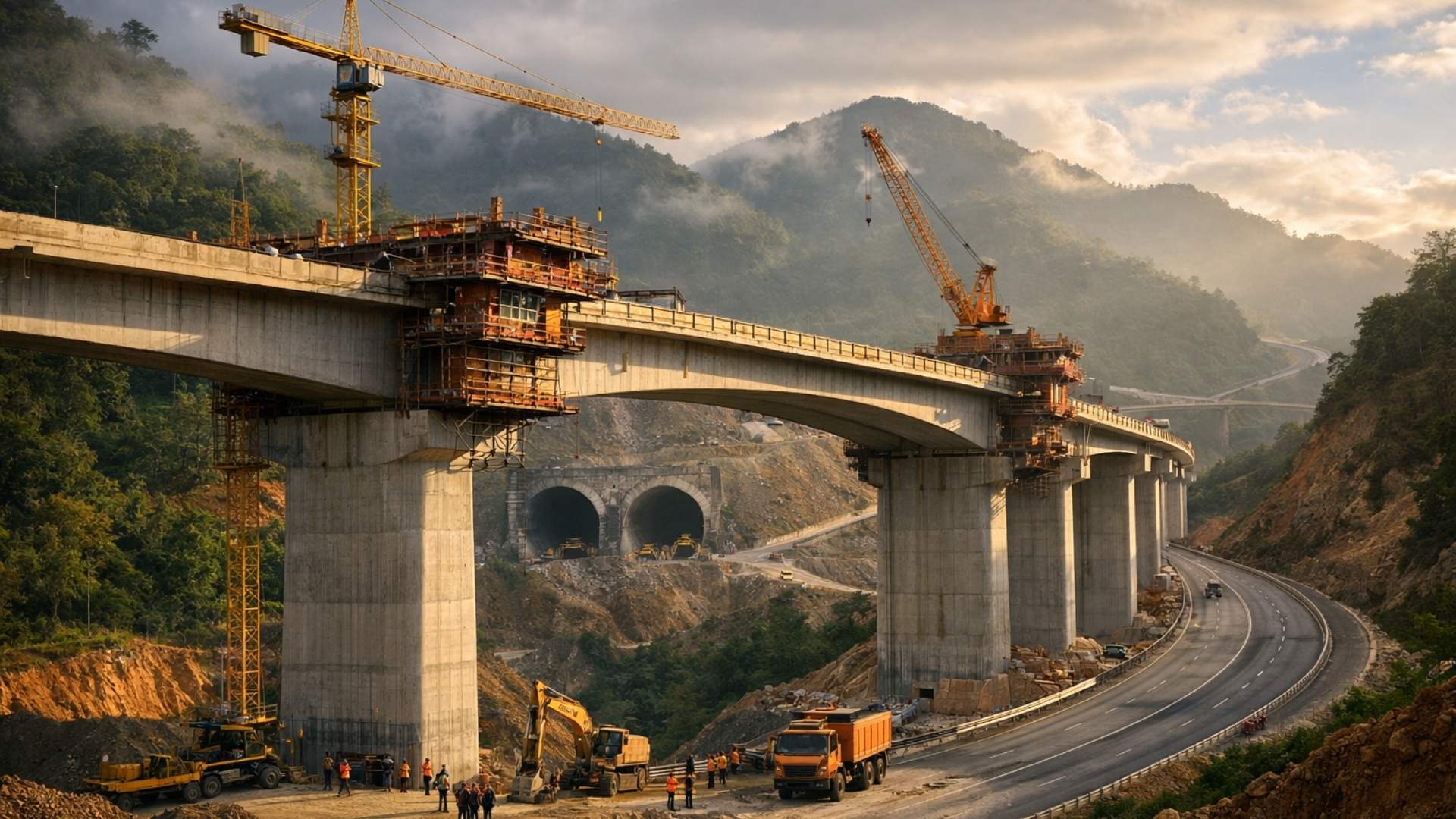
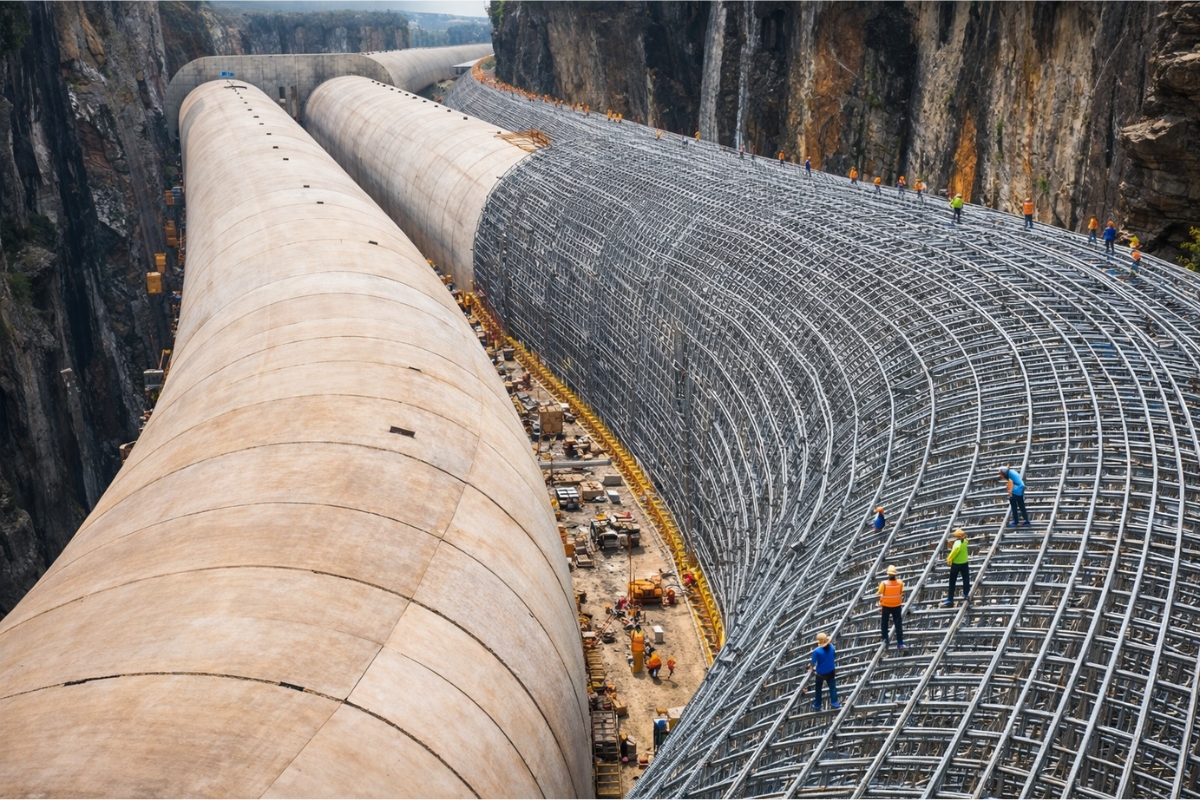
The government puts R$ 8.6 billion on the table to change the highway (BR) with 50 overpasses, 28 bridges, 4 tunnels, and 40 km of bike lanes in 180 km of historic duplication.
-
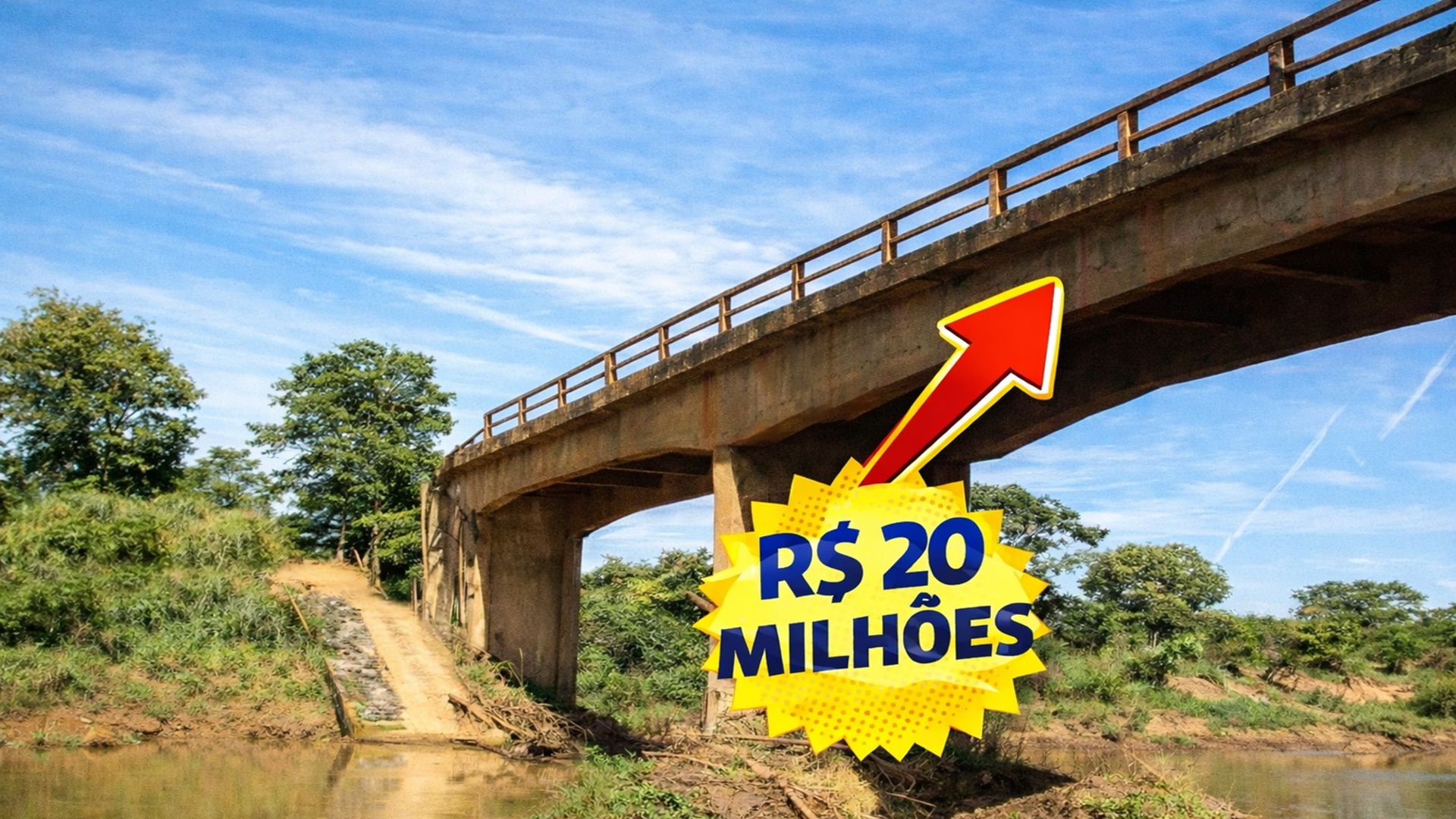
BRL 20.1 Million Bridge Project Kicks Off: 200-Meter Construction to Improve Access in Three Cities in Minas Gerais
-
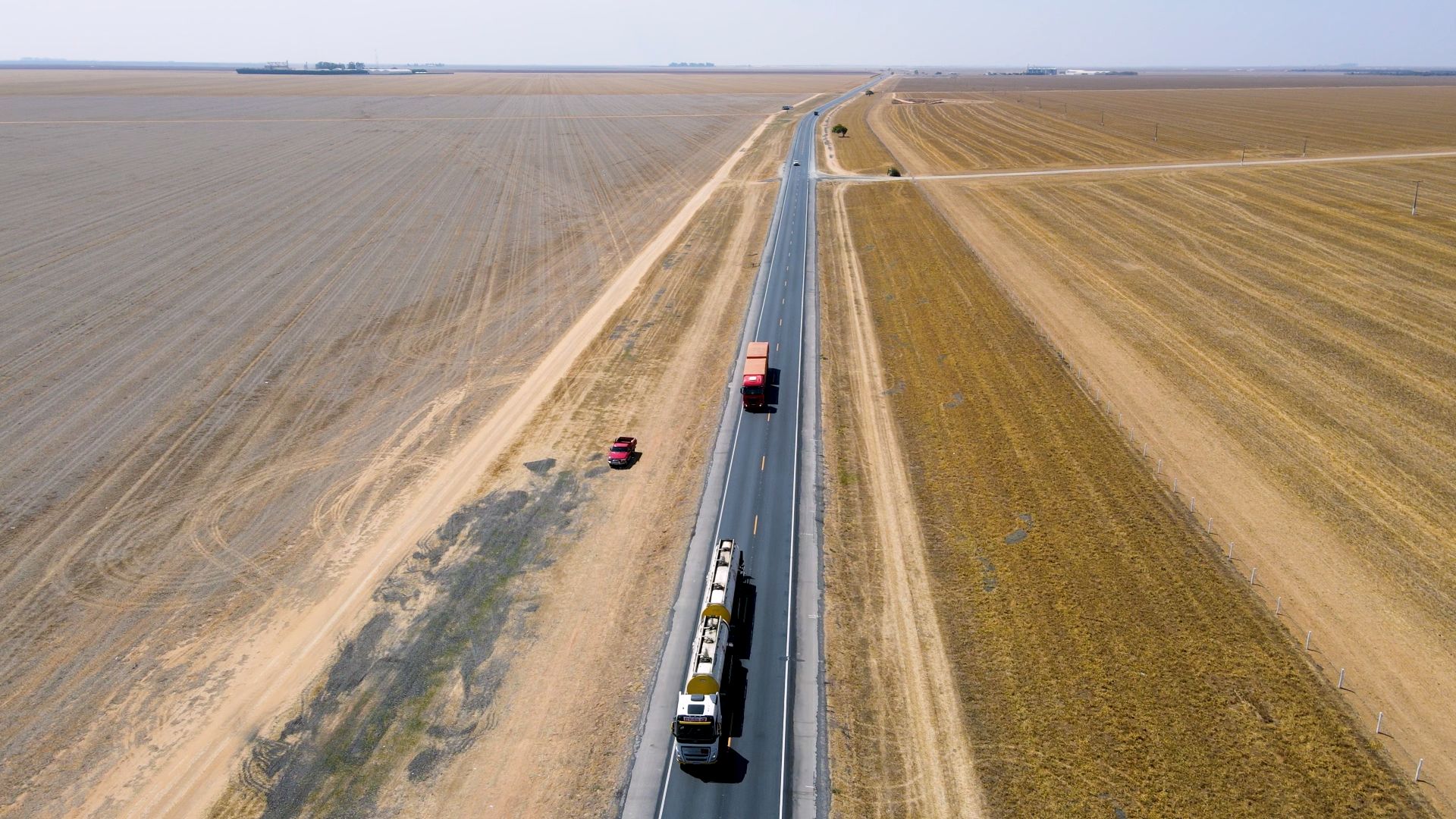
‘Endless Road’ In Brazil Is One of The Largest In The World: 145 Km Stretch On An Important Highway (BR) Crosses The West Of Bahia And Had 135.9 Km Revitalized With R$ 35.3 Million
-
Engineer From ITA Who Worked at Embraer Leads Free Flow Expansion With National Artificial Intelligence and Technology for Toll Without Barriers in Brazil

From there, the flow will continue to Boa Vista (RR) and then to BR-174 and the major logistical corridors of the Brazilian Amazon.
The connection promises to integrate economies, reduce costs, and bring together two markets that together total over 20 million people.
For Guyana’s Minister of Public Works, Juan Edghill, the project is “a turning point” for the country’s future.
According to him, the project will revolutionize trade with northern Brazil and create a continental corridor that will extend to the deep-water port of Palmyra, currently under construction on the Atlantic coast.
Today, Brazilian products that leave the Amazon take up to three weeks to reach the sea via rivers.
With the new road, this time will drop to two days, paving the way for faster and more competitive exports.
The Fastest-Growing Engine In The World
Guyana has recorded impressive figures in recent years.
Between 2020 and 2024, the country maintained growth rates above 30% per year, reaching 63% in 2022 and 43% in 2024, according to the World Bank.
With a population of only 800,000 inhabitants, the oil boom has increased GDP from US$ 4.2 billion in 2015 to US$ 24 billion in 2024.
This progress has made the small country the clearest example of accelerated economic transformation in the 21st century.
The challenge now is to ensure that the growth translates into modern infrastructure, jobs, and regional integration — and the new highway is the symbol of this transition.
Between Oil, Borders, And Territorial Dispute
The project also carries geopolitical implications.
The road crosses the Essequibo, a region rich in oil and minerals, claimed for decades by Venezuela.
The new route is expected to facilitate the Guyanese government’s presence in the area and allow the movement of troops and equipment, reinforcing control over the territory.
“Essequibo is part of Guyana,” Edghill stated, highlighting that the region is home to indigenous communities and expanding forestry activities.
The highway, in addition to being an economic axis, is a tool for territorial assertion.
Inevitable Progress, But With Local Impact
In Kurupukari, where the bridge over the river will be built, small merchants are already sensing the change.
Michelle Fredericks, owner of a fast-food stall, will need to relocate to make way for the construction but looks to the future with optimism.
“It could be a good thing for me. One cannot fight against progress,” she says.
The highway is expected to be completed by 2030, featuring 50 bridges and four large paved sections.
When finished, it will transform Guyana into a logistics hub between the Atlantic and the interior of the Amazon, connecting ports, industries, and agricultural centers.
And you, do you believe that this connection between the fastest-growing country on the planet and Brazil can redefine the economy of the Amazon and North-South America?






Bom dia, sim , desenvolvimento , sempre é ótimo, com inteligência o desenvolvimento quando é pra todos ,sempre será bem vindo , sempre com interesses políticos fora , está máfia destrói qualquer desenvolvimento , olhe o nosso país, só máfia .