





 Portuguese
  English
  Spanish
  4 min of reading
  13 comments


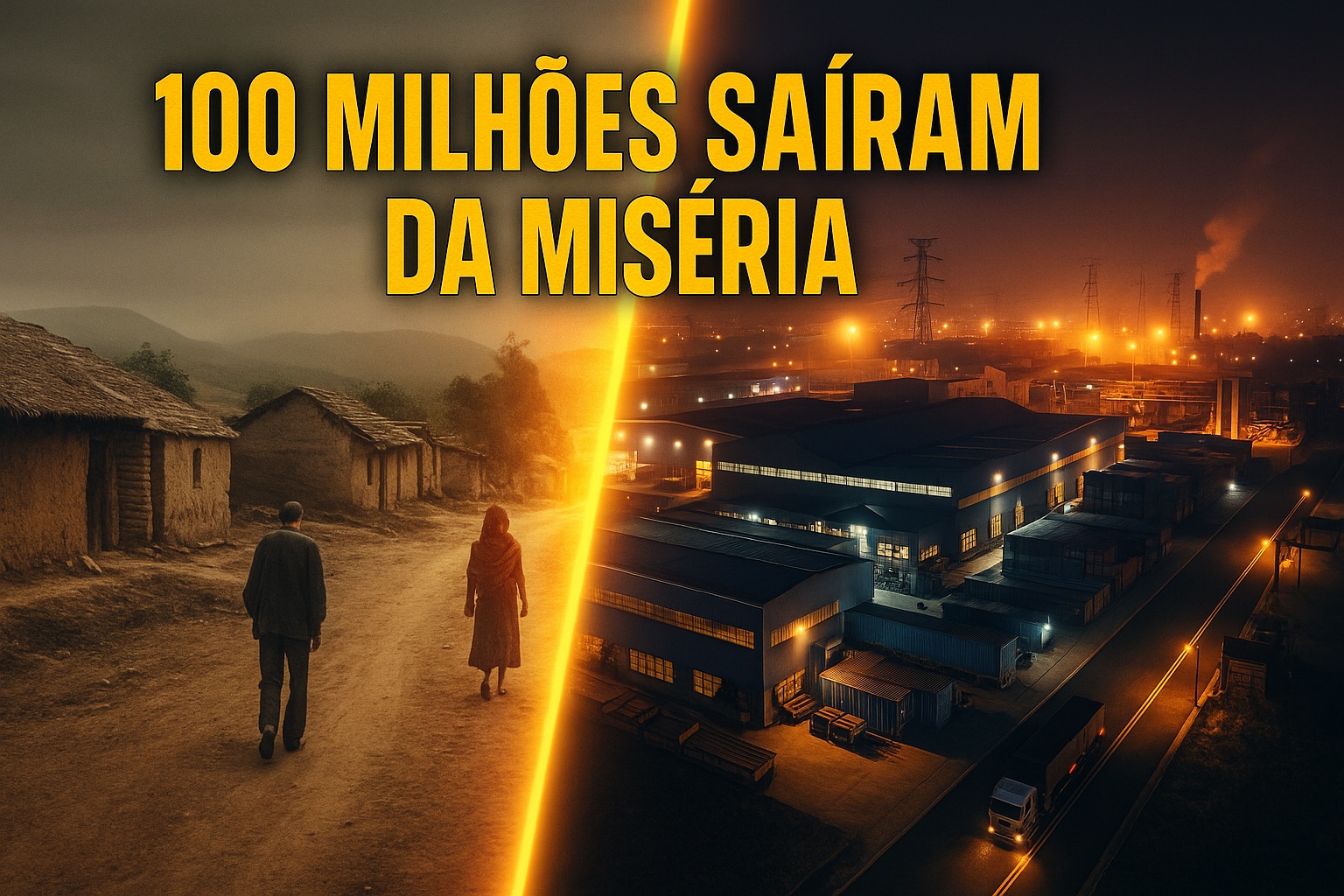


With An Investment Of US$ 1 Trillion, China Lifted 100 Million People Out Of Extreme Poverty In 10 Years. Guizhou Became A Global Example Of Sustainable Development And Social Inclusion.
For decades, this region of China was synonymous with isolation, poverty, and lack of opportunities. Located among steep mountains and deep valleys, it was home to some of the most disadvantaged communities on the planet, with an average family income of less than US$ 2 per day. Today, the scenario is completely different: the area has become a global reference in public policies, sustainable development, and poverty eradication. This achievement is not isolated; it is part of one of the most ambitious programs in modern history, lifting about 100 million people out of poverty in just 10 years, with a total investment estimated at US$ 1 trillion between 2010 and 2020. Discover the country that lifted 100 million people out of extreme poverty.
The Cradle Of Social Transformation: Guizhou Province
The heart of this revolution lies in the Guizhou Province, in China, a historically forgotten territory that has become a symbol of the structural change brought about by the national program to combat extreme poverty.
Between 2012 and 2020, the Chinese government implemented a multifaceted strategy that combined infrastructure, education, population relocation, and industrial stimulation.
-
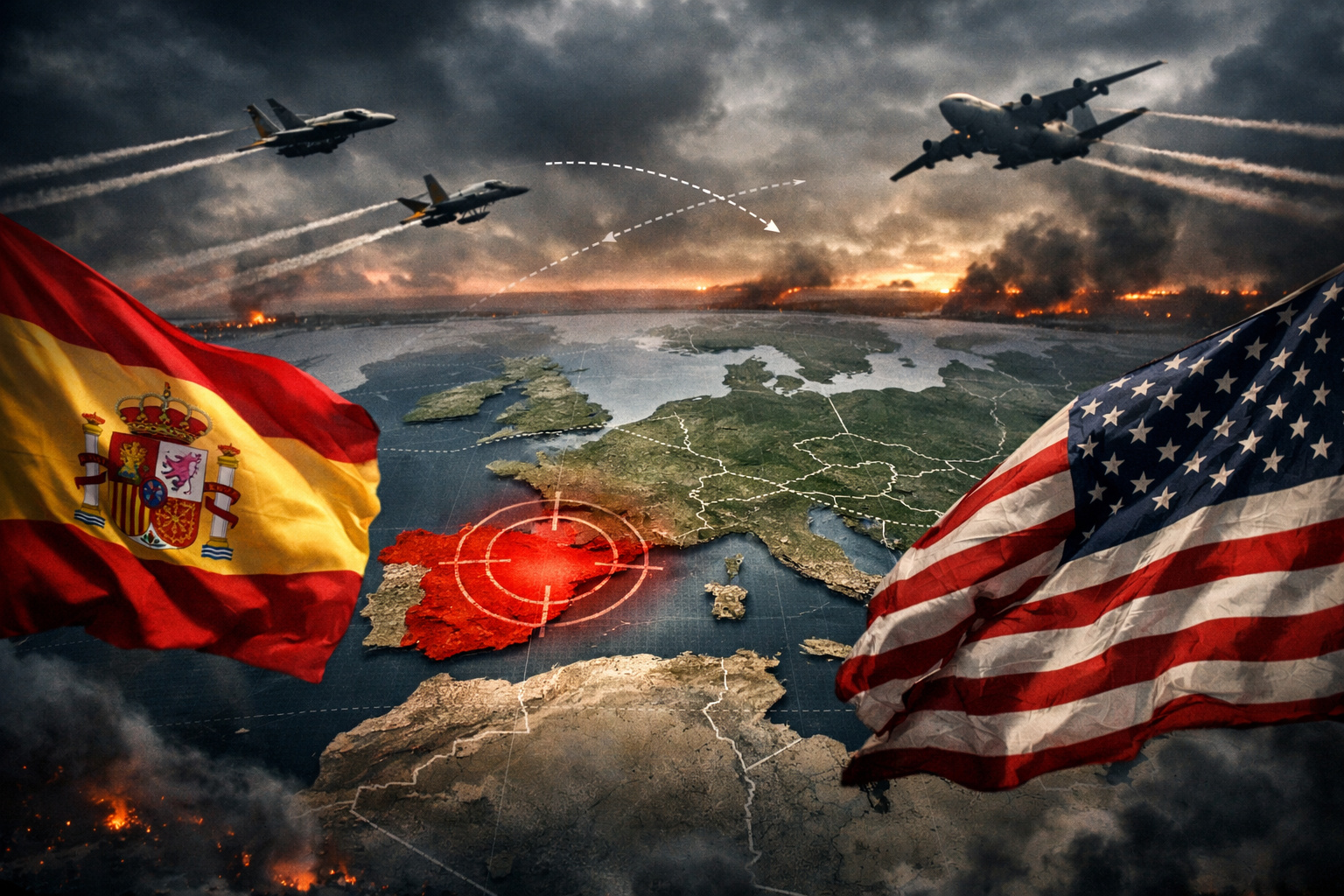
Spain challenges the USA and closes its airspace for operations against Iran, raising global tension and provoking the threat of a trade rupture.
-
While no other country manufactures tanks in Latin America, Argentina activates the TAM 2C-A2 and raises a curiosity about the technological lag in the region.

-
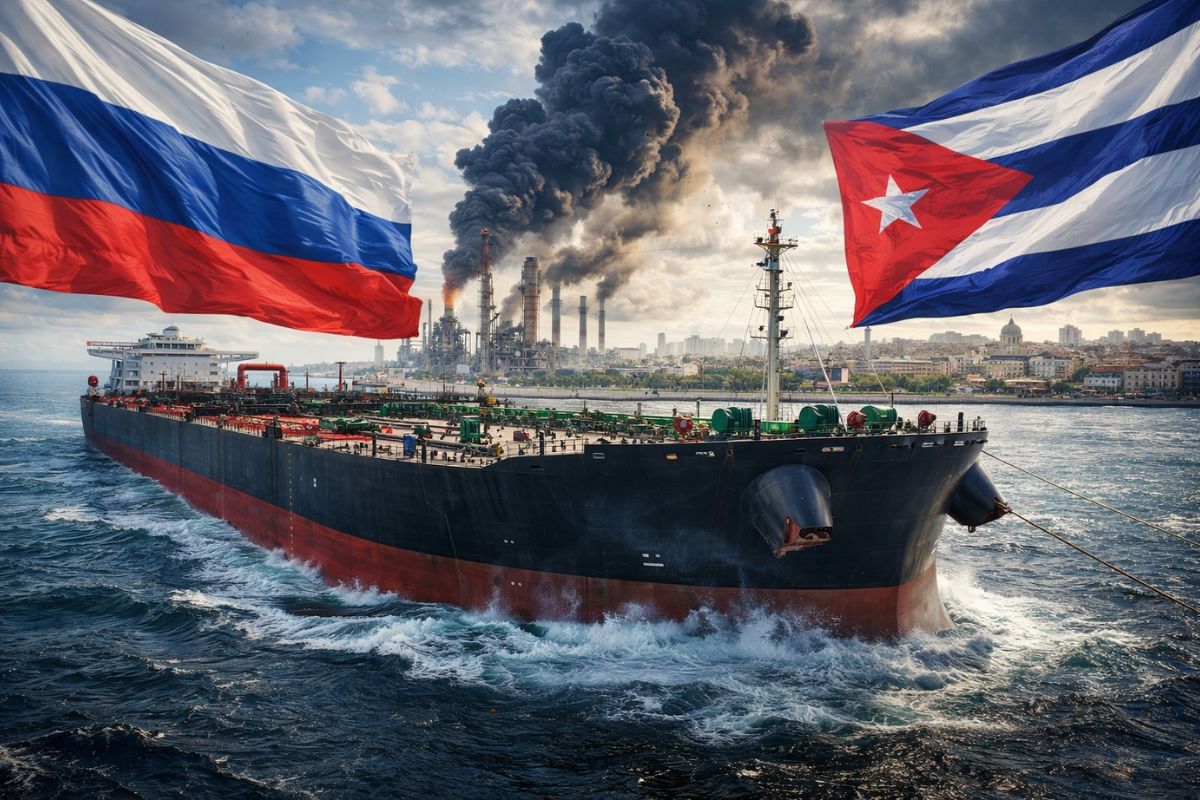
A Russian ship with 730,000 barrels of oil has just arrived in Cuba while Mexico negotiates fuel sales through private companies: the communist island is desperately seeking alternatives after losing its supply from Venezuela due to American military action.
-
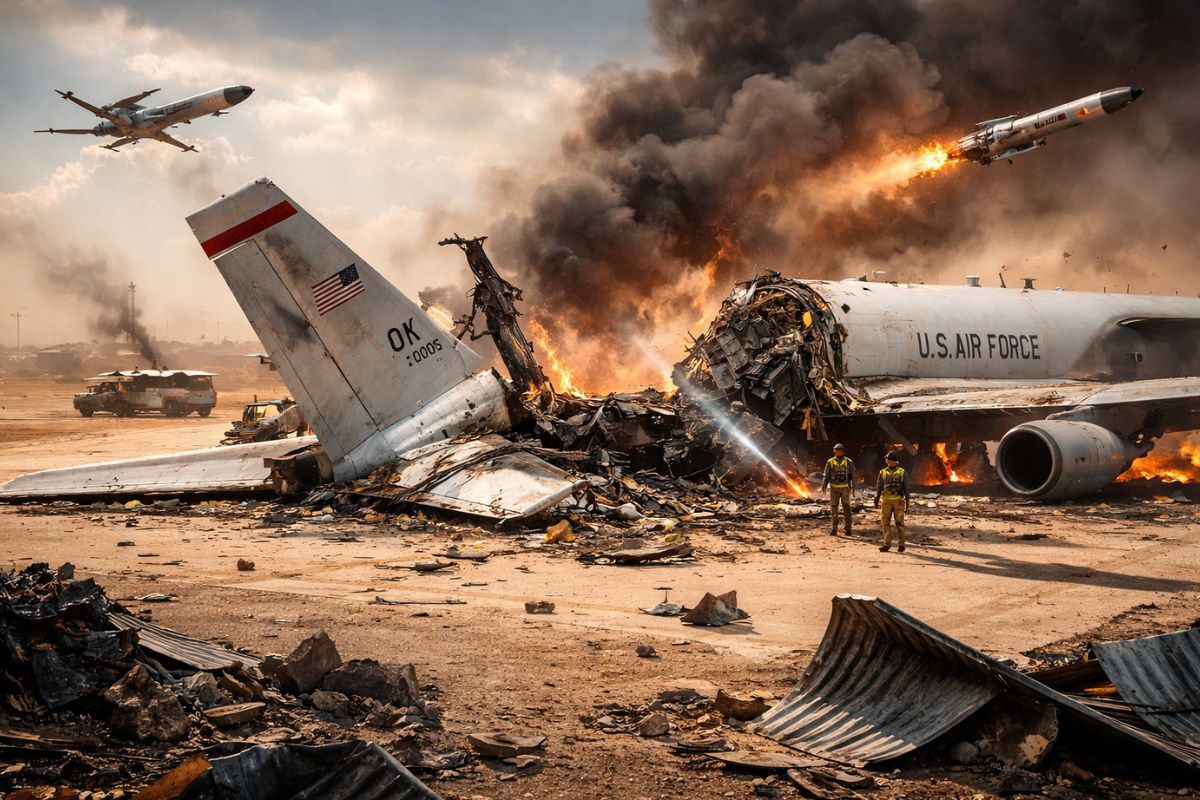
Iranian drones and missiles destroyed a 270 million dollar American spy plane in Saudi Arabia, splitting the E-3 Sentry aircraft in half and injuring 12 military personnel in an attack that exposes the vulnerability of U.S. bases in the Persian Gulf.



According to the World Bank and the state agency Xinhua News Agency, the transformation was so profound that 832 entire counties were reclassified as “free from extreme poverty”, a landmark unprecedented. In Guizhou, where nearly 40% of the population lived below the poverty line at the beginning of the decade, the rate fell to less than 3%.
Roads, Energy, And Connectivity: The Basis Of Change
The first step was to connect the isolation. Guizhou, one of the most mountainous provinces in the country, received more than 5,000 km of roads, railways, and tunnels in less than a decade. Villages previously only accessible by trails now have direct access to markets, schools, and hospitals.
The infrastructure also boosted the installation of power and high-speed internet networks, enabling rural residents to work in digital commerce, smart agriculture, and rural tourism.
According to official data from the Chinese government, more than 35 million people were relocated from areas considered “uninhabitable” to new planned villages with subsidized housing, schools, and training centers.
This relocation, far from being a simple population transfer, was accompanied by a massive program of technical education and productive inclusion, focusing on sectors such as light manufacturing, renewable energy, and processed foods.
From Subsistence Agriculture To A Sustainable Economy
Once almost exclusively reliant on subsistence agriculture, Guizhou has come to focus on clean technology industrial zones, high-value agricultural production, and eco-tourism.
Today, the province is one of the national leaders in the production of green tea and edible mushrooms, as well as hosting cloud data centers and artificial intelligence startups, a radical transformation for one of the poorest regions of the country just a decade ago.
According to the report from FAO (Food and Agriculture Organization of the United Nations), the strategy adopted by China in Guizhou is a global example of how coordinated investment in infrastructure, technology, and education can reverse centuries of inequality.
The Role Of The State And The Global Impact
The program was led by over 3 million public servants, who were relocated from major cities to work directly in rural areas. Each village received a “local manager” responsible for monitoring families, identifying bottlenecks, and creating specific solutions.
This approach, known as “precision in eradication”, is cited by the United Nations Development Programme (UNDP) as one of the key factors that guaranteed success.

In 2021, UN Secretary-General António Guterres classified the achievement as “one of the greatest accomplishments in human history in combating poverty.” Since then, the model has been studied and adapted in countries in Africa, Asia, and Latin America, including cooperation initiatives with Brazil on sustainable agriculture projects and rural requalification.
A Lesson In Social Engineering And Human Development
The history of this region shows that large-scale poverty eradication does not rely solely on financial resources but on strategic planning, political continuity, and integration between public policies.
The success of Guizhou redefines the idea of “economic miracle,” as it was not limited to GDP growth; it transformed the social structure, reconnecting millions of people and rekindling hope in forgotten areas.
Today, the province is a global symbol of resilience, where valleys once marked by hunger have become hubs of green innovation and sustainable tourism.
While many countries face the growing challenge of inequality, the story of Guizhou proves that poverty eradication is possible when economic development goes hand in hand with human dignity.










Bem diferente do nosso País que acha melhor dar dinheiro do contribuinte para enganar a população e ainda, comprar votos daqueles menos favorecidos que continuam cada vez mais pobres.
214 milhões de habitantes tem o Brasil…
Isso significa que somos todos ricos agora… pois se ele tirou da pobreza 100 milhões de pessoas, e cada pessoa representar uma família de 3 ou 4 pessoas somos todos ricos…. ehhhhh viva o país dos ricos
Só não falou o quanto ganham agora que depende do governo