





 Portuguese
  English
  Spanish
  3 min of reading
  0 comments


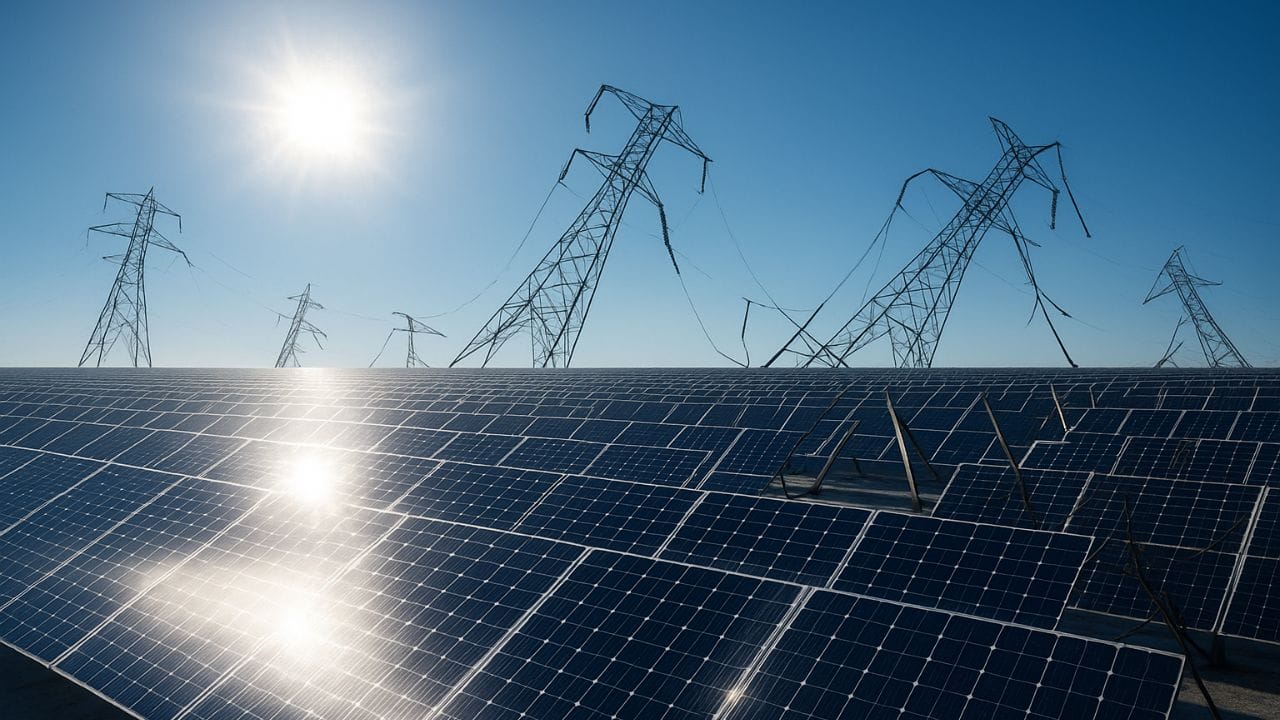
The Popularization of Solar Panels Reduces Costs for Some but Threatens Stability and Increases Maintenance Costs of Global Electrical Infrastructure, a Challenge That Portals Like Xataka Have Been Following.
The increasing accessibility of solar energy reveals a complex challenge: the cheaper it becomes, the greater the pressure on traditional electrical grids. This global phenomenon demands urgent modernization of the existing infrastructure, raising questions about the future of electricity supply.
The Expansion of Solar Energy and Pressure on Global Infrastructure
In 1812, the foundation of the Gas Light and Coke Company in London by Frederick Winsor marked the birth of public utilities, aimed at centralized gas supply. Today, these services face their greatest transformation in two centuries, driven by renewable energies. According to the International Energy Agency (IEA), the world has 80 million kilometers of electric grids. By 2040, an additional 50 million kilometers will be needed, along with the urgent modernization of another 30 million already in existence.
The challenge transcends mere quantity of cabling. Solar and wind energy require the digitization of infrastructure, the integration of control systems, and greater flexibility to manage the intermittency of these sources.
-
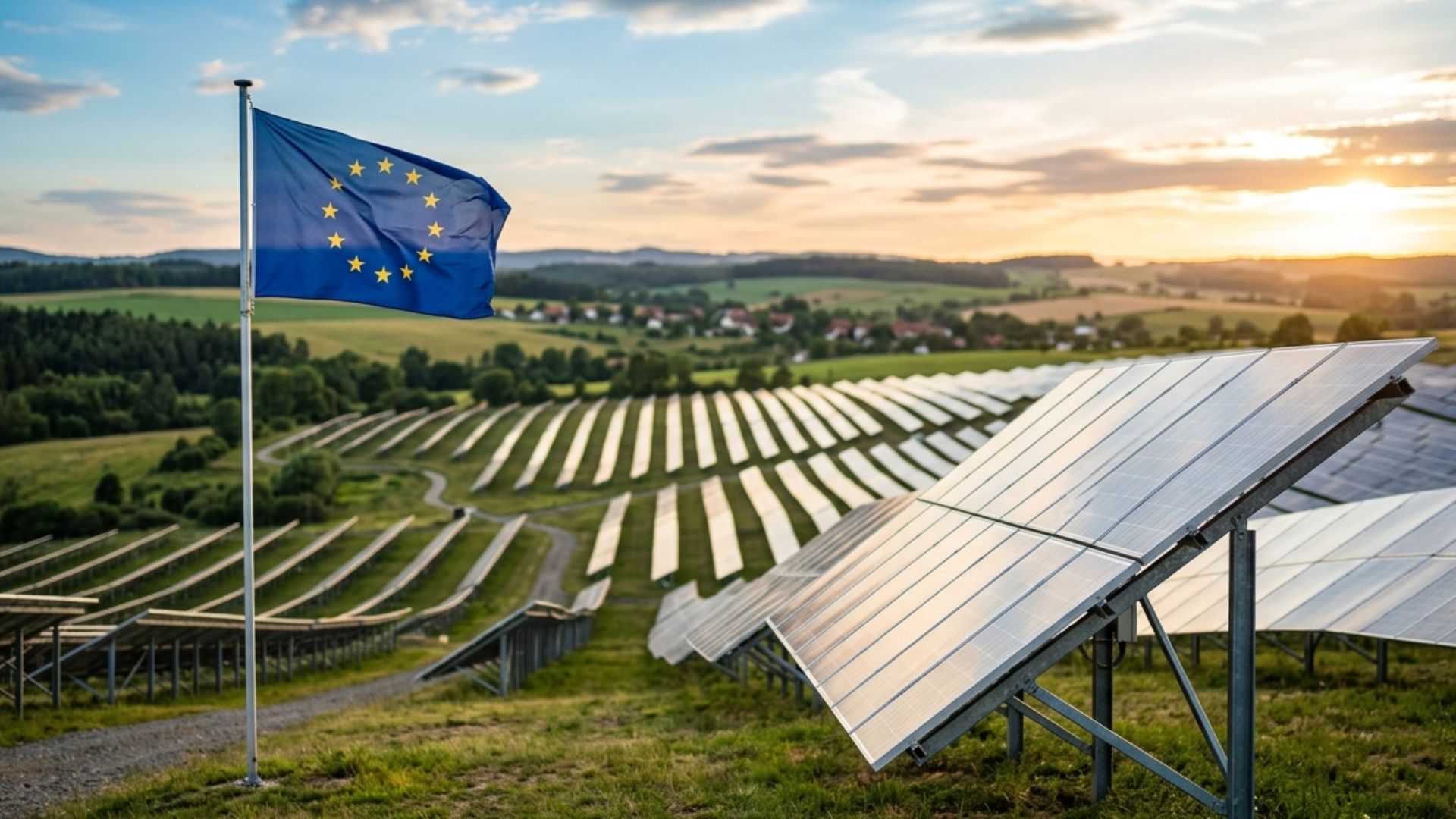
Europe records strong euro economy with solar energy in March and sparks curiosity about which country leads growth that redefines the energy market and reduces costs.
-
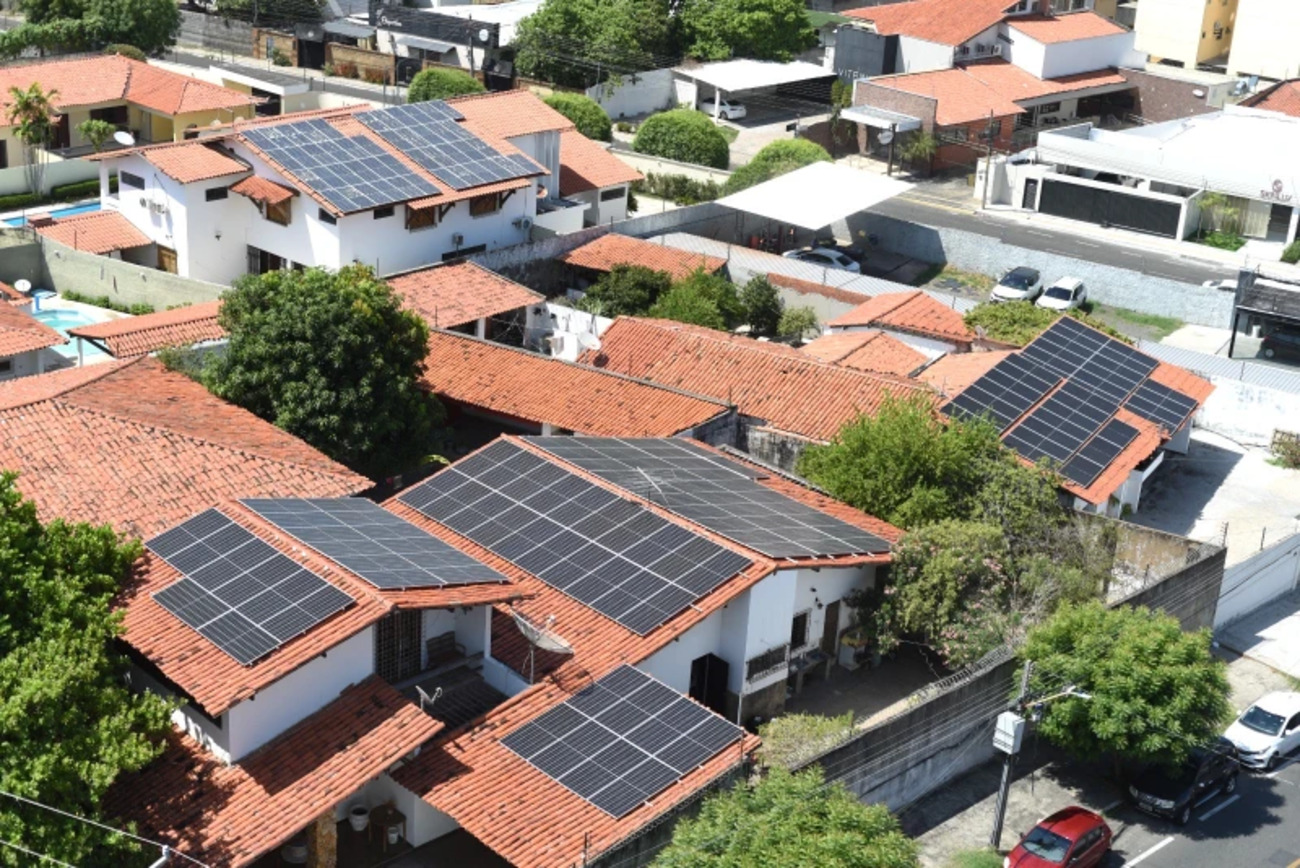
Piauí reaches a historic milestone in energy transition: State records nearly 160,000 households powered by solar energy and leads growth in the Northeast.
-
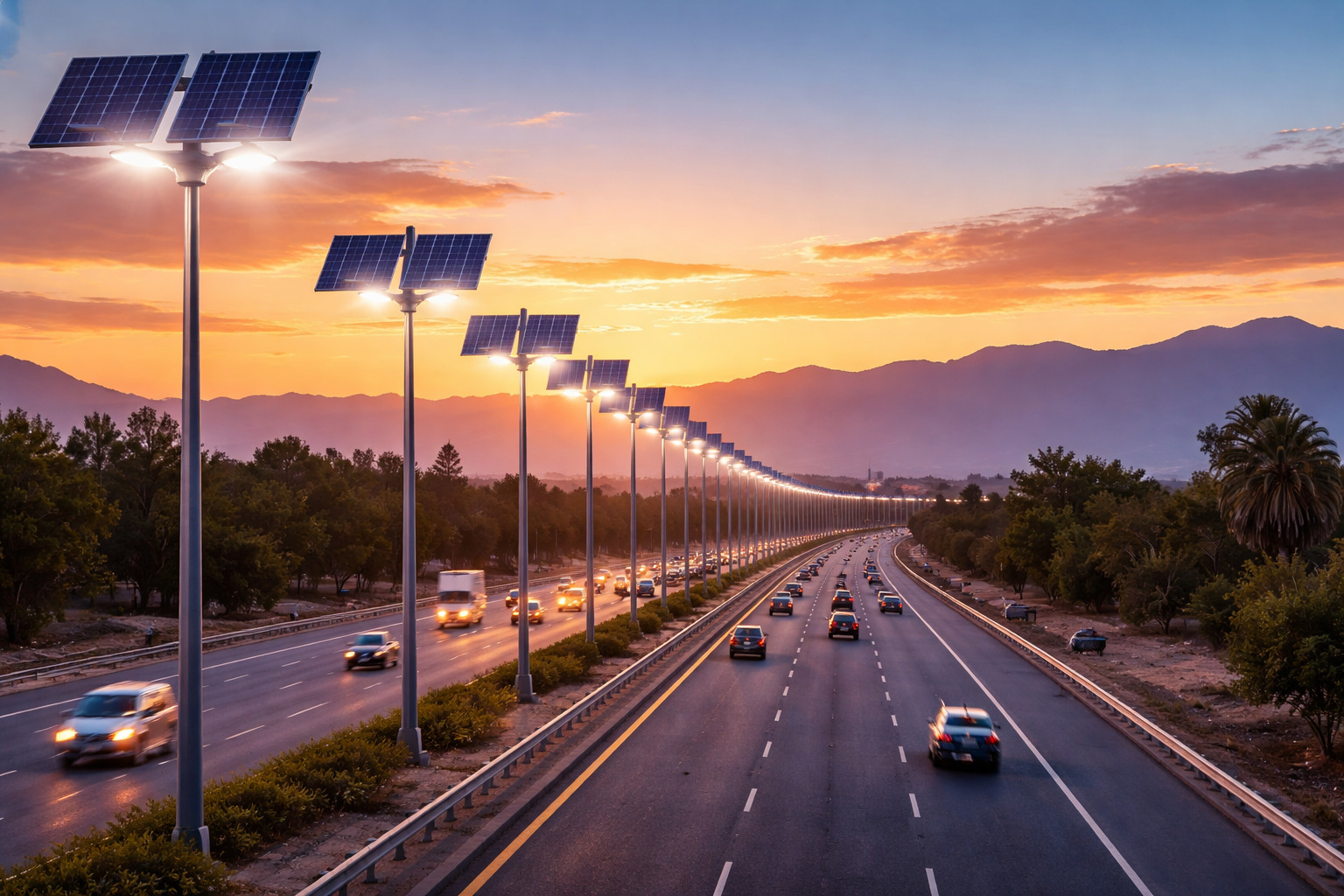
Argentina debuts its first 100% solar-powered highway and transforms an entire road into a showcase of clean energy.
-
Minas Gerais reaches a historic record and surpasses the power of Itaipu, but network costs generate debate: Understand why solar energy in MG impacts the electricity bill of those without panels.

Risks to Grid Stability
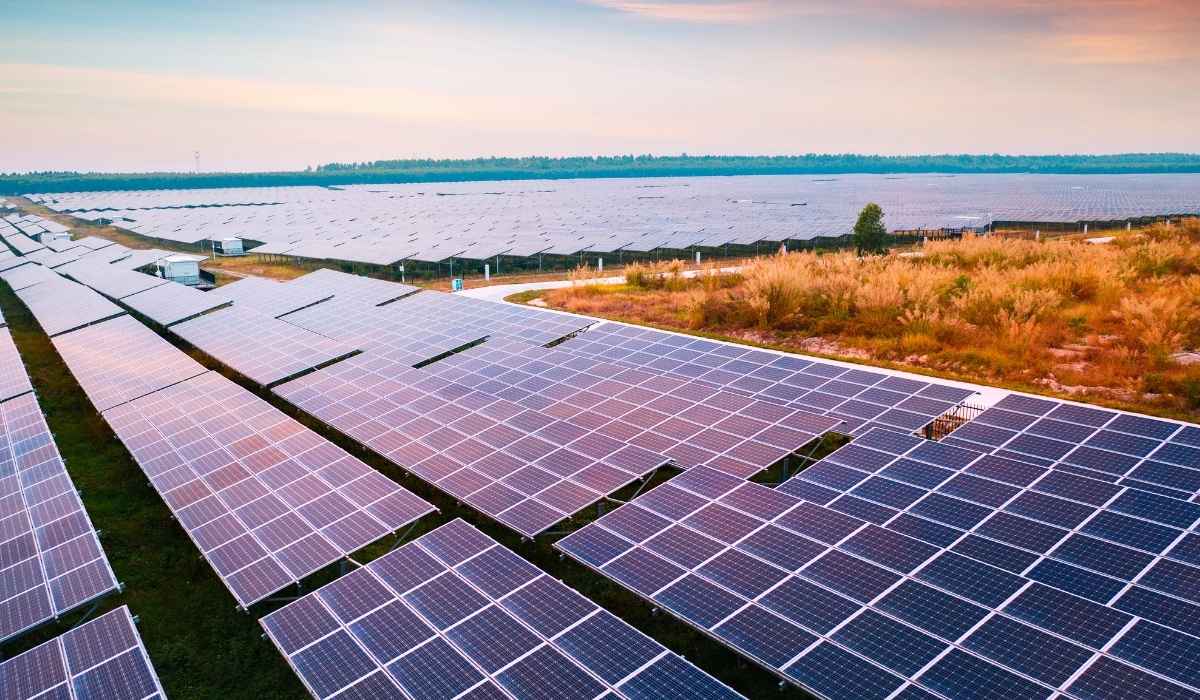
The paradox arises here: the more accessible solar panels become, the more users choose to reduce their dependence on the conventional power grid. This migration, while individually beneficial, raises costs for consumers who remain fully connected. Consequently, the stability of the system, which requires deep modernization, is compromised.
In wealthy and sunny regions like California and Australia, self-consumption on days of high solar generation has nearly collapsed the local grid.
Pakistan, South Africa, and Lebanon
This problem is not limited to more developed countries. A report from The Economist illustrates critical situations:
In Pakistan, the third largest importer of Chinese solar panels in 2023, companies and large consumers are installing photovoltaic systems to escape high energy bills, given the country’s reliance on old coal plants.
In South Africa, the constant power outages from the state-owned Eskom encourage the installation of solar panels and batteries. This increases the bills that municipalities must pay to Eskom, while collecting less from those who adopt self-consumption, generating considerable debt. Solar energy alleviates the overload on the grid but undermines revenue for its maintenance.
In Lebanon, with state supply of only a few hours daily since 2019, photovoltaic installations jumped from 100 to 1,300 megawatts in three years. While addressing part of the supply shortage, it creates a vicious cycle due to a lack of stability and investment in the grid.
The Financial Gap and Increased Costs for Vulnerable Consumers
With the multiplication of private solar installations, the fixed costs of the grid (lines, substations) are diluted among a smaller user base. This means that those without the resources to install panels, usually the poorest, bear higher tariffs to cover the expenses of the system.
Europe, a leader in emissions targets and electrification, is facing economic implications. A report from Bruegel estimates the need for €65 to €100 billion annually to modernize European electrical infrastructure. At the same time, the European Union promotes solar self-consumption, not always with tariff mechanisms that ensure grid sustainability. If many disconnect or reduce their grid consumption, the base for recovering investments diminishes, increasing tariffs and encouraging more adoption of individual solar energy.
How Solar Energy Impacts the System
Solar energy itself does not cause instantaneous blackouts. However, it disrupts the financial and operational structure of the power grid, which has fixed maintenance costs. This occurs due to the reduction in the base of paying users, mismatches between supply (intermittent) and demand, and the use of the grid as a low-cost reserve system by those generating their own energy.
In addition to solutions like batteries and pumped storage plants to stabilize the grid, international projects, such as a hypothetical transatlantic cable between America and Europe to share renewable surpluses, are being considered. However, their development is complex, controversial, and extremely costly. The transition to a greener and electrified future, therefore, requires careful planning and strategic investments in the infrastructure that supports this advancement.








Seja o primeiro a reagir!