





 English
  Francês
  Alemão
  Italiano
  Japonês
  Norueguês
  Portuguese
  Spanish
  2 min of reading


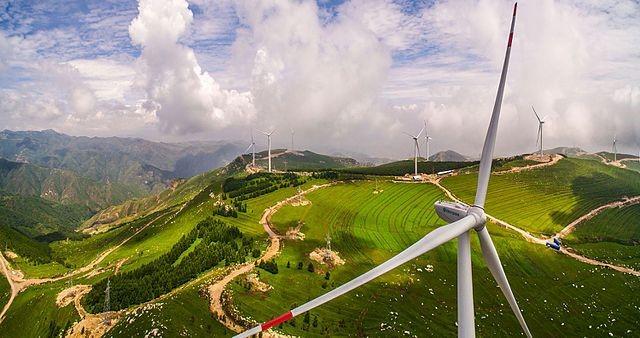
Shifting to a Low-Carbon Economy Could Boost Brazil’s Economic Growth by Creating Jobs and Reducing Carbon Emissions by Up to 33%
Investments in greener industry, energy, and agriculture could generate jobs, according to the report released this August, potentially adding an extra GDP of US $325- $525 billion over the next ten years for the Brazilian economy, while also reversing the damage to Brazil’s environmental reputation, improving access to international investments and green bonds.
Read Also
- Petrobras Confirms Investments of Approximately US$ 90 billion by 2024
- Vale is Installing One of the Largest Energy Storage Systems in the Country at the Port of Rio de Janeiro
- Equinor Maintains Long-Term Strategy in Brazil and Invests in Solar Energy Projects
- Aker Solutions Signs Supply Contract for the Lapa Field
Can Brazil Under the Current Government Be Sustainable and Save the Economy?
Among its proposals, the WRI report encourages the restoration of degraded pastures, the construction of railways, and the installation of electric buses in Brazil’s public transportation system – combining long-sought goals of improving the country’s infrastructure with low-carbon solutions.
The authors state that low-carbon measures are more likely to be adopted by Bolsonaro now, as the government urgently works to produce a viable COVID-19 economic recovery plan, noting that the implementation of environmental targets could open new economic markets and create two and a half million jobs in the next decade, while also boosting Brazil’s tarnished international reputation, reducing the risk of future sanctions and loss of investments.
-
Chinese giant worth nearly R$ 4 billion that manufactures cables for electric cars, solar energy, and robotics wants to open a factory in SC.

-
Many employers do not know, but the law guarantees domestic workers a 25% increase in salary during trips, 50% for overtime, 20% for night shifts, and 17 additional benefits that can lead to labor lawsuits if not paid.

-
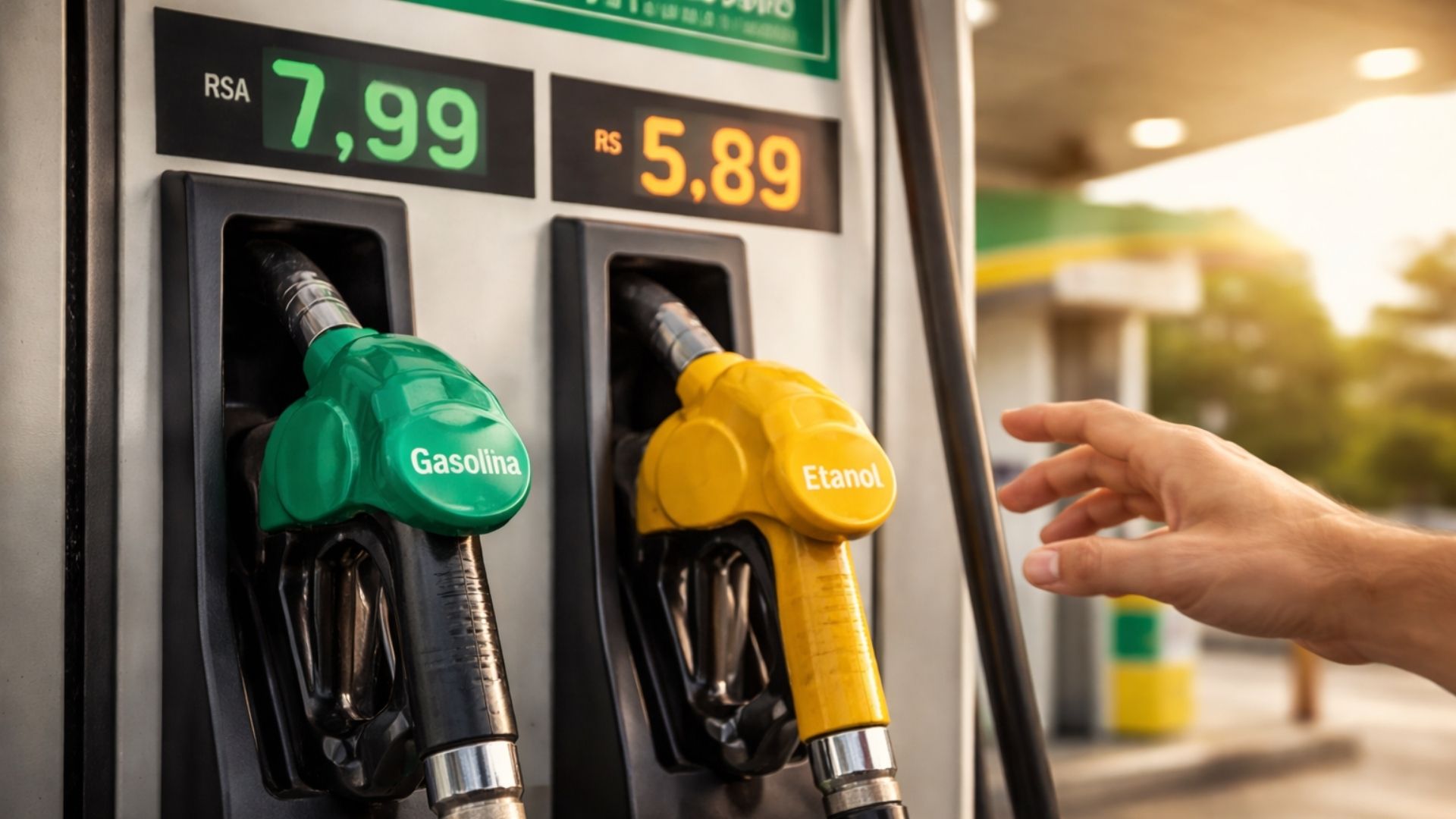
Gasoline prices soar and the question arises: is ethanol more advantageous? The 70% rule reveals the limit with gasoline.
-
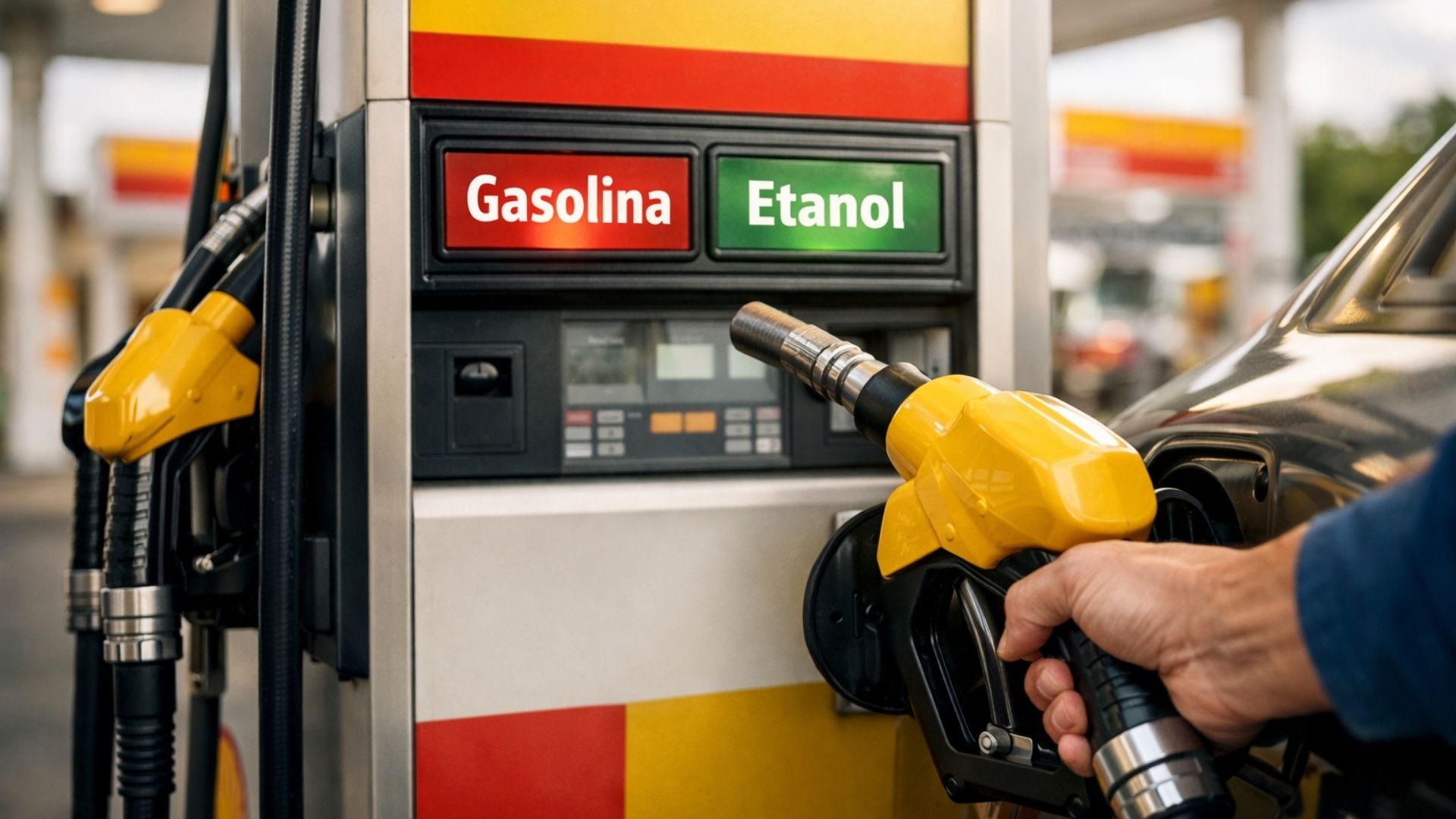
The government has made a decision and is starting a test with more ethanol in gasoline, anticipating a mixture of up to 35%, diesel with 25% biodiesel, and a study to assess the impacts on engines.
Higher Productivity, Lower Carbon Emissions, and New Job Opportunities
Improving productivity is the cornerstone of the WRI report, as it seeks common ground between agribusiness, industrial interests, and the environment, potentially generating new job opportunities in the market.
A program for the recovery of degraded pastures would cost US $4.5 billion. According to the WRI plan, this investment could be recovered in six and a half years from increased productivity while also reducing deforestation pressures.
“The tax revenue from this investment alone would total 742 million reais (US $134 million), which could help the government with its budget deficit while also creating new job opportunities,” said Viviene Romero, lead researcher of the WRI study.









Seja o primeiro a reagir!