





 Portuguese
  English
  Spanish
  2 min of reading
  0 comments


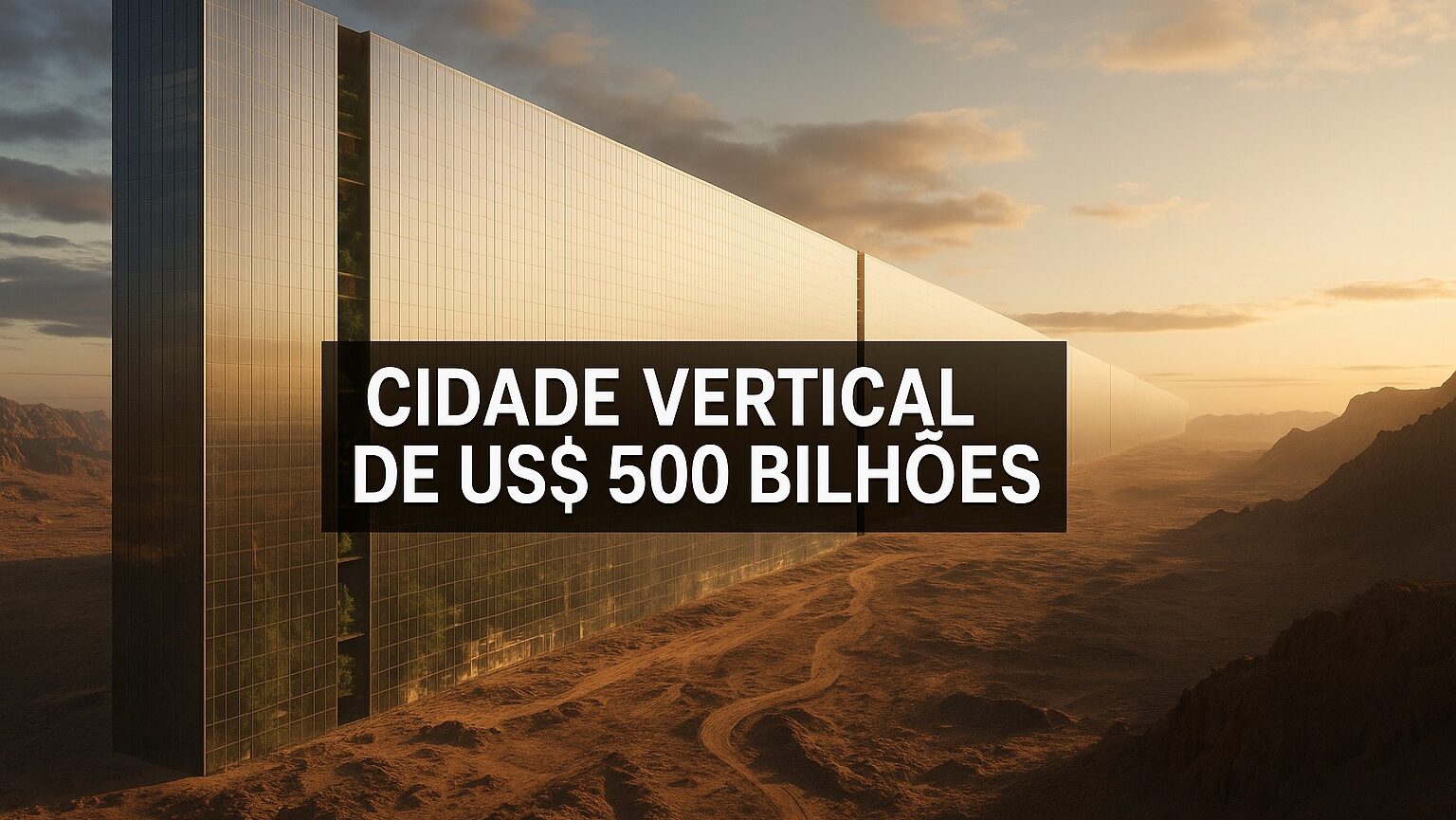
The Line Challenges The Traditional Model: Linear City With 170 Km, Vertical, Sustainable And Planned For Millions, Without Cars And With Maximum Efficiency
The idea seems to have come out of a science fiction movie, but it is already under construction. In the heart of the Saudi desert, The Line is emerging, a megalopolis designed to function as a linear, vertical, and 100% sustainable city.
The project, part of the NEOM initiative, challenges traditional urban logic and seeks to redefine life in dense areas.


A City In The Shape Of A Line
The plan is ambitious: 170 km long, 500 meters high, and only 200 meters wide. This structure, called a “3D city,” organizes housing, offices, green areas, and services in vertical layers.
-
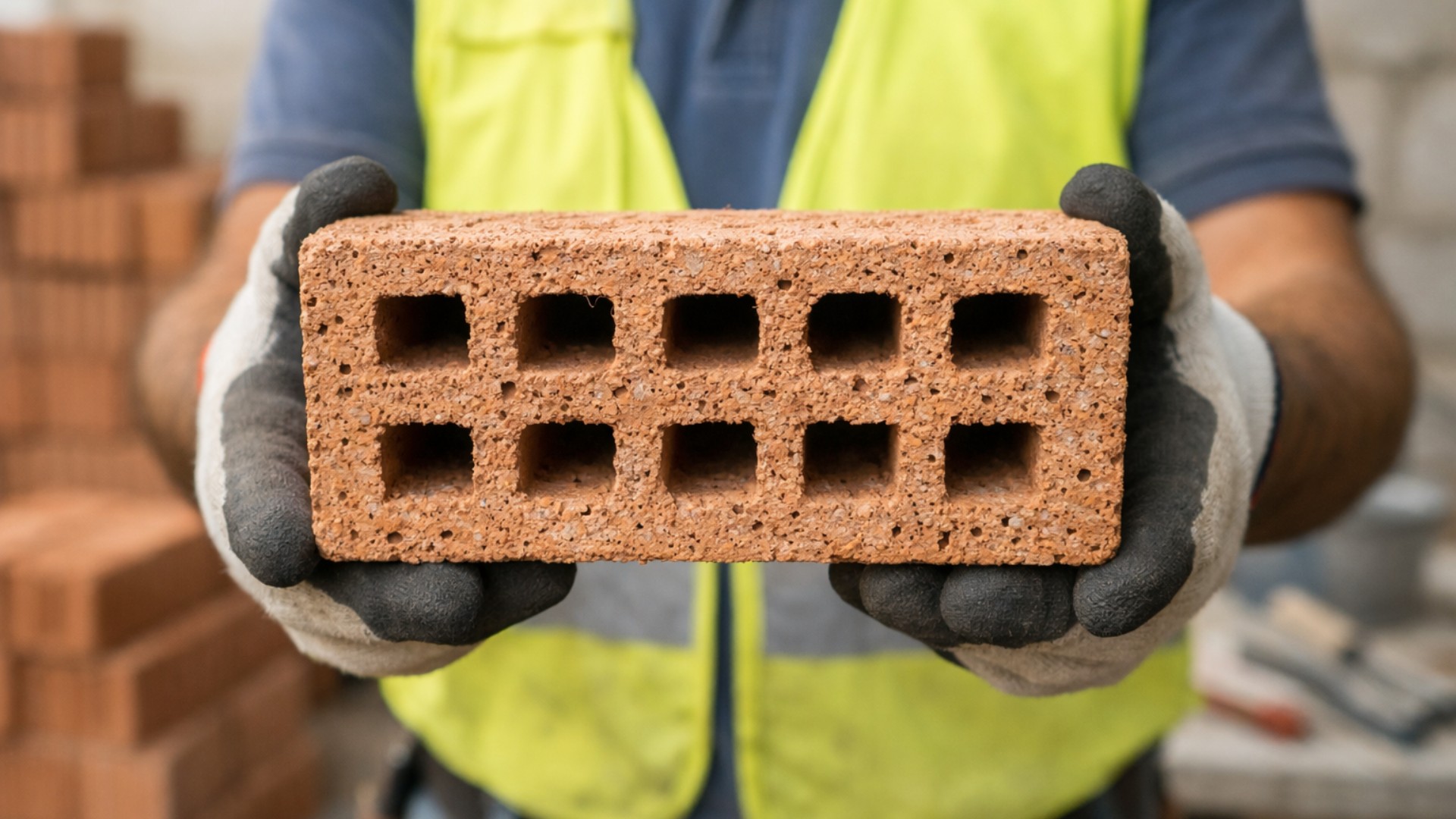
Scientists use sawdust mixed with clay to create a lighter brick, promising efficient thermal insulation and impressing by transforming waste into a solution for construction.
-
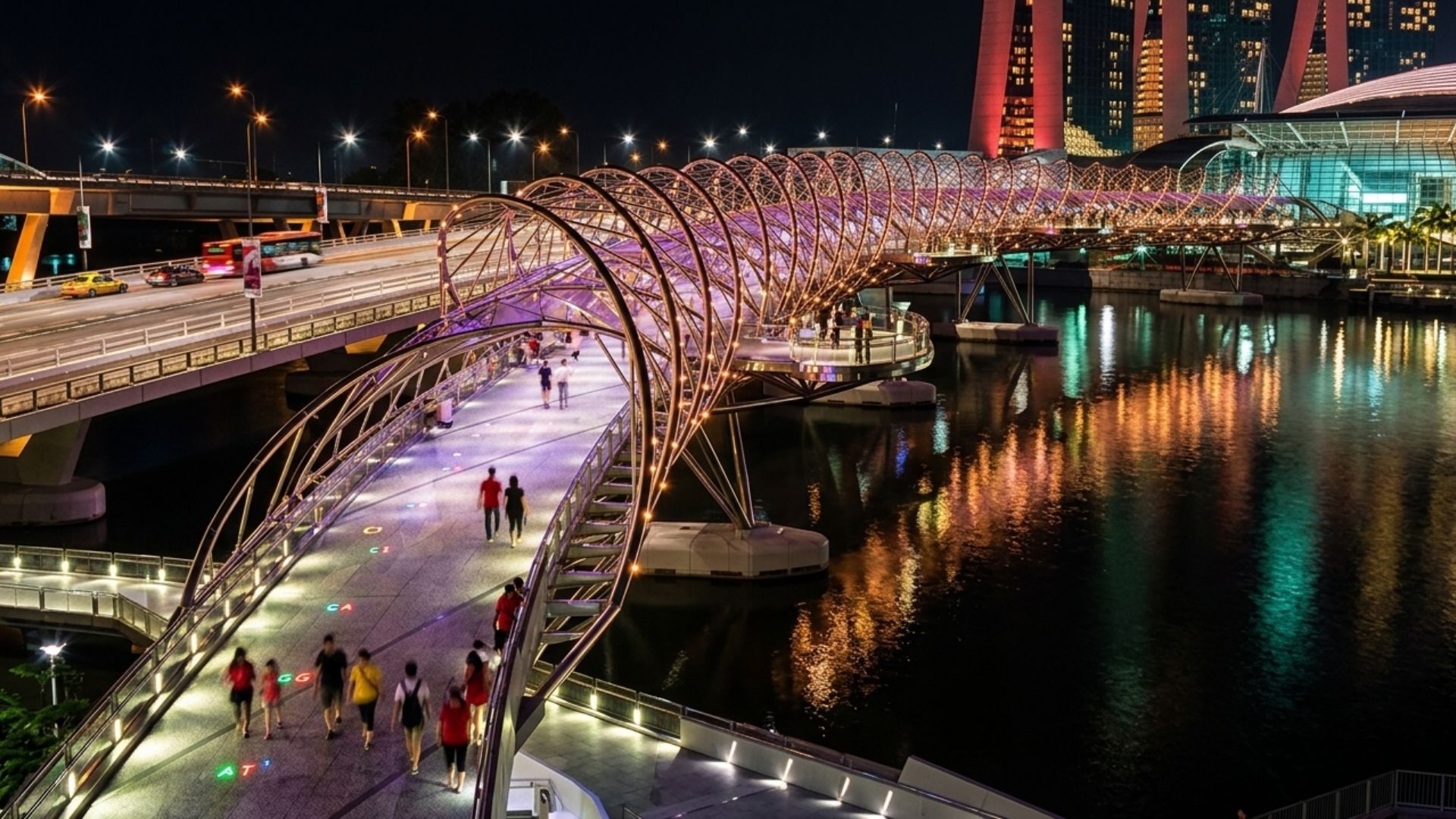
With a DNA shape, this bridge in Singapore draws attention in modern architecture and surprises tourists by transforming a simple crossing into an unforgettable visual experience in the urban heart.
-
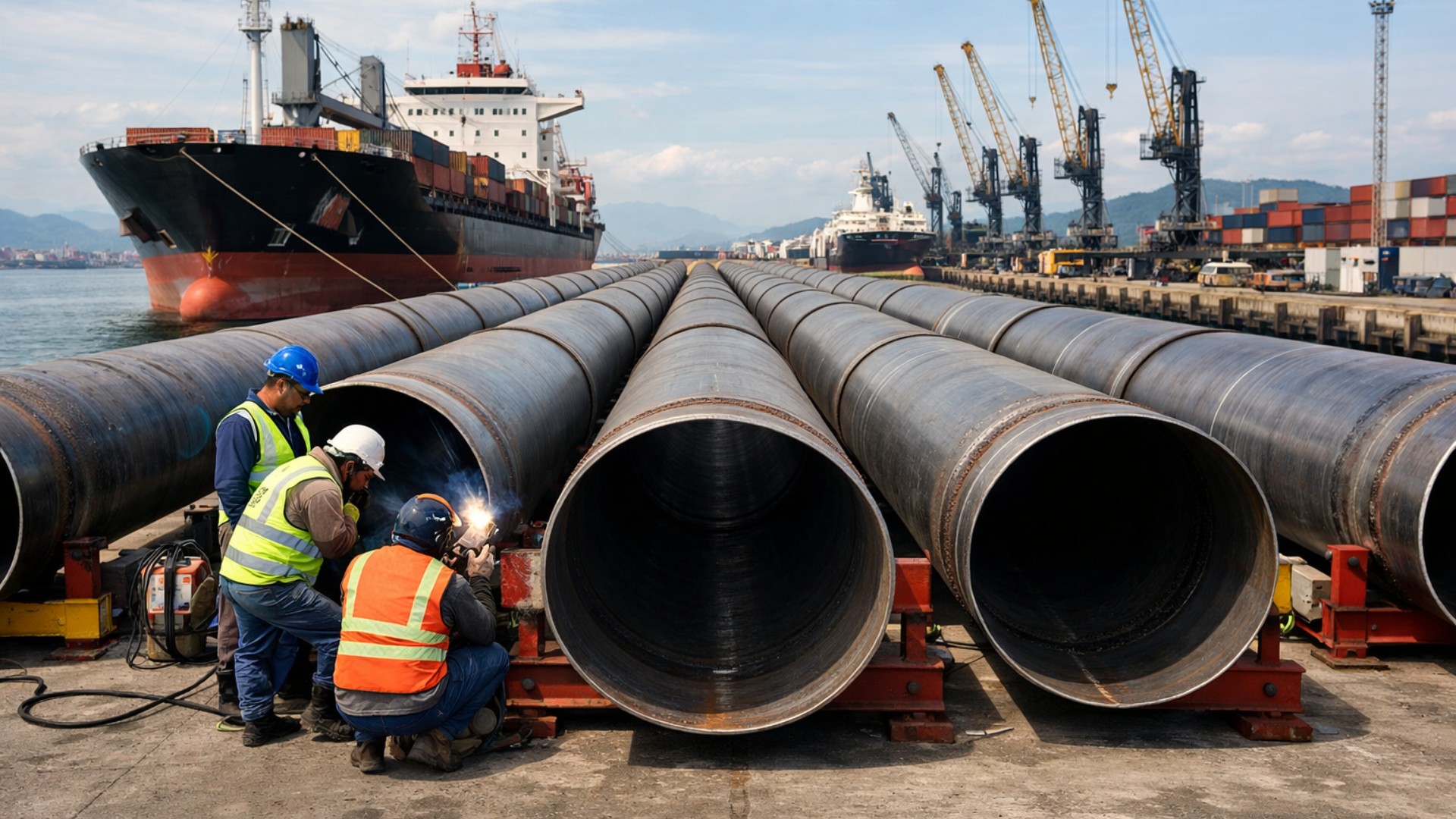
Giant underwater pipeline begins to take shape with a R$ 134.7 million project at the Port of Santos: the 1.7 km structure uses 12-meter and 700 mm pipes to supply water to 450,000 people in Guarujá.
-
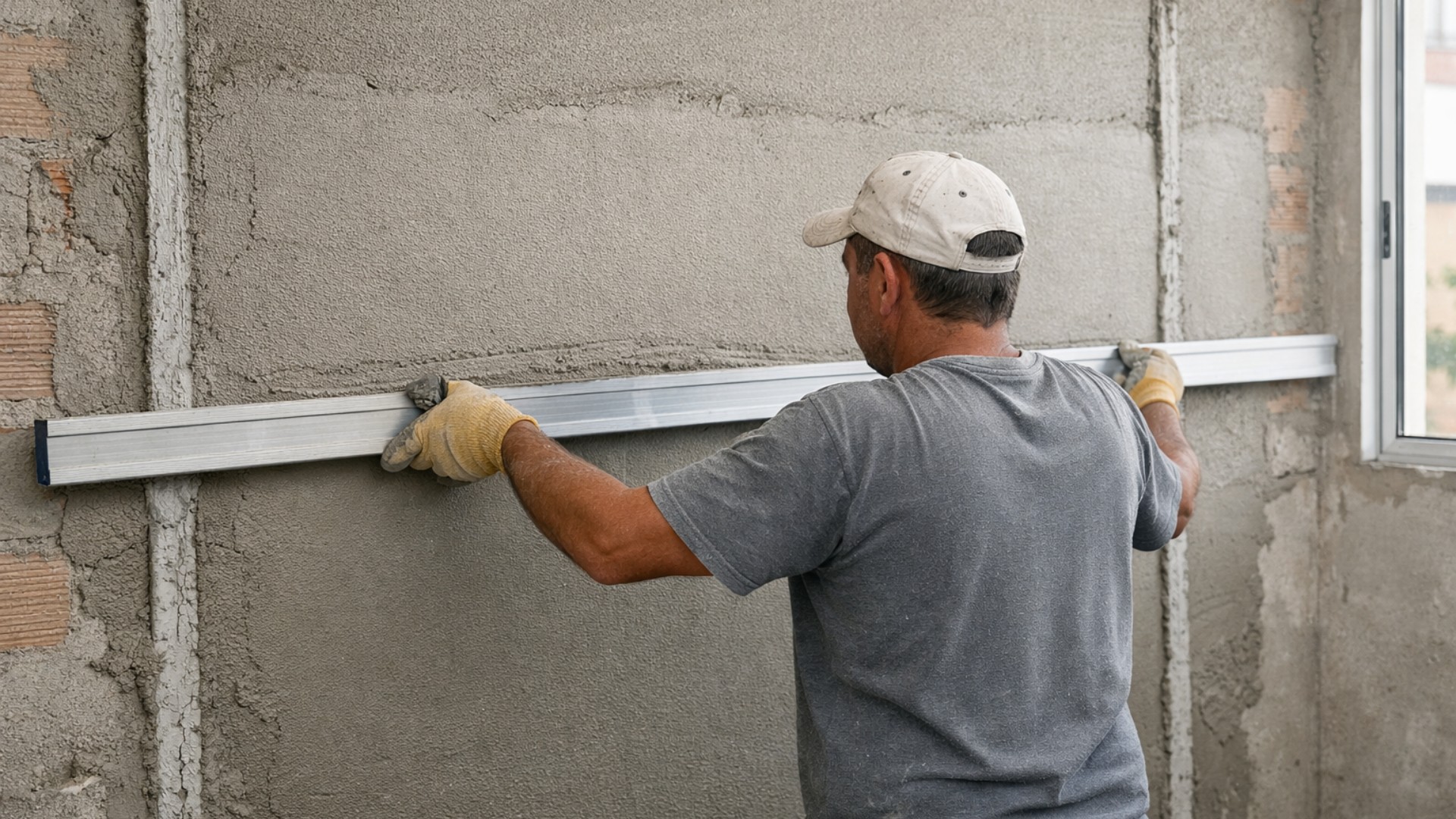
A mason reveals a professional plastering technique that uses aligned guides and a 3-meter ruler to plaster an entire wall in up to 3 hours, without visible seams, with uniform thickness, perfect plumb, and a finish ready for painting without rework.
Everything is to be within five minutes of residents, without the need for cars or roads.
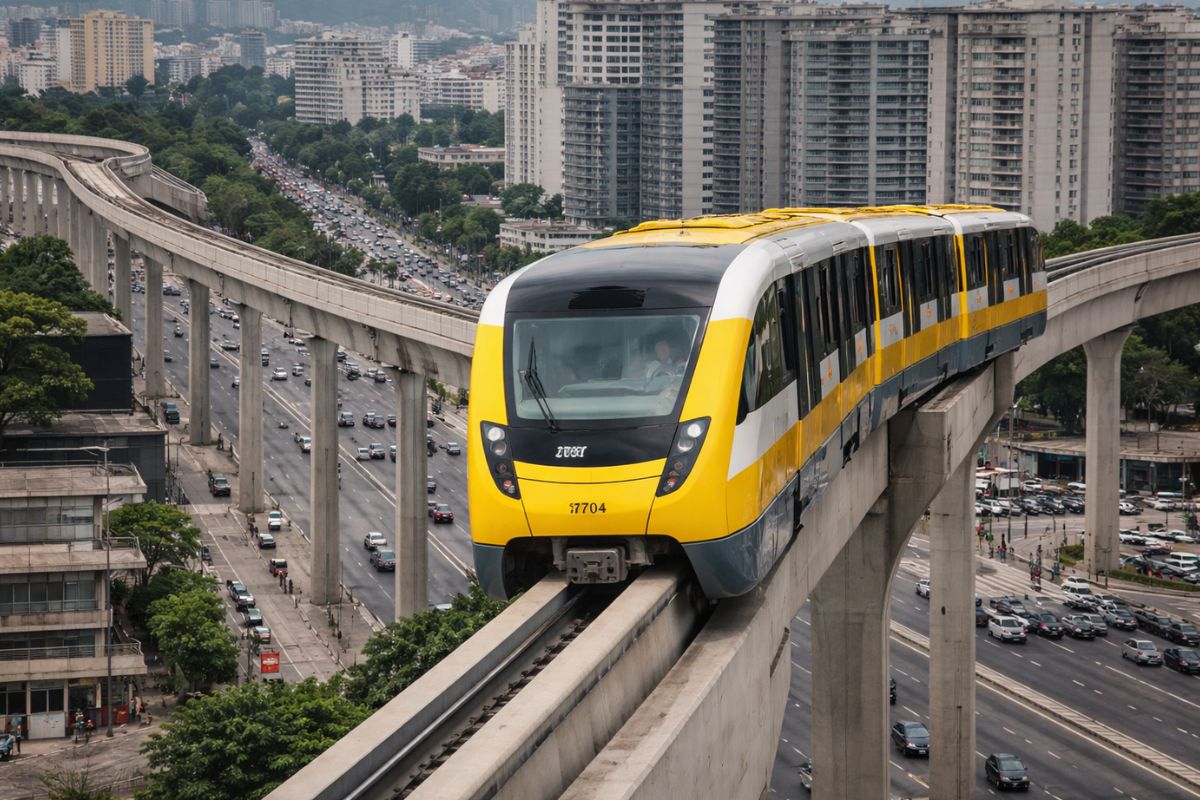
The concept of Zero Gravity Urbanism promises total efficiency. Supermarkets, schools, hospitals, parks, and recreational areas would be integrated with internal mobility corridors and a high-speed train capable of crossing the city in 20 minutes.
Sustainability As A Promise
The Line is born with the goal of being carbon neutral. The energy will come from renewable sources, and the occupation will be only 34 km², preserving 95% of NEOM’s territory.
Furthermore, according to the Saudi government, this configuration reduces the necessary infrastructure by up to 98% compared to conventional cities.
Another highlighted point is the planned urban climate. The proposal includes natural ventilation, calculated shade, and distributed green areas to mitigate the desert heat and make life more comfortable.
Therefore, sustainability is not just an energy promise but also part of environmental design.
Tight Deadlines And Giant Costs
Construction is already underway, but the schedule is bold. First deliveries are expected by 2026, with an expectation of reaching 1 million residents by 2030 and expanding to 9 million by 2045.
The cost is equally impressive: US$ 500 billion, financed by the Saudi sovereign fund and private investors. The project has become a symbol of the country’s attempt to diversify its economy beyond oil.
Between Utopia And Challenge
Despite its grandeur, experts raise doubts. Technical viability, maintenance costs, and social impacts of living in such a controlled environment are critical points.
Additionally, the promise of total autonomy raises questions about privacy and coexistence.
The Line emerges as an urban laboratory on an unprecedented scale. Between the utopia of efficiency and the challenges of real life, the project exposes both futuristic ambition and the contradictions of inhabiting a city at the edge of the possible.
With information from Gazeta de São Paulo.



-

-

2 pessoas reagiram a isso.