





 Portuguese
  English
  Spanish
  4 min of reading
  1 comment


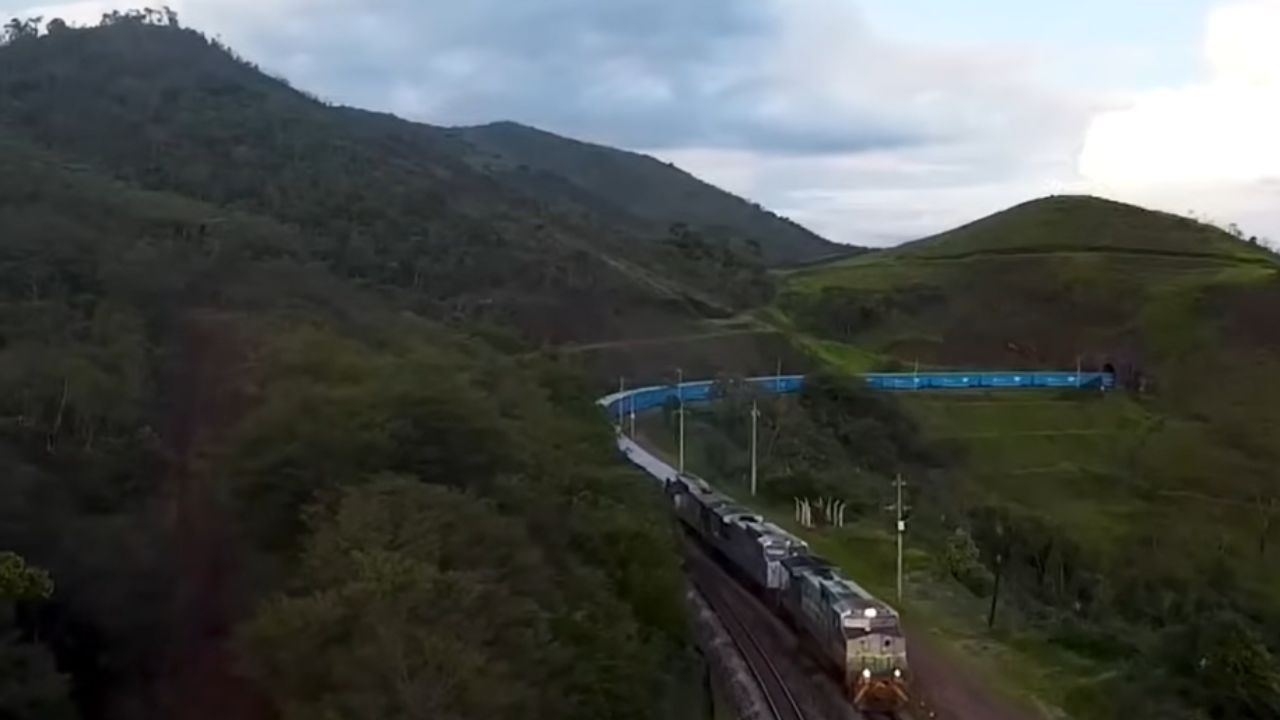

An Ambitious Project Promises to Build a Modern Railway Between Salvador and Feira de Santana, Reducing Travel Time by Half and Transforming the Reality of Millions of Bahians.
Salvador, the first capital of Brazil, and Feira de Santana, an economic giant in the interior of Bahia, are about to connect in a revolutionary way. A project for a new Brazilian train promises to shorten the distance and travel time between the two cities, offering a fast, safe, and sustainable alternative for the thousands of passengers and for cargo transport that currently depend on a congested highway.
The Strategic Connection About to Change
Salvador, founded in 1549, is not only one of the oldest cities in the Americas but also the largest urban center in the Northeast, with over 2.4 million residents. About 100 km away, Feira de Santana stands out as the largest road junction in the North and Northeast, an economic engine for Bahia with over 600,000 inhabitants.
Daily, thousands of people travel the route between the two cities via BR-324, one of the most dangerous and busiest highways in the state. The result is frequent traffic jams and high logistical costs. However, this reality is numbered thanks to a project that promises to revolutionize mobility in the region.
-
Friends have been building a small “town” for 30 years to grow old together, with compact houses, a common area, nature surrounding it, and a collective life project designed for friendship, coexistence, and simplicity.

-
This small town in Germany created its own currency 24 years ago, today it circulates millions per year, is accepted in over 300 stores, and the German government allowed all of this to happen under one condition.

-
Curitiba is shrinking and is expected to lose 97,000 residents by 2050, while inland cities in Paraná such as Sarandi, Araucária, and Toledo are experiencing accelerated growth that is changing the entire state’s map.

-
The lack of welders, electricians, and operators becomes a structural threat in 2025, with the construction industry and manufacturing already suffering from delays, cost pressures, and labor shortages in Brazil.
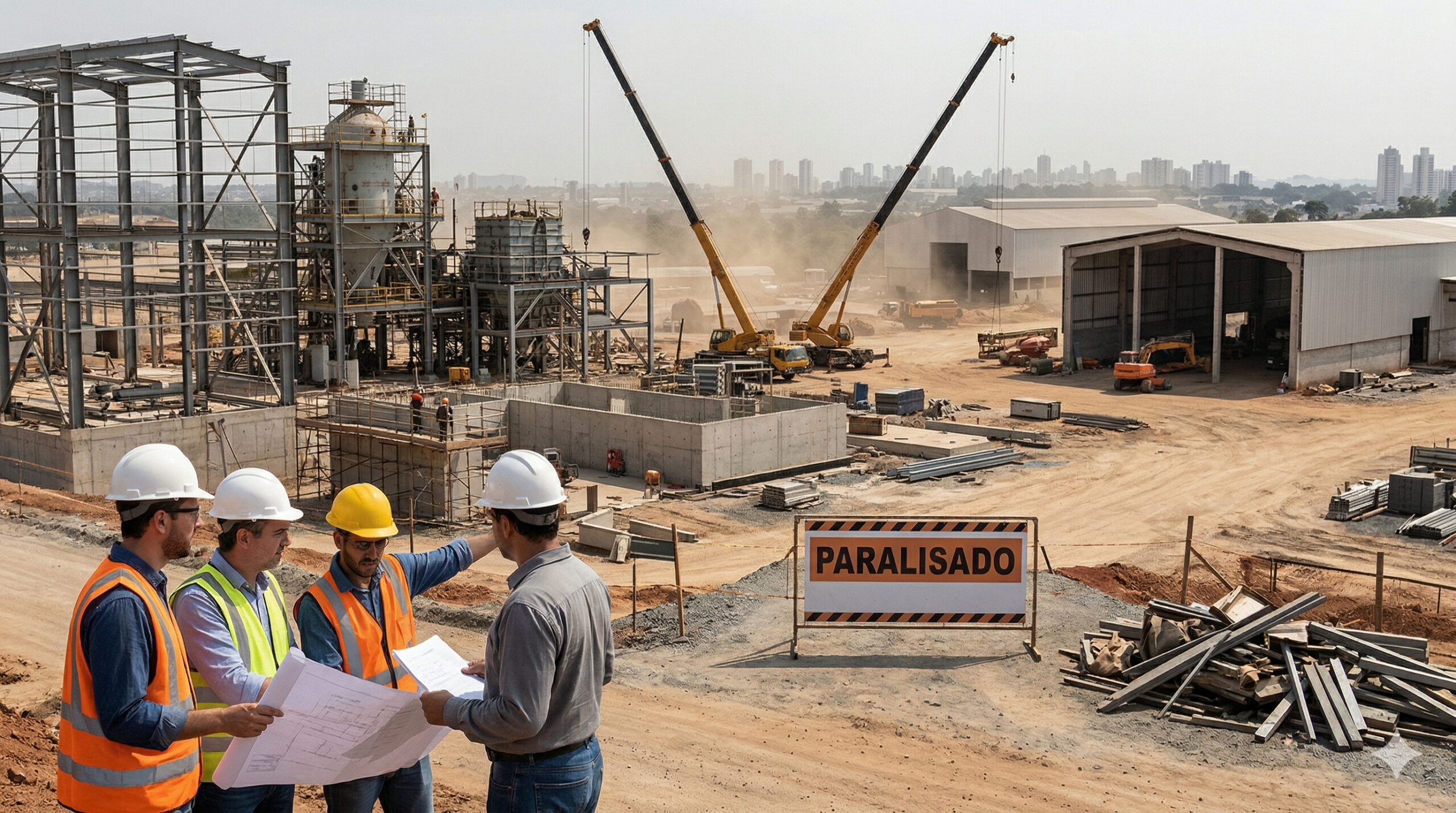
How the New Brazilian Train Will Work
The proposal is to construct a railway approximately 100 km long. The goal is clear: to create an efficient link between the capital and the interior. The layout, still being defined, should pass through strategic municipalities like Simões Filho, Candeias, and Santo Amaro.
The journey, which currently can take up to two hours during peak hours, will be reduced to just 35 minutes. In addition to passengers, the railway will allow mixed traffic, enabling the transport of large volumes of cargo. Industrial products, agricultural goods, and consumer items will be able to circulate more economically and ecologically between Feira de Santana’s logistics hub and the Port of Salvador. This Brazilian train is seen as a true axis of regional development.
From Paper to Reality on the Tracks, the New Brazilian Train
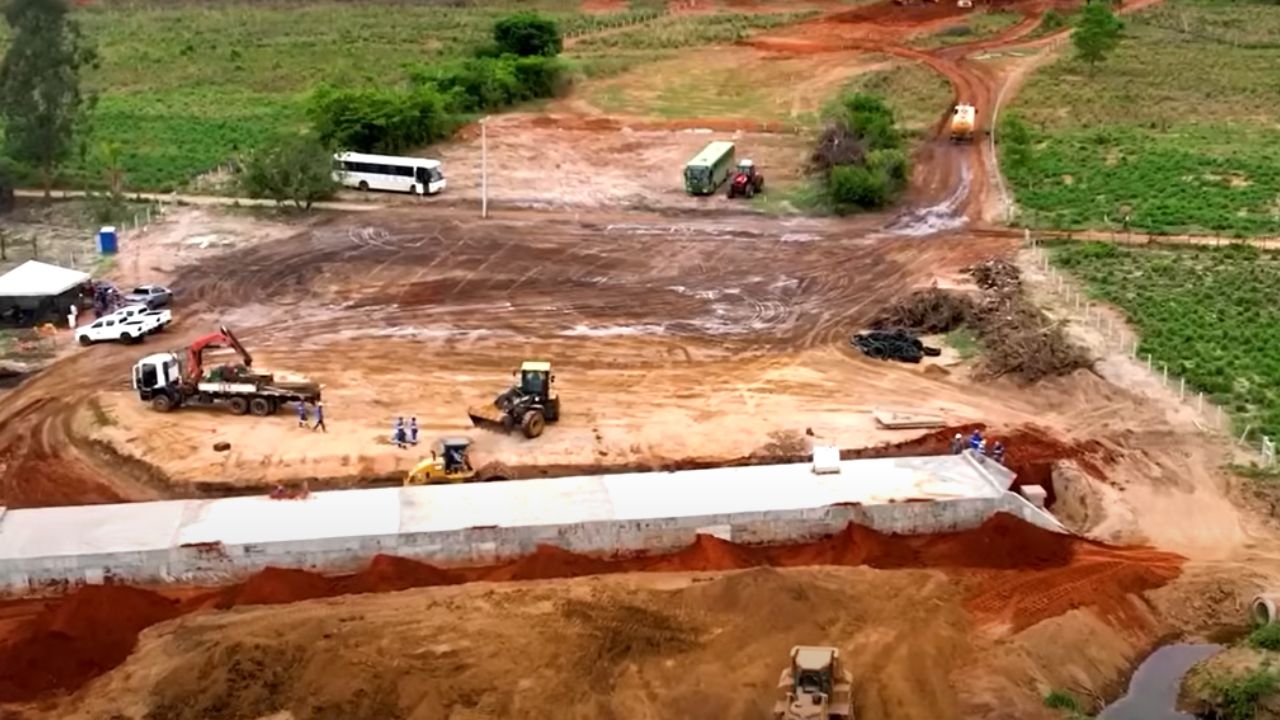
The idea gained momentum in 2023, with interest from CCR Metrô Bahia. In 2024, the project advanced and was taken over by the Federal Government. The company TIC Bahia LTDA filed a concession request with the National Land Transportation Agency (ANTT), enabling construction under a railway authorization model that dispenses with bidding.
The project is still in the initial phase, divided into three major stages:
Technical Study and Definition of the Layout: Currently underway.
Bidding and Feasibility: Includes environmental assessment and financial guarantees.
Construction and Implementation: The expectation is that the works will begin within a 1 to 2-year period, after the ANTT’s approval.
It is important to note that the TIC Bahia request is still undergoing internal review at ANTT.
What to Expect from the New Railway
The anticipated benefits are vast and impact various areas. Economically, construction and operation are expected to generate thousands of direct and indirect jobs, as well as increase property values in cities along the route.
Socially, the transformation in mobility will bring more quality of life to workers and students, reducing the time spent in traffic. Rail transport is also proven to be safer. From an environmental perspective, replacing cars, buses, and trucks with trains significantly contributes to the reduction of CO2 emissions, making transportation more sustainable.
An Example from Bahia for Brazil
The expectation is that the completion of studies and the final authorization from ANTT will occur still in 2025. The success of this project could serve as a model for other states, boosting the resumption of passenger rail transport in the country. There is already discussion about the possibility of expanding the line, connecting Feira de Santana to other important cities.
This Brazilian train is not just an infrastructure project. It represents the revival of the national railway culture, combined with modern technology and a vision for a more sustainable future for mobility in Brazil. What was once a dream is getting closer to becoming reality on the rails.
With information from the Construction Time Channel.








A Bahia, governada pelo PT, vai construir uma ferrovia de primeiro mundo. Gostei da piada. Agora conta aquela do Joãozinho na sala de aula, hahahahahahahahahaha