





 Português
  Inglês
  Espanhol
  3 min de leitura
  0 comentários


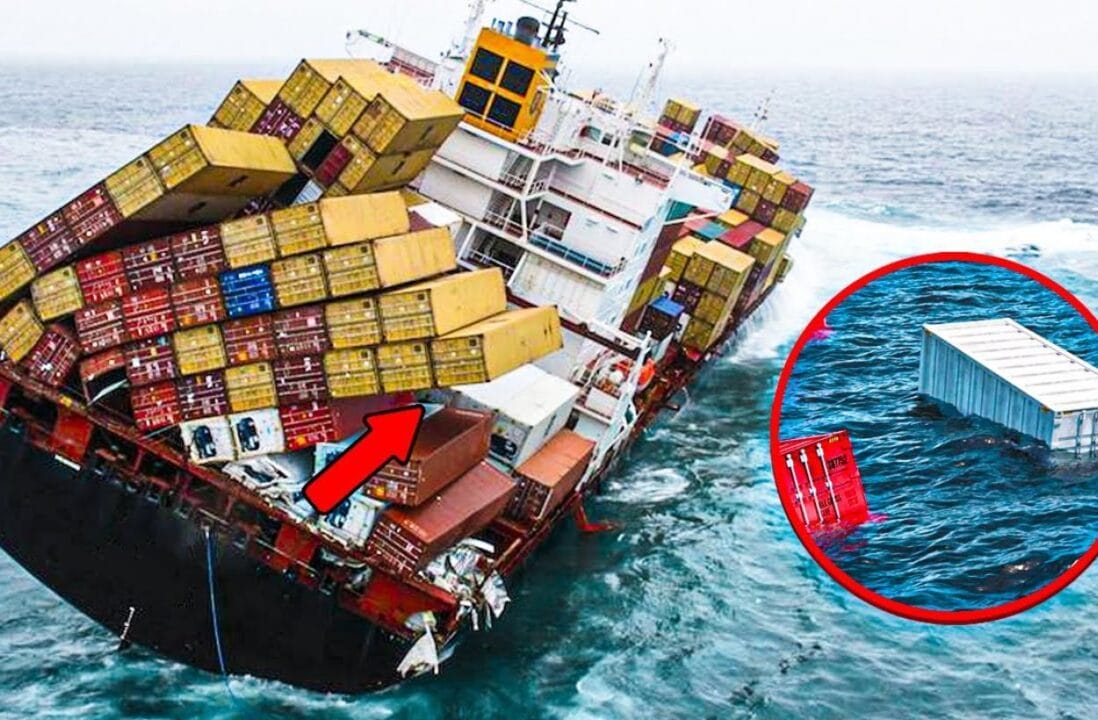
The Phenomenon Of Containers Lost At Sea By Ships Involves Serious Economic And Environmental Consequences, Highlighting The Need For Technological Advancements And Global Strategies For The Prevention Of Incidents In Maritime Transport, Responsible For 80% Of World Trade.
In the world of maritime transport, responsible for moving 80% of global trade, ships play a vital role. It is in the belly of these gigantic vessels that containers loaded with various goods essential for global supply are housed. But what happens when these containers, comparable in size to a three-axle trailer, become detached and fall into the ocean waters?
Modern container ships, with capacities reaching the impressive mark of 24,000 TEUs (Twenty-foot Equivalent Units), represent the evolution of the old flat-bottom vessels used on rivers, now facing the challenges of open seas. The occurrence of containers lost at sea, although rare, carries significant consequences not only for shipping companies and cargo owners but also for the marine environment.
More Than 1,300 Containers Fall From Ships At Sea Annually
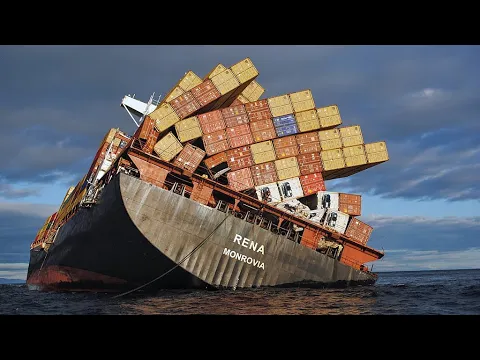

It is estimated that approximately 1,300 containers are lost at sea annually. This phenomenon not only represents a considerable financial loss due to the high recovery costs but also poses environmental risks. The sinking of these containers can damage sensitive ecosystems, such as coral reefs, and potentially release toxic substances into the marine habitat.
-
São Paulo surprises the world with a colossal railway network project that promises over 1,000 km of tracks, R$ 194 billion in investments, and 40 projects connecting the capital to the interior with fast and sustainable trains.
-
The world’s largest escalator, measuring 905 meters in China, reduces urban travel time from 1 hour to about 20 minutes and transforms mobility in mountainous regions with an engineering solution adapted to the terrain.

-
A R$ 300 million logistics giant is taking shape in Serra with over 100,000 m² and raises a question: how can this transform e-commerce and distribution in the state?
-
Could Uber Rides Lose Minimum Fare? Understand What’s Happening!


The increasing frequency of lost containers has driven the development of a specialized industry for their recovery. In Australia, for example, companies use ships equipped with advanced technology to locate and rescue these containers from the seabed. The process involves the use of submersibles and underwater robots to attach the containers to lifting devices, allowing for safe removal.
But Why Do Containers Fall?
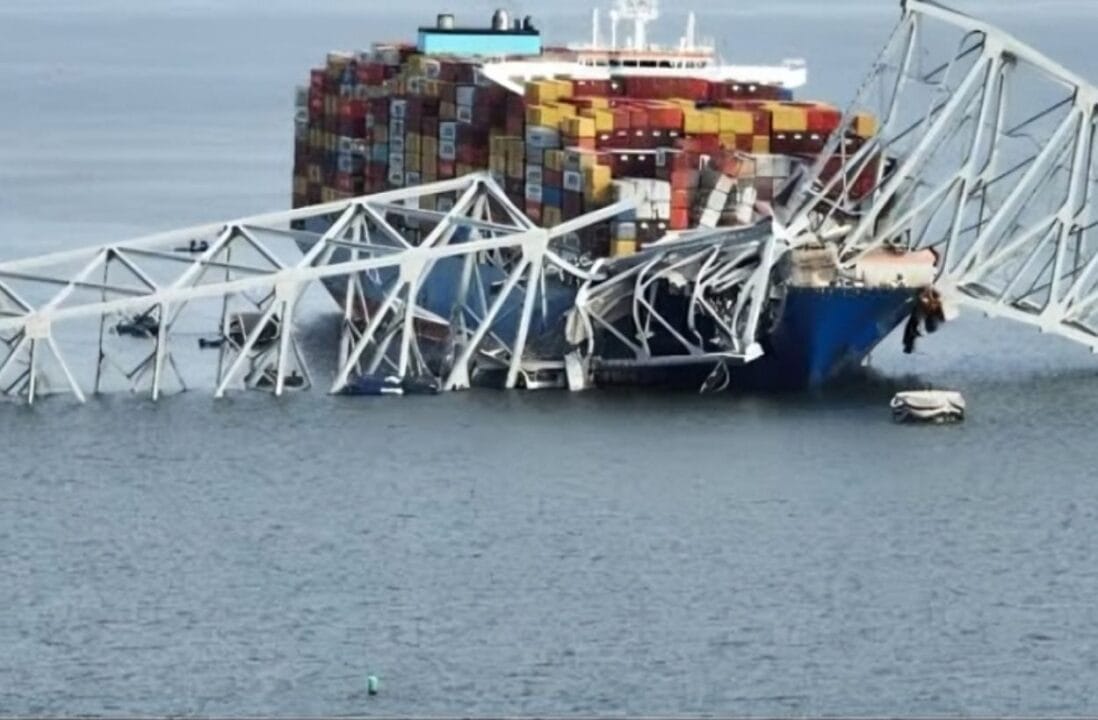
In addition to recovery initiatives, there is an ongoing effort to understand the causes that lead to containers falling from ships and, consequently, to avoid such incidents. Institutions like the Maritime Research Institute of the Netherlands are at the forefront of this investigation, employing computer simulations and scaled models to analyze conditions that favor the loss of containers.
The results of these studies indicate that, in addition to adverse weather conditions, the mechanics of securing containers on container ships can be a critical factor. The hook systems commonly used can become vulnerable to the vibrations and stresses caused by the ship’s movement, leading to the eventual detachment of the containers.
Commitment Of Shipping Companies
In the United States, the Coast Guard plays a crucial role in preventing these incidents, monitoring and inspecting ships to ensure navigation safety and cargo integrity. International collaboration and the commitment of shipping companies to improve their practices are essential for reducing container loss and, by extension, protecting marine ecosystems.
Ultimately, the issue of containers lost at sea is multifaceted, involving economic, logistical, and environmental aspects. Advancements in recovery techniques and research to enhance safety in maritime transport are vital steps to mitigate this problem and ensure the sustainability of global maritime operations.









-

Uma pessoa reagiu a isso.