Portuguese
  Spanish


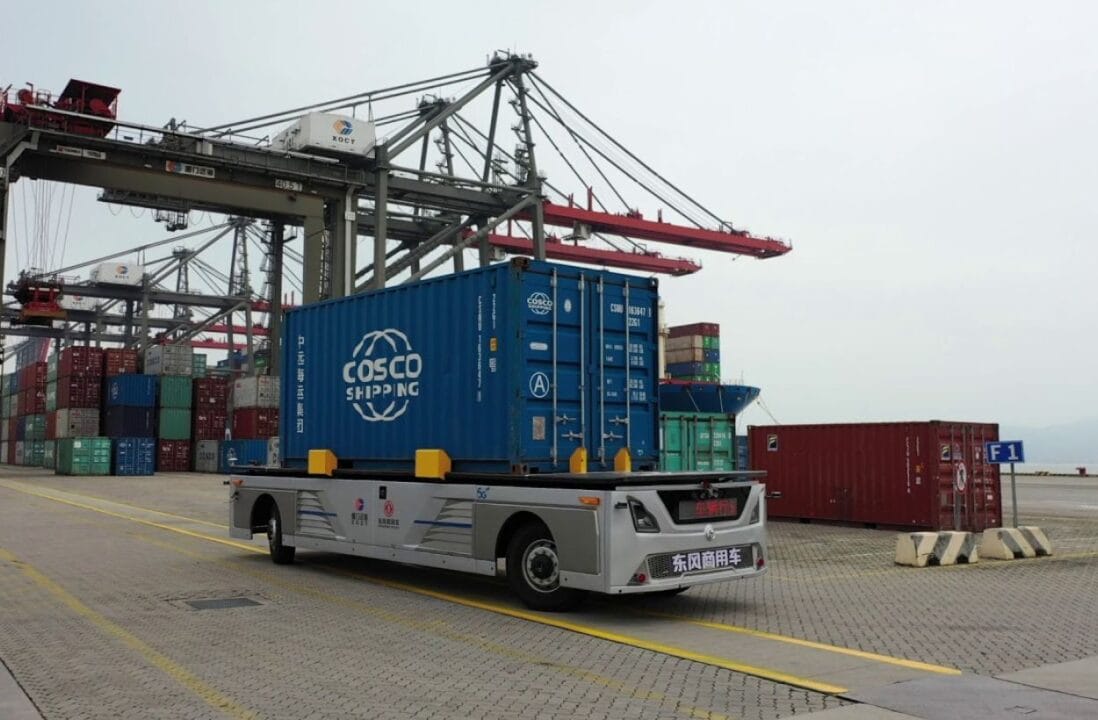


In The Ports Of Rotterdam, Europe, And Tianjin, China, Cabless Autonomous Trucks Lead A Technological Revolution Driven By Artificial Intelligence And 5G, Reducing Operational Costs And Increasing Efficiency.
At The Heart Of The Port Of Rotterdam, The Largest In Europe, An Innovation Draws Attention: Cabless Trucks. These Vehicles, Fully Autonomous And Controlled By Artificial Intelligence, Represent The Future Of Port Logistics, But On The Other Hand, They Significantly Reduce Jobs For Drivers And Operators. Similarly, At The Port Of Tianjin, China, Huawei Has Been Implementing Technologies That Enable The Operation Of 76 Autonomous Robots, Managed By A Network Of 12 5G Towers.
This Automation Has Drastically Reduced The Need For Human Operators, With An Autonomous Terminal Requiring Only 200 Workers, Compared To 800 To 1000 In Conventional Terminals. Operational Efficiency Has Also Seen A Significant Jump, With Autonomous Terminals Handling 36 Containers Per Hour, Compared To 28 To 30 In Conventional Ones.
Cabless Trucks Help With Sustainability Obligations

In Addition To Saving On Labor Costs, Port Automation, Supported By Electric Vehicles That Recharge Automatically, Improves Sustainability. However, Challenges Arise, Such As Balancing Battery Recharge Frequency To Optimize Lifespan Without Compromising Operations.
-
Scientists Convert Food Waste into Aviation Fuel, Successfully Test 50% Blend with Conventional Kerosene to Cut Emissions and Promote Sustainable Flights

-
France Revamps 530 Social Housing Units with Large Balconies and Glass Facades Without Demolishing Existing Buildings

-
OnePlus N6 Smartphone to Launch in India with 8,000mAh Battery and 45W SuperVOOC Charging, Lasting Up to Three Days
-
Scientists Plan to Release Air Bubbles Underwater to Protect Antarctica’s “Doomsday Glacier” from Melting





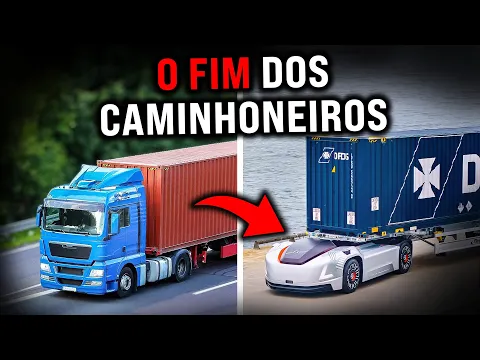
The Automation Trend Is Not Limited To Europe And Asia. In The United States, Although Behind In The Race For Port Automation, Projects Like Volvo’s With Cabless Autonomous Trucks Are Under Development, Aiming For Efficient Operations On Predefined Routes.
This Transformation In Global Ports Not Only Increases Competitiveness And Efficiency But Also Sparks Debates About The Future Of The Workforce. With Automation Threatening Traditional Jobs, The Reskilling And Adaptation Of Workers Becomes An Urgent Necessity.
Beyond Ports, Cabless Trucks Are Being Explored In Other Areas
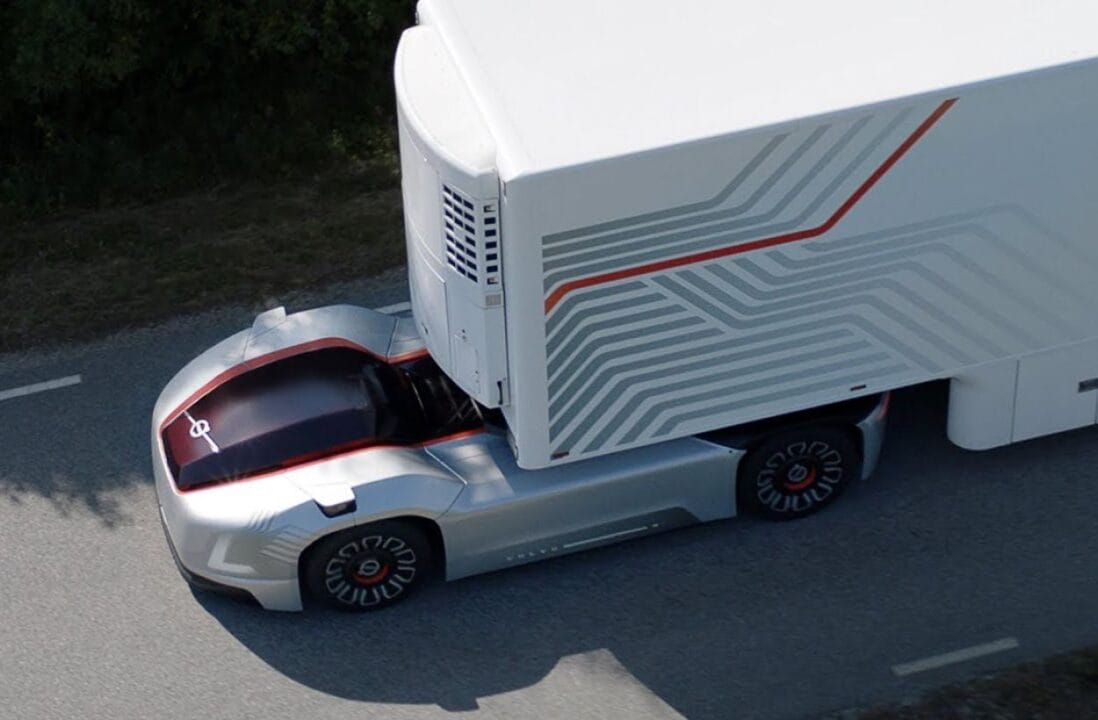
Cabless Trucks Are Revolutionizing Not Only The Port Sector But Also Expanding Into Various Areas Where Efficiency And Safety Are Paramount. For Example, In Logistics And Distribution, Volvo Is At The Forefront With Its Project In Partnership With DFDS. This Autonomous Truck Is Designed To Operate At Low Speeds, Around 40 Km/h, On Predefined Routes, Connecting Distribution Centers To Ports Like Gothenburg In Sweden. These Trucks Are Ideal For Repetitive Tasks Over Short Distances, Where They Need To Deliver Large Volumes Of Cargo With Precision.
In The Industrial Sector, The Swedish Company Einride Stands Out With Its Electric And Autonomous Truck, The Einride Pod. This Vehicle Operates On A Half-Kilometer Route Between A Factory And A General Electric Warehouse In The USA, Completely Within The Company’s Yard, Demonstrating The Viability Of Cabless Trucks In Controlled Industrial Environments.
Despite So Much Progress, Many Jobs Will Be Lost
The Growing Adoption Of Cabless Autonomous Trucks, While Promoting Efficiency And Safety, Brings With It A Significant Concern Of Unemployment. The Most Noticeable Impact Is Felt In The Transport Sector, Where Automation Can Replace Jobs Traditionally Held By Drivers. In The United States, It Is Estimated That Up To 500,000 Driver Jobs Could Be Affected By Automation In The Coming Years.
The Situation In Brazil Also Reflects A Similar Concern. With 65.5% Of Truck Drivers Lacking A Complete High School Education And Only 4.5% With Higher Education, The Transition To Other Forms Of Employment Becomes A Substantial Challenge. Automation Affects Not Only Drivers But Also Other Professionals Involved In Logistics And Port Operations, From Loading To Maintenance And Supervision Of Autonomous Vehicles.