





 Portuguese
  English
  Spanish
  4 min of reading
  0 comments



VARIG: From National Pride to Billion-Dollar Collapse. Understand How the Brazilian Airline Giant Lost Altitude Until It Disappeared from the Skies.
For decades, VARIG was much more than an airline:
it was a symbol of national pride, synonymous with prestige, innovation, and excellence in service.
With routes from São Paulo to Tokyo and from Porto Alegre to New York, the company won hearts and minds both at home and abroad.
However, behind the shine of the airplanes and the glamour of the bilingual flight attendants,
a series of political decisions, mismanagement, accumulated debts, and an increasingly competitive market culminated in the collapse of one of the most beloved companies in Brazilian history.
-
These living root bridges and ladders are over 700 years old and help indigenous people survive in one of the rainiest regions in the world.

-
From sertanejo star to international investor: Ana Castela invests millions in a mansion in the USA, creates a themed accommodation in Orlando, and shows that the “boiadeira” also wants to grow away from the stage.

-
The 10 most stunning motorhomes in the world: a $3 million trailer with a rooftop nightclub and garage for a Ferrari, “palaces on wheels” with Italian marble, private cinema, and five-star hotel luxury for billionaires.
-
Trump wanted to spend $400 million on the White House, but the courts prohibited the million-dollar construction.


VARIG was once the largest airline in Latin America, with operations in over 40 countries and a cutting-edge fleet.
Its name was associated with trust, punctuality, and the best in-flight service Brazil has ever had.
But after all, what happened to VARIG?
How did such a powerful company lose altitude and fall so dramatically?
VARIG: Founded in Southern Brazil with a German Soul
The history of VARIG begins in 1927, when
Otto Ernst Meyer, a visionary businessman of German descent, created Viação Aérea Rio-Grandense (VARIG), with technical support from Lufthansa.
The headquarters were in Porto Alegre, in Rio Grande do Sul, and the first flight was conducted with a Dornier Wal seaplane, connecting Porto Alegre to Rio Grande.
At the time, air transportation was reserved for the elite and considered extremely innovative.
In the following decades,
the company grew with government support and began to incorporate other smaller airlines, such as Real Aerovias and Cruzeiro do Sul.
This consolidated VARIG’s position as a de facto monopoly in Brazilian aviation, especially between the 1960s and 1980s.
The Height of Excellence: International Standards and Historic Flights
Between the 70s and 90s, flying with VARIG was a luxury reserved for few and admired by many.
The company operated flights to major world capitals, including Paris, London, New York, Frankfurt, Los Angeles, and Tokyo.
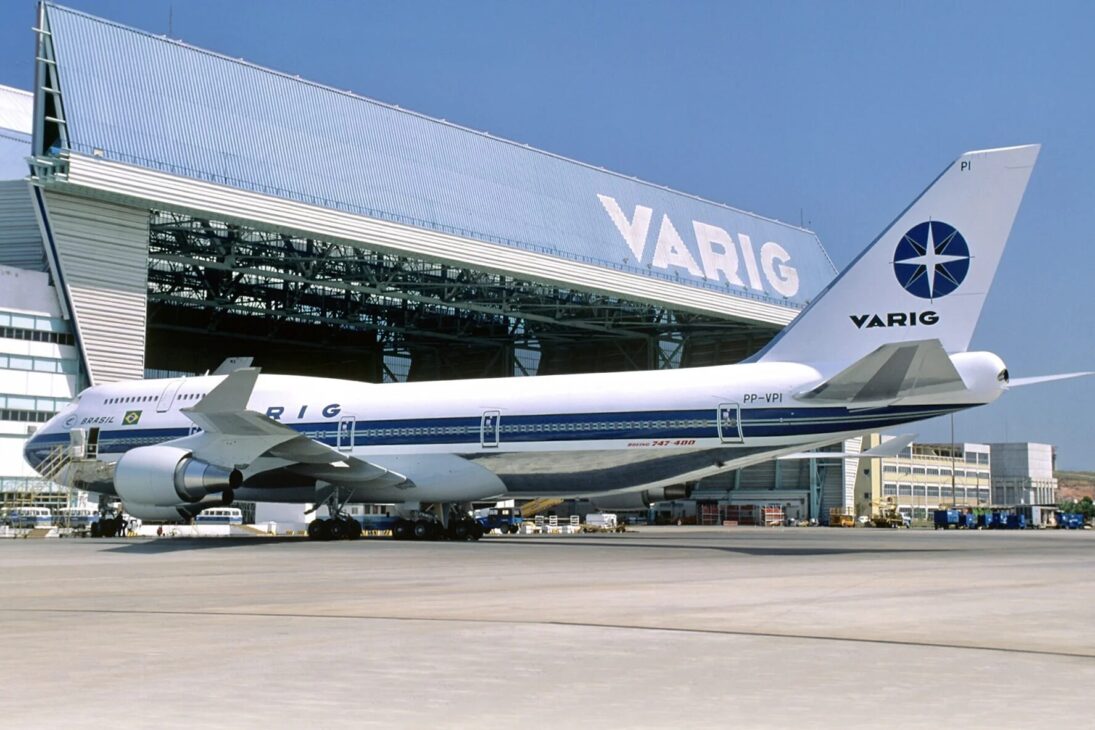
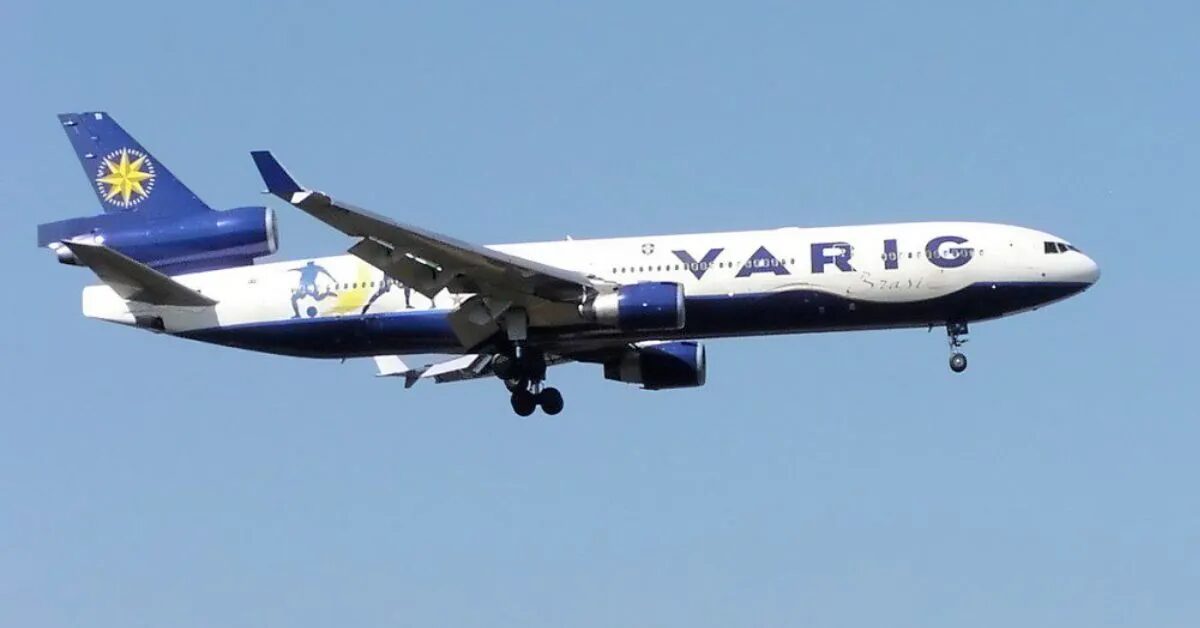
Its modern aircraft, such as the Boeing 747 and the DC-10, impressed with comfort and technology.
The service was considered one of the best in the world, with flight attendants who spoke multiple languages, menus signed by chefs, and high-standard amenities.
The VARIG experience went far beyond transportation — it was synonymous with status and sophistication.
The Brazilian government’s support was constant, as
the company was seen as an instrument of foreign policy, elegantly bringing Brazil’s image to the world.
But this relationship, although useful in the past, ultimately became a burden in the future.

Turbulence Begins: Competition, Debts, and Mismanagement
With the opening of the Brazilian air market in the 1990s,
VARIG lost the exclusivity of routes and began to face direct competition from leaner and more efficient companies, such as TAM, VASP, and later, Gol.
VARIG’s structure was heavy, with many employees, costly labor benefits, and centralized management by the Ruben Berta Foundation, which was not agile enough to make strategic decisions.
The company bore billion-dollar liabilities, accumulated over decades, and a proprietary pension system that drained resources from operations.
Even with the increase in demand for flights in Brazil,
VARIG could not keep up with technological changes and new consumer habits.
While Gol and TAM invested in cheaper tickets and online sales technology, VARIG was still operating with outdated and uncompetitive practices.
The Announced Collapse: A Traumatic Bankruptcy
In the early 2000s, VARIG’s financial situation was unsustainable.
The company’s debt exceeded R$ 8 billion, and its planes began to be held at international airports due to non-payment of leasing and maintenance.
In 2006,
after a long and unsuccessful attempt at judicial recovery, part of VARIG’s operations was auctioned off and acquired by Gol Linhas Aéreas for R$ 320 million.
The company tried to use the VARIG name temporarily in some campaigns, but in 2010, the brand was permanently retired.
Thousands of employees were dismissed without receiving their rights, and creditors faced a long legal battle.
For many former employees, VARIG represented a second home, and the abrupt end left deep emotional scars.
The Memory That Remains Alive
Although VARIG has ceased to exist as a company,
its memory still lives on among aviation enthusiasts, historians, and former employees.
There are private museums, social media groups, and even campaigns by former workers seeking compensation.
The story of VARIG also serves as a warning about the risks of poor business management, dependence on the state, and the lack of innovation in constantly changing markets.
Today, the VARIG brand no longer exists in the skies, but
it remains in the collective memory as one of the most remarkable Brazilian companies of all time,
an example of what Brazil was once capable of creating — and also of what it needs to learn to avoid repeating the same mistakes.
And you, have you flown with VARIG or know someone who worked at the company? What memories or stories do you hold of this Brazilian sky giant? Share with us in the comments!







-

Uma pessoa reagiu a isso.