





 Portuguese
  English
  Spanish
  5 min of reading
  98 comments


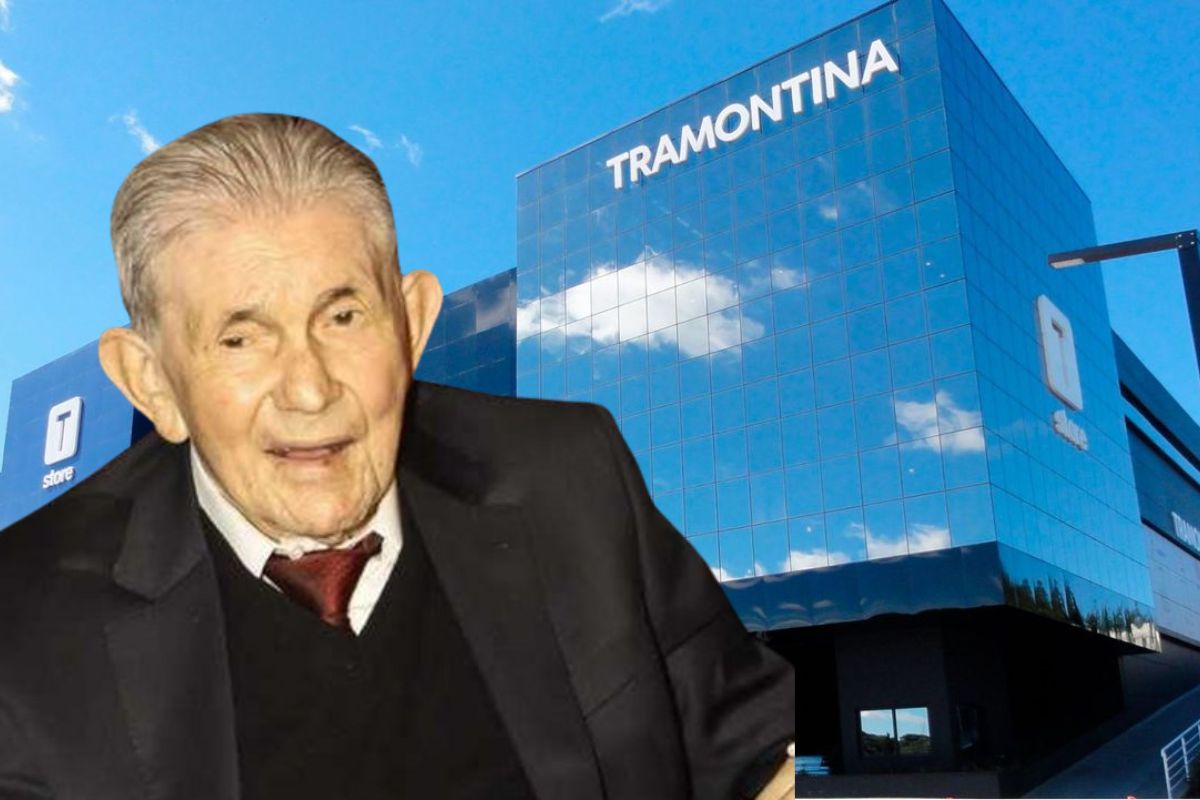


From A Small Forge In The Gaucho Interior To A Multinational Present In 120 Countries: The Century-Old Story Of Overcoming, Innovation, And Success Of Tramontina.
Tramontina is a true national pride. The brand is famous for its knives, cutlery, and cookware. The company, which is now a century old, started as a small forge. It was founded in the interior of Rio Grande do Sul. Today, it is a multinational with a presence in over 120 countries. Its story began in 1911 with Valentin Tramontina and his wife, Elisa De Cecco. The journey was marked by challenges, family overcoming, and constant growth.
The Forge Of Valentin Tramontina In Carlos Barbosa

Valentin Tramontina was born in 1893 in Bento Gonçalves (RS). He was the son of Italian immigrants who arrived in Brazil in 1885. He learned the trade of tinsmith and later of blacksmith. In 1910, he bought tools from a cousin in Carlos Barbosa. The following year, 1911, he opened his own forge in the city. The timing was opportune as the arrival of a railway line boosted the local economy. Initially, Valentin, his brother Luiz, and one employee manufactured horseshoes. They also carried out small repairs for other industries.
In 1920, Valentin married Elisa. The couple had three children: Henrique, Nilo, and Ivo. The small workshop faced difficulties when its main client moved away. The solution came with the production of pocket knives, learned from a cousin of Elisa. The work was artisanal but became the company’s flagship product. Around 1930, Valentin took advantage of a fire at a cutlery company in Porto Alegre. He offered to repair damaged knives. With that, he learned about new models and began to focus on knife production. The forge prospered again.
-
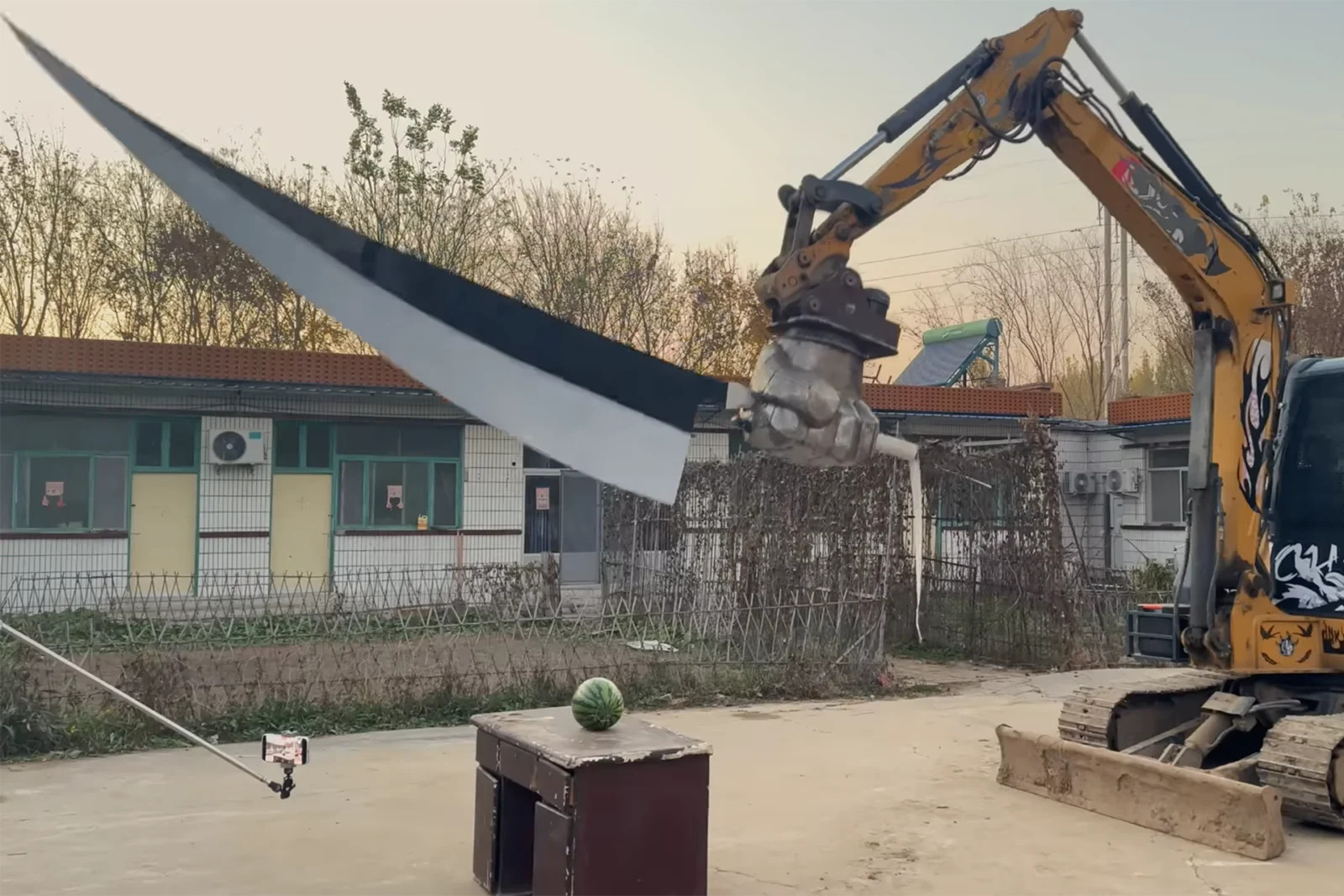
YouTuber creates an excavator equipped with a giant 4.5-meter sword to challenge his brother to a rematch, and the invention quickly goes viral on social media.
-
The U.S. Army surprises the world by presenting the UH-60MX Black Hawk helicopter capable of flying without pilots, controlled by a tablet, featuring the MATRIX system, smart sensors, and full autonomy in real combat and rescue missions.

-
Heineken’s factory in Brazil produces 300 million beer cans in just 4 months, reaches 1 million hectoliters, received R$ 2.5 billion, and is already projecting an annual capacity of 5 million with sustainable technology.

-
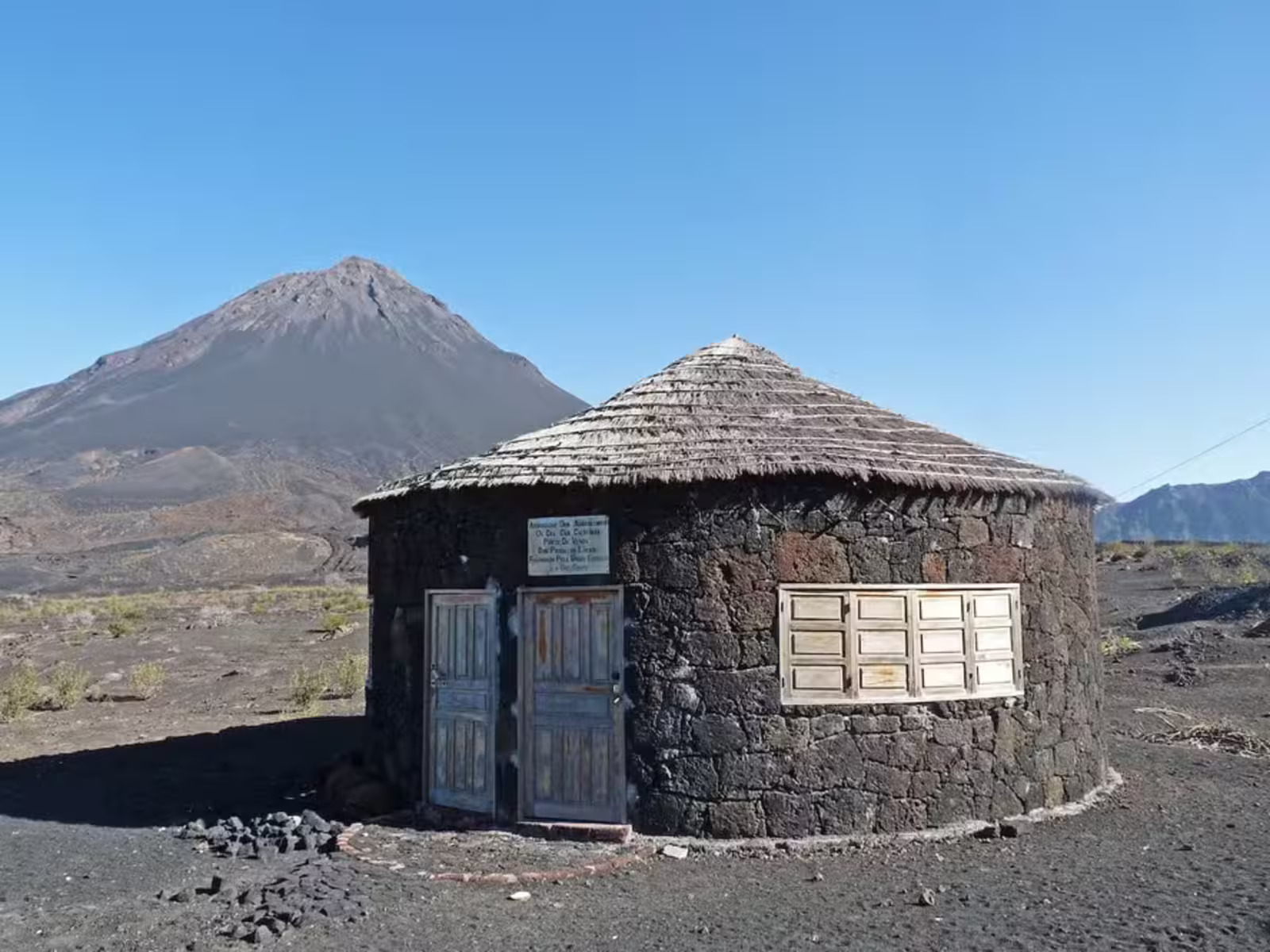
Inside an active volcano in Africa, residents use volcanic rocks to build houses in an impressive setting.

The Strength Of Elisa
Prosperity was interrupted by family tragedies. The eldest son, Henrique, died at the age of 9. Valentin Tramontina was deeply affected, and his health deteriorated. He passed away in 1939 at the age of 46. The following year, in 1940, the second son, Nilo, also died, at the age of 17. Elisa was left alone with her youngest son, Ivo, who was 14 years old.
She thought of closing the forge but decided to continue the business. She began to work hard in the workshop. To maintain her 13 loyal employees, she divided a lot of land into plots and gave one to each of them. Elisa traveled alone by train to Porto Alegre. She sold knives and pocket knives door-to-door to manage to pay the employees.
Ivo Tramontina And Ruy Comazzon Take Over
While Elisa traveled, her son Ivo took over the factory’s leadership. The two formed a duo: Ivo managed production while Elisa focused on sales. However, the lack of administrative structure became evident. A tax inspector approached Elisa, who was unaware of tax regulations. They realized they needed help in management.
Elisa asked a friend, Ana Comazzon, for her son Ruy to work at Tramontina. Ruy Comazzon graduated in Economics. Initially, he helped with accounting in his spare time. Soon, he and Ivo began to plan the company’s reorganization. Ruy decided to leave his family’s business to dedicate himself fully to Tramontina, motivated by his affinity with Ivo.
YOU MIGHT LIKE: With 100 Thousand Cattle And 62 Airplanes: How Wagner Canhedo Went From Absolute Pinnacle To Financial Ruin?
In 1954, the company was registered as Viúva Valentim Tramontina & Cia Ltda. It became Tramontina Cutlery, and Ruy became a partner. After Elisa’s death in 1961, Ivo (36 years) and Ruy (33 years) took over the leadership definitively. Ivo focused on production on the shop floor. Ruy managed the administrative and financial areas.
New Factories, New Products
Under the leadership of Ivo Tramontina and Ruy, Tramontina expanded and diversified. In 1959, they opened Forjasul in Porto Alegre (later Canoas) for forged parts. In 1963, they inaugurated a tool factory in Garibaldi. The first export (knives to Chile) occurred in 1969.
In 1971, they began producing cutlery in Farroupilha after receiving excess stainless steel from Japan. New factories emerged: electrical materials (1976) and agricultural and gardening equipment (1982). They adopted a decentralized management model, with each factory having its own goals.
The Era Of Clóvis Tramontina
Clóvis Tramontina, son of Ivo Tramontina, joined the company in 1980 after graduating in Administration. He stood out in the commercial area. He took bold measures, such as selling directly to the end consumer. He managed to insert Tramontina into major retail chains like Mappin and Pão de Açúcar. He frequently accepted orders larger than the immediate production capacity.
This forced the company to increase production and become more market-focused. Clóvis grew within the company, becoming national sales manager. Concerned about stagnant inventories, he convinced management to invest in television advertising in 1983. The first commercial quickly cleared the stocks. From then on, the company began to continuously invest in marketing, with well-known slogans throughout Brazil.
The Internationalization And The Partnership With Walmart
In 1986, Tramontina opened a wooden utensils factory. In the same year, it took a crucial step towards internationalization. It inaugurated an office in the United States (which would become Tramontina USA). The goal was to enter the world’s largest consumer market. The major turning point came in 1989 with the entry into Walmart.
The partnership was a success and boosted Tramontina’s global expansion, which followed the growth of the retail chain. The Brazilian company became one of Walmart’s largest suppliers. In 1990, it entered the Costco network. Being in these large chains opened doors in many countries.
Family Succession And The Current Legacy Of Tramontina


In 1991, Ivo and Ruy chose their successors. Clóvis Tramontina became president, and Eduardo Comazzon (Ruy’s son) became vice president. The new duo replicated their parents’ partnership, with Clóvis Tramontina focused on commercial matters and Eduardo on analytics. The company remained family-owned and privately held. Management remained decentralized but accelerated in marketing and internationalization. In 2000, a formal marketing department was created. The company faced Chinese competition by increasing the scale of production and importing some items. During the Covid-19 pandemic, local production and a focus on home items resulted in significant growth.
Clóvis Tramontina stepped down as president in 2021 after achieving the R$ 10 billion revenue target. Eduardo Comazzon took over, with Marcos Tramontina (Clóvis’s son) as vice. The company remains family-owned. In 2022, it opened a porcelain factory and generated R$ 10.6 billion in revenue. Today, it produces over 22,000 different items. It has 9 industrial units in Brazil, more than 12,000 employees, and a strong international presence with 20 operations abroad and its own stores (T-Stores). Exports account for 25% of revenue, with the USA and Germany as highlights. The Tramontina brand is recognized by 97% of Brazilians.







Assim todas as mulheres dos Empresarios e dos Politicos, tivesse a classe e devoção e dedicação a familia e aos seus funcionarios ( Dona Elisa Tramontina que nunca deu uma de madame e viuva sofredora foi a luta parabéns a essa senhora, só precissamos de gente assim para mudar o mundo.
Temos muitas histórias admiráveis de homens e mulheres simples e sem estudos, e que com trabalho duro, fé e coragem enfrentaram grandes dificuldades e desafios nas suas vidas pessoais e profissionais e do nada fizeram com as gerações futuras grandes empresas e riquezas, e muitos dos fundadores nem tiveram a oportunidade de ver a sua magnitude. Não sou rico, mas penso que o objetivo primeiro da riqueza é gerar outras riquezas e admiro esses antepassados e os seus descendentes, que com as suas riquezas geram outras riquezas e oportunidades de vida próspera e digna para muito. Saúde e vida longa e feliz a esses homens que cumprem com essa missão. José Carlos Moraes – São Leopoldo RS.
Aqui vc pulou a parte que fala que ele era **** e trabalhava como porteiro de zona, aí chegou um novo gerente e pediu para ele anotar o que os clientes estava achando, ele disse que era ****, o gerente indenizou ele , o mesmo foi até Porto Alegre e comprou ferramentas para se tornar pedreiro, um vizinho precisava de ferramentas e foi até ele e vil que ele tinha ferramentas novas, comprou na mão dele e deu um dinheiro mais para ele comprar mais para ele, assim ele fez, e foi comprado mais e mais até que abriu uma loja, comprou um torno e começou a fábricar suas próprias ferramentas e assim é até hoje.